
Designing Functional and Sustainable Outdoor Spaces
Imagine stepping out of your home into a beautiful, functional extension of your living space. Modern outdoor areas are no longer just backyards; they are essential for relaxation, entertaining, and connecting with nature. We’ve seen a growing desire to create these spaces, making them not only stunning but also sustainable and long-lasting.
In this guide, we will explore key design principles that transform any outdoor area into an inviting oasis. We will look at smart layouts, durable materials, and elements that enhance usability and enjoyment. Our focus is on creating beautiful outdoor rooms that respect the environment and stand the test of time. For instance, when planning foundational elements like patios or pathways, selecting high-quality options such as Scotts Valley outdoor flat stone can provide a durable and attractive base for any outdoor project.
Join us as we delve into crafting modern outdoor spaces with sustainability and longevity in mind. We will cover everything from essential design elements and maximizing small areas, to selecting weather-resistant materials and year-round maintenance.
Creating an outdoor space that is both functional and sustainable requires thoughtful planning, much like designing an interior room. We approach this with a “PAS” framework: Purpose, Aesthetics, and Sustainability. First, we define the purpose – is it for dining, lounging, play, or a combination? Next, we consider the aesthetics, ensuring the space complements the home’s architecture and the surrounding landscape. Finally, sustainability guides our material choices and design decisions, aiming for minimal environmental impact and long-term durability.
A functional outdoor living space seamlessly integrates with its environment and the needs of its users. Essential elements include clearly defined zones for different activities, comfortable and appropriate furnishings, and proper circulation paths. The layout should encourage a natural flow, making it easy to move between areas and from indoors to outdoors.
Crucially, site-specific factors profoundly influence design. We must analyze sun exposure throughout the day and across seasons to determine ideal placements for seating, shade structures, and plant life. Prevailing wind patterns dictate where privacy screens or windbreaks may be necessary to ensure comfort. Views, whether panoramic or intimate, should be maximized, while unsightly elements can be artfully screened with thoughtful landscaping or architectural features. Climate, of course, plays a significant role in material selection and plant choices, guiding us toward selections that thrive locally and withstand regional weather conditions. For example, in a sunny, arid climate, drought-tolerant plants and materials that don’t retain excessive heat would be prioritized. Conversely, in a humid region, materials resistant to mold and decay are essential.
Considering the scale of public spaces like Central Park’s Great Lawn, which spans 55 acres and has undergone multi-million-dollar restorations to balance recreational use with environmental preservation, we see the importance of robust planning for longevity. Even on a smaller, residential scale, understanding these foundational principles ensures our outdoor spaces are not only beautiful but also resilient and enjoyable for years to come.
Maximizing Small Outdoor Spaces with Multifunctional Design
Small outdoor areas, such as balconies, compact patios, or narrow side yards, present unique opportunities for creative transformation. The key is to think vertically and multifunctionally to convert these limited footprints into inviting oases. We aim to make every square foot count, ensuring the space feels expansive and serves multiple purposes.
For instance, vertical elements can dramatically enhance a small space. Instead of sprawling planters, consider wall-mounted gardens, trellises with climbing plants, or even slim chimineas that provide warmth without consuming precious floor space. These draw the eye upward, making the area feel larger and more dynamic.
Multifunctional furniture is another cornerstone of small-space design. Ottomans that double as extra seating or small tables, benches with integrated storage, or folding bistro sets that can be tucked away are invaluable. A simple stump table, for example, can serve as a side table for drinks, an extra seat, or a display pedestal for plants. The goal is versatility, allowing the space to adapt from a quiet reading nook to a lively entertaining zone with minimal effort.
Budget-friendly ideas often go hand in hand with smart small-space design. Repurposing materials, such as creating planters from old crates or using reclaimed wood for a compact bench, adds character without breaking the bank. Choosing a neutral color palette for larger elements like flooring or walls, then adding pops of color with cushions, throws, or portable planters, can create a cohesive, stylish look without overwhelming the space. For those seeking innovative, sustainable material solutions, exploring recycled outdoor spaces can offer both aesthetic appeal and environmental benefits, making them perfect for a unique small-space transformation.
Essential Elements for Layout and Flow
The success of any outdoor living area hinges on its layout and the seamless flow it provides. Just as we design interior rooms with distinct functions and clear pathways, outdoor rooms require similar consideration to create a truly functional and appealing environment. We think of the outdoor space as an extension of the home, ensuring a seamless transition from indoor to outdoor living.
One of the primary design principles is to define “rooms” or zones within the larger outdoor area. This might include a dining zone, a lounging area, a quiet retreat, or even a dedicated play space. Each zone should have a clear purpose and be furnished accordingly. For example, an outdoor dining area should be conveniently located near the kitchen, making serving and clearing meals effortless. Landscape architect David Pfeiffer emphasizes this, noting that proximity to the indoor kitchen significantly enhances usability.
The flow between these zones is crucial. Pathways should be wide enough for comfortable movement and clearly delineate transitions. Avoid furniture arrangements that block natural circulation or create dead ends. Instead, arrange seating to encourage conversation, rather than pushing all pieces against a wall. This creates a more inviting and social atmosphere, much like a well-designed indoor living room.
When designing for entertainment, such as an outdoor kitchen or a dedicated bar area, integrate these features thoughtfully. An outdoor kitchen, often considered the heart of the outdoor home, should be positioned for ease of use, potentially under a pergola or roof extension for shade and protection. Incorporating hardscape elements, such as built-in barbecues and fire pits, can anchor these entertainment zones, providing both functionality and a natural gathering point. For those seeking expert guidance and execution on complex design aspects, consulting professionals dedicated to crafting exceptional outdoor spaces can deliver a cohesive, high-quality result that maximizes aesthetics and usability.
Material Selection and Styling for Year-Round Outdoor Spaces
Choosing the right materials is paramount for creating outdoor spaces that are not only beautiful but also durable and sustainable for year-round enjoyment. We prioritize weather-resistant furniture and hardscaping materials that can withstand the elements, minimizing maintenance and maximizing longevity.
When it comes to foundational elements, hardscaping choices like pavers, natural stone, or decking form the backbone of the space—materials like natural stone offer timeless beauty and incredible durability. For instance, selecting high-quality Scotts Valley outdoor flat stone can provide a robust and aesthetically pleasing surface for patios, pathways, or even fire pit surrounds. These natural materials often age gracefully, developing a rich patina over time. For more information on different types of hardscaping, consider exploring resources like Pavers San Francisco or Landscape Stones Ideas.
For decking and other structural elements, redwood is a premier choice. Redwood heartwood possesses natural resistance to decay and insects, making it a sustainable alternative to chemically treated woods. It also exhibits superior dimensional stability, resisting shrinking, warping, and checking. This inherent resilience means less maintenance and a longer lifespan. When comparing redwood to other popular decking options, its natural properties often make it a more eco-friendly and enduring choice.
Characteristic Redwood (Heartwood) Composite Decking (Typical) Decay Resistance High (natural) High (synthetic, no natural resistance) Insect Resistance High (natural) High (synthetic, no natural resistance) Dimensional Stability Excellent (less shrinking/warping than most woods) Good (engineered to minimize expansion/contraction) Finish Retention Excellent (open-celled structure, no pitch) Varies (can be challenging to stain/paint, may fade) Heat Retention Lower (natural wood, cooler to touch) Higher (can get very hot in direct sun) Maintenance Regular cleaning, occasional sealing/staining Regular cleaning, no sealing/staining needed Environmental Impact Renewable resource, biodegradable, low embodied energy Recycled plastics/wood fibers, non-biodegradable, higher embodied energy Aesthetic Natural wood grain, ages gracefully Uniform, can mimic wood, may look less natural over time
When selecting outdoor furniture, prioritize materials designed for external use. Options like powder-coated aluminum, marine-grade polymer, teak, or high-density polyethylene (HDPE) are excellent for their weather resistance. Ensure cushions are made with outdoor-specific fabrics that resist fading, mildew, and moisture. Even outdoor electronics, such as televisions or sound systems, should be rated for outdoor use to prevent damage from temperature fluctuations and humidity.
To ensure year-round enjoyment and protect your investment, proper maintenance and winterization are crucial. This includes regular surface cleaning to prevent mold and mildew, especially on wooden structures. In colder climates, winterizing involves storing cushions, covering furniture, and taking precautions for water features and plumbing to prevent freezing damage. We’ll delve deeper into specific maintenance strategies later in this guide.
Incorporating Sensory Elements in Outdoor Spaces
Beyond the structural and functional aspects, truly exceptional outdoor spaces engage all the senses, creating an immersive and relaxing experience. We carefully integrate elements such as lighting, fire features, and water features to enhance ambiance, promote relaxation, and extend the space’s usability into the evening hours.
Lighting is a multifaceted tool in outdoor design. Strategically placed lighting not only ensures safety by illuminating pathways and steps but also creates a mood and highlights architectural features or plant specimens. Upward-pointing lights can accent trees or walls, while downward-facing lights provide a softer, more intimate glow for seating areas. String lights, lanterns, and even solar-powered fixtures can add a whimsical or cozy touch, transforming the space as day turns to night.
Fire features, such as fire pits or outdoor fireplaces, serve as natural gathering points, offering warmth, light, and a captivating focal point. The primal allure of fire creates an instant sense of coziness and encourages conversation, making these features ideal for entertaining or quiet evenings. When installing fire features, always consult local fire codes and ensure proper ventilation and safety clearances. For those interested in building their own, resources like Flat Stone Fire Pit can offer guidance.
Water elements, from serene fountains to bubbling brooks or tranquil koi ponds, introduce a calming auditory dimension to the outdoor space. The gentle sound of flowing water is known to reduce stress and lower blood pressure, contributing to a sense of peace and relaxation. Visually, water features add sparkle and movement, attracting local wildlife and reflecting light beautifully. Combining a fire pit with a nearby water feature creates a dynamic interplay of elements, offering both warmth and soothing sounds.
The Role of Hardscaping and Privacy Features
Hardscaping, plants, and privacy features are the foundational layers that define the structure, character, and intimacy of an outdoor space. We use these elements in concert to create functional zones, add aesthetic appeal, and provide necessary seclusion.
Hardscaping refers to the non-living elements in a landscape, such as patios, pathways, retaining walls, and built-in seating. Materials like pavers, flagstone, gravel, and concrete provide durable surfaces for circulation and activity areas. For instance, well-chosen pavers in San Francisco can define a patio, while a gravel path creates a rustic walkway. Retaining walls, constructed from materials like natural stone or concrete blocks, are essential for managing slopes, creating terraced gardens, or defining raised beds. (How to Build a Retaining Wall and Retaining Wall Materials offer practical advice). These elements not only serve a practical purpose but also contribute significantly to the overall aesthetic, grounding the design.
Soft landscaping, which includes all living plant material, softens the hard lines of hardscaping and introduces color, texture, and fragrance. Plants are vital for creating ambiance, providing shade, and attracting pollinators. When selecting plants, we consider their mature size, maintenance needs, and suitability for the local climate. Low-maintenance shrubs like boxwoods or agaves, which grow slowly, are excellent choices for areas around living spaces.
Privacy features are crucial for creating intimate and comfortable outdoor rooms. Hedges, tall shrubs, ornamental grasses, and vertical green walls can act as living screens, blocking unsightly views or creating a sense of enclosure. Fencing, arbors, and pergolas with climbing vines offer more structured privacy and shade. Even in urban settings, creative solutions like curved cedar screens or dense plantings can transform a yard into a secluded retreat. The Gig Harbor Demonstration Garden, for example, showcases how thoughtful plant selection and pathways can create both educational and accessible outdoor environments, demonstrating how to integrate various elements effectively.
Practical Maintenance and Real-World Inspiration
Maintaining an outdoor space is just as important as designing it, ensuring its beauty and functionality endure for years to come. We believe in practical maintenance strategies that promote longevity and allow for year-round enjoyment, while continuously drawing inspiration from award-winning designs and real-world projects.
The world of outdoor design is constantly evolving, with incredible creativity shaping our environments. Resources like Houzz, with over 1.4 million outdoor design photos, and Pinterest boards boasting hundreds of inspiring ideas, provide endless visual inspiration for backyard makeovers and outdoor rooms. These platforms showcase how diverse elements, from elaborate pools to intricate hardscaping, come together to form cohesive and stunning spaces.
Award-winning projects, such as those recognized by the Luxe RED Awards, offer a glimpse into the pinnacle of outdoor design. These examples often blend luxury architecture with natural surroundings, inspiring the integration of natural elements like oak trees or mountain views into a design. They demonstrate how underutilized areas can be transformed into multifunctional oases, whether it’s a small urban yard with a fire pit and hot tub or a terraced deck overlooking desert canyons.
Styling for Diverse Uses and Inspiration
Styling an outdoor space for different uses is about creating versatile zones that can accommodate a range of activities, from intimate gatherings to lively parties. We draw inspiration from real-world examples to show how functionality and aesthetics can be seamlessly integrated.
Here are some styling ideas for diverse uses:
- Dining: Comfortable Seating: Opt for chairs with backs and cushions rather than benches for greater comfort.
- Color Theme: Establish a cohesive color palette, perhaps neutral tones with one vibrant accent color, for a polished look.
- Proper Rug Sizing: If using an outdoor rug, ensure it extends at least two feet beyond the dining table on all sides to accommodate pulled-out chairs comfortably.
- Ambiance: Incorporate string lights overhead or lanterns on the table for evening meals.
- Proximity: Position the dining area close to the outdoor kitchen or the main house for easier serving.
- Lounging: Plush Comfort: Invest in deep-seated sofas, chaises, or daybeds with weather-resistant cushions, and plenty of throws and pillows for ultimate relaxation.
- Shade: Integrate umbrellas, pergolas, or mature trees to provide respite from the sun.
- Personal Touches: Add outdoor-rated artwork, decorative planters, or a small water feature for a serene atmosphere.
- Flexible Seating: Include poufs or small side tables that can be easily moved for individual relaxation or group conversation.
- Entertaining: Defined Zones: Create distinct areas for mingling, dining, and lounging to facilitate different activities.
- Focal Points: A fire pit, an outdoor bar, or a built-in barbecue can serve as natural gathering spots.
- Lighting Layers: Combine ambient lighting with task lighting for cooking areas and accent lighting for architectural features.
- Seamless Flow: Ensure clear, unobstructed pathways between entertaining zones to allow guests to move freely.
- Sound System: Integrate outdoor-rated speakers for background music to enhance the party atmosphere.
Real-world projects showcase these principles beautifully. An Austin home might feature an oak-shaded pool area with modern furnishings for sophisticated lounging. A San Francisco urban oasis could transform a small yard into a multifunctional space with a fire pit and hot tub, demonstrating how even limited square footage can be maximized for entertainment and relaxation. In Las Vegas, a residence might boast terraced decks overlooking desert canyons, styled for elegant outdoor dining with breathtaking views. These examples highlight the endless possibilities when thoughtful design meets personal needs.
Maintenance Strategies for Longevity
Ensuring the longevity and beauty of your outdoor space requires a proactive approach to maintenance and strategic winterization. We advocate for consistent care that protects your investment and allows for year-round enjoyment.
Here are essential maintenance tips for outdoor features and materials:
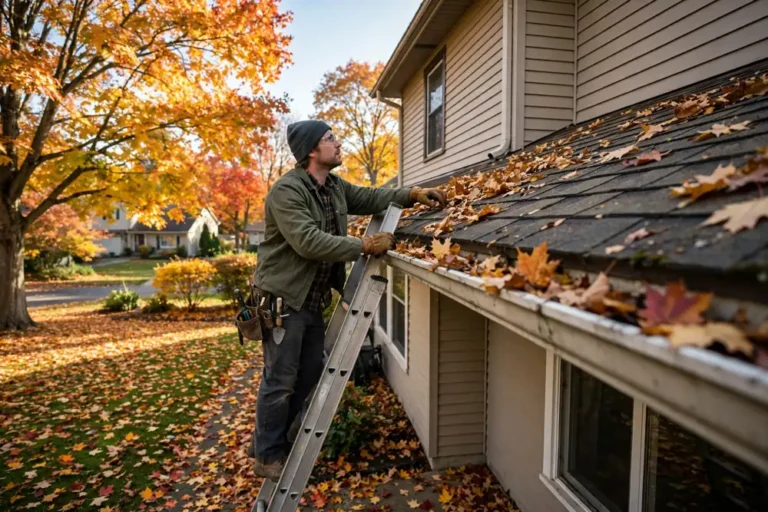
- Regular Cleaning: Sweep or blow away leaves, dirt, and debris from patios, decks, and pathways regularly. For hardscaping like pavers or natural stone, periodic pressure washing or scrubbing with a mild, eco-friendly cleaner can prevent grime buildup and restore their original luster. For wood surfaces, clean wet spots promptly to prevent mold, mildew, and stains.
- Protecting Materials: Apply appropriate sealants or stains to wooden decks and fences annually or biannually, depending on the product and climate, to protect against UV damage and moisture. For natural stone, consider sealers that repel water and oil to prevent staining.
- Furniture Care: Clean outdoor furniture regularly, following the manufacturer’s instructions. Store cushions indoors during inclement weather or when not in use to prolong their life and prevent mildew. For metal furniture, inspect for rust and touch up any chipped paint.
- Plant Health: Implement sustainable pest management strategies, such as Integrated Pest Management (IPM). This involves monitoring for pests, using natural predators, and applying targeted treatments only when necessary, minimizing the use of harsh chemicals. Prune plants as needed to maintain shape, promote healthy growth, and prevent overgrowth onto pathways or structures.
- Water Feature Maintenance: Clean water features regularly to prevent algae growth and ensure pumps are free of debris. In colder climates, drain and winterize pumps and plumbing to prevent freezing damage.
- Winterization: In regions with cold winters, proper winterization is critical. This includes covering outdoor furniture, storing delicate items indoors, draining irrigation systems, and preparing plants for dormancy. For fire pits, ensure they are covered or stored to protect against moisture.
- Hardscape Inspection: Periodically check pavers, stepping stones, and retaining walls for shifting, cracks, or damage. Address any issues promptly to prevent further deterioration and ensure safety. For instance, ensuring proper drainage around retaining walls is crucial to their stability. (How to Build a Retaining Wall offers insights into their construction and maintenance).
By adhering to these maintenance strategies, your outdoor spaces will remain beautiful, functional, and inviting throughout the seasons, offering a sustainable sanctuary for relaxation and entertainment for many years to come.
Ready to transform your backyard into a sustainable sanctuary? Whether you’re looking for the perfect natural stone or expert advice on weather-resistant materials, our team is here to help. Explore our extensive inventory and start building your dream outdoor room today!
Central Home Supply Boilerplate Santa Cruz County’s Largest Landscape and Building Supply Central Home Supply is your one-stop shop for landscaping and building materials. Whether you’re a homeowner tackling a DIY project or a contractor working on a large construction site, they’ve got you covered. They offer a massive selection of products—from natural stone to lumber, sand, and everything in between. Founded in 1974, this family-owned business prides itself on personal service, expert advice, and a catalog of over 2,500 products, including 100+ types of natural stone. If they don’t have it, they’ll find it for you.
Expert Advice | One-on-One Service | 2,500+ Products | Founded 1974