
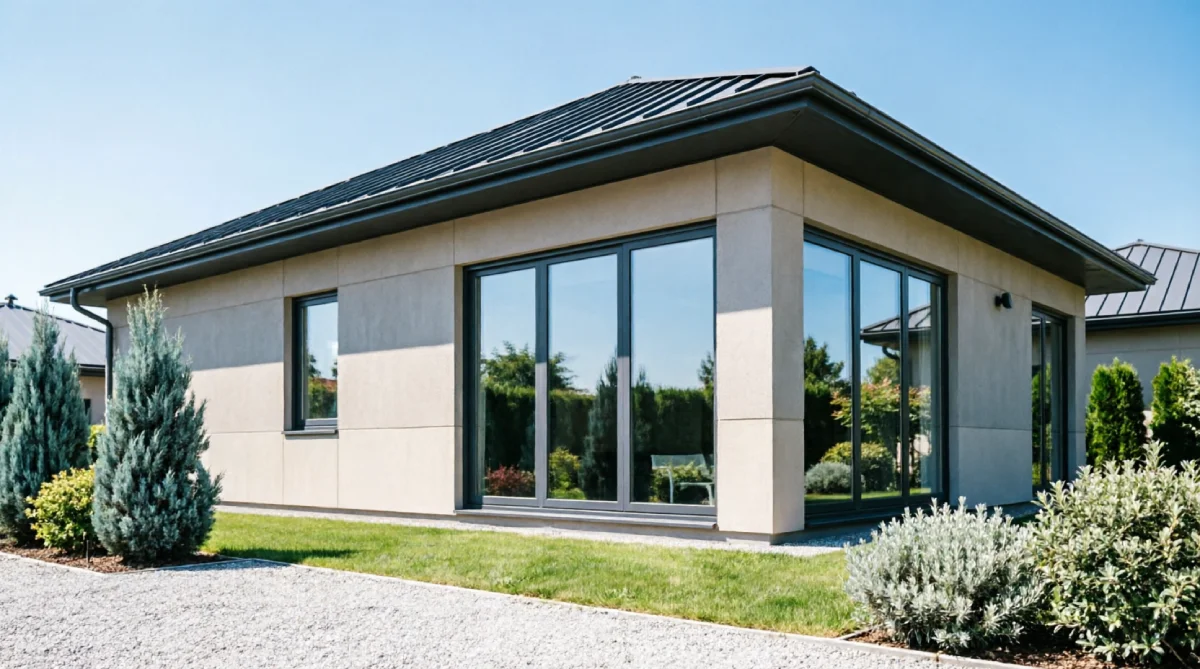
Your home is likely your biggest investment. Keeping it in top condition protects its value and ensures your family’s comfort. Thoughtful remodeling and roofing projects are key to this.
As of June 2026, the U.S. home remodeling market is strong. It is projected to reach $558 billion in 2025, and this trend continues. This reflects homeowners’ commitment to improving their living spaces. A modern exterior renovation can greatly boost your home’s curb appeal and structural integrity.
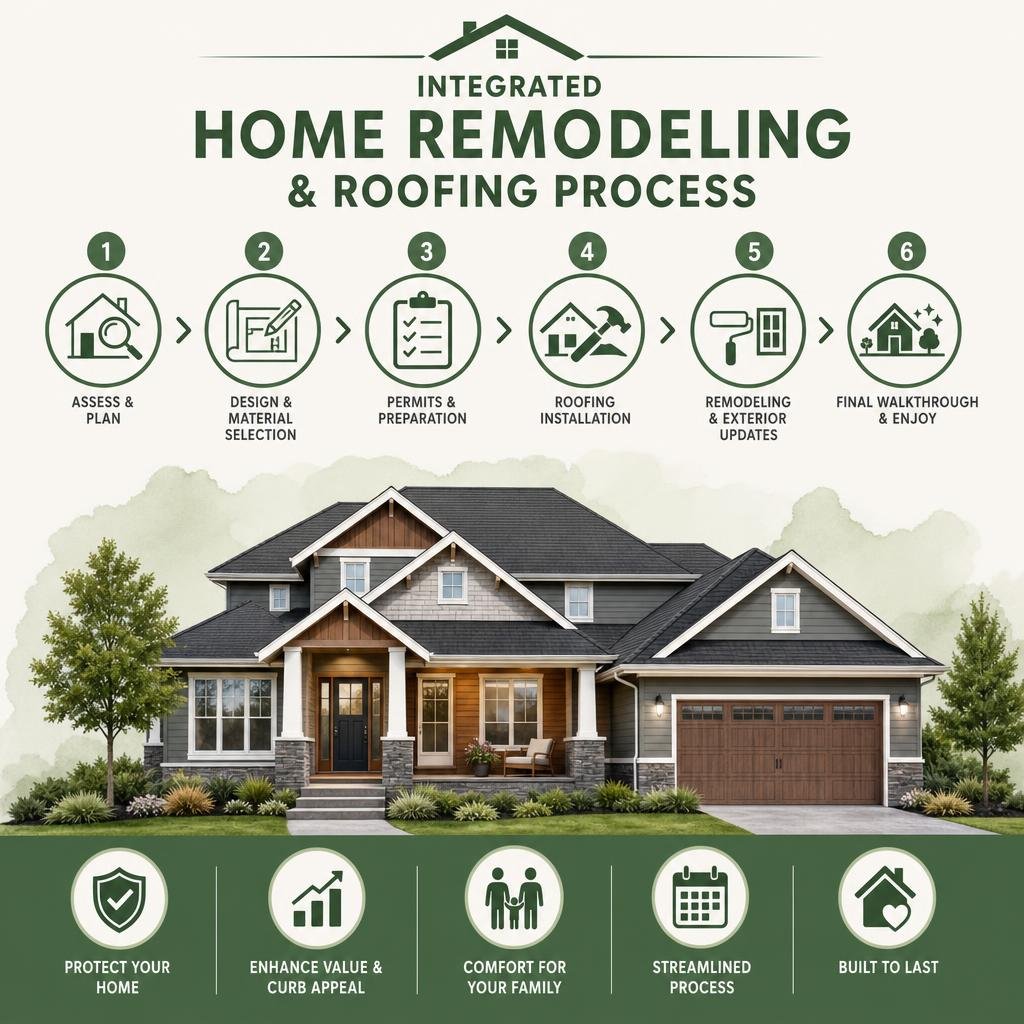
This extensive guide will help you understand home remodeling and roofing. We will break down the integrated process for you. We will cover everything from choosing the best materials for your climate to finding reliable contractors. We will also discuss financing options and navigating permits. Our goal is to provide clear insights for your next project.
When considering home improvements, many homeowners view roofing and other exterior upgrades as separate endeavors. However, there’s a powerful synergy in approaching these projects in a coordinated manner. An integrated strategy for exterior protection, encompassing not just the roof but also siding installation, gutter systems, and even window replacement, can yield superior results in terms of structural integrity, aesthetic appeal, and long-term value.
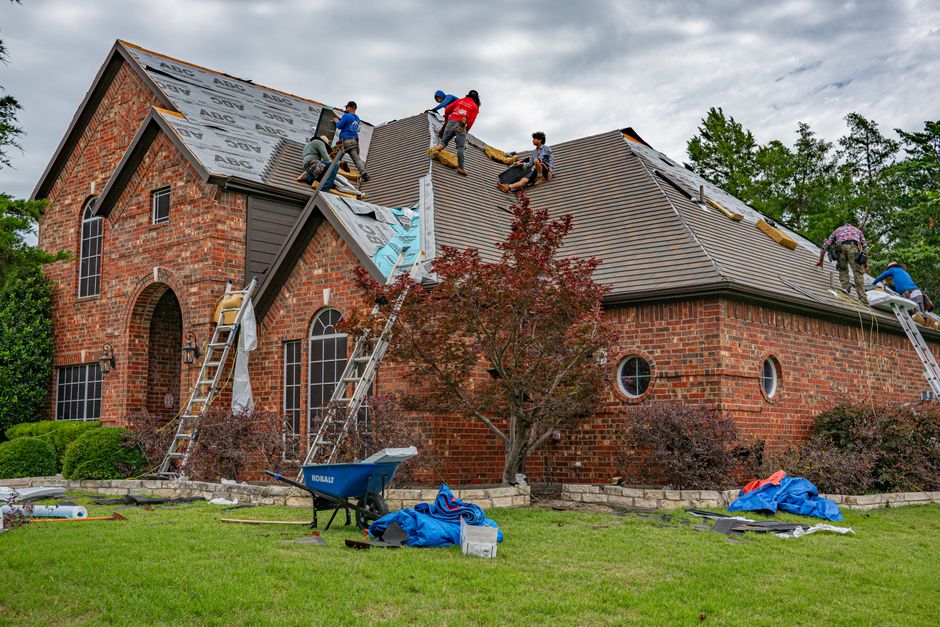
Thinking holistically about your home’s exterior shell allows for more efficient planning and execution. For instance, replacing windows while the siding is off can simplify installation and ensure a seamless, weather-tight seal. Similarly, a new roof often necessitates an inspection of the attic ventilation system, which might tie into overall home insulation upgrades. This unified approach minimizes disruption, optimizes material usage, and ensures that all components work together to protect your home. For those seeking comprehensive solutions that address various aspects of a home’s exterior and interior, some providers specialize in a wide range of services, including custom glass installations that can be part of a larger home remodeling effort. Exploring options with a dedicated team can lead to a cohesive and stunning transformation, much like working with a specialist in home remodeling glass pros.
Structural Benefits of Combined Home Remodeling and Roofing Projects
The roof is your home’s primary defense against the elements. When you combine roof replacement with other exterior remodeling, you enhance this defense significantly. For example, addressing roof deck integrity is crucial during a re-roofing project. This involves inspecting and repairing any damaged sheathing beneath the shingles. Simultaneously, optimizing attic ventilation ensures proper airflow, which prevents heat and moisture buildup. This is vital for extending the life of your roof and improving your home’s energy efficiency.
Furthermore, integrating moisture barriers and enhancing home insulation during a major exterior overhaul can create a more robust and energy-efficient envelope for your entire house. When the roof, siding, and windows are all updated together, contractors can ensure that all seals and transitions are properly executed, minimizing potential water intrusion points and boosting your home’s thermal performance. This comprehensive approach safeguards against costly future repairs and maintains a healthy indoor environment.
Financial Advantages of Single-Contractor Exterior Upgrades
Opting for a single contractor to manage multiple exterior projects offers distinct financial and logistical benefits. Streamlined project management means fewer points of contact, clearer communication, and a more cohesive workflow. This often translates to timeline efficiency, as the contractor can schedule crews and material deliveries in a coordinated fashion, reducing overall project duration. This can be particularly beneficial for extensive renovations where multiple trades might otherwise cause delays.
Perhaps the most significant advantage is potential cost savings. A single contractor might offer bundled pricing for multiple services, eliminating redundant setup costs, administrative fees, and subcontractor markups. Furthermore, with a unified team, there’s less chance of errors or miscommunications that could lead to costly rework. For those in regions like Florida, where comprehensive exterior work is often a necessity due to climate, finding a contractor who can handle everything from roofing to structural repairs can simplify the process immensely. You can learn more about finding comprehensive services for your property by looking into resources for Tampa home remodeling. This integrated approach helps homeowners maximize their investment while ensuring high-quality results across all aspects of their exterior renovation.
Selecting Materials for Longevity and Climate Resilience
Choosing the right materials for your home remodeling and roofing projects is paramount for both longevity and resilience, especially given varied regional climates. The market offers a diverse range of options, each with unique characteristics suited to different needs and aesthetic preferences.
Common Roofing Materials:
- Asphalt Shingles: These remain the most popular choice due to their affordability, versatility, and ease of installation. Modern architectural asphalt shingles offer enhanced durability and a wider range of styles and colors. They typically last 25-30 years.
- Metal Roofing: Known for its exceptional durability and longevity (40-70 years), metal roofing, including standing seam steel and aluminum, is an excellent investment. It’s highly resistant to extreme weather, fire, and pests, and can also be very energy-efficient.
- Tile Roofing: Clay and concrete tiles offer a distinct aesthetic and incredible durability, often lasting 50-100 years. They are excellent for hot climates due to their thermal mass but are heavier and more expensive to install.
- Wood Shakes/Shingles: Offering a natural, rustic look, wood roofs can last 30-50 years with proper maintenance. However, they require more upkeep and can be a fire hazard in some areas.
Common Siding Options:
- Vinyl Siding: A highly popular and cost-effective option, vinyl siding is low-maintenance, durable, and comes in a vast array of colors and styles. It’s resistant to rot and insects.
- Fiber Cement Siding: Brands like James Hardie offer fiber cement siding that mimics the look of wood, stucco, or masonry but with superior durability. It’s fire-resistant, pest-resistant, and holds paint well, lasting 30-50 years.
- Wood Siding: Classic and beautiful, wood siding offers natural insulation and can last for decades with regular painting or staining.
- Brick/Stone Veneer: These options provide exceptional durability, minimal maintenance, and a premium aesthetic, often lasting the lifetime of the home.
Here’s a comparison of common roofing and siding materials:
[TABLE] Comparing Roofing and Siding Materials
Material Type Pros Cons Lifespan (Avg.) Cost (Avg.) Roofing Asphalt Shingles Affordable, wide variety, easy to install Shorter lifespan, less durable in extreme weather 20-30 years $ Metal Roofing Durable, long-lasting, energy-efficient, resistant to fire/pests Higher upfront cost, can be noisy during rain 40-70 years $$$ Tile Roofing Very long-lasting, excellent for hot climates, aesthetic Heavy, expensive, can be brittle 50-100 years $$$$ Wood Shakes/Shingles Natural aesthetic, good insulation Requires maintenance, fire risk, prone to rot/pests 30-50 years $$$ Siding Vinyl Siding Cost-effective, low maintenance, wide color/style range Can crack in extreme cold, less rigid than other options 20-40 years $ Fiber Cement Siding Durable, fire/pest resistant, mimics other materials, holds paint Heavier, more expensive to install, requires specialized tools 30-50 years $$ Wood Siding Natural beauty, good insulation, customizable Requires regular maintenance (painting/staining), prone to pests/rot 20-40 years $$ Brick/Stone Veneer Extremely durable, low maintenance, premium look, fire-resistant High upfront cost, complex installation 50-100+ years $$$$ Note: Costs are relative and can vary significantly based on region, contractor, and specific product lines.
Climate-Specific Material Selection for Home Remodeling and Roofing
Your local climate and building codes should heavily influence your material choices. For instance, in regions prone to high winds or hurricanes, selecting roofing materials with superior wind resistance (e.g., impact-rated asphalt shingles or metal roofs) is crucial. Similarly, siding options like fiber cement are more impact-resistant than vinyl in hail-prone areas.
In hot climates, materials that offer excellent thermal performance can significantly reduce cooling costs. Light-colored metal roofs or tile roofs, for example, can reflect solar radiation more effectively than dark asphalt shingles. Conversely, in colder regions, proper insulation and moisture barriers are paramount to prevent ice dams and heat loss. Always consult with a local contractor who understands regional weather patterns and is familiar with specific building codes to ensure your selections meet both performance and compliance standards.
Energy Efficiency and Cost Recovery at Resale
Investing in energy-efficient roofing and siding upgrades offers a dual benefit: reduced energy bills now and a strong return on investment (ROI) at resale. Energy-efficient roofing and siding upgrades can reduce annual heating and cooling costs by 10-20%. This is a tangible saving that adds up over time.
Beyond daily savings, these upgrades significantly boost your property value. Homes with new roofs, for example, sell 3-5% faster and command higher offers than comparable homes with older roofs. Homeowners recover an average of 68.7% of the cost of a new asphalt shingle roof upon resale. Similarly, vinyl siding and fiber cement siding projects yield an average 70-80% cost recovery. This makes exterior renovations not just an expense, but a strategic investment in your home’s future. For those looking to make smart decisions about their home’s exterior that maximize energy savings and resale value, considering the latest trends and materials in home roofing and construction is a wise step.
Understanding Timelines, Budgets, and Contractor Selection
Embarking on a major home remodeling or roofing project requires careful planning, especially regarding timelines, budgets, and selecting the right professional. The duration of a project can vary widely, from a few days for a simple roof replacement to several weeks or months for extensive remodels.

A reputable contractor will provide clear estimates for project duration, along with detailed cost breakdowns. Key considerations when choosing a contractor include verifying their licensing, ensuring they carry adequate liability insurance, and understanding the workmanship warranties they offer. These elements are critical for protecting your investment and ensuring quality work.
Average Costs and Financing Options
The cost of home remodeling and roofing projects can vary significantly based on material choices, project scope, and regional labor rates. The average cost of a full roof replacement in the U.S. ranges from $8,000 to $21,000, depending on materials and home size. Larger or more complex projects, like extensive remodels or high-end material installations, can push costs to $35,000 or more.
Disclaimer: The cost data provided here represents average internet data as of June 2026 and is not an actual cost estimate for any specific contractor or project. Actual costs will vary based on project specifics, materials, location, and the chosen contractor.
Financing a roof replacement or home remodeling project is a common necessity for many homeowners. Several payment options are available:
- Home Equity Loans/Lines of Credit (HELOCs): These leverage your home’s equity, often offering competitive interest rates.
- Personal Loans: Unsecured loans that can be quickly approved, though often with higher interest rates than secured options.
- Contractor Financing: Many contractors partner with lenders to offer specific financing plans, which may include deferred interest or low-interest options for a set period.
- Cash-Out Refinance: If you have significant equity, refinancing your mortgage for a larger amount can provide funds for your project.
- Insurance Claims: For storm damage, hail, or wind-related repairs, your homeowner’s insurance might cover a substantial portion of the cost.
Always explore multiple financing avenues and compare terms to find the best fit for your budget.
Navigating Permits, HOA Guidelines, and Insurance Claims
Before any significant work begins, understanding local regulations, Homeowners Association (HOA) requirements, and how to handle insurance claims is crucial.
- Building Permits: Most major roofing and remodeling projects require building permits from your local municipality. These ensure that the work complies with safety and structural codes. A reputable contractor will typically handle the permit application process on your behalf.
- HOA Approval: If you live in an HOA community, you’ll likely need to submit plans for exterior changes (including roofing and siding) for approval before starting work. Ignoring these guidelines can lead to fines or demands to redo the work.
- Insurance Claims: Over 60% of roof replacements in the U.S. are driven by storm damage, aging, or leaks. When storm damage, hail, or wind necessitates repairs, contractors often play a vital role in navigating insurance claims. They can conduct detailed inspections, sometimes using HAAG-certified inspectors, to document damage thoroughly. This documentation is then presented to your insurance adjusters to support your claim, helping to ensure you receive fair compensation for necessary repairs. Choosing a contractor experienced with insurance claims can significantly ease this often-complex process.
FAQs
Homeowners often have many questions when considering significant exterior upgrades. Here, we address some of the most common inquiries to help you prepare and make informed decisions.
How long does a typical roof replacement take from start to finish?
The installation timeline for a typical roof replacement can vary depending on the size and complexity of your roof, the materials chosen, and weather conditions. For an average-sized residential home (around 2,000-3,000 square feet) with asphalt shingles, the actual installation process, from the tear-off phase of the old roof to the final inspection, often takes just one to three days.
The tear-off phase, where old shingles and underlayment are removed, is usually completed swiftly. Following this, new underlayment, flashing, and shingles are installed. Factors that can extend this timeline include unexpected structural damage discovered during tear-off, complex roof designs (e.g., multiple peaks, valleys, or skylights), or adverse weather. A reputable contractor will provide a detailed timeline during the estimation phase and keep you informed of progress.
What are the signs that a home needs immediate exterior upgrades?
Recognizing the signs that your home needs exterior upgrades can prevent more extensive and costly damage down the line. For your roof, look for:
- Missing or Damaged Shingles: Curled, cracked, or missing shingles are clear indicators of wear and tear, compromising your roof’s protective barrier.
- Granule Loss: If you notice a significant amount of shingle granules in your gutters, it means your asphalt shingles are deteriorating.
- Roof Leaks: Water stains on your ceilings or walls, or drips in your attic, are definitive signs of a leak that needs immediate attention.
- Sagging Roof Deck: A visible sag in your roofline suggests structural issues that require professional assessment.
For other exterior components:
- Warped, Cracked, or Loose Siding: Damaged siding can allow moisture intrusion, leading to rot and mold.
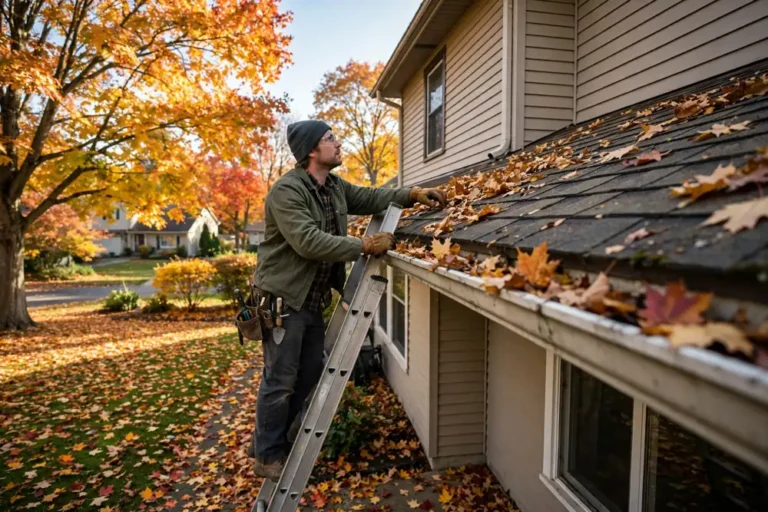
- Sagging or Clogged Gutters: Gutters that don’t drain properly can cause water to back up, damaging your roof, fascia, and foundation.
- Drafts or Condensation Around Windows: These indicate poor insulation or seal failure, leading to energy loss.
- Peeling Paint or Rotting Wood: These are signs of moisture problems or general deterioration that affect curb appeal and structural integrity.
Addressing these issues promptly can save you from more significant repairs and maintain your home’s value.
How do warranties protect my investment in a new roof?
Warranties are a critical component of protecting your investment in a new roof and provide peace of mind. There are typically two main types of warranties you should expect:
- Manufacturer Warranty: This covers the roofing materials themselves against defects. Modern architectural shingles often come with lifetime coverage (prorated after a certain period), while basic 3-tab shingles might have 20-25 year warranties. Some premium manufacturers offer enhanced warranties that cover materials, labor, and even disposal for up to 50 years, provided the roof is installed by a certified contractor.
- Workmanship Guarantee: This warranty is provided by the contractor and covers the quality of their installation. A standard workmanship guarantee might be 5-10 years, but some highly reputable contractors offer longer periods, even up to 25 years. This protects you if the roof fails due to faulty installation rather than material defects.
Always review the terms and conditions of both warranties carefully before signing any contracts. Understand what is covered, for how long, and what steps you need to take if an issue arises. A strong warranty package signals a contractor’s confidence in their work and materials, offering robust protection for your home.
Conclusion
Investing in home remodeling and roofing projects is more than just an expense; it’s a strategic decision that enhances your home’s value, protects its structural integrity, and improves your quality of life. As we’ve explored, a coordinated approach to exterior upgrades, from selecting climate-resilient materials to understanding financing and permits, yields superior results.
By prioritizing long-term planning, partnering with reputable and licensed contractors, and staying informed about material options and warranty protections, homeowners can confidently embark on their renovation journeys. The benefits of expert execution—from increased energy efficiency to boosted curb appeal and a strong return on investment—make these projects truly worthwhile. A well-maintained and thoughtfully upgraded home provides lasting comfort, security, and peace of mind for years to come.