
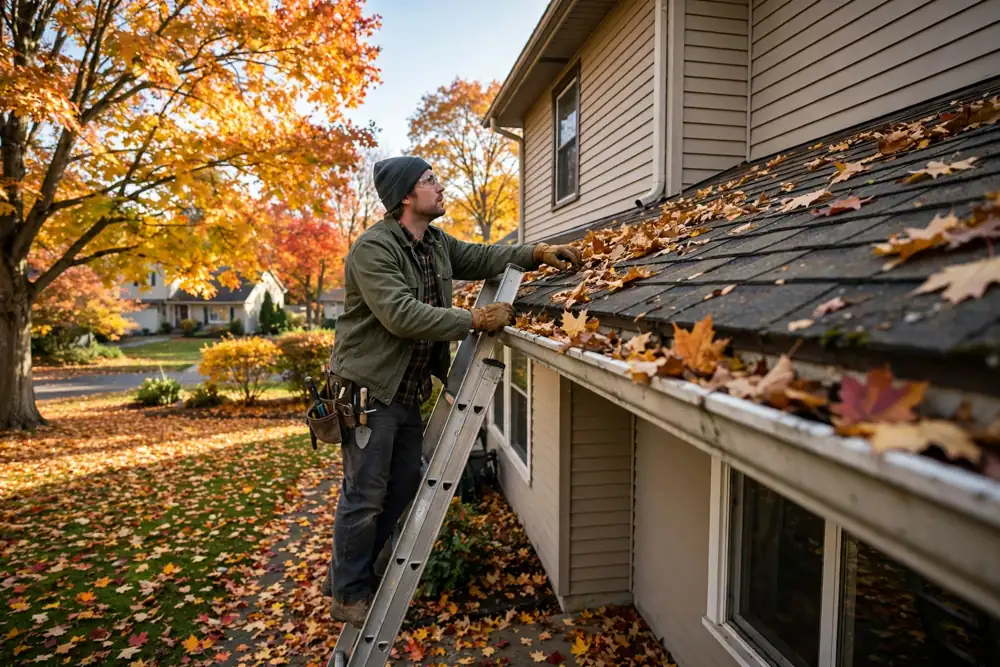
The Core Pillars of Seasonal Exterior Home Maintenance
Effective exterior home maintenance is a year-round commitment, not a one-time fix. By understanding the cyclical nature of tasks, homeowners can proactively protect their property from the elements and prevent minor issues from escalating into major expenses. Our approach categorizes these crucial tasks into seasonal checklists, ensuring your home is prepared for whatever the weather brings.
Maintaining a consistent schedule is paramount. A home that receives regular attention not only looks better but also functions more efficiently. This proactive stance helps maintain its value, enhances curb appeal, and significantly reduces long-term costs.
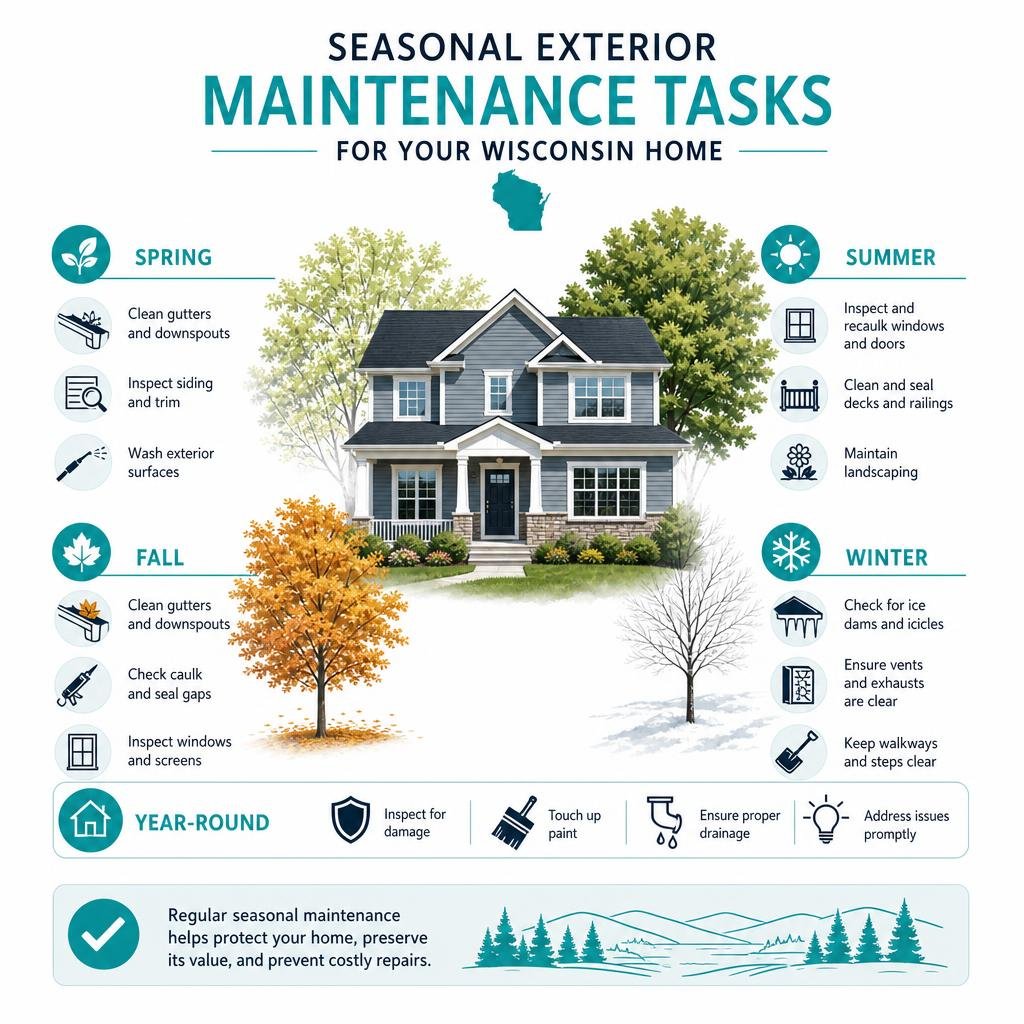
To effectively manage your home’s exterior, a combination of the right tools and a clear understanding of when to call a professional is essential.
Essential Tools for Exterior Upkeep:
- Safety Gear: Ladder (with stabilizer), work gloves, safety glasses, sturdy shoes.
- Cleaning: Pressure washer (with appropriate nozzles), garden hose, scrub brushes, buckets, mild exterior cleaners.
- Inspection: Binoculars, flashlight, moisture meter, screwdriver (for testing wood rot).
- Repair/Maintenance: Caulking gun, caulk, weatherstripping, wood filler, exterior paint/stain, paintbrushes, basic hand tools (hammer, pliers, utility knife).
- Yard Work: Pruning shears, loppers, rake, leaf blower, snow shovel.
- Specialized: Gutter scoop, downspout extensions.
Table: Comparing DIY vs. Professional Exterior Maintenance Tasks
| Task Category | DIY-Friendly | When to Call a Professional
Spring and Summer Tasks
As the snow melts and the sun begins to warm the earth, spring ushers in a new season of exterior care. This is the time for “spring recovery” and preparing your home for the intense heat and activity of summer.
Our first step is always a thorough post-winter inspection. Winter’s freeze-thaw cycles and heavy snow loads can wreak havoc on roofs, siding, and foundations. We recommend homeowners in areas like Wausau and Stevens Point, WI, conduct a detailed walk-around, specifically looking for:
- Roof Damage: Missing, cracked, or loose shingles; damaged flashing around chimneys and vents; granular loss in gutters.
- Siding Issues: Cracks, warping, or loose panels; signs of moisture intrusion or mold.
- Foundation Cracks: New or expanding cracks in the foundation, especially those wider than a hairline.
- Gutter and Downspout Performance: Ensure they are securely attached, free of debris, and properly diverting water away from the foundation.
Once inspections are complete, cleaning becomes a priority. A gentle pressure wash can remove accumulated dirt, mildew, and grime from siding, driveways, and walkways. For vinyl or brick siding, this can refresh your home’s appearance dramatically. However, for more delicate materials like wood, a soft wash with appropriate cleaners is often preferred to prevent damage.
Decks and fences also demand attention. After cleaning, inspect wood surfaces for rot, loose boards, or protruding nails. Sealing or staining these surfaces protects them from UV rays and moisture, extending their lifespan and maintaining their aesthetic appeal. For fences, ensure all posts are secure and gates operate smoothly.
Finally, landscaping trim plays a crucial role. Trim back branches and shrubs that are too close to your home, as they can scratch siding, provide pest access, and trap moisture against the exterior. This also helps ensure clear pathways and good air circulation around the foundation.
Fall and Winter Preparations
As summer’s warmth fades, fall becomes a critical period for “fall preparation,” safeguarding your home against the impending cold and snow. This season is all about preventing winter-related damage and ensuring your home remains warm and dry.
The most vital task in fall is gutter clearing. As leaves fall, they accumulate in gutters, leading to clogs. These clogs can cause water to overflow, damaging fascia boards, siding, and even leading to foundation issues. In areas like Wisconsin Rapids and Green Bay, where heavy snow and ice are common, clogged gutters are particularly problematic, as they can contribute to ice dam formation. We recommend cleaning gutters at least twice in the fall: once after most leaves have fallen, and again just before temperatures consistently drop below freezing.
Another essential step is winterizing outdoor faucets and irrigation systems. Failure to do so can lead to frozen pipes, which can burst and cause significant water damage when temperatures rise. Simply shutting off the water supply to exterior spigots and draining the lines is usually sufficient.
Attic ventilation checks are crucial for preventing ice dams. Proper attic ventilation, combined with adequate insulation, helps keep the roof deck cold, preventing snow from melting and refreezing at the eaves. We also recommend inspecting attic insulation for proper coverage and signs of moisture.
Finally, snow load monitoring during winter is important. While roofs are designed to handle significant snow, exceptionally heavy snowfall can stress structures. Keep an eye on snow accumulation and consider professional snow removal if the load becomes excessive, especially if you notice any signs of stress indoors. Ensuring furnace and water heater vents are clear of snow is also a critical safety measure.
Protecting Your Roof: Inspections and Key Signs of Damage
Your roof is arguably the most critical component of your home’s exterior, serving as its primary defense against the elements. Its condition directly impacts everything from energy efficiency to structural integrity. Regular inspections and timely repairs are not just recommendations; they are necessities for extending your roof’s lifespan and preventing costly damage. Homeowners who perform consistent exterior maintenance can extend the lifespan of their roofs by 5–10 years.
While the principles of roof maintenance are universal, specific challenges can vary by climate. For instance, homes in humid, sunny regions like coastal Florida face unique issues such as rapid algae growth and intense UV degradation, requiring specialized approaches to Coastal Florida roof maintenance. In Wisconsin, our focus shifts to mitigating the effects of freeze-thaw cycles, heavy snow loads, and ice dams.
How Roof Inspections Fit Into Your Exterior Home Maintenance Plan
Integrating roof inspections into your routine maintenance schedule is non-negotiable. We advocate for a multi-pronged approach: regular ground-level checks, biannual comprehensive inspections (spring and fall), and immediate assessments after severe weather events.
Safety is always our top priority. We strongly advise against climbing onto your roof if you are not experienced or lack proper safety equipment. Instead, perform ground-level inspections using a pair of binoculars or the zoom function on your smartphone camera. From the ground, you can effectively scan for:
- Missing or damaged shingles.
- Sagging areas or uneven planes.
- Debris accumulation, especially in valleys and around chimneys.
- Condition of flashing around penetrations.
- Signs of moss or algae growth.
Beyond visual checks, a quick trip into the attic (if accessible) can reveal early signs of trouble. Look for water stains on the underside of the roof deck or insulation, which indicate a leak. Pay attention to any musty odors, which could signal mold or mildew.
Documenting damage with clear photos and notes is crucial, especially for insurance claims. Keep a record of inspection dates, findings, and any repairs made. This meticulous approach helps track the roof’s condition over time and provides valuable information if professional intervention becomes necessary. For comprehensive exterior solutions, including roofing expertise in Central Wisconsin, many homeowners turn to a trusted partner like A-RITE Exteriors.
Identifying Common Signs of Shingle and Flashing Damage
Knowing what to look for can empower you to catch problems early. Here are key indicators of shingle and flashing damage:

- Curling or Buckling Shingles: This often indicates moisture absorption or aging. Shingles may curl upwards at the edges or buckle in the middle, making them vulnerable to wind and water.
- Granule Loss: Asphalt shingles are coated with granules that protect them from UV rays. If you notice large amounts of granules in your gutters or on the ground, it’s a sign your shingles are nearing the end of their lifespan and losing their protective qualities.
- Cracked Shingles: Cracks can allow water to penetrate the underlying layers, leading to leaks and rot.
- Missing Shingles: High winds can rip shingles off, leaving exposed areas vulnerable to water intrusion. These should be replaced immediately.
- Rusted or Damaged Flashing: Flashing, typically made of metal, seals the areas around chimneys, vents, skylights, and in roof valleys. Rust, bends, or gaps in flashing are common entry points for water.
- Water Stains on Ceilings or Walls: These are definitive signs of a roof leak, and the source should be investigated promptly.
- Moss or Algae Growth: While not always immediately damaging, excessive moss can trap moisture against the shingles, leading to degradation. Algae (often appearing as black streaks) is primarily an aesthetic issue but can indicate moisture retention.
Addressing these signs quickly can prevent minor issues from becoming extensive and costly repairs.
Gutter and Downspout Care: Managing Water Runoff Safely
Gutters and downspouts play an indispensable role in protecting your home’s foundation and overall structure. Their primary function is to capture rainwater and snowmelt from your roof and safely direct it away from your home. Without a properly functioning system, water can pool around the foundation, leading to erosion, hydrostatic pressure against basement walls, and eventually, damp basements or even structural damage. This is a common concern for homeowners in communities like Schofield and Weston. In fact, poorly maintained gutters are the number one cause of water backing up into the fascia and foundation, leading to thousands in water damage.
Properly maintained gutters can last 15–20 years longer than neglected ones, underscoring the value of consistent care.
Cleaning and Repairing Gutters
Regular cleaning is the cornerstone of effective gutter maintenance. We recommend cleaning your gutters at least twice a year—once in late spring after tree pollen and debris have fallen, and again in late fall after all leaves have dropped. Homes surrounded by many trees may require more frequent cleaning.
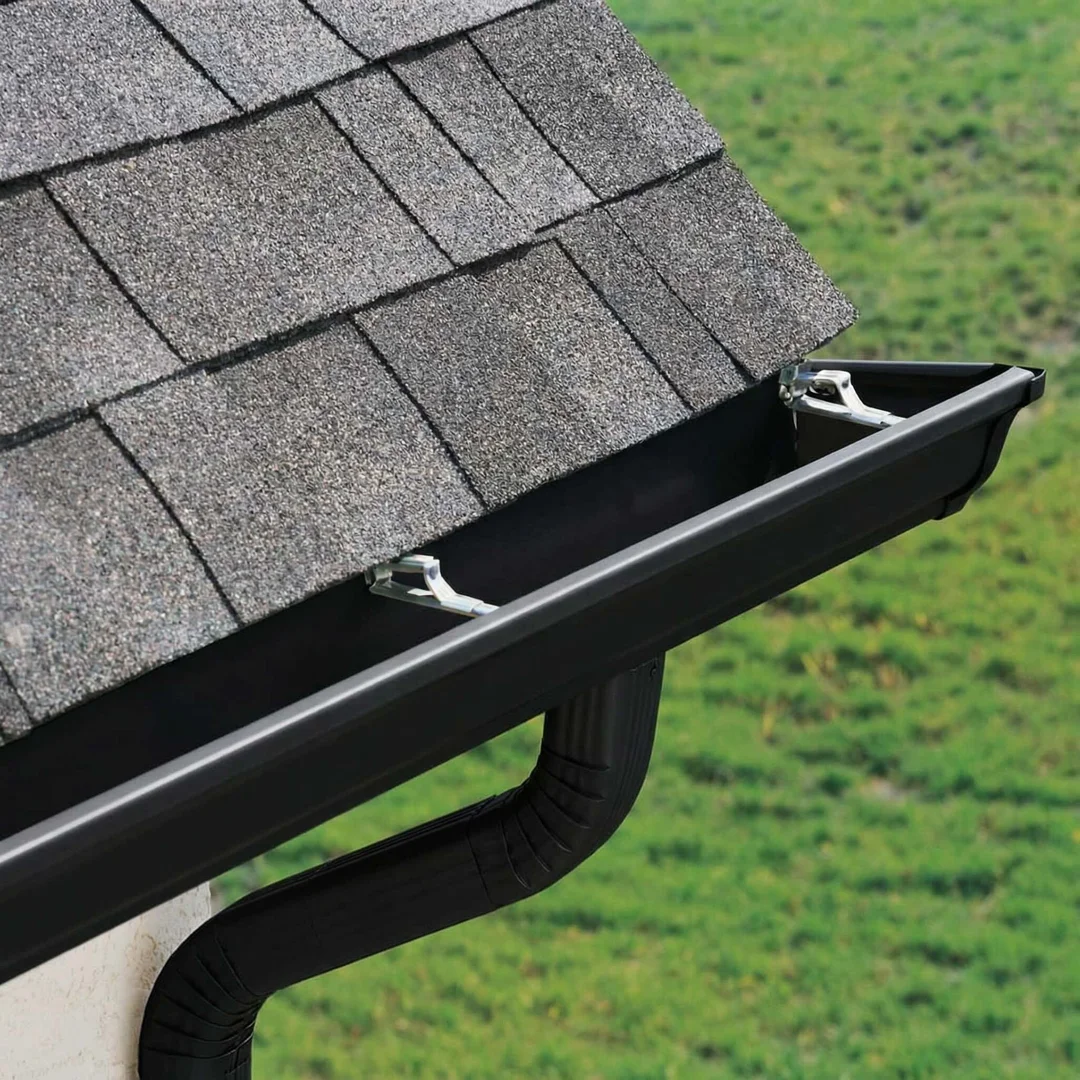
Here’s how to approach cleaning and minor repairs:
- Debris Removal: Using a sturdy ladder with a stabilizer, carefully scoop out leaves, twigs, shingle granules, and other debris. A gutter scoop can make this task easier and less messy.
- Flush with Water: Once clear, flush the gutters with a garden hose to ensure water flows freely towards the downspouts. Watch for any leaks or areas where water pools.
- Check for Sags: Gutters should have a slight slope towards the downspouts (about 1/4 inch per 10 feet). If you notice standing water or sagging sections, the gutter hangers may need adjustment or replacement to correct the pitch.
- Seal Leaks: Small leaks can often be sealed with a high-quality gutter sealant. For larger holes or cracks, a patch kit may be necessary. Ensure the area is clean and dry before applying sealant.
- Secure Hangers: Check that all gutter hangers are securely fastened to the fascia board. Loose hangers can lead to sagging and eventual detachment.
For homeowners in areas like Mosinee, where seasonal changes can be dramatic, these routine checks are vital to prevent winter ice buildup and summer water overflow.
The Role of Gutter Guards and Downspout Extensions
While regular cleaning is essential, certain additions can significantly reduce maintenance efforts and enhance performance:
- Gutter Guards: These systems are designed to prevent leaves and large debris from entering the gutter trough while allowing water to flow through. Options range from mesh screens to solid covers and foam inserts. While they don’t eliminate cleaning entirely, they drastically reduce its frequency. When considering gutter guards, research options that are effective against the specific types of debris in your area and ensure they don’t impede water flow during heavy rains.
- Downspout Extensions: These are crucial for directing water far enough away from your home’s foundation. Downspouts should ideally discharge water at least 4 to 6 feet away from the foundation, preventing water from saturating the soil directly adjacent to your house. Splash blocks or underground drainage systems can be used to achieve this. Proper soil grading around your home, ensuring it slopes away from the foundation, works in conjunction with downspout extensions to manage water effectively.
For homeowners in places like Arbor Vitae, where heavy snowmelt can combine with spring rains, an efficient gutter system with appropriate extensions is a powerful defense against water damage.
Improving Energy Efficiency Through Exterior Upkeep
Beyond protecting your home from physical damage, exterior maintenance plays a significant role in its energy performance. Weatherproofing your home is about creating a tight envelope that minimizes heat loss in winter and heat gain in summer, leading to lower energy bills and improved indoor comfort. Addressing issues like air leakage and inadequate insulation can transform your home’s efficiency. For comprehensive Wisconsin exterior energy solutions, a holistic approach to your home’s exterior is key.
Attic Insulation and Ventilation Basics
Your attic is a critical zone for energy efficiency. Proper attic insulation acts as a thermal barrier, preventing heat transfer between your living space and the attic. In Wisconsin, where winter temperatures can be extreme, we typically recommend R-values between R-49 and R-60 for attic insulation. Blown-in fiberglass, like Owens Corning AttiCat, is a popular choice for its effectiveness and ability to fill irregular spaces.
However, insulation alone isn’t enough; attic ventilation is equally vital. A well-ventilated attic allows for continuous airflow, which serves two main purposes:
- Heat Dissipation: In summer, it expels superheated air, reducing the load on your air conditioning system.
- Moisture Control & Ice Dam Prevention: In winter, it helps keep the roof deck temperature consistent with the outside air. This is crucial for preventing ice dams. When warm air from your living space leaks into the attic, it can melt snow on the roof, which then refreezes at the colder eaves, creating ice dams. Proper ventilation, combined with sufficient insulation, minimizes this temperature differential, significantly reducing the risk of ice dam formation and the subsequent water damage they can cause.
Regular checks of your attic for adequate insulation and clear ventilation pathways (soffit and ridge vents) are essential for maintaining energy efficiency and preventing winter-related issues.
Sealing Drafts Around Windows and Doors
Windows and doors are common culprits for air leakage, leading to drafts and wasted energy. Over time, the materials that seal these openings can degrade, creating gaps that allow conditioned air to escape and unconditioned air to enter. Failed weatherstripping alone can increase annual energy bills by over $200.
Here’s how to tackle drafts:
- Draft Detection: On a breezy day, hold a lit incense stick or a thin piece of tissue paper around the frames of your windows and doors. If the smoke wavers or the paper flutters, you have a draft.
- Caulking: Inspect the exterior caulking around window and door frames. Look for cracks, gaps, or areas where the caulk has pulled away. Remove old, degraded caulk and apply a fresh bead of high-quality exterior-grade caulk. This creates a tight seal against moisture and air infiltration.
- Weatherstripping: Check the weatherstripping around the moving parts of windows and doors. Worn, cracked, or missing weatherstripping should be replaced. There are various types available, from adhesive foam strips to more durable tension-seal and compression-bulb options.
- Window Frame Rot: While sealing drafts, also inspect window frames for signs of window frame rot. Rot indicates prolonged moisture exposure and can compromise the structural integrity of the window, requiring more extensive repairs or even replacement.
By proactively sealing these gaps, you enhance your home’s comfort, reduce energy consumption, and protect against moisture intrusion. For more insights into maintaining the integrity of your windows and other exterior elements, exploring resources on VECO exterior maintenance can provide valuable guidance.
Frequently Asked Questions About Exterior Home Maintenance
Homeowners often have questions about the frequency and scope of exterior maintenance. Here, we address some of the most common inquiries to help you plan effectively.
How often should I perform exterior home maintenance?
We recommend a multi-tiered approach to exterior home maintenance:
- Monthly: Simple checks like ensuring furnace filters are clean and testing smoke/CO detectors. While not strictly exterior, these impact overall home health.
- Seasonally: Conduct detailed inspections and perform specific tasks tailored to the season (e.g., gutter cleaning in fall and spring, post-winter damage assessment). This includes tasks like cleaning, sealing, and minor repairs.
- Biannually (Spring & Fall): These are your deep-clean and comprehensive inspection periods. This is when you’ll clean gutters thoroughly, inspect the roof from the ground, check siding, and prepare for the upcoming extreme weather.
- Annually: Schedule professional inspections for critical systems like your roof and chimney. This is also a good time for tasks like pressure washing the entire exterior or resealing a deck.
Proactive upkeep is key. Addressing small issues as they arise prevents them from becoming costly problems.
Can I inspect my roof safely from the ground?
Yes, absolutely! We strongly advise against climbing onto your roof unless you are a trained professional with appropriate safety equipment. Many crucial aspects of a roof inspection can be safely performed from the ground:
- Ground-Level Checks: Walk around your home’s perimeter and use binoculars or the zoom function on your smartphone to examine shingles for curling, cracking, or missing pieces. Look for granule loss, especially in gutters.
- Attic Leak Monitoring: Periodically check your attic for signs of leaks, such as water stains on the underside of the roof deck or insulation. This can indicate a problem even if it’s not visible from the exterior.
While ground-level checks are excellent for early detection, a professional roof inspection can identify hidden damage or potential issues that are not visible to the untrained eye.
When should I call a professional for exterior repairs?
Knowing when to call in the experts can save you time, money, and prevent further damage. We recommend contacting a professional for:
- Structural Damage: Any concerns about your home’s foundation, significant sagging in the roofline, or major structural issues with decks or porches.
- High Roof Work: If repairs or inspections require climbing onto the roof, especially if it’s steep, high, or you lack proper safety gear. Roofing is dangerous work best left to professionals.
- Electrical Issues: Any exterior electrical repairs, such as faulty outdoor outlets or lighting, should always be handled by a licensed electrician.
- Major Water Intrusion: If you have persistent leaks, significant water pooling around your foundation, or signs of extensive water damage within your walls or attic.
- Warranty Preservation: For certain repairs, especially on newer installations, attempting DIY fixes might void your product or workmanship warranty. Always check your warranty terms.
- Workmanship Coverage: Professionals offer warranties on their work, providing peace of mind and protection if issues arise post-repair.
While many minor tasks are DIY-friendly, recognizing your limits and investing in professional expertise for complex or hazardous jobs is a smart homeowner decision.
Conclusion
Your home’s exterior is its first line of defense, a critical shield against the unpredictable forces of nature. By embracing a proactive and consistent approach to exterior maintenance, you’re not just preserving its aesthetic appeal; you’re actively safeguarding its structural integrity, enhancing its energy efficiency, and protecting your most valuable asset.
Regular inspections, timely cleaning, and addressing minor repairs before they escalate are the cornerstones of responsible homeownership. From the seasonal rhythms of gutter clearing and roof checks to the meticulous sealing of drafts, every task contributes to the long-term health and value of your property. This diligent upkeep translates directly into long-term savings, preventing costly emergencies and extending the lifespan of your home’s vital components.
Consistent exterior maintenance provides invaluable peace of mind. For homeowners in Central Wisconsin, knowing you have a trusted partner with local expertise, like A-RITE Exteriors, ensures your home is always protected. Trust the Hawk on Your Block to help you maintain a safe, efficient, and beautiful home for years to come.