
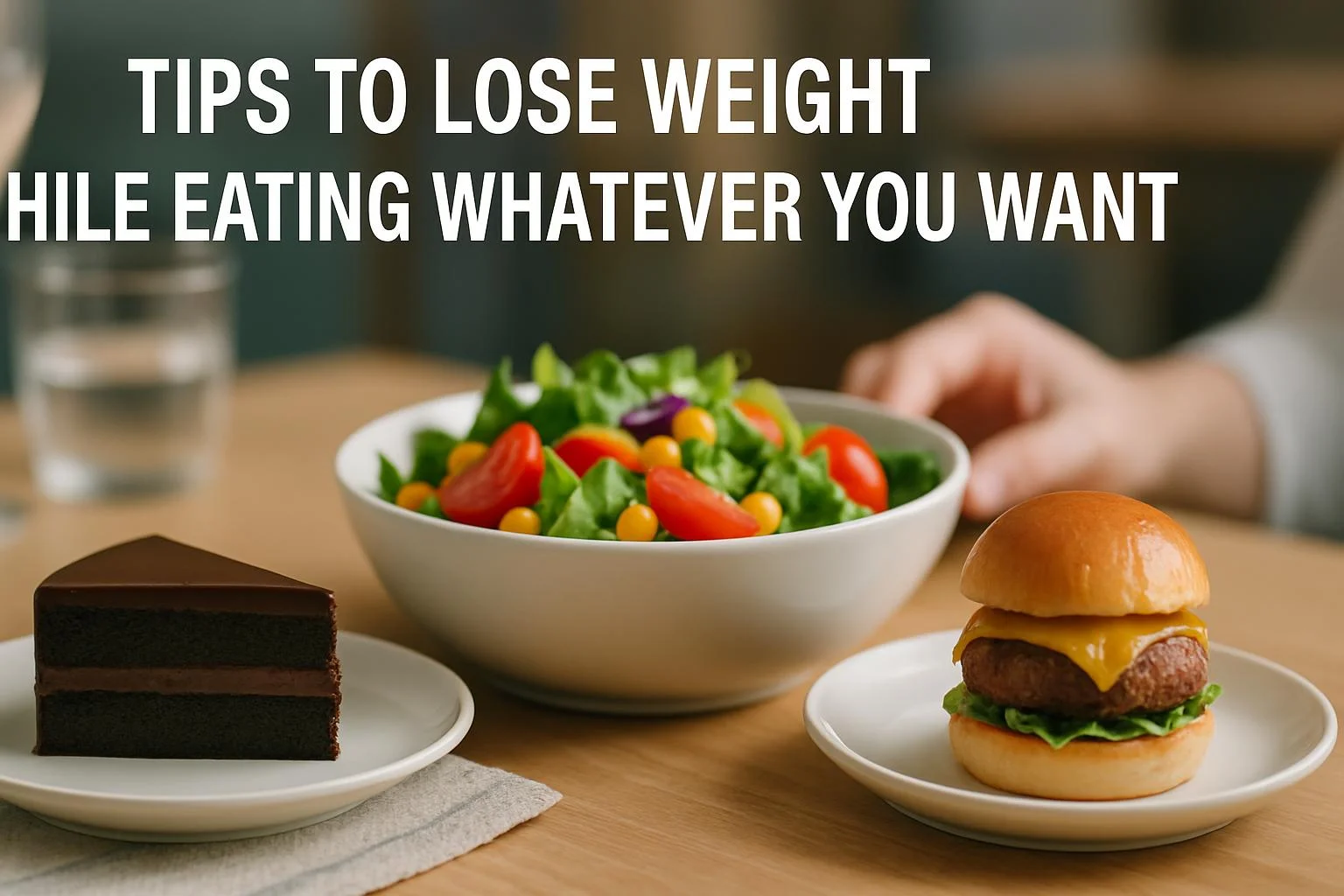
The dream of losing weight without giving up your favorite foods sounds too good to be true, but emerging research in nutrition science reveals it’s more achievable than you might think. Rather than following restrictive diets that eliminate entire food categories, the most sustainable approach to weight management focuses on strategic eating patterns and mindful consumption. This paradigm shift in nutritional thinking means you can indeed enjoy the foods you love while still working toward your weight goals. In this comprehensive guide, updated for 2026 standards, we’ll explore science-backed strategies that prioritize behavioral changes over food deprivation, helping you develop a healthier relationship with eating while managing your weight effectively. These approaches align with how people actually live and eat in the real world, not in the unrealistic vacuum of traditional dieting.
The Evolution of Weight Loss: Why Restrictive Diets Fail
Traditional weight loss approaches have overwhelmingly focused on elimination – cutting calories, reducing food groups, or following rigid eating schedules. While these methods sometimes produce short-term results, research consistently shows they rarely lead to lasting weight management. The problem with extreme restriction is that it triggers both physiological and psychological resistance. Your body fights back against perceived starvation by increasing hunger hormones, while your mind becomes preoccupied with the very foods you’re trying to avoid. This creates a vicious cycle of deprivation followed by overindulgence.
The foundation of this approach recognizes that sustainable weight management emerges from adding to your diet rather than subtracting from it. By incorporating nutrient-dense foods strategically throughout your day, you naturally crowd out less beneficial choices without feeling deprived. This method also acknowledges the importance of satisfaction in eating – when you truly enjoy your meals, you’re less likely to experience the cravings that derail progress. The future of weight management lies in this balanced approach that honors both physical health and psychological well-being.


Top 10 Tips to Lose Weight While Eating Whatever You Want
1. Master the Art of Strategic Timing
The timing of your meals can significantly influence how your body processes food. Intermittent fasting patterns, such as compressing your eating window to 8-10 hours daily, have shown promise not for calorie restriction but for supporting your body’s natural metabolic rhythms. This approach doesn’t dictate what you eat but rather when you eat, allowing you to enjoy your favorite foods during your designated eating window. Strategic timing also means aligning larger meals with periods of highest activity when your body can best utilize the energy. For instance, some people find they feel better having their most substantial meal at lunch rather than dinner, while others prefer the opposite. The key is experimentation and consistency – find a pattern that works for your lifestyle and stick with it most days to help regulate your body’s hunger signals and energy utilization.
2. Prioritize Protein at Every Meal
Protein is uniquely powerful for weight management because it promotes satiety, helps preserve muscle mass during weight loss, and requires more energy to digest than other macronutrients – a phenomenon known as the thermic effect of food. By ensuring each meal contains a substantial protein source, you naturally feel fuller longer and are less likely to experience cravings between meals. Excellent protein sources include Greek yogurt, eggs, lean meats, fish, legumes, and tofu. The visual plate method can help you get the balance right: aim for approximately one-quarter of your plate as protein, one-quarter as complex carbohydrates, and half as vegetables. This combination provides volume, nutrients, and satisfaction without complicated calorie counting. When you feel consistently satisfied, you’re far less likely to overindulge on less nutrient-dense foods later.
3. Embrace the Volume Eating Approach
Volume eating focuses on consuming larger portions of low-calorie, high-nutrient foods while still incorporating your favorite foods in moderate amounts. The concept is simple: foods with high water and fiber content fill you up with fewer calories. By starting meals with a large vegetable-based component – such as a substantial salad, roasted vegetables, or vegetable soup – you partially fill your stomach with nutrient-dense food before moving on to more calorie-dense items. This approach takes advantage of the body’s tendency to register fullness based partly on the volume and weight of food consumed, not just its caloric content. When you include foods you crave as part of a volume-rich meal, you enjoy them without overdoing the portion size because you’ve already satisfied much of your hunger with high-volume, low-calorie options.
4. Practice Mindful Eating Without Distractions
In our multitasking culture, eating while working, watching television, or scrolling through phones has become the norm. This distracted consumption prevents us from fully registering and enjoying our food, often leading to overeating. Mindful eating asks us to bring full attention to the eating experience – noticing colors, textures, aromas, and flavors without judgment. When you eat mindfully, you naturally eat more slowly, allowing your body’s satiety signals to catch up with your consumption. Try implementing the “first five bites” rule: give your complete attention to the first five bites of your meal, noticing everything about the experience. This practice can reset your relationship with food and help you recognize when you’re truly hungry versus eating out of habit or emotion. By making eating a singular activity rather than something done alongside other tasks, you derive more satisfaction from smaller portions of your favorite foods.
5. Leverage the Power of Fiber
Dietary fiber is a weight management powerhouse for several reasons: it slows digestion (promoting longer-lasting fullness), helps stabilize blood sugar levels, and supports a healthy gut microbiome. Unlike restrictive approaches that eliminate certain foods, the fiber-focused method encourages adding beneficial elements to your existing diet. Simple additions like mixing chia seeds into yogurt, adding extra vegetables to pasta sauces, choosing whole fruit over juice, or selecting whole-grain versions of bread and pasta can significantly boost your fiber intake without eliminating foods you enjoy. The gradual nature of this approach makes it sustainable – start by adding one fiber-rich element to each meal rather than overhauling your entire diet at once. As you consistently increase your fiber intake, you’ll notice natural changes in your hunger patterns and food preferences.
6. Stay Hydrated Strategically
Proper hydration supports metabolic processes and helps distinguish between true hunger and thirst – a common point of confusion. Beyond drinking water throughout the day, strategic hydration involves consuming water-rich foods and timing fluid intake around meals. Starting meals with a glass of water or a broth-based soup can create a sense of fullness that prevents overeating. Similarly, incorporating fruits and vegetables with high water content (like watermelon, cucumbers, and citrus) contributes to both hydration and volume eating. When cravings strike, try drinking a full glass of water and waiting 15 minutes before eating – you may find the craving passes entirely. For those who find plain water unappealing, herbal teas, infused waters, and sparkling water provide variety without added calories.
7. Build an Active Lifestyle, Not Just Workouts
While formal exercise certainly benefits health, non-exercise activity thermogenesis (NEAT) – the energy expended for everything we do outside of sleeping, eating, and formal exercise – plays a surprisingly significant role in weight management. Simple habits like taking the stairs, parking farther from destinations, incorporating walking meetings, or doing light household activities while watching television can substantially increase your daily energy expenditure without dedicated gym time. The advantage of this approach is that it doesn’t require you to “find time for exercise” – instead, it integrates movement naturally into your existing routines. When you view physical activity as a natural part of your day rather than a separate task, you’re more likely to maintain these habits long-term, creating a sustainable calorie burn that offsets occasional indulgences.
8. Implement the 80/20 Rule for Balance
The 80/20 principle applied to nutrition suggests focusing on nutrient-dense foods about 80% of the time while allowing for less nutrient-dense favorites 20% of the time. This framework eliminates the “all-or-nothing” thinking that derails many diet attempts and acknowledges that all foods can fit into a healthy eating pattern. Rather than designating certain foods as “off-limits” (which typically increases their appeal), this approach builds flexibility into your eating pattern. The psychological freedom of knowing you can enjoy your favorite foods prevents the rebellious overeating that often follows periods of strict restriction. Some people find it works best to incorporate their 20% throughout each day (like having a small dessert after dinner), while others prefer to think of it in terms of meals per week. Find what feels sustainable for your lifestyle.
9. Optimize Your Food Environment
Your surroundings significantly influence eating behaviors, often without your conscious awareness. Simple adjustments to your food environment can support your goals without requiring willpower. Try implementing strategies like using smaller plates and bowls (which make portions appear larger), keeping tempting foods out of immediate eyesight, and placing healthier options at the front of the refrigerator. These environmental tweaks work with your natural tendencies rather than against them. Similarly, when dining out, you might preview menus online to make decisions before arriving or request that bread baskets or chips be brought with the meal rather than before. The goal isn’t to eliminate indulgences but to make conscious choices about when and how you enjoy them, rather than eating them automatically because they’re readily available.
10. Prioritize Sleep and Stress Management
Often overlooked in weight management conversations, sleep quality and stress levels profoundly impact hunger hormones, food choices, and metabolic function. When sleep-deprived, your body produces more ghrelin (the hunger hormone) and less leptin (the satiety hormone), creating a perfect storm for cravings and overeating. Similarly, chronic stress elevates cortisol levels, which can increase appetite and promote abdominal fat storage. Improving sleep hygiene through consistent bedtimes, limiting screen time before bed, and creating a restful environment supports weight management as directly as dietary changes. Likewise, developing regular stress reduction practices – whether meditation, time in nature, or enjoyable hobbies – can break the connection between emotional distress and emotional eating. When well-rested and emotionally balanced, you’re more likely to make food choices that align with your goals rather than seeking quick comfort.
People Also Ask
Can you really lose weight without dieting?
Yes, research increasingly shows that sustainable weight management comes from lasting lifestyle changes rather than short-term diets. By focusing on adding beneficial habits rather than subtracting foods, you create gradual, sustainable changes that don’t trigger the deprivation response that often derails traditional diets.
How does protein help with weight loss?
Protein promotes satiety, helps maintain muscle mass during weight loss, and requires more energy to digest than other nutrients. This combination means you feel fuller longer while burning slightly more calories processing your food – a metabolic advantage that supports weight management.
What are the best foods for volume eating?
Non-starchy vegetables like leafy greens, broccoli, cauliflower, peppers, and zucchini provide the greatest volume for the fewest calories. These foods create physical fullness while delivering essential nutrients, making them ideal for incorporating into meals alongside your favorite foods.
Can stress really affect my weight?
Absolutely. Chronic stress elevates cortisol levels, which can increase appetite, promote abdominal fat storage, and trigger cravings for high-calorie comfort foods. Stress management is therefore a crucial component of comprehensive weight management.
Implementing Your New Approach
Transitioning to this non-restrictive approach to weight management requires patience and practice. Rather than attempting all these strategies simultaneously, consider selecting 2-3 that feel most manageable and building from there. Lasting change typically happens through small, consistent adjustments rather than dramatic overnight transformations. Remember that progress isn’t linear – some days will naturally work better than others. The key is developing a flexible framework that accommodates real life while steadily moving toward your goals.
Conclusion
The notion that you must eliminate favorite foods to manage your weight is being overturned by contemporary nutritional science. The strategies outlined above demonstrate that sustainable weight management emerges from thoughtful patterns of eating rather than rigid restriction. By focusing on timing, nutrient density, mindfulness, and lifestyle factors, you can develop an approach to eating that includes all foods while supporting your health goals. This balanced method honors both physical health and the genuine pleasure that food brings to our lives.
The path to lasting results lies not in following the strictest plan but in finding the approach that feels sustainable for you – one that allows for birthday cake, holiday meals, and Friday night pizza while steadily moving toward your wellness vision.