

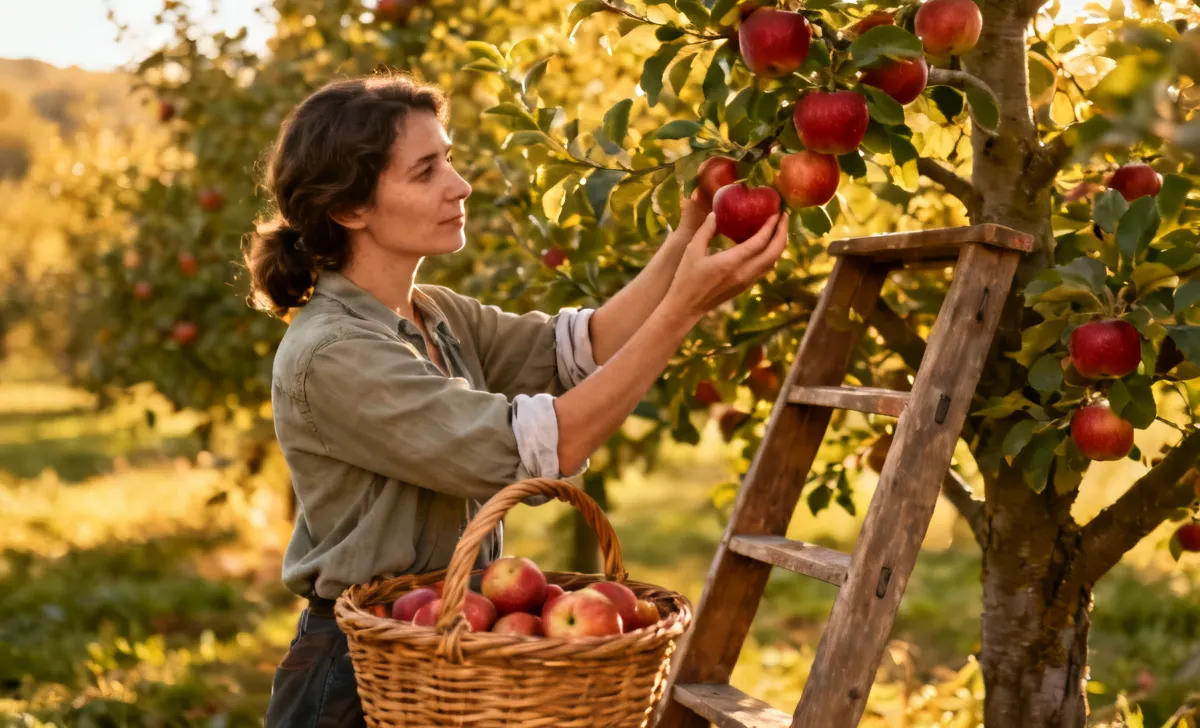
There’s something deeply satisfying about walking through your own orchard, picking a sun-warmed apple or pear straight from the branch. But keeping an orchard healthy and productive isn’t just about planting trees and hoping for the best. It takes consistent care, a bit of know-how, and a willingness to learn from both successes and failures.
Whether you have a few backyard fruit trees or a small homestead orchard, proper orchard maintenance helps you avoid common problems like poor harvests, diseased branches, or pest infestations. In this guide, we’ll walk through six practical tips based on real-world experience, so you can grow fruit trees with confidence.
1. Plant the Right Trees in the Right Places
One of the biggest mistakes new orchard owners make is choosing trees that don’t suit their local environment. Before you buy a single sapling, take a close look at your climate and soil type.
For example, if you live in an area with a Mediterranean climate—hot, dry summers and mild, wet winters—good choices include olives, figs, and almonds. These trees are naturally adapted to drought and heat. On the other hand, if you live in a colder climate with freezing winters, you’ll have better luck with apples, pears, or cherries.
What about soil?
Most fruit trees prefer well-draining soil. If your ground stays soggy after rain, roots can rot. You can improve drainage by planting on a slight slope or mixing organic matter into the soil before planting.
Sunlight matters more than you think
Fruit trees need at least 6–8 hours of direct sunlight daily. Don’t plant them in the shadow of your house, a barn, or large shade trees. Less sun means fewer flowers and less fruit.
Common question from readers: “Can I plant different types of trees next to each other?” Yes, but give each tree enough space (typically 15–20 feet apart for standard sizes). Crowding leads to poor air circulation, which encourages disease.
2. Water and Fertilize Regularly—But Don’t Overdo It
Watering sounds simple, but it’s where many orchard keepers get stuck. Too little water stresses the tree; too much can suffocate roots and cause rot.
How often should you water?
It depends on your climate and soil. In hot, dry regions, you may need to water once a week. In cooler or rainy areas, once a month might be enough. The key is to check the soil before watering. Stick your finger a few inches into the ground near the roots. If it’s dry, water deeply. If it’s still moist, wait.
Overwatering can be just as harmful as underwatering. Signs of overwatering include yellowing leaves, moss or algae on the soil surface, and root rot.
Fertilizing for better fruit production
Fertilizing helps trees grow strong and produce plenty of fruit. But different trees need different nutrients.
- Citrus trees need a fertilizer that’s high in nitrogen to support leafy growth and fruit development.
- Apple trees benefit from a fertilizer high in potassium, which improves fruit quality and disease resistance.
Use a slow-release organic fertilizer in early spring, just as trees break dormancy. Avoid fertilizing late in the season, as new growth can be damaged by frost.
Real-world tip: A soil test (available from your local extension office) can tell you exactly what your orchard lacks. Don’t guess—test.
3. Prune Properly to Shape Trees and Encourage Fruiting
Pruning can feel intimidating, but it’s one of the most valuable skills you’ll learn. Proper pruning doesn’t hurt the tree—it helps it.
Why prune?
- Removes dead or diseased branches before problems spread
- Opens up the canopy to let sunlight and air reach the inner branches
- Shapes young trees for strong structure
- Encourages more flowers and fruit
When to prune
For most fruit trees, late winter or early spring—while the tree is still dormant—is ideal. You can see the branch structure clearly, and the tree heals quickly once growth resumes.
Tools you’ll need
To do the job safely and effectively, invest in quality tools. A good pair of tree loppers handles branches up to 1–2 inches thick. For larger limbs, a pruning saw is essential. If you have tall trees, a pole saw helps you reach high branches without a ladder.
Keep your tools sharp and clean. Dull blades crush bark instead of cutting cleanly, inviting disease. Wipe blades with rubbing alcohol between trees to prevent spreading infections.
How to prune different trees
- Apple trees need annual pruning to maintain a central leader and encourage fruiting spurs.
- Pears often require thinning out so remaining fruits grow larger and sweeter.
- Stone fruits like cherries and plums need lighter pruning to avoid disease.
Common concern: “What if I cut too much?” A good rule of thumb: never remove more than 25–30% of a tree’s canopy in one year. Start by removing dead, damaged, or crossing branches first.
4. Protect Your Orchard from Pests and Diseases Naturally
Pests and diseases can ruin a harvest quickly if you’re not paying attention. But you don’t have to reach for harsh chemicals right away.
Start with prevention
- Choose deer-resistant varieties like apple trees if you live in an area with a high deer population.
- Use physical barriers like fences to keep out rabbits, deer, and groundhogs.
- Keep the area under trees clean. Fallen fruit and leaves attract pests and fungal diseases.
Regular inspections
Walk through your orchard once a week during the growing season. Look for:
- Holes in leaves (caterpillars or beetles)
- Sticky residue on branches (aphids)
- Discolored or wilting leaves (possible disease)
- Cankers or oozing sap on bark
When to call a professional
If you notice signs of a serious infestation—like borers tunneling into trunks or a disease spreading quickly—don’t hesitate to seek guidance from a professional. Local pest control services can offer solutions tailored to your area. For example, a Florida pest control service with over 70 years of experience understands the unique pest challenges in humid, warm climates.
Reader question: “Are organic sprays effective?” Yes, options like neem oil, horticultural oil, and insecticidal soap work well for many pests when applied correctly. Always follow label instructions and spray in the evening to protect bees.
5. Harvest at the Right Time for the Best Flavor
Picking fruit too early or too late is a letdown. Unripe fruit is sour and hard; overripe fruit turns mushy and may rot on the tree.
How to know when fruit is ready
- Color: Apples are usually ready when they reach a deep red or yellow-green, depending on the variety. Pears change from green to yellow. Cherries turn dark red.
- Ease of removal: Gently lift and twist the fruit. If it comes off easily, it’s ripe. If you have to pull hard, wait a few more days.
- Taste test: There’s no better indicator than your own mouth. Sample one or two fruits before harvesting the whole tree.
Harvesting technique
Handle fruit carefully to avoid bruising. For apples, twist them off the branch rather than pulling straight down. For pears and peaches, use a gentle upward twist. Damaged fruit won’t store well.
Real-world tip: Harvest in the morning when temperatures are cool. Fruit stays firmer and lasts longer in storage.
6. Store Properly to Make Your Harvest Last
After all that work, you want your fruit to stay fresh for weeks or even months. Proper storage makes that possible.
Step-by-step storage process
- Sort through the harvest. Remove any bruised, overripe, or insect-damaged fruit. One bad apple really can spoil the bunch.
- Wash the remaining fruit gently in cool water, then allow it to dry completely. Moisture encourages mold.
- Place fruit in a cool, dark place. A refrigerator is best for most fruits, but a cool basement or garage also works if temperatures stay between 30–40°F (just above freezing).
- Check regularly and remove any fruit that starts to rot so it doesn’t contaminate the rest.
How long do different fruits last
- Apples: Several months if stored properly
- Pears: 1–3 months, depending on variety
- Strawberries: Only 1–2 weeks (best eaten fresh or frozen)
- Citrus: 3–6 weeks in the fridge
For longer storage, consider canning, drying, or freezing your harvest. Homemade applesauce, dried pear slices, and frozen peach halves are delicious year-round.
Final Thoughts: Enjoy the Fruits of Your Labor
Maintaining an orchard takes patience and consistent effort. Some years you’ll have a bumper crop; other years you might lose blossoms to a late frost. That’s part of gardening.
But by following these six tips—planting wisely, watering and fertilizing correctly, pruning properly, protecting from pests and diseases, harvesting at the right time, and storing fruit properly—you’ll give your trees the best chance to thrive.
If you run into problems beyond your experience, consult a gardening book or website for specific advice on your fruit varieties. Better yet, reach out to your local cooperative extension office. They offer low-cost soil testing, pest identification, and region-specific guidance.