
Ask any homeowner or renter, and they’ll tell you: decorating a home sounds exciting, but it can quickly feel overwhelming. Should you start with the living room or the patio? What if your indoor style clashes with how your front yard looks? And how do you make a space feel like you without spending a fortune or making mistakes you’ll regret in six months?
These are common concerns—and they’re valid.
The truth is, successful home decoration isn’t about chasing trends or filling every corner with expensive pieces. It’s about creating a space that works for your daily life, supports your well-being, and feels genuinely welcoming. This guide walks you through everything from indoor decorating tips to outdoor home decoration, so you can approach your home with confidence, clarity, and a plan that lasts.
Why Home Decoration Matters Beyond Good Looks
Before diving into paint swatches and furniture layouts, it’s worth understanding why thoughtful decoration makes such a difference.
Space functionality is often the first thing people overlook. A beautifully styled room that’s impossible to move through—or that doesn’t support how you actually live—will eventually frustrate you. On the other hand, a well-organized, intentionally decorated space reduces daily friction. You stop tripping over the coffee table. You find a place for the kids’ backpacks. Your home office actually helps you focus.
Then there’s the psychological side. Research consistently shows that our surroundings affect mood, stress levels, and even sleep quality. A cluttered, chaotic environment can keep you feeling on edge. Meanwhile, a cohesive look with balanced colors, good lighting, and personal touches tends to promote calm and relaxation.
From a practical standpoint, good home decoration also impacts your property’s value. Real estate professionals often note that a well-decorated home—inside and out—has a higher perceived value. Even if you’re not selling, that same appeal makes your home more enjoyable every single day.
Indoor Decorating Tips That Actually Work (Starting Today)
Let’s start inside, where you spend most of your time.
1. Pick a Style That Fits Your Life—Not a Magazine
It’s easy to fall in love with photos of modern lofts, traditional libraries, minimalist apartments, or boho chic bungalows. But the best interior design choice is one you’ll still like a year from now and that accommodates your real-world needs.
Ask yourself:
- Do I have kids or pets? (Light upholstery might cause anxiety.)
- Do I entertain often? (Open layouts and durable surfaces help.)
- Do I need quiet, low-stimulation spaces? (Neutrals and soft textures.)
Once you identify your lifestyle priorities, stick with a consistent style throughout connected rooms. That doesn’t mean everything matches perfectly—but a cohesive look prevents visual chaos.
2. Nail Your Color Palette Early
Color palette choices are responsible for much of a room’s mood. Neutrals (beige, warm gray, off-white, taupe) provide a sophisticated, timeless backdrop. They also make small spaces feel larger.
Bold colors (deep navy, emerald green, terracotta) inject life and personality. The sweet spot? Use neutrals for walls and large furniture, then bring in bold colors through pillows, rugs, art, or accent chairs. This creates a balanced ambiance that feels intentional rather than overwhelming.
3. Lighting: The Most Underestimated Tool in Home Decor
Many people focus on furniture first, but lighting changes everything. You can have gorgeous pieces, and if the light is harsh or dim, the room will never feel right.
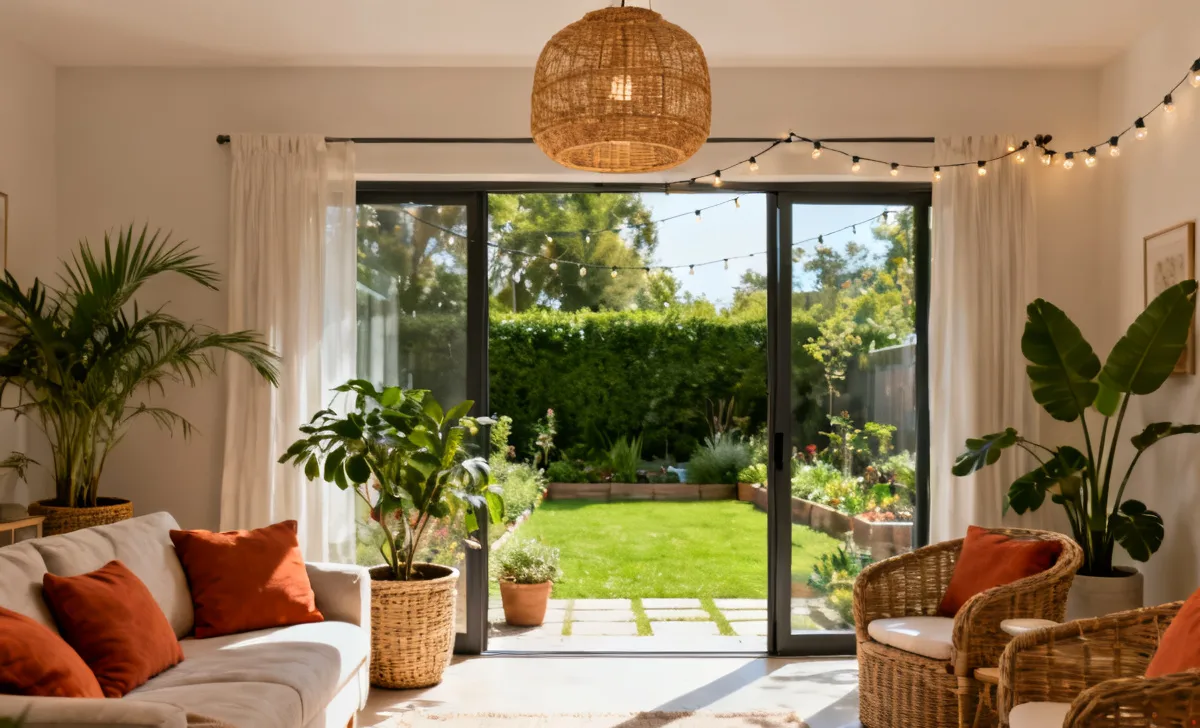
Pendant lighting is a smart decision for anyone looking to decorate their home. A well-placed rattan pendant light, for example, adds texture and warmth to a dining area, kitchen island, or even a bedroom corner. Unlike overhead ceiling fixtures that cast flat light, pendant lights create focused pools of light, which instantly make a space feel cozier.
Other lighting layers to include:
- Ambient lighting (ceiling fixtures, chandeliers) for general illumination.
- Task lighting (desk lamps, under-cabinet lights) for reading or cooking.
- Accent lighting (wall sconces, track lights) to highlight art or architectural features.
Pro tip from real-world experience: install dimmers. Being able to lower the light in the evening shifts your space from “work mode” to “relax mode” naturally.
4. Decorative Elements That Earn Their Keep
Every decorative element you bring in should serve a purpose—whether that’s comfort, storage, memory-keeping, or visual interest. Avoid buying things just to fill a shelf.
Some reliable options:
- Indoor plants – They improve air quality and mood (numerous studies confirm the psychological benefit of greenery inside).
- Mirrors – Strategically placed, they reflect light and make rooms feel larger.
- Textiles – Throw blankets, area rugs, and curtains soften a space and add color without permanent commitment.
A common user question is: “How do I avoid my home looking like a showroom?” The answer is personal items. Family photos, books you’ve actually read, souvenirs from trips—these make a space feel lived-in and authentic.
Outdoor Home Decoration: First Impressions and Daily Enjoyment
Your home’s exterior isn’t just for neighbors and guests. It’s where you might drink your morning coffee, garden on weekends, or host summer dinners. Outdoor spaces deserve as much thought as indoor ones.
Landscape and Layout
Landscape plays an enormous role in outdoor home decoration. Start with the basics: keep your lawn tidy, define garden beds, and prune overgrown shrubs. A well-maintained garden immediately lifts your home’s appearance.
For smaller spaces like a patio or backyard, think in zones. One area for dining, another for lounging, maybe a third for growing herbs or flowers. Even a 10×10 patio can feel spacious with clear zones and no clutter.
Outdoor Furniture That Lasts
Durable and stylish furniture is non-negotiable outdoors. Weather-resistant furniture (teak, aluminum, all-weather wicker, or powder-coated steel) can handle sun, rain, and temperature swings. Avoid indoor-only pieces outside—they’ll warp, fade, or rust quickly.
A practical tip: store cushions indoors when not in use, or buy a waterproof deck box. This simple habit can double the life of your outdoor setup.
Outdoor Lighting and Art
Outdoor lighting isn’t merely functional. Stylish outdoor lights along a walkway, up-lights pointed at trees, or string lights across a patio create evening ambiance and improve safety. Solar-powered options are affordable and easy to install.
Also consider outdoor artworks—sculptures, murals, or even a colorful tile installation on a blank wall. These add a new dimension to your backyard and become natural conversation starters when you have guests.
Creating Balance Between Indoor and Outdoor Decoration
One of the biggest missed opportunities in home decoration is treating the inside and outside as separate worlds. The most comfortable homes have a seamless connection between the two.
How to Achieve That Balance
- Use similar color schemes indoors and out. If your living room uses warm earth tones, echo those in your patio cushions and planter pots.
- Repeat materials – If you have wicker furniture in your sunroom, consider using weather-resistant wicker on the porch.
- Invite nature inside – We already mentioned indoor plants, but go further: position furniture to face a window with a garden view. Frame the outdoors like living art.
- Carry your style through – If you love boho chic inside, don’t switch to generic plastic furniture outside. Look for weather-resistant versions of your preferred aesthetic.
When indoor and outdoor spaces reflect continuity in design and theme, your whole property feels larger, more intentional, and more relaxing.
Maintaining Your Decorative Elements Over Time
Let’s be honest: decorating is fun, but maintenance is where most people drop the ball. Without regular care, even quality pieces look tired within a couple of years.
Simple Maintenance Habits
- Clean decor pieces regularly – Dust indoor surfaces weekly. For outdoor furniture, hose it down monthly. Use suitable cleaning products for each material (mild soap for most woods and metals, specialized cleaner for stone).
- Rotate decorative elements – Sunlight fades fabrics and art over time. Switch pillows, rugs, or wall art between rooms every 6–12 months. This prevents uneven fading and refreshes your decor for free.
- Invest in quality pieces where it counts – You don’t need to spend a fortune on everything. But for items you use daily (sofa, dining table, outdoor seating), durability and longevity make higher upfront costs worthwhile. Cheap pieces that break in a year end up costing more.
One often-asked question: “How do I know when to replace something versus repair it?” A good rule of thumb: if repair costs less than 30% of replacement and the item has sentimental or high functional value, fix it. Otherwise, let it go.
Final Thoughts: Your Home, Your Rules
Prioritizing decorating your home—both inside and out—is a worthwhile investment. It noticeably enhances visual appeal, yes. But more importantly, it contributes to a comfortable and welcoming living environment where you can truly relax.
From creating a personalized interior space to improving curb appeal and outdoor functionality, home decoration adds value both aesthetically and practically. You don’t have to do everything at once. Start with one room or one corner of your yard. Make it feel right. Then move on.
And remember: the goal isn’t perfection. It’s a home that reflects your personality, supports your daily routines, and makes you feel proud to walk through the door.
So go ahead. Express your style and creativity. Whether you’re adding a single rattan pendant light or redesigning your entire patio, every small change adds up. Transform your house into a place you’re genuinely happy to call home.
Disclaimer: This article is for general informational and inspirational purposes only. Results and preferences in home decoration vary based on individual space, budget, and personal taste. Always consult a qualified professional for structural changes, electrical work (including lighting installation), or major renovations.