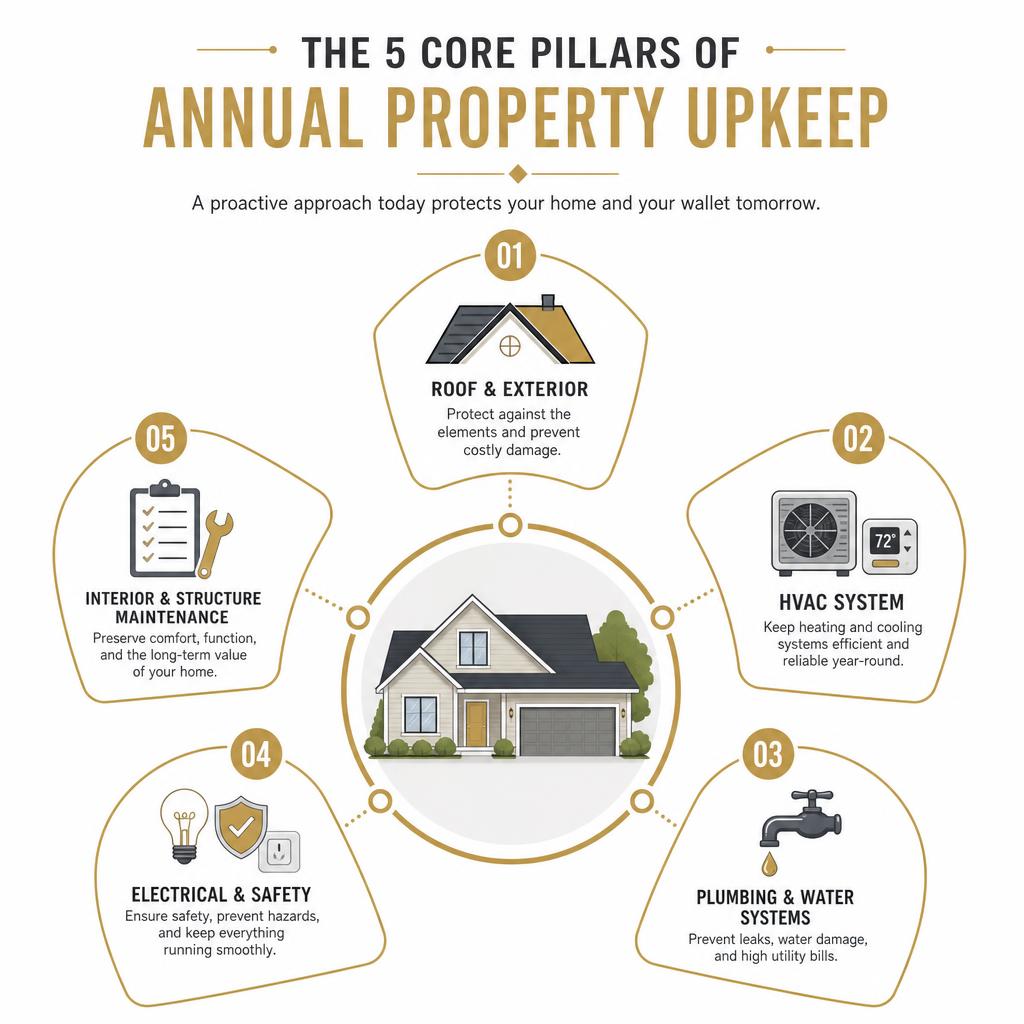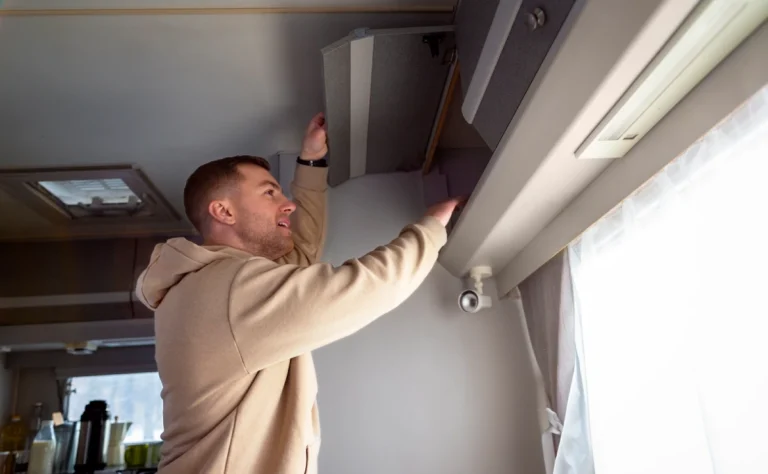

Budgeting and Costs for Annual Home Maintenance
The dream of homeownership often comes with the reality of ongoing expenses. Beyond the mortgage, property taxes, and insurance, homeowners must contend with the costs of maintenance and repairs. In May 2026, we are seeing these costs continue to rise. Factors such as persistent supply-chain issues, a shortage of skilled labor, and material inflation have significantly driven up the price of essential home services. According to Bankrate’s Hidden Costs of Homeownership Study, home maintenance and repair costs currently average over $8,800 annually. When combined with other ownership expenses, the typical single-family home costs more than $21,000 annually to own and maintain.
This financial burden is causing stress for many; nearly half (48%) of homeowners report increased anxiety over mandatory repairs since the start of 2025. Furthermore, 42% of homeowners express regret about their purchase, citing unexpected maintenance and hidden costs as more expensive than anticipated. This trend underscores the critical need for effective budgeting and proactive maintenance strategies. For a comprehensive overview of tasks to help manage these costs, refer to this Home Maintenance Checklist: What to Do & When to Do It – ValuePenguin.
Why Proactive Home Maintenance Saves Money
It might seem counterintuitive to spend money regularly on maintenance when budgets are tight, but preventative care is arguably the most effective way to save money in the long run. By addressing small issues before they escalate, homeowners can avoid costly emergency repairs that often come with premium pricing and significant disruption. For instance, a minor roof leak, if ignored, can lead to extensive water damage, mold growth, and compromised structural integrity, resulting in repairs that far exceed the cost of a simple patch.
Proactive maintenance safeguards your home, which is likely your most significant asset. It extends the lifespan of major systems and components, delaying the need for expensive replacements. Consider the financial benefits of regular roof inspections and minor repairs, which can prevent premature roof replacement. Understanding how this approach translates into tangible savings can be found in discussions like From Shingles to Savings: Why San Antonio Roof Maintenance Matters.
To illustrate the financial impact, consider the following comparison:
Maintenance Type Typical Proactive Cost (Annual/Bi-annual) Potential Reactive Emergency Repair Cost (One-time) HVAC Tune-up $80 – $150 $500 – $5,000 (system breakdown) Gutter Cleaning $100 – $300 $1,000 – $10,000 (foundation repair, roof damage) Roof Inspection $120 – $300 $5,000 – $30,000+ (major leak, structural damage) Water Heater Flush $50 – $150 $500 – $2,000 (burst tank, water damage) Exterior Caulking $200 – $500 $1,000 – $5,000 (water intrusion, rot, mold) The 1% to 4% Rule for Upkeep Budgets
A commonly cited guideline for budgeting home maintenance is the “1% to 4% rule.” This suggests that homeowners should set aside an amount equivalent to 1% to 4% of their home’s value each year for upkeep. For example, a home valued at $300,000 would require an annual maintenance budget of $3,000 to $12,000.
The exact percentage often depends on the age and condition of the home. Newer homes, typically less than 10 years old, generally fall on the lower end of this spectrum (1-2%). As a home ages, its systems and components naturally wear down, requiring more frequent and extensive attention, pushing the budget towards the higher end (3-4% or more for homes over 10-15 years old). This rule serves as a practical starting point for financial planning, allowing homeowners to prepare for both routine tasks and unexpected repairs. Customizing this budget to fit your specific home’s needs is crucial, as highlighted in resources like the Annual Home Maintenance Checklist – Lowe’s.
Protecting Your Home’s Envelope: Roof and Gutter Care

The roof is your home’s first line of defense against the elements, making its maintenance paramount. Its lifespan, typically 15-30 years for asphalt shingles, is heavily influenced by weather exposure, material quality, and consistent care. In regions prone to severe weather, such as intense heat, hail, and heavy rains, roofs endure significant stress. Regular inspections are not just about aesthetics; they are about preserving the structural integrity of your entire home. Ignoring minor issues like missing shingles or damaged flashing can lead to severe water intrusion, compromising insulation, ceilings, and even the foundation. When issues arise, prompt residential roof repair is essential to prevent escalation. For larger properties, understanding the nuances of commercial roofing, including the need for certified emergency commercial roof repair, is equally vital.
Identifying Hidden Roof and Attic Damage
Many roofing problems are not immediately visible from the ground. Hidden damage often manifests in the attic, making regular attic inspections a critical component of home maintenance. Homeowners should look for water stains on the ceiling or insulation, which are clear indicators of a leak. Mold or mildew growth in the attic suggests excessive moisture, often due to inadequate ventilation or a slow leak. Poor attic ventilation can trap heat and moisture, accelerating the deterioration of roofing materials and leading to issues like wood rot and ice dams in colder climates. A comprehensive understanding of this can be gained from our Attic Ventilation San Antonio Complete Guide.
Beyond leaks, homeowners should also watch for signs of pest intrusion, which can compromise insulation and wiring. While some homeowners are comfortable performing visual attic checks, a professional inspection by experienced San Antonio roofers can identify subtle issues that might otherwise go unnoticed, ensuring the long-term health of your roof and attic space.
The Role of Gutters in Foundation Protection
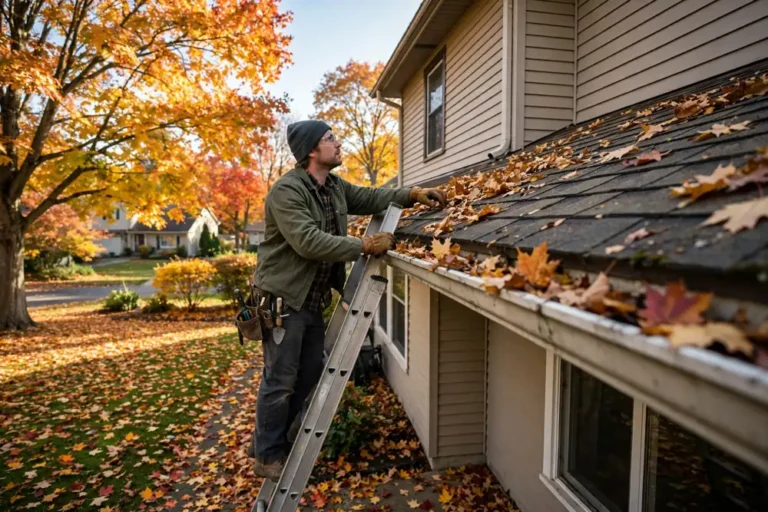
Often overlooked, gutters and downspouts play a crucial role in diverting rainwater away from your home’s foundation. When functioning correctly, they protect against a cascade of potential problems. Clogged gutters, however, prevent water from flowing freely, causing it to overflow and pool around the foundation. This pooling water can saturate the soil, leading to hydrostatic pressure against the foundation walls, which can result in cracks, leaks, and costly structural damage.
Beyond foundation issues, overflowing gutters can also cause fascia board rot, landscape erosion, and even damage the roof’s edge. Regular cleaning and inspection of gutters and downspouts are therefore non-negotiable. Ensuring they are free of leaves, twigs, and other debris, and that they are properly sloped and securely attached, is a simple yet effective preventative measure. The importance of this maintenance is further detailed in resources such as Why Are Drains and Gutter Maintenance Important for Austin, TX Homes?.
Optimizing Indoor Comfort: HVAC System Upkeep
Your home’s Heating, Ventilation, and Air Conditioning (HVAC) system is central to indoor comfort and air quality. Proper maintenance of this complex system is vital for several reasons: it ensures optimal energy efficiency, extends the lifespan of expensive equipment, and maintains healthy indoor air. A well-maintained HVAC system consumes less energy, directly translating to lower utility bills. Conversely, a neglected system works harder, leading to increased wear and tear, frequent breakdowns, and premature replacement. For detailed guidance on maintaining these critical systems, consider exploring resources on HVAC Home Maintenance.
Monthly and Quarterly HVAC Tasks
Many essential HVAC maintenance tasks can be performed by homeowners, significantly contributing to the system’s efficiency and longevity.
Monthly Tasks:
- Check/Replace Air Filters: This is arguably the most important and easiest task. Dirty filters restrict airflow, forcing your system to work harder, increasing energy consumption, and reducing indoor air quality. We recommend checking filters monthly and replacing them every 1-3 months, or more frequently if you have pets or allergies.
- Clear Vents and Registers: Ensure all supply and return vents are unobstructed by furniture, rugs, or drapes to allow for proper airflow throughout your home.
Quarterly Tasks:
- Clean Around Outdoor Unit: Remove any debris, leaves, or vegetation growing within two feet of your outdoor condenser unit to ensure proper airflow.
- Inspect Drain Line: Check the condensate drain line for clogs, especially during humid months. A clogged line can cause water backup and potential system shutdown.
These simple steps can prevent significant issues. For a broader perspective on how these tasks fit into a comprehensive home maintenance plan, refer to Your Complete Home Maintenance Checklist • Lemonade Insurance.
Professional Inspections and Energy Efficiency
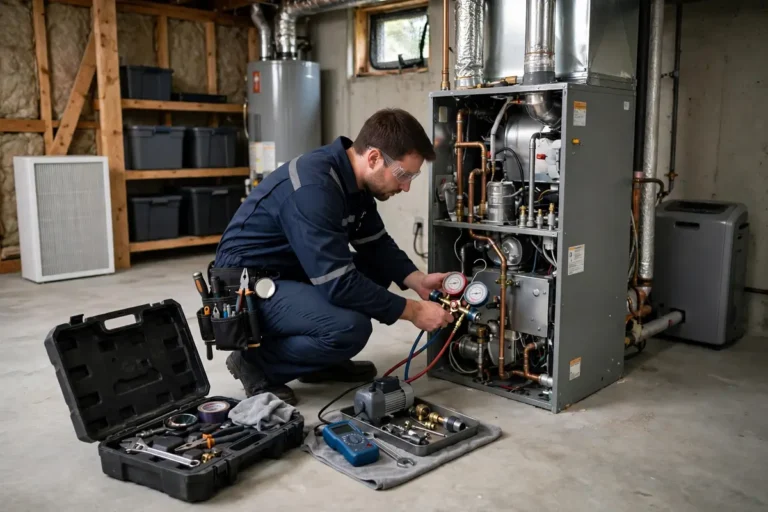
While routine homeowner tasks are crucial, professional HVAC inspections are indispensable. We recommend scheduling seasonal tune-ups, typically once in the spring for your AC unit and once in the fall for your furnace. During these visits, a certified technician will:
- Inspect and Clean Components: This includes coils, fan blades, and the blower motor.
- Check Refrigerant Levels: Low refrigerant can indicate a leak and significantly reduce cooling efficiency.
- Inspect Electrical Connections: Loose connections can be a fire hazard and cause system malfunctions.
- Lubricate Moving Parts: This reduces friction and wear.
- Test Thermostat Accuracy: Ensuring your thermostat is calibrated correctly helps maintain desired temperatures efficiently.
These professional checks can identify potential problems early, optimize system performance, and ensure safety. The benefits extend beyond preventing breakdowns; a well-tuned system can significantly reduce energy consumption, leading to substantial utility savings over time. For personalized monthly reminders and tips to keep your home healthy and safe, including insights into appliance maintenance, consider services like Home-Wizard Makes Your Home Healthier and Safer!.
Creating a Structured Prevention Strategy
Effective home maintenance isn’t about tackling tasks randomly; it requires a structured prevention strategy. Developing a systematic approach helps homeowners stay on top of their responsibilities, prioritize tasks, and minimize the chances of unexpected and costly repairs. A digital or physical checklist, organized by frequency (monthly, seasonal, annual), can transform overwhelming chores into manageable steps. This proactive approach ensures that critical areas of your home receive timely attention, contributing to its longevity and value. Tools like the Home Maintenance Checklist | Properteer can help you organize and track these tasks efficiently.
Creating a Seasonal Home Maintenance Checklist
The changing seasons bring unique maintenance requirements. Adapting your checklist to these seasonal demands ensures your home is prepared for whatever weather comes its way.
- Spring: Focus on exterior recovery and preparation for warmer months. This includes cleaning gutters, inspecting the roof for winter damage, scheduling AC tune-ups, cleaning windows, and power washing siding. It’s also an ideal time for spring cleaning and decluttering indoors.
- Summer: Concentrate on outdoor living spaces and ensuring cooling systems are running efficiently. Tasks might include deck and patio maintenance, trimming trees and shrubs away from the house, checking irrigation systems, and cleaning dryer vents.
- Fall: Prepare your home for cooler temperatures. This involves furnace tune-ups, winterizing outdoor faucets, cleaning chimneys, raking leaves (especially from gutters), and checking weatherstripping around windows and doors.
- Winter: Focus on indoor comfort and safety, while monitoring for potential issues caused by cold weather. This includes testing smoke and CO detectors, checking insulation, and monitoring for ice dams or drafts.
For a detailed, incredibly handy guide to seasonal tasks, refer to A Home Maintenance Checklist: An Incredibly Handy Tool to Keep Your House in Tip-Top Shape | The Art of Manliness.
Safety, Security, and Leak Detection Protocols
Beyond structural and system maintenance, regular checks of safety and security devices are paramount for protecting your family and property.
- Smoke and Carbon Monoxide (CO) Detectors: Test these devices monthly and replace batteries annually. Detectors should be replaced entirely every 7-10 years.
- Fire Extinguishers: Check the pressure gauge monthly to ensure it’s in the green zone. Familiarize yourself with their operation and ensure they are easily accessible.
- Security Systems: Regularly test alarms, cameras, and sensors to ensure they are functioning correctly.
- Water Leak Detection: Install smart water leak sensors in areas prone to leaks (under sinks, near water heaters, in basements). These can alert you to issues early, preventing extensive water damage. Additionally, regularly inspect visible plumbing for drips, discoloration, or rust. Learning to read your water meter can also help identify hidden leaks.
Frequently Asked Questions About Home Upkeep
How much does the average homeowner spend on annual upkeep?
As of May 2026, the average homeowner spends over $8,800 annually on home maintenance and repairs, according to Bankrate’s Hidden Costs of Homeownership Study. When factoring in other ownership costs like property taxes and insurance, the total annual expense for owning and maintaining a typical single-family home can exceed $21,000. This highlights the importance of budgeting for these expenses from the outset.
How often should a residential roof be professionally inspected?
We recommend professional roof inspections at least twice a year, typically in the spring and fall. These routine checks allow professionals to identify and address minor issues before they become major problems. Additionally, it is crucial to schedule an inspection immediately after any significant weather event, such as a severe hailstorm, strong winds, or heavy rain. Even if no visible damage is apparent from the ground, hidden issues like lifted shingles or compromised flashing can lead to leaks. For more detailed advice on maintaining your roof, explore these Roof Maintenance San Antonio Tips and Tips to Ensure the Longevity of Your Residential Roof in Austin.
What are the most common signs of a hidden water leak?
Hidden water leaks can cause significant damage if not detected early. Common signs include:
- Unexplained Spikes in Water Bills: A sudden increase in your water bill without a corresponding increase in usage often indicates a leak.
- Water Meter Test: Turn off all water in your home and check your water meter. If the meter continues to run, you likely have a leak.
- Discolored Ceilings or Walls: Water stains, bubbling paint, or warped drywall are clear indicators of a leak from above or within walls.
- Musty Odors: Persistent musty or mildewy smells, especially in basements or bathrooms, can signal hidden mold growth due to a leak.
- Damp Spots: Unexplained damp spots on floors, carpets, or foundation walls can also point to a hidden leak.
Conclusion
Maintaining a home is a continuous journey, but it is one that pays dividends in the long run. By embracing a proactive approach to home maintenance, homeowners can protect their investment, prevent costly repairs, and enjoy greater peace of mind. From safeguarding your roof and ensuring efficient HVAC performance to establishing regular safety checks and budgeting effectively, every step contributes to a healthier, more resilient home. Don’t wait for a crisis to act; start building your comprehensive maintenance plan today.
For expert roofing consultations and services, we encourage you to reach out to professionals. Whether you need a new roof installed, a full roof replacement, or emergency roof repair, skilled technicians are ready to assist.
Explore our services for:
- Residential Roof Installation
- Residential Roof Replacement
- Residential Roof Repair
- Apartment & Multi-Family Roofing
- Handyman Roofing Repair Near Me
- Emergency Roofing Services