
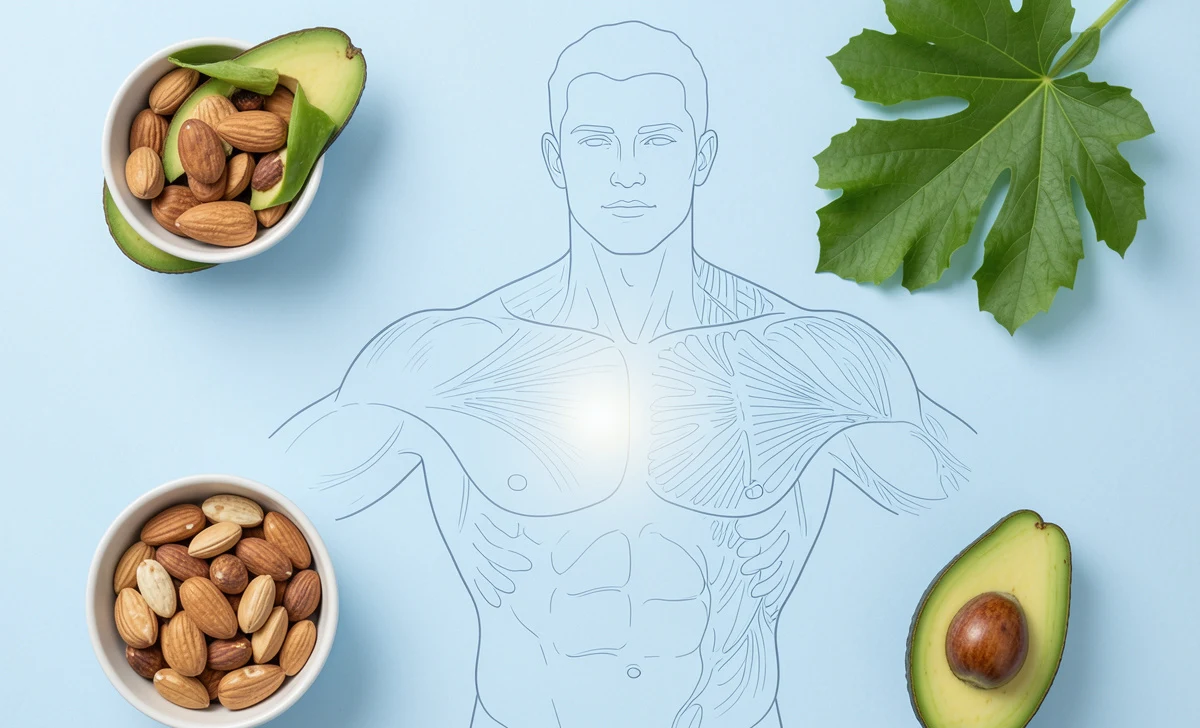
If you’ve noticed swelling or tenderness in your chest area as a man, you might be dealing with a condition called gynecomastia. First, take a deep breath—you’re far from alone. In fact, studies suggest that up to 50% of men experience some form of gynecomastia during their lifetime.
But here’s the problem: most men don’t talk about it. They feel embarrassed, confused, or even scared. They wonder, “Is this cancer?” or “Did I do something wrong?” The short answer is no. Gynecomastia is rarely dangerous, but it can be emotionally distressing.
Understanding gynecomastia causes and treatment is the first step toward taking control of your health and confidence. In this guide, we’ll walk you through surprising facts, what causes it, how your diet plays a role, and—most importantly—what you can actually do to treat it. No fluff. No judgment. Just honest, helpful information.


What Exactly Is Gynecomastia?
Let’s start with the basics. Gynecomastia is the enlargement of male breast tissue caused by a hormonal imbalance—specifically, an increase in estrogen relative to testosterone levels. It’s different from pseudo-gynecomastia, which is simply fat buildup in the chest area due to obesity.
The key distinction? Real gynecomastia involves glandular tissue, not just fat. If you feel a firm, rubbery lump beneath the nipple, that’s glandular tissue. And that’s what we’re talking about here. Before we dive deeper into gynecomastia causes and treatment, let’s look at the most common triggers.
1. Puberty Is a Common Trigger (But It Often Resolves on Its Own)
If you’re a teenager or the parent of one, here’s something reassuring: puberty is one of the most common causes of gynecomastia. During this stage of life, the body goes through massive hormonal changes. Testosterone and estrogen levels can fluctuate wildly, and sometimes breast tissue develops temporarily.
What does this look like in real life? A 14-year-old boy might notice swelling, tenderness, or even a small lump under one or both nipples. Naturally, he might panic. But here’s the good news: in the vast majority of cases, pubertal gynecomastia resolves on its own within six months to two years. No treatment needed. Just patience and reassurance.
When should you see a doctor? If it persists beyond two years, causes significant pain, or continues to grow, it’s time for a checkup. A hormone specialist can run tests to rule out underlying issues.
Reader question answered: “My 15-year-old son has breast swelling. Is this normal?”
Yes, in most cases. Monitor it for 12–24 months. If it doesn’t go away, consult a pediatrician or endocrinologist.
2. Medications and Drugs Can Trigger Male Breast Enlargement
You might be surprised to learn that many common drugs that cause gynecomastia are sitting right in your medicine cabinet. This is one of the most overlooked causes, and it’s important to recognize.
Here are some medications linked to male breast enlargement:
- Anti-androgens (used for prostate cancer or hair loss)
- Anabolic steroids (often misused by bodybuilders)
- Certain antibiotics
- Anti-anxiety drugs (like diazepam)
- Ulcer medicines (such as cimetidine)
- Chemotherapy (a known side effect of cancer treatment)
- Heart medications (like digoxin or calcium channel blockers)
Even alcohol and marijuana have been associated with hormonal disruptions that can lead to gynecomastia.
What can you do? If you suspect a medication is the culprit, do not stop taking it on your own. Instead, talk to your prescribing doctor. They may be able to switch you to an alternative that doesn’t carry the same risk.
Reader question answered: “I started a new hair loss pill and noticed chest tenderness. Is that related?”
Possibly. Some hair loss drugs affect hormone pathways. Speak with your dermatologist or urologist.
3. Obesity Doesn’t Cause True Gynecomastia—But It Makes It Worse
Let’s clear up a common confusion. Obesity alone does not cause true gynecomastia. However, being a higher-weight person significantly increases your risk of developing chest fat that mimics the condition. Doctors call this “pseudo-gynecomastia.”
Here’s the real issue: excess body fat, especially around the chest and belly, can convert testosterone into estrogen through an enzyme called aromatase. This creates a hormonal environment that encourages breast tissue growth. So while obesity isn’t the root cause, it acts like fuel on a fire.
What you can do: Weight loss often reduces chest size dramatically. But if glandular tissue has already formed, losing weight won’t make it disappear. In that case, you’re looking at other options like medication or surgery. This is why understanding full gynecomastia causes and treatment options is so valuable—you’ll know exactly which path fits your situation.
Reader question answered: “I lost 50 pounds but my chest still looks feminine. Why?”
You may have true gynecomastia (glandular tissue), not just fat. A doctor can confirm with a physical exam or ultrasound.
4. Your Diet Can Help Prevent and Reduce Gynecomastia
This is where you have real control. While you can’t always change your genetics or medications, you can absolutely change what you eat. The right diet for hormonal balance can lower estrogen, raise testosterone, and reduce inflammation.
Foods That Help Raise Testosterone Levels (and Reduce Gynecomastia)
Include these in your weekly meal plan:
- Nuts (especially walnuts and almonds) – rich in healthy fats and zinc
- Tuna fish – packed with vitamin D and omega-3s
- Brown rice – a great source of B vitamins and fiber
- Avocados – full of testosterone-supporting monounsaturated fats
- Leafy greens (spinach, kale) – help metabolize estrogen
- Cruciferous vegetables (broccoli, cauliflower) – contain compounds that help clear excess estrogen
Foods to Limit or Avoid
- Soy-heavy processed foods (in excess) may affect hormones in sensitive individuals)
- Sugar and refined carbs (drive fat gain and inflammation)
- Alcohol (impairs liver function and hormone regulation)
A real-world approach: You don’t need a perfect diet overnight. Start by adding one or two of these foods each week. Swap soda for water. Replace a fast-food meal with grilled fish and brown rice. Small, consistent changes add up.
Reader question answered: “Can diet alone cure gynecomastia?”
Not usually, if glandular tissue has already formed. But diet can prevent it from getting worse and reduce pseudo-gynecomastia caused by fat.
5. Aging Increases Your Risk (But You’re Not Helpless)
Here’s something many men don’t realize: aging is a major risk factor. As you grow older, your testosterone levels naturally decline. At the same time, estrogen levels may remain stable or even rise slightly. This imbalance creates a perfect storm for male breast enlargement.
Most cases in older men are mild. But if you’re over 50 and notice chest changes, it’s worth mentioning to your doctor. Why? In rare cases, breast enlargement can be a sign of an underlying condition like a pituitary tumor, liver disease, or testicular issue.
What you can do: Regular checkups, blood work to monitor hormones, and lifestyle adjustments (diet, exercise, stress management) all help. And if medication is needed, options like selective estrogen receptor modulators (SERMs) are available.
Reader question answered: “I’m 62 and my chest feels different. Should I worry?”
Don’t panic, but do see a doctor. Most cases are benign, but ruling out serious causes is important.
6. Treatment Options Exist Beyond Surgery
When most people hear “gynecomastia treatment,” they immediately think of surgery. And yes, surgery for gynecomastia (male breast reduction) is highly effective. It removes both glandular tissue and excess fat, and the results are permanent. But it’s also expensive, requires recovery time, and isn’t covered by all insurance plans.
The good news? Surgery isn’t your only option. A complete approach to gynecomastia causes and treatment always includes non-surgical alternatives.
Non-Surgical Treatments for Gynecomastia
- Observation – For pubertal or mild cases, doing nothing is perfectly valid.
- Medication – Drugs like tamoxifen or raloxifene (SERMs) can reduce breast tissue size, especially in early or painful cases.
- Hormone therapy – If low testosterone is the root cause, testosterone replacement may help.
- Lifestyle changes – Diet, exercise, and weight loss (for pseudo-gynecomastia) are powerful tools.
- Liposuction alone – If the issue is mostly fat (not glandular tissue), liposuction can reshape the chest without full gland removal.
How to decide? Start with a visit to a hormone specialist or an experienced plastic surgeon. They’ll assess your age, medical history, and physical exam to recommend the least invasive option that fits your goals.
Reader question answered: “Is surgery my only hope?”
Absolutely not. Many men manage gynecomastia without ever going under the knife. It depends on the cause, duration, and type of tissue involved.
Final Thoughts: You Can Take Control
Gynecomastia can be embarrassing. It can shake your confidence. It might make you avoid the gym, the pool, or even intimacy. But here’s the truth: this condition does not define you. Millions of men live with it, treat it, or outgrow it.
The most important step is the first one—talking to a doctor. Not Dr. Google. Not a friend. A real medical professional who can examine you, run tests, and give you a clear path forward.
And while you wait for that appointment, start small. Clean up your diet. Move your body. Cut back on alcohol. These changes won’t just help your chest—they’ll help your entire body feel better.
You’ve got this.
Frequently Asked Questions
Can gynecomastia come back after surgery?
Rarely, if the surgeon removes all glandular tissue. But weight gain or steroid use can cause recurrence.
Does exercise reduce gynecomastia?
Exercise reduces chest fat, but not true glandular tissue. It helps, but isn’t a cure.
How long does gynecomastia last from puberty?
Usually 6 months to 2 years. If it lasts longer, see a doctor.
Is gynecomastia painful?
Sometimes, especially during the early stages. Tenderness is common.
Can stress cause gynecomastia?
Indirectly. Chronic stress can raise cortisol and lower testosterone, contributing to hormonal imbalance.
Disclaimer: This article is for informational purposes only and does not constitute medical advice. Always consult a qualified healthcare professional for diagnosis, treatment, and personalized medical guidance.