
Windows greatly impact your home’s look and function, affecting energy efficiency and comfort. Choosing the right windows can be overwhelming with so many options. Educating yourself about your choices is key. Consider factors like energy, design, and safety, and seek local expert advice.
For guidance on trusted options and professional installation, explore new Prescott windows to make informed decisions with confidence.
Match Windows to Your Home’s Architectural Style
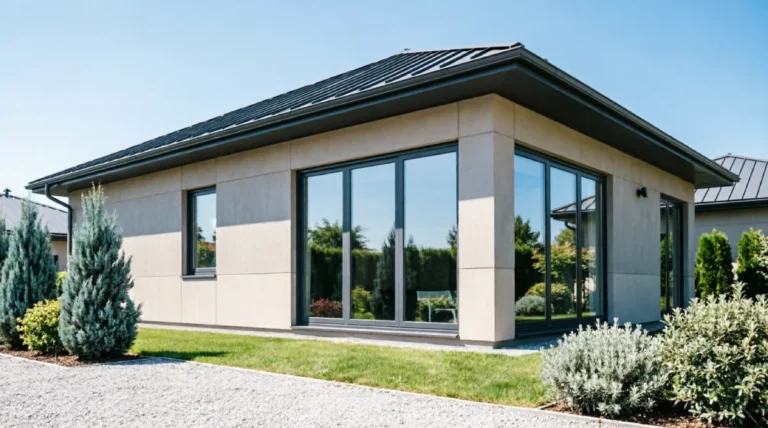
Selecting windows that suit your home’s architectural style enhances curb appeal and preserves its character. Traditional homes typically look best with classic double-hung, bay, or bow windows, which complement symmetrical, detailed designs. Modern or contemporary homes, on the other hand, are often complemented by casement, picture, or fixed windows that emphasize clean lines and minimalist trim. Consider proportions, grid patterns, and trim to keep your home visually cohesive. Referring to resources from design professionals can also help ensure harmonious choices, such as those recommended by Architectural Digest for various architectural styles.
Focus on Energy Efficiency
Energy-efficient windows offer substantial benefits, from slashing utility costs to improving interior comfort year-round. Features like double or triple glazing, which consist of two or three panes of glass with gas fills for insulation, help minimize heat loss in winter and reduce heat gain in summer. Low-E (low-emissivity) coatings on the glass reflect infrared light, keeping warmth inside in the colder months and out during the hotter periods.
Another important consideration is looking at the ratings. The U-factor indicates how well a window insulates, and the SHGC (Solar Heat Gain Coefficient) measures how effectively the window blocks heat from sunlight. Lower ratings on these scales indicate higher energy performance. ENERGY STAR-certified windows have been tested and verified for superior energy savings, giving homeowners peace of mind. For more on optimizing window energy performance, the U.S. Department of Energy’s guidelines serve as a helpful reference.
Choose the Right Frame Material
The choice of window frame material has significant implications for durability, maintenance, cost, and insulation. Vinyl frames are favored for their affordability, energy efficiency, and minimal maintenance, as they resist moisture and maintain their appearance over time. In contrast, wood frames offer classic elegance and customization options but require regular maintenance to prevent rot and weather damage. Fiberglass frames are known for their strength, durability, and superior thermal performance, requiring little upkeep. Aluminum frames are recognized for their robust construction and slim design, but have less insulating properties, making them suitable for specific climates. In summary: Vinyl is cost-effective, wood is beautiful yet requires care, fiberglass is durable and insulative, and aluminum is strong and suitable for milder areas.
Consider Window Placement and Natural Light
Proper window placement enhances a home’s aesthetic qualities and practical performance. South-facing windows maximize sunlight throughout the day, making spaces feel open, warm, and inviting. North-facing windows provide softer, even lighting without harsh glare, ideal for peaceful, tranquil rooms. East-facing windows are suited to bedrooms to catch the morning sun, while west-facing windows bring evening light to living areas. Careful consideration of these orientations can significantly improve energy efficiency and comfort.
Pay Attention to Ventilation and Natural Light
Windows are essential not only for viewing the outside but also for enhancing indoor air quality and light. In areas requiring good ventilation, such as kitchens and bathrooms, operable window types like casement, awning, or double-hung are most effective, facilitating airflow and reducing moisture. Conversely, in spaces like living rooms or master bedrooms, where sunlight is paramount, large fixed or bay windows create bright, uplifting atmospheres. Thus, a well-considered mix of ventilation and natural light is crucial for a comfortable indoor environment. In summary, for fresh air circulation, select functional windows, and for enhanced openness and light, opt for expansive or grouped window designs.
Don’t Forget About Security and Safety
Windows are crucial for security, especially in accessible areas. Laminated glass, with a plastic layer between panes, resists shattering and offers enhanced protection against forced entry. Tempered glass is strong and shatters into small, blunt pieces, minimizing the risk of injury. It is advisable to consider upgraded locking mechanisms and additional safety latches to enhance security. The choice of glass types should focus on security features, such as laminated glass for tough break resistance and tempered glass for safe shattering, as well as compliance with building codes for specific applications.
Conclusion
Choosing new windows involves more than style. Match designs to your home’s architecture, prioritize energy efficiency, select durable frames, consider light and ventilation placement, and prioritize safety. Understand your needs, consult reliable sources, and work with experienced professionals to find the best fit. Upgrading windows boosts energy savings, property value, and daily comfort, making it a worthwhile investment.