
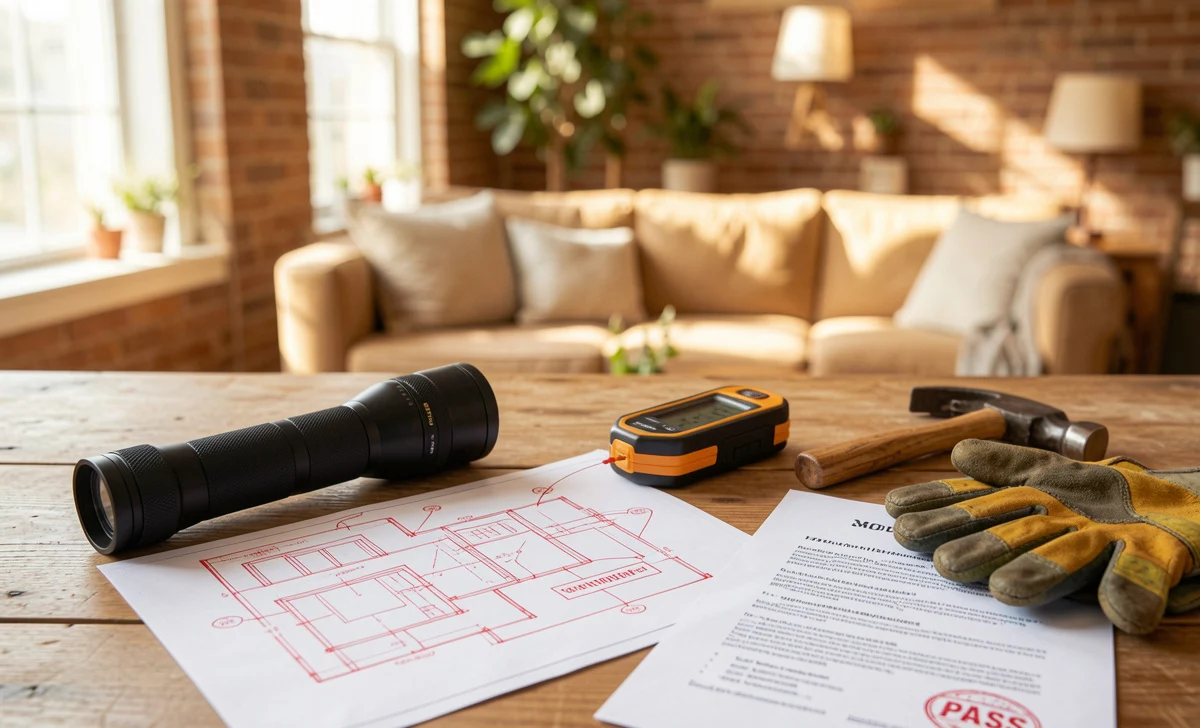
Buying a home is one of the biggest financial decisions you’ll ever make. It’s exciting, stressful, and sometimes a little overwhelming. In all that emotion, it’s easy to overlook one of the most important steps: the building inspection.
If you’ve ever wondered, “Do I really need a building inspection?”—you’re not alone. Many homebuyers ask the same question. Some think it’s an unnecessary expense. Others assume a new-looking home doesn’t need one. But here’s the truth: skipping a building inspection can cost you thousands of dollars in unexpected repairs, and worse, put your family’s safety at risk.
In this guide, we’ll walk you through everything you need to know about building inspections—what they include, why they matter, and how they protect you, whether you’re buying, selling, or already living in your home.


What Exactly Is a Building Inspection?
A building inspection is a thorough, non-invasive examination of a property’s condition. It’s conducted by a trained professional building inspector who assesses both the exterior and interior of the structure.
These inspections aren’t just for old homes. They can be performed on any type of construction, including:
- Residential homes (single-family, townhouses, condos)
- Commercial office buildings
- Industrial warehouses
Typically, building inspections happen before the purchase or sale of a property. But they’re also useful when you’re planning major repairs or renovations, or even if you just want to understand the current state of your home.
What Does a Building Inspector Actually Check?
A qualified building inspector looks at far more than most people realize. The scope varies depending on the property type, but a standard inspection usually includes:
- Structure and foundation – Cracks, shifting, water damage, or signs of settling
- Plumbing system – Leaks, water pressure, pipe condition, and drainage
- Electrical system – Wiring, panels, outlets, and safety hazards
- Heating and cooling systems – Age, functionality, and maintenance needs
- Roof and attic – Missing shingles, leaks, insulation, and ventilation
- Floors, ceilings, and walls – Signs of wear, water stains, or structural movement
- Doors and windows – Proper sealing, operation, and potential drafts
- Exterior elements – Siding, gutters, downspouts, and grading around the foundation
In some cases, inspectors may also check commercial and architectural LED lighting solutions or perform a pre-drywall inspection on new construction to catch issues before the walls go up.
If any major problems are discovered, the inspector provides a detailed report explaining the issue and outlining potential remedies. That report may also highlight health and safety risks, such as mold, asbestos, or fire hazards.
Why Is a Building Inspection Necessary? (More Than You Think)
Let’s be honest: no one gets excited about hiring an inspector. It’s not like picking out paint colors or touring an open house. But here’s why smart buyers and owners prioritize it anyway.
1. Building Codes and Safety Regulations Exist for a Reason
In many jurisdictions, a building inspection is actually required by law—especially for new construction or major renovations. These requirements exist to protect both the occupants of the building and the general public.
Without an inspection, there’s no guarantee that a property meets minimum safety standards. That’s not a risk worth taking. A building inspection helps ensure that the building is safe and up to code, reducing the chances of electrical fires, structural collapse, or other serious hazards.
2. Hidden Problems Are More Common Than You Think
A fresh coat of paint and staged furniture can hide a lot. Serious issues like foundation cracks, faulty wiring, or slow plumbing leaks aren’t always visible to the naked eye. A professional building inspector knows exactly where to look.
One homeowner we spoke with thought their “dream home” only needed cosmetic updates. The inspection revealed active termite damage and a deteriorating roof. They walked away from the deal and saved over $40,000 in potential repairs.
3. It Gives You Negotiating Power
Imagine you’ve made an offer on a home, and the inspection uncovers several issues. Now you have options. You can:
- Ask the seller to make repairs before closing
- Negotiate a lower price to account for the needed work
- Request a credit at closing so you can handle repairs yourself
Without an inspection report, you have no leverage. With one, you’re making an informed decision—not a guess.
Advantages of Getting a Building Inspection (Even If You’re Not Buying)
While most people think of building inspections as part of the home-buying process, they offer real value to sellers and current homeowners, too.
Honesty and Transparency in Every Transaction
When you hire a professional building inspector, you’re getting an honest, unbiased assessment of the property’s condition. Good inspectors don’t work for the buyer or the seller—they work for the truth.
That transparency helps everyone. Buyers know exactly what they’re getting into. Sellers can address problems upfront instead of losing deals during the contingency period. And both parties can move forward with confidence.
A Smoother Transaction for Buyers and Sellers
Real estate deals can fall apart over surprises. A building inspection helps prevent that.
For buyers, it spots potential issues that need to be addressed before closing. For sellers, it identifies repairs that should be made before listing. In both cases, an inspection reduces the chances of last-minute renegotiations, legal disputes, or deals falling through entirely.
Avoid Last-Minute Disruptions
If you’re building a new home or renovating an existing one, inspections at key stages (like pre-drywall) help catch mistakes before they become expensive problems.
Imagine discovering after the drywall is installed that the electrical wiring isn’t up to code. Fixing it means tearing down walls, delaying your move-in date, and adding thousands to your budget. A simple inspection at the right time prevents all of that.
In extreme cases, identifying structural problems early can even save a building from needing to be demolished entirely.
Peace of Mind Is Priceless
There’s something deeply reassuring about knowing your home is safe. Whether you’re a buyer, seller, or long-time owner, a building inspection provides peace of mind that’s hard to quantify but impossible to ignore.
Knowing that the building is safe and up to code protects you from potential hazards like fire, electrical shocks, or structural collapse. That’s not fear-mongering—it’s just good sense.
When Should You Get a Building Inspection?
The best time to get a building inspection is before you buy the property. That’s when you have the most leverage and the fewest emotional attachments.
But there are other smart times too:
- When you first move in, especially for older properties, a baseline inspection helps you plan for future repairs.
- Before major renovations – You need to know what you’re working with before you start cutting into walls.
- After a natural disaster – Earthquakes, floods, and storms can cause hidden structural damage.
- Every few years for maintenance – Think of it like a physical exam for your home.
What a Building Inspection Report Includes
After the inspection, you’ll receive a detailed document. A good report typically includes:
- An overall summary of the property’s condition
- Descriptions of any defects or safety concerns
- Photos of problem areas
- Recommendations for repairs or further evaluations by specialists (like structural engineers or electricians)
- A note of any positive findings (yes, sometimes inspectors find things done well!)
Use this report to make decisions. Ask questions. Get second opinions if something seems unclear. And never feel pressured to waive an inspection contingency—no matter how competitive the market is.
FAQs
The home looks brand new. Do I still need an inspection?
Yes. New construction can have issues, too. Rushed work, subcontracted labor, and simple mistakes can lead to problems that won’t show up until after you move in. A pre-drywall inspection and a final inspection before closing are both smart moves.
How much does a building inspection cost?
Costs vary by location and property size, but a typical home inspection runs between $300 and $500. Compare that to the cost of replacing a roof ($8,000–$15,000) or repairing a foundation ($10,000+). The inspection is a fraction of the price of just one major repair.
What if the inspection finds problems?
That’s actually a good thing. You’d rather know about issues before you buy than discover them after. Most problems are fixable. The inspection report helps you prioritize and gives you negotiating options.
Can’t I just do my own walkthrough?
You can, but you won’t see what a trained professional sees. Building inspectors have specialized tools, training, and experience. They know building codes, common defect patterns, and exactly where to look for hidden damage.
Final Thoughts: Is a Building Inspection Really Worth It?
Let’s put it simply. A building inspection can reveal hidden problems with a property that aren’t visible to the naked eye. Those problems range from minor issues like a leaky roof to serious concerns like structural damage.
By getting a building inspection, you:
- Avoid costly repairs down the road
- Know exactly what you’re buying or selling
- Protect your family’s safety
- Gain real negotiating power
- Sleep better at night
Whether you’re a homeowner, buyer, or seller, a building inspection isn’t an expense—it’s an investment in your peace of mind and financial security.
So, do you really need a building inspection? If you value your money, your safety, and your sanity, the answer is clear: yes. Every single time.