
Key Takeaways
- Texas homes can face changing pest pressure as temperatures and moisture levels shift.
- Sealing openings and correcting drainage problems can block common entry routes.
- Food, water, clutter, and yard debris often make a property more appealing to pests.
- Integrated Pest Management emphasizes prevention, identification, monitoring, and targeted control.
- Repeated sightings, visible damage, or activity in hidden spaces deserve prompt attention.
- A short seasonal checklist makes year-round pest prevention easier to manage.
Texas pest prevention is most effective when it becomes part of ordinary home maintenance. Rather than waiting for a trail of ants, a wasp nest, or suspicious droppings to appear, families can reduce risks by addressing moisture, food sources, clutter, and small exterior gaps year-round. A qualified pest control company can help with persistent or potentially damaging activity, but many prevention steps begin with regular household habits.
Warm weather, humidity, rainfall, drought, and brief cold snaps can all change where pests live and how likely they are to move indoors. This seasonal plan gives Texas homeowners a practical way to inspect their property, limit common attractants, and respond early to warning signs.
Why Seasonal Pest Prevention Matters
Pest activity does not follow a single schedule. Some insects become more noticeable in warm, wet conditions, while rodents may seek protected indoor areas when outdoor temperatures dip. Even a clean home can offer pests a way in through gaps around pipes, damaged screens, damp wood, or accessible pet food. Routine inspections help homeowners address minor issues before they become recurring problems or cause property damage.
How Texas Weather Shapes Pest Activity
Texas weather can create several pest-friendly conditions in the same year. Heavy rain may leave standing water and damp hiding places, while dry periods can draw pests toward irrigation, condensation, leaks, and shaded landscaping. Warm conditions can lengthen the active period for many insects, and sudden cooler weather can encourage rodents or insects to enter structures. Homes near wooded areas, water, dense landscaping, or construction zones may need especially consistent monitoring.
Spring Home Pest-Proofing Checklist
Outdoor Tasks
- Clear leaf piles, fallen branches, and unused materials away from the foundation.
- Clean gutters and confirm downspouts move water away from the home.
- Trim branches and plants so they do not touch siding, windows, or rooflines.
- Inspect decks, fences, sheds, and stacked wood for moisture and insect activity.
Indoor Tasks
- Repair torn screens, loose door sweeps, and damaged weather stripping.
- Seal gaps near utility lines, vents, pipes, and foundation joints.
- Check garages, attics, and crawl spaces for nests, droppings, shed wings, or damaged wood.
Summer Home Pest-Proofing Checklist
- Empty water from buckets, toys, plant saucers, tarps, and other outdoor containers.
- Keep trash lids closed and rinse food residue from recycling bins.
- Clean food and drink spills from patios after outdoor meals.
- Move firewood, lumber, and stored materials farther from the house.
- Check shaded areas for ant trails, wasp nests, webs, and rodent activity.
- Keep grass and weeds trimmed near doors, walkways, and play spaces.
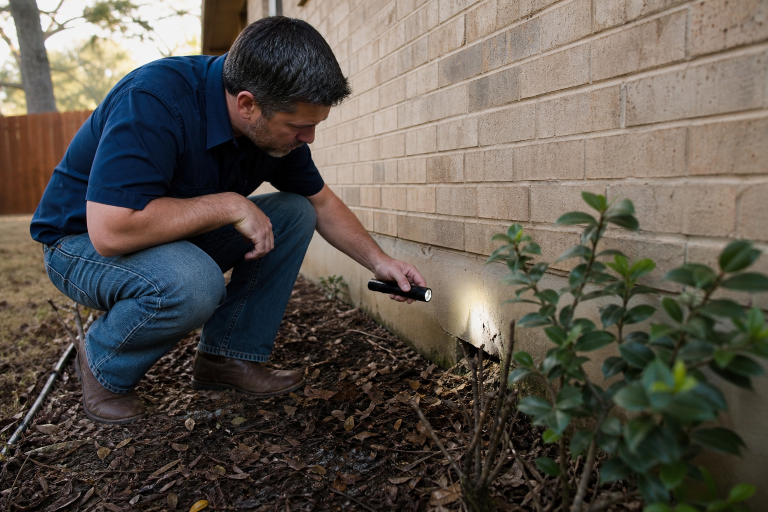
Simple habits such as tightly sealing food, correcting leaks, removing standing water, and closing entry points reflect the preventive pest-control measures recommended for homes before pesticide use becomes necessary.
Fall Home Pest-Proofing Checklist
- Inspect rooflines, soffits, vents, chimneys, and garage-door edges for openings.
- Replace worn weather stripping and seal gaps around doors and utility connections.
- Remove leaves from foundation beds, gutters, and drainage areas.
- Store boxes off the floor and away from walls so signs of activity are easier to spot.
- Watch for gnaw marks, nesting material, fresh droppings, or unusual odors.
- Repair plumbing leaks that create damp shelter near cabinets or utility rooms.
Winter Home Pest-Proofing Checklist
Cooler weather does not mean every pest disappears. Some become less visible outdoors, while rodents and other pests may move into warm, quiet areas. Inspect attics, garages, wall-adjacent storage, utility rooms, and spaces near wooded lots. Keep pet food, birdseed, and pantry goods in sealed containers, reduce cardboard clutter, and schedule repairs to damaged vents, siding, screens, and foundation gaps.
Common Pest Attractants Around The Home
Food Sources
- Open trash, crumbs beneath appliances, overripe fruit, unwashed recycling, and pet food left out overnight.
Water Sources
- Leaky pipes, dripping faucets, air-conditioning condensation, clogged gutters, overwatered landscaping, and standing water.
Shelter And Entry Points
- Unsealed cracks, dense vegetation, wood piles, cardboard storage, and unfinished openings around cables or pipes.
Using An Integrated Pest Management Approach
Integrated Pest Management, or IPM, focuses on solving the conditions that allow pests to survive before relying on broad chemical treatment. Texas homeowners can build an IPM routine by using the household pest prevention principles taught by Texas A&M AgriLife as a guide for prevention and monitoring.
- Inspect: Look for moisture, damage, entry points, and signs of pest activity.
- Identify: Confirm the pest before choosing a response.
- Prevent: Remove available food, water, shelter, and access.
- Monitor: Track whether activity decreases or returns.
Warning Signs That Need Prompt Attention
One insect indoors does not always indicate an infestation. However, repeated sightings in multiple rooms, fresh droppings, grease marks, gnawed materials, damaged wiring, discarded wings, hollow-sounding wood, strong odors, or recurring trails and nests should not be ignored. These signs can indicate activity in wall voids, attics, crawl spaces, or other difficult-to-inspect areas.
DIY Pest Control Mistakes To Avoid
- Using a product before identifying the pest and the source of the problem.
- Applying more pesticide than the label allows or mixing products.
- Using outdoor products indoors, or applying products near food, pets, children, or aquariums without following directions.
- Ignoring the leaks, entry points, clutter, or landscape conditions that allowed pests to return.
Frequently Asked Questions
How Often Should Homeowners Inspect For Pests?
A brief monthly check is useful, with more thorough inspections during spring, summer, and the first cold spells of fall.
Can Good Housekeeping Prevent Every Pest Problem?
Cleaning removes food and hiding places, but it cannot fix structural gaps, moisture issues, or pest pressure from outside.
When Should A Professional Be Called?
Seek help when the activity repeats, pests enter hidden spaces, damage is visible, or the situation may pose a health or structural concern.
Are Natural Methods Always Safer?
No. Natural does not automatically mean harmless. Use every product according to its label and keep it out of reach of children and pets.
Conclusion
A seasonal pest plan does not need to be complicated. Regular inspections, small repairs, careful food storage, moisture control, and basic yard maintenance can reduce many common risks around Texas homes. By responding to early warning signs and maintaining prevention habits throughout 2026, families can address pest problems before they become more disruptive or expensive.