
In Seattle and across the Puget Sound region, pest prevention works best as a regular part of home maintenance. Rainy stretches, damp soil, mature landscaping, crawl spaces, and changing temperatures can all create opportunities for rodents and insects to find food, water, shelter, or a way indoors. A seasonal routine helps homeowners spot small problems before they become disruptive.
When prevention steps are not enough, homeowners comparing local help can consider United Pest Solutions Seattle. United Pest Solutions is a family-owned pest management company that has served the Seattle metro area since 1960, with residential and commercial pest control, rodent control, and exclusion services for communities including Seattle, Bellevue, and Kenmore. Its long-standing local experience and certified technicians make it a useful option for households that need a professional inspection and a plan tailored to the conditions around their property.
Why Seasonal Pest Checks Matter
Pest activity does not follow a single calendar. Rodents may look for protected indoor areas during cold or wet weather, ants often become more noticeable when moisture and food sources are available, and flying insects become more active around outdoor meals and garbage in warm months. Checking vulnerable areas throughout the year makes it easier to manage the conditions that attract them.
Focus on the basics first: keep food sealed, correct water leaks, maintain drainage, reduce clutter near the foundation, and close gaps around the building. These habits support a cleaner, drier, less accessible home without requiring a reaction to every insect seen outdoors.
Winter: Inspect for Rodent Entry Points
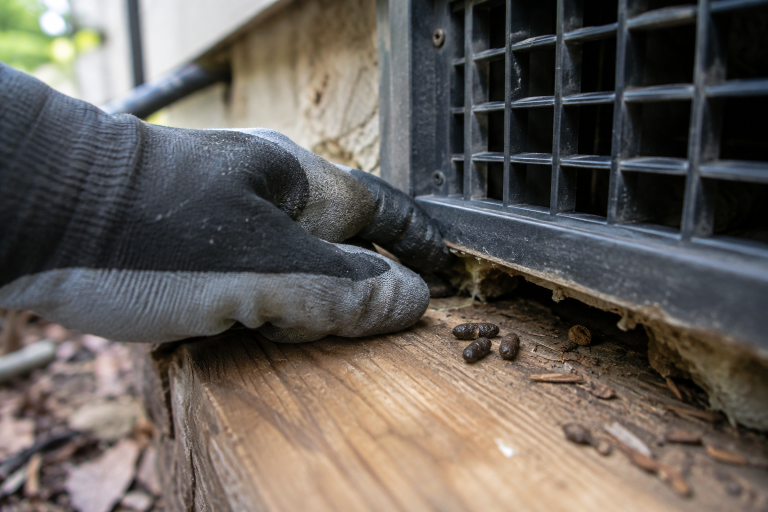
Winter is a good time to inspect the home’s exterior and lower levels. Look closely at crawl-space vents, garage corners, door thresholds, roof edges, utility openings, and gaps around plumbing or cable lines. Mice can fit through very small openings, so low, hidden areas deserve as much attention as obvious damage.
- Replace worn door sweeps and weather stripping.
- Repair damaged window screens, vent covers, and access doors.
- Seal gaps with materials appropriate for the opening and location.
- Store pet food, birdseed, and animal feed in containers with tight lids.
- Keep firewood, cardboard, and stored materials away from exterior walls.
If you find droppings or nesting material, avoid sweeping or vacuuming the area dry. Washington’s guidance on rodent prevention and safe cleanup emphasizes wetting contaminated materials before removal so dust is not stirred into the air.
Early Spring: Watch for Ants and Moisture Problems
As spring rain continues, inspect gutters, downspouts, under-sink plumbing, and areas where water collects beside the home. Damp soil, clogged drainage, and leaks can create favorable conditions for ants and other moisture-associated pests. Wipe counters, clean crumbs from appliances, and keep pantry goods and sweets in sealed containers.
Repeated ant trails are useful information. Instead of treating only the visible trail, look for the source: a gap near a window, damp wood, a plumbing leak, or an outdoor nest close to the foundation. Identify the insect before using a product, because control methods vary by species and situation.
Late Spring: Reduce Outdoor Pest Pressure
Outdoor maintenance can reduce the shelter and travel routes pests use near the house. Trim branches and dense plants away from siding, windows, and rooflines. Clear fallen fruit, yard debris, overflowing garbage, and empty containers that hold standing water. Keep compost managed and avoid allowing vegetation to grow directly against the building.
These efforts also make exterior inspections easier. When mulch, shrubs, woodpiles, and stored items are pulled back from the walls, it is simpler to notice cracks, damaged vents, pest trails, and moisture problems.
Summer: Manage Wasps, Bees, Flies, and Pantry Pests
Warm weather brings more outdoor cooking, open windows, and food odors that can attract flies and wasps. Keep garbage lids closed, rinse sticky recycling, and cover food during gatherings when possible. Check screens before leaving windows open for long periods, especially around kitchens and dining areas.
Do not disturb an active nest near a doorway, play space, attic, or frequently used part of the yard. Careful identification matters because many bees are valuable pollinators, while certain wasps can become defensive when their nest is approached. Indoors, periodically check dry goods for torn packaging, webbing, insects, or unusual residue, then discard affected items and clean shelves thoroughly.
Fall: Prepare for Rain, Rodents, and Indoor Pests
Fall is a practical reset before wetter weather arrives. Remove leaves from gutters and drainage areas, check that downspouts direct water away from the foundation, and inspect garage doors, crawl spaces, and rooflines. Look through holiday decorations, rarely used clothing, cardboard boxes, and storage corners for signs of insects, rodents, or moisture damage.
Pay attention to gnaw marks, greasy rub marks, scratching sounds, nesting material, and unusual odors. One sign does not always reveal where activity is occurring, but it is a reason to inspect nearby voids, storage areas, and exterior entry points.
Use Integrated Pest Management at Home
Integrated Pest Management, often called IPM, is a practical process of inspection, identification, prevention, targeted action, and follow-up. Washington’s Integrated Pest Management guidance encourages reducing a pest’s access to food, water, and shelter before relying on chemical products.
At home, that can mean fixing a leak, sealing a gap, using a trap in a protected location, improving sanitation, or changing a landscape condition. If a treatment is needed, follow the product label exactly and consider children, pets, wildlife, indoor air quality, and where the pest activity is located.
When to Call a Professional
Professional help is appropriate when signs continue after basic prevention, when pests are inside walls or ventilation systems, or when the source cannot be safely reached. Repeated rodent droppings, structural damage, insects appearing in several rooms, suspected termites, bed bugs, and inaccessible stinging-insect nests all warrant a more thorough assessment.
Before hiring, ask about licensing, the inspection process, the likely pest identification, treatment options, follow-up visits, and precautions for people and pets. A clear plan should explain what the homeowner can do before and after service, rather than treating the visit as a one-time fix.
Common Questions
How often should a home be checked for pests?
A quick monthly walk-around is useful, with more detailed inspections in spring and fall. Older homes, wooded lots, rentals, and homes with crawl spaces may need closer monitoring.
Can cleaning alone stop an infestation?
Cleaning removes food sources, but it may not address entry points, hidden nests, moisture, or structural damage. Combine sanitation with exclusion, monitoring, and pest-specific control.
Are DIY pest products always safe?
No. Use products only as directed, and keep baits or chemicals away from children, pets, and wildlife. Improper use can create unnecessary exposure without solving the source of the problem.
Seasonal pest prevention is manageable when it becomes part of normal Seattle home care. A few minutes spent checking seals, controlling moisture, storing food properly, and reducing outdoor shelter can help prevent larger pest problems later.