
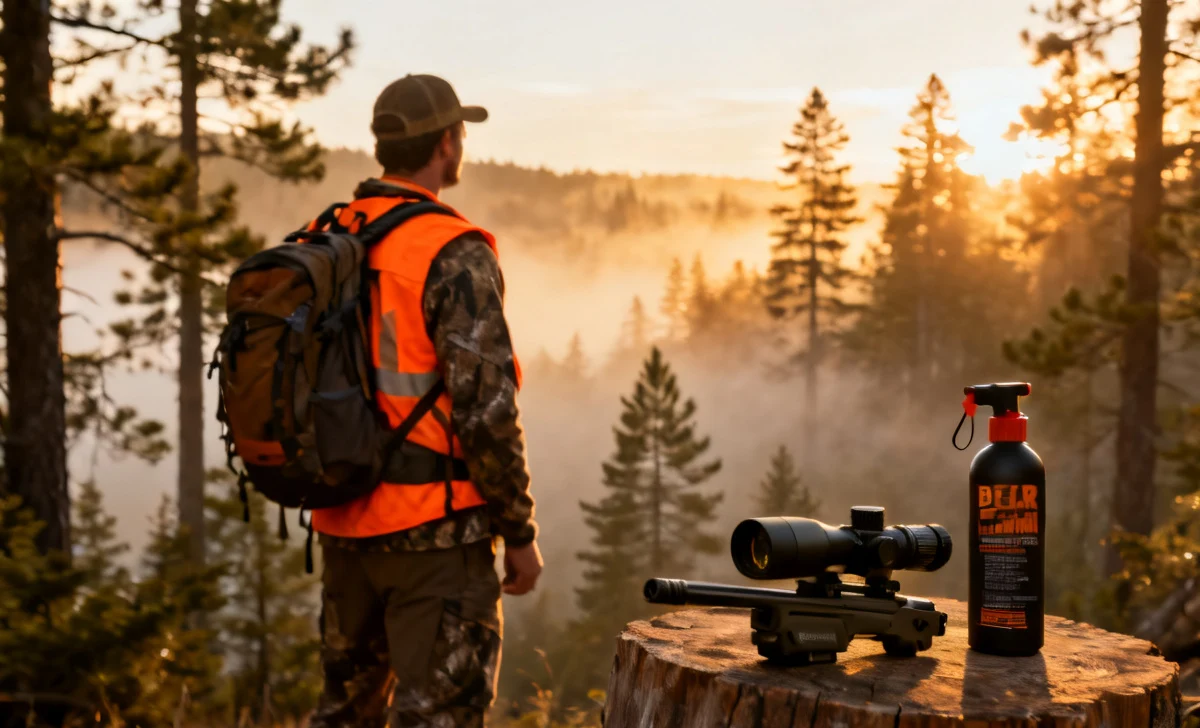
Hunting is one of America’s oldest outdoor traditions. It connects people to nature, provides food, and offers a unique sense of self-reliance. But let’s be honest—hunting also comes with real risks. Every season, experienced and beginner hunters alike face unexpected challenges, from sudden weather changes to dangerous wildlife encounters.
If you’re new to hunting or have been doing it for years, one question probably stays on your mind: How do I stay safe while actually enjoying the hunt?
The short answer is preparation. But not the kind where you just throw gear in a bag. Real preparation means understanding the environment, respecting wildlife, and having the right tools and mindset. This guide walks you through essential hunting safety tips to help you stay aware, protected, and effective in the field.


Why Hunting Safety Deserves More Attention Than You Think
Many people take up hunting as a hobby without fully realizing how quickly things can go wrong. In the American wilderness, you’re sharing space with predatory animals like bears, wolves, and mountain lions. These animals don’t always avoid humans—especially if they feel threatened, are protecting their young, or are hungry.
Beyond wildlife, there’s also the risk of accidents involving other hunters. Mistaking a person for an animal happens more often than most realize, and the consequences can be fatal.
That’s why following proven hunting safety tips isn’t just about protecting yourself from animals. It’s also about protecting others and being a responsible member of the hunting community.
Essential Hunting Equipment That Actually Makes a Difference
You don’t need a truckload of expensive gear to hunt safely. But there are a few key pieces of hunting equipment that can literally save your life.
Thermal Scopes: See What Your Eyes Can’t
One of the smartest investments a hobby hunter can make is a quality thermal scope. Unlike traditional optics, thermal scopes detect heat signatures, allowing you to see animals—even in complete darkness, fog, or thick brush.
Thermal scopes are especially useful for hog hunting, since wild hogs are often active at night and can be difficult to spot with the naked eye. But you can use them for almost any type of game. More importantly, thermal scopes help you detect predatory animals like bears or mountain lions before they get too close.
If you hunt from a high vantage point like a cliff or ridge, a thermal scope also helps you track animals over long distances. Before buying one, do your research. Look for manufacturers with solid reputations and products tested in real field conditions.
Bear Spray: Non-Lethal but Highly Effective
Here’s something every hunter should know: bear attacks are on the rise in many parts of the country. Inexperienced hunters sometimes accidentally wander between a mother bear and her cubs, which is one of the most dangerous situations you can find yourself in.
Bear spray is an absolute essential. It’s lightweight, easy to carry, and highly effective at stopping aggressive bears from close range. Keep it accessible—not buried at the bottom of your pack. Many hunters also carry a quickly deployable sidearm as a backup, but bear spray should always be your first line of defense because it doesn’t require a lethal shot and works faster in most close encounters.
High-Vis Jacket: A Simple Lifesaver
You might think a high-vis jacket looks out of place in the woods, but it’s one of the smartest pieces of hunting safety gear you can own. Every year, hunters are accidentally shot because another hunter mistakes them for game. A high-vis jacket makes you clearly visible to other hunters without scaring away most animals (many species don’t see bright orange the way humans do).
In some states, wearing high-vis clothing is actually the law during certain hunting seasons. Even when it’s not required, it’s a good habit. The only exception might be remote areas where you’re certain no other hunters are around—but even then, it doesn’t hurt to wear it.
Dressing for the Environment: More Than Just Camo
The right clothing depends entirely on where and when you hunt. There’s no one-size-fits-all answer, but here are some practical guidelines.
If you’re hunting in hot, dry weather, wear light, breathable fabrics that wick moisture away from your skin. Avoid cotton, which stays wet and can lead to chafing or even hypothermia if temperatures drop at night.
In wet, damp, or cold conditions, thermal clothing and waterproof layers are non-negotiable. A sudden rainstorm in the backcountry can turn a fun trip into a dangerous situation if you’re not dressed properly.
Also, never assume you’ll make it back to your car before dark. Carry extra layers, a compact shelter or space blanket, high-energy food, and a way to purify water. These items don’t take up much space but can keep you alive if you get lost or injured.
Firearm Training: You Can’t Skip This
Here’s a hard truth: owning a gun doesn’t make you a safe hunter. Proper firearm training does.
Before you ever step into the woods, spend time at a shooting range. Take formal firearm classes if possible. You need to know not just how to shoot, but how to handle your weapon under stress, how to clear jams, and how to safely move through brush without accidentally pulling the trigger.
Good training also teaches you ethical shot placement. Wounding an animal without killing it quickly is not only inhumane but also dangerous. A wounded animal can become aggressive and difficult to track.
And don’t forget about defense. If a bear or mountain lion charges you, you won’t have time to think. Your training needs to kick in automatically. That only comes from repeated, quality practice. Following these hunting safety tips around training can mean the difference between a close call and a tragedy.
Maintaining Awareness: Your Most Important Skill
Gear and training are useless if you’re not paying attention. Maintaining awareness means constantly scanning your surroundings, listening for unusual sounds, and noticing changes in animal behavior.
One specific danger that doesn’t get talked about enough is other hunters. If you’re hunting in an area frequented by others, assume someone is always nearby. Never shoot at movement or sound alone. Positively identify your target and what’s behind it.
Also, watch for signs of predatory animals. Fresh tracks, scat, or sudden silence from birds and small animals can mean a bear or mountain lion is close. If you feel like you’re being watched, trust that instinct.
Real Questions Hunters Often Ask
How do I avoid surprising a bear?
Make noise as you move through dense brush or near berry patches. Talk, sing, or attach a small bell to your pack. Most bears will avoid you if they hear you coming.
What if I get lost?
Stop moving. Stay calm. Use a whistle (three short blasts are a universal signal). If you have cell service, share your location. Always tell someone your planned route and return time before you leave home.
Is it safe to hunt alone?
It’s riskier, but many experienced hunters do it. If you hunt alone, leave a detailed plan with someone you trust, carry a satellite messenger or GPS beacon, and avoid high-risk areas known for predatory animals.
How do I choose between bear spray and a gun?
Carry both if possible. Use bear spray for most defensive situations because it’s faster and doesn’t require a lethal shot. Keep your sidearm as a backup for worst-case scenarios.
Preparing for the Unexpected: A Simple Checklist
Before every hunting trip, run through this quick checklist based on the hunting safety tips covered above:
- Thermal scope in working condition with fresh batteries
- Bear spray (check expiration date)
- High-vis jacket or vest
- Weather-appropriate clothing (no cotton in cold weather)
- Extra food, water, and emergency shelter
- Firearm cleaned and function-checked
- First aid kit including trauma supplies
- Map, compass, or GPS (and knowledge of how to use them)
- Someone knows your exact plan and return time
Final Thoughts: Preparedness Is a Habit, Not a One-Time Thing
Becoming a prepared hunter isn’t about buying the most expensive gear or reading every survival manual. It’s about building good habits. Check your equipment before every trip. Stay aware of your surroundings. Respect wildlife and other hunters. Keep learning from every outing—especially the ones where something goes wrong.
Hunting is a rewarding hobby, but it demands responsibility. The American wilderness is beautiful, unpredictable, and sometimes dangerous. With the right preparation and these hunting safety tips, you can enjoy everything it has to offer while coming home safe at the end of the day.