

Your home needs upkeep. Your business needs reliable support. The quality of work you get often depends on who you hire.
Local service providers bring specialized skills to your projects. They understand your area’s regulations, climate challenges, and community standards. This knowledge saves you time and prevents costly mistakes.
This guide covers how local experts help homeowners and small businesses succeed. You’ll learn about strategic renovations, essential maintenance services, and why professional blade sharpening matters more than you think.
Benefits of Choosing Local Contractors
Local contractors live in your community. This creates accountability you won’t find with distant providers.
They know local building codes, zoning laws, and permit requirements. They understand which materials work best for your climate. They can recommend solutions based on experience in your area.
When you hire local, your money stays in the community. Local businesses employ your neighbors and support other area vendors.
You also get better communication. Local providers are easier to reach for follow-up questions or warranty work. They remember your preferences and build relationships over time.
Planning Home Renovations That Add Value
Your home is a major investment. Smart renovations protect that investment and improve your daily life.
Kitchen and bathroom updates typically offer the strongest returns. Modern fixtures, efficient layouts, and quality materials make these spaces more functional and appealing.
Energy-efficient upgrades reduce monthly costs. Proper insulation, updated HVAC systems, and efficient windows pay for themselves over time.
Setting Your Renovation Budget
Define your goals before you spend money. Do you need more space? Better functionality? Improved resale value?
Get multiple estimates from licensed, insured contractors. Ask for itemized quotes that break down labor and material costs.
Set aside 10-20% of your budget for unexpected issues. Older homes, especially, can reveal problems once work begins.
Check contractor references. Ask to see completed projects similar to yours.
Current Design Considerations
Modern renovations balance style with function. Open floor plans remain popular but require proper structural support.
Durable materials reduce long-term maintenance. Solid surface countertops, quality flooring, and moisture-resistant materials hold up better than cheaper alternatives.
Smart home features add convenience but aren’t essential. Focus first on solid construction and practical improvements.
Essential Services for Small Business Operations
Small businesses succeed when they focus on core activities. Outsourcing specialized tasks lets you concentrate on what you do best.
Local IT support keeps your systems running. They respond faster than remote help desks and understand your specific setup.
Accounting services help with tax planning, payroll, and financial reporting. Local accountants know state and regional requirements.
Marketing support creates campaigns that resonate with your customer base. Local firms understand regional preferences and competition.
Technology Support for Business Growth
Your business needs reliable technology. Poor systems cause downtime, lost sales, and frustrated customers.
Cloud solutions offer flexibility but require proper setup. You need secure access, regular backups, and clear data management policies.
Cybersecurity protects your business and customer information. Local IT providers can assess your vulnerabilities and implement appropriate safeguards.
Regular software updates and system maintenance prevent problems before they cause disruptions.
Why Maintenance Prevents Bigger Problems
Preventive maintenance costs less than emergency repairs. Regular inspections catch small issues before they become expensive failures.
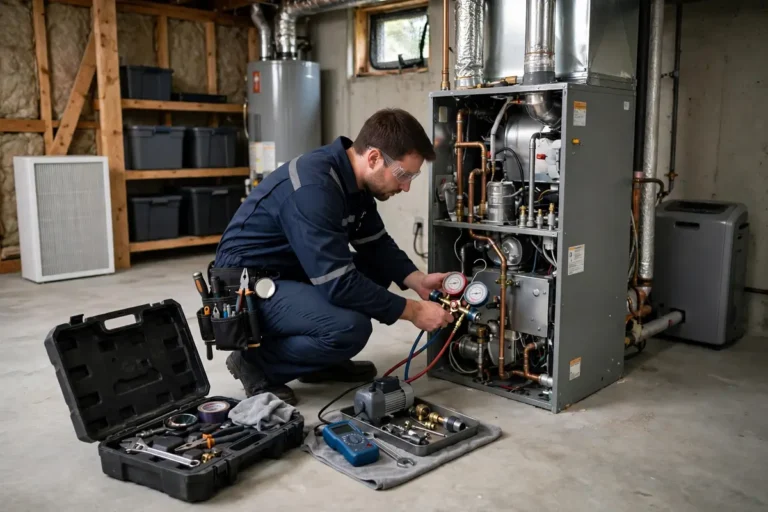
HVAC systems need annual service. This extends equipment life and maintains efficiency.
Plumbing inspections find leaks and corrosion early. Water damage repairs cost thousands more than routine maintenance.
Electrical systems should be checked every few years, especially in older buildings. Outdated wiring creates fire hazards.
The Importance of Sharp Blades
Dull blades create multiple problems. They require more force to use, increasing injury risk. They damage materials instead of cutting cleanly.
For homeowners, dull lawn mower blades tear grass instead of cutting it. This leaves brown, ragged edges that weaken your lawn and invite disease.
Dull kitchen knives slip more easily, causing deeper cuts when accidents happen. Sharp knives cut predictably with less pressure.
For businesses in landscaping, construction, or food service, blade sharpness directly affects work quality and employee safety.
Professional vs. DIY Sharpening
You can buy sharpening tools at hardware stores. Basic sharpening stones and files cost $10-20.
But effective sharpening requires skill. You need to maintain correct angles, remove the right amount of material, and properly balance rotating blades.
Professional services use specialized equipment. They can restore factory edges quickly and maintain proper blade geometry.
For lawn mower blades, professionals ensure proper balance. Unbalanced blades vibrate, damaging your mower and creating uneven cuts.
Many hardware stores offer blade-sharpening services. They handle kitchen knives, scissors, garden tools, chainsaw blades, and mower blades. Turnaround times vary by location and blade type.
Sharpening Schedule Guidelines
Kitchen knives used daily need professional sharpening every 6-12 months. Hone them regularly between sharpenings.
Lawn mower blades should be sharpened at least once per season. Sharpen more frequently if you have a large yard or hit rocks and debris.
Chainsaw blades need sharpening every few hours of use. Watch for signs like smoking wood or the saw pulling to one side.
Garden tools like pruners and shears benefit from seasonal sharpening. Service them before spring planting and after fall cleanup.
If any blade feels dull, requires excessive force, or leaves rough edges, get it sharpened.
Seasonal Maintenance Checklist
Spring tasks:
- Check the HVAC system
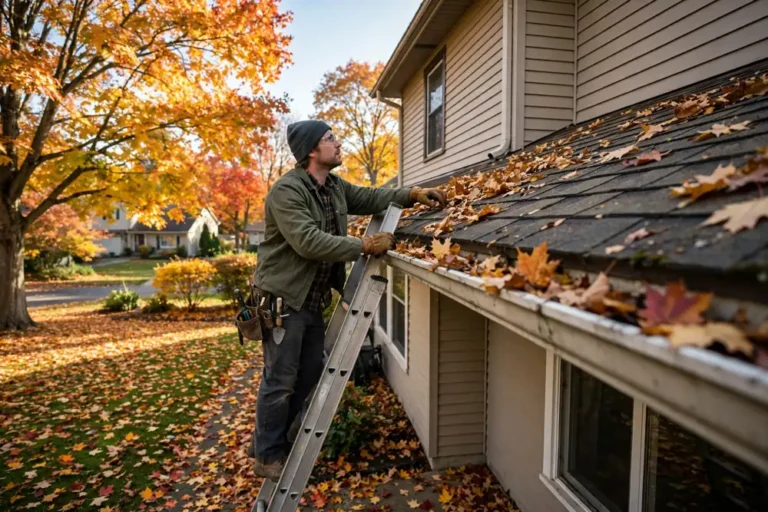
- Clean gutters and downspouts
- Inspect the roof for winter damage
- Power wash exterior surfaces
- Service lawn equipment
- Test irrigation systems
Summer tasks:
- Check for leaks around windows and doors
- Seal cracks in concrete
- Maintain landscaping
- Inspect outdoor structures
- Test smoke and carbon monoxide detectors
Fall tasks:
- Winterize irrigation
- Clean chimney
- Inspect the heating system
- Clear leaves from gutters
- Check the weather stripping
- Store garden tools properly
Winter tasks:
- Test backup generator
- Clear ice and snow promptly
- Monitor pipes in cold weather
- Check insulation
- Ensure proper ventilation
- Inspect fire extinguishers
Finding Reliable Service Providers
Start with recommendations from people you trust. Ask neighbors, friends, and other business owners about their experiences.
Check online reviews on Google, Yelp, and local business directories. Look for patterns in feedback, not just star ratings.
Verify licensing and insurance. Licensed contractors meet minimum competency standards. Insurance protects you from liability if accidents occur.
Ask for references from recent projects similar to yours. Contact those references and ask about work quality, communication, and problem resolution.
Get written estimates before work begins. Clear quotes prevent disputes about costs and scope.
Moving Forward with Local Support
Success at home and in business requires reliable support systems. Local service providers offer expertise, accountability, and community investment that distant companies can’t match.
Regular maintenance prevents expensive emergencies. Professional services like blade sharpening extend equipment life and improve safety.
Smart renovations increase property value and daily comfort. Outsourcing specialized business functions lets you focus on growth.
Build relationships with trusted local providers before you need emergency help. These partnerships support your long-term success.
Frequently Asked Questions
When should I hire a professional instead of doing it myself?
Hire professionals for work requiring specialized skills, expensive tools, or safety training. This includes electrical work, major plumbing, structural changes, and complex machinery repair. Also consider hiring when your time is more valuable doing other things.
How much should I budget for home maintenance annually?
Plan to spend 1-2% of your home’s value on annual maintenance. A $300,000 home requires $3,000-6,000 yearly for routine upkeep and minor repairs.
What should I ask before hiring a contractor?
Ask about licensing, insurance, and bonding. Request references from recent similar projects. Get a detailed written estimate. Confirm their warranty or guarantee policies. Ask about their typical project timeline and how they handle unexpected issues.
How do I know if a service price is fair?
Get at least three quotes for comparison. Research typical costs for your area online. Understand what’s included in each quote. The lowest price isn’t always the best value if it means lower quality work or materials.
What blade-sharpening services do hardware stores typically offer?
Most hardware stores sharpen kitchen knives, scissors, garden tools, chainsaw blades, and lawn mower blades. Some handle specialized items like axes, chisels, or circular saw blades. Call ahead to confirm what your local store services and their pricing.