
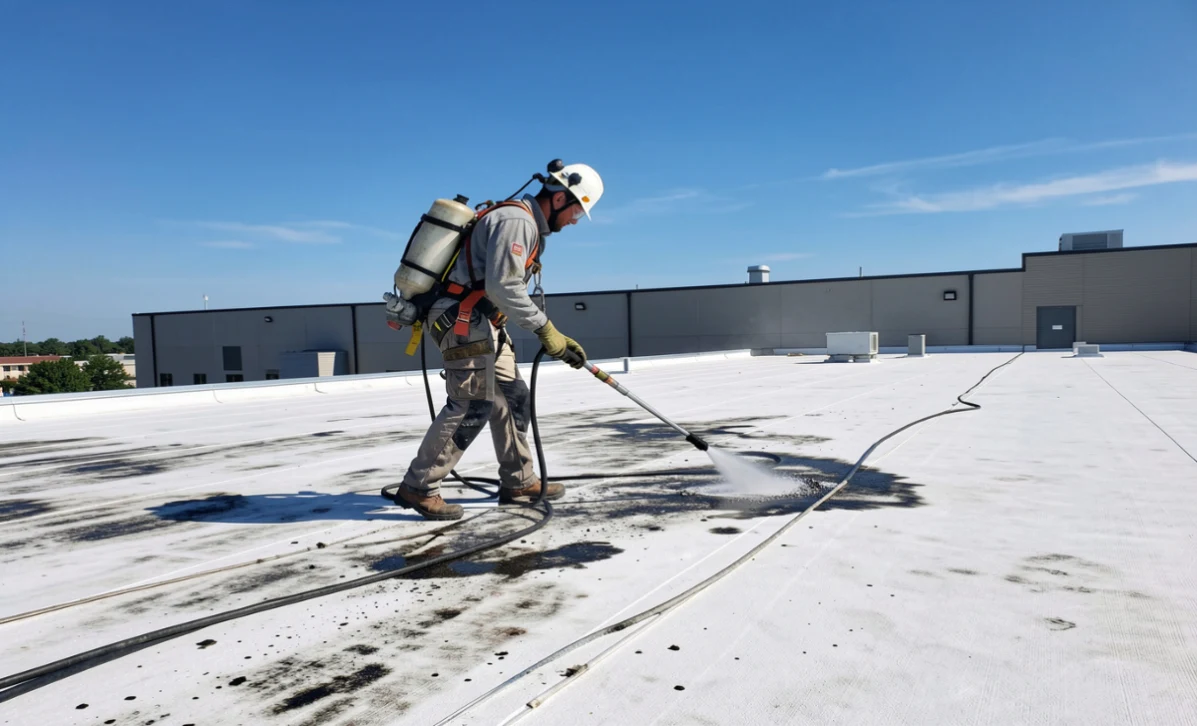
Your commercial roof protects your building’s structure and keeps interiors comfortable. Weather, UV exposure, and debris constantly stress these surfaces. Without regular care, contaminants like algae, mold, and dirt break down roofing materials faster than they should.
Commercial roof cleaning prevents this damage before repairs become necessary. You’re not just improving appearance—you’re removing threats that shorten your roof’s lifespan. A cleaning schedule catches problems early and keeps your protective barrier working as designed.
Why Regular Roof Maintenance Matters
Your roof faces UV rays, temperature swings, rain, and debris every day. These forces wear down materials over time. Commercial roof cleaning gives you a way to slow this process and spot damage before it spreads.
Skip maintenance, and you risk water infiltration. Once water gets inside, repairs cost far more than prevention. A leak can damage inventory, equipment, and interior finishes.
Regular cleaning also protects your building’s value. Stains and visible damage hurt curb appeal. Clean roofs signal proper care to tenants, customers, and potential buyers.
Popular Roof Cleaning Methods: Pros and Cons
Each cleaning method works differently. Your roof type and condition determine which approach makes sense. The same logic applies to exterior house cleaning—match the method to the material.
Pressure Washing: High-pressure water jets remove stubborn dirt and grime quickly. This works well on durable surfaces like concrete. The force can damage shingles, membranes, or older materials if applied incorrectly.
Chemical Cleaning: Strong solutions dissolve organic growth and stains. This method cleans effectively but requires careful handling. Runoff can harm plants and water systems if not managed properly.
Soft Washing: Low-pressure application with specialized cleaners offers a gentler option. You get a thorough cleaning without risking surface damage. This method works for most commercial roofs and minimizes material stress.
Choose your cleaning products carefully. Biodegradable options clean well without environmental harm.
Safety First: Ensuring a Secure Cleaning Process
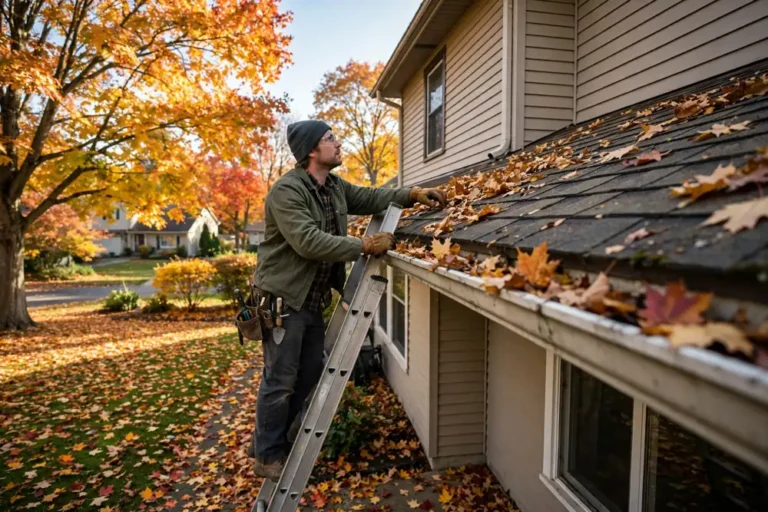
Heights, slippery surfaces, and cleaning chemicals create real risks. Professional roof cleaners need proper training and equipment to work safely.
Your cleaning crew should wear non-slip boots, helmets, and secure harnesses. They need fall protection systems anchored correctly. Chemical handling requires gloves, eye protection, and proper ventilation.
OSHA safety guidelines provide detailed standards for working at heights. Following these rules reduces accidents and protects your team. Weather conditions matter too—never clean roofs during high winds or storms.
Hiring experienced professionals means someone else handles these risks. You get clean roofs without exposing your staff to danger.
Environmental Considerations in Roof Cleaning
Traditional cleaning chemicals can run off into storm drains and local waterways. This affects fish, plants, and drinking water sources.
Biodegradable cleaners break down naturally without harming ecosystems. These products clean roofs effectively while meeting environmental standards. You protect your building and the surrounding environment at the same time.
Check EPA guidelines for protecting the environment before selecting cleaning products. Compliance matters both legally and for your company’s reputation. Green cleaning practices show customers and tenants that you care about sustainability.
Economic Benefits of Regular Roof Maintenance
Replacing a commercial roof costs tens of thousands of dollars. Major repairs run several thousand dollars. Cleaning costs a fraction of these amounts.
Schedule quarterly or semi-annual cleanings based on your local climate. Humid areas with lots of trees need more frequent attention. Dry climates may need less.
Preventive care catches small issues before they become big problems. A minor membrane repair costs hundreds. Replacing an entire section costs thousands. Clean roofs also improve energy efficiency by reflecting more sunlight and reducing cooling costs.
You’re protecting a major capital investment. Regular maintenance extends roof life by 5-10 years on average. That means delaying a $50,000-$100,000 replacement for nearly a decade.
Frequently Asked Questions
How often should you clean commercial roofs?
Most buildings benefit from cleaning every 3-6 months. Local weather patterns affect this schedule. Areas with heavy pollen, leaves, or humidity need more frequent cleaning. Inspect your roof quarterly to determine what works for your building.
What signs indicate your roof needs cleaning?
Look for visible debris, dark streaks, green or black patches, and moss growth. These indicate organic buildup that traps moisture against your roof. Water pooling in areas that should drain also signals a problem.
Should you attempt DIY roof cleaning?
Small, accessible roofs might handle minor cleaning internally. Most commercial buildings need professional service. Pros have proper equipment, insurance, and training to work safely at heights.
Protecting Your Investment
Your commercial roof represents a significant capital expense. Regular cleaning and maintenance protect this investment by preventing premature deterioration.
Clean roofs last longer, perform better, and cost less over their lifetime. You avoid emergency repairs, extend replacement timelines, and maintain your building’s appearance.
Choose safe cleaning methods, hire qualified professionals, and establish a consistent maintenance schedule. Your roof will continue protecting your building for years to come.