Hail damage can leave your car covered in dents, dings, and shattered glass. You have two main repair options: paintless dent repair (PDR) and conventional body repair. Each method works for different damage levels, and understanding when to use each one saves you time and money. If you’re not comfortable handling minor repairs yourself, a professional auto body shop can assess the damage and recommend the right approach.
Paintless Dent Repair
You should address hail damage quickly after a storm. Delaying repairs can lead to paint deterioration, rust formation, and decreased resale value. If you live in a hail-prone state, acting fast matters even more.
Paintless dent repair works by manipulating the metal back into its original shape without affecting your car’s paint. Skilled technicians use specialized tools to massage out dents from behind the panel. This method preserves your vehicle’s factory finish and maintains its resale value. Most hail-damaged vehicles qualify for PDR if the paint hasn’t been cracked or chipped.
PDR offers several advantages over conventional repair. The process typically takes hours instead of days, costs significantly less, and doesn’t require repainting. Your car keeps its original finish, which matters for warranty coverage and future value. Insurance companies often prefer PDR because it costs less and delivers faster results.
The method works best for small to medium-sized dents where the paint remains intact. A technician accesses the dent from behind the body panel and carefully works the metal back into place. The original paint flexes during this process and returns to its normal position. You won’t see any body filler, new paint, or texture differences after the repair.
However, PDR has limitations. If hail has cracked your paint, created very large dents, or damaged areas without rear access, conventional repair becomes necessary. Sharp dents or damage along panel edges often require traditional methods. A qualified technician can tell you within minutes whether your damage qualifies for PDR.
When choosing an auto body shop for PDR, verify their insurance and licensing. Ask about their technicians’ training and experience with hail damage specifically. Many shops will provide free estimates, and most insurance companies cover PDR with minimal out-of-pocket costs.
Conventional Hail Damage Repairs
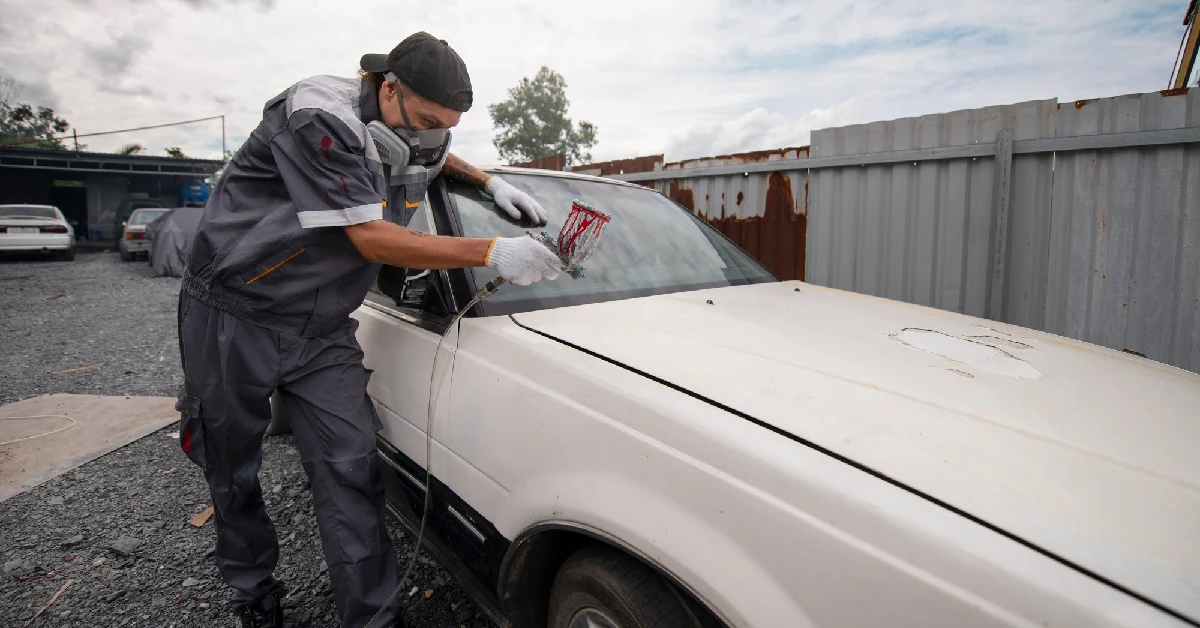
Conventional repair becomes your only option when hail damage is too severe for paintless dent removal. This method involves more extensive work—technicians remove damaged panels, apply body filler, sand the surface, and repaint affected areas.
Traditional repairs cost more and take longer than PDR. The process can take several days to weeks, depending on damage severity and parts availability. You’ll need replacement panels for badly damaged sections, which increases both time and cost. The repair shop must match your car’s paint color exactly, then apply multiple layers, including primer, base coat, and clear coat.
One major consideration: conventional repair invalidates your factory finish paint warranty. This matters if you own a newer vehicle with manufacturer warranty coverage. The new paint won’t have the same durability guarantees as your factory finish, though reputable shops offer their own warranties on the work.
Despite higher costs and longer timelines, conventional repair produces excellent results for extensive damage. Large dents, cracked paint, or structural damage require this approach. The finished repair should look completely seamless—you shouldn’t be able to tell where the damage occurred.
Quality conventional repairs require experienced technicians and proper equipment. The shop should provide detailed estimates that break down labor costs, parts, and materials. Get multiple quotes if you’re paying out of pocket, and verify that the estimate includes your deductible if you’re filing an insurance claim.
Protecting Your Car from Hail
Prevention saves you from dealing with repairs altogether. Hailstones can dent your car’s body, crack windows, break mirrors, and damage lights. Several protection methods can shield your vehicle during storms.
The most reliable protection is covered parking. Park in a garage, covered parking structure, or even under a bridge or gas station canopy when storms approach. If you’re driving when hail starts, find shelter immediately rather than trying to outrun the storm.
Car covers offer portable protection. You can find basic fabric covers, padded hail-specific covers, and inflatable systems. Prices vary widely based on protection level. Budget covers provide minimal defense against small hail, while specialized hail covers use thick padding to absorb impact from larger stones.
Inflatable hail shields attach to your car with straps and use an air blower to maintain constant pressure. These systems create an air cushion around your vehicle that deflects hailstones. They work well but require advanced setup—you can’t deploy one quickly if a storm catches you off-guard.
If you’re caught without proper protection, improvise with what you have. Floor mats, blankets, or cardboard placed on your windshield and hood offer limited protection. These won’t stop large hailstones, but can prevent minor damage from small hail.
Weather apps that provide storm warnings give you time to move your car to safety. Many apps send push notifications for severe weather in your area. The Bureau of Meteorology and similar weather services offer detailed storm tracking you can use to anticipate hail risk.
Insurance Coverage for Hail Damage
Most comprehensive auto insurance policies cover hail damage repairs. Your insurance company typically pays for repairs minus your deductible. Many insurers prefer PDR because it costs less, which can mean faster claim approval.
Get a detailed estimate before filing a claim. Some estimates include your deductible in the total, while others list it separately. Compare your deductible amount to the repair cost—if damage is minor and repair costs only slightly exceed your deductible, you might save money paying out of pocket to avoid potential premium increases.
Document the damage thoroughly with photos from multiple angles. Note the date and location where the damage occurred. This documentation supports your claim and helps adjusters assess the damage accurately. Many insurance companies now offer mobile apps for filing claims and uploading photos directly.
The claims process usually involves an adjuster inspecting your vehicle and authorizing repairs. Your insurance company may direct you to specific repair shops in its network, but you typically have the right to choose your own shop. Verify repair shop credentials and read reviews before committing to any provider, especially after major storms when less reputable operators may try to capitalize on urgent repair needs.