HVAC services are the backbone of comfortable living and working environments. These services cover all aspects of heating, ventilation, and air conditioning systems that keep indoor spaces at the right temperature and air quality year-round.
HVAC systems maintain comfortable temperatures during extreme weather, improve indoor air quality, and help control energy costs. From installing new equipment to performing routine maintenance and emergency repairs, HVAC services play a vital role in our health, comfort, and energy efficiency.
Understanding what HVAC services include and why they matter helps you make informed decisions about your system. This guide explores the ins and outs of HVAC services (https://www.kan-service.com/) and their importance in modern buildings.
What Are HVAC Services?
HVAC services cover all work related to heating, ventilation, and air conditioning systems. They keep your home or business comfortable and healthy throughout the year.
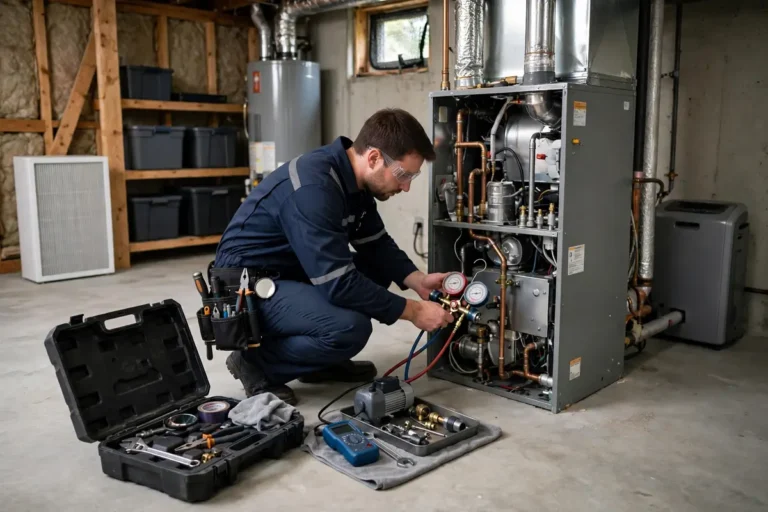
Core services include installing, maintaining, repairing, and replacing HVAC equipment. Technicians handle furnaces, air conditioners, heat pumps, and duct or ventilation systems. They manage tasks from simple filter changes to complex diagnostics and full system installations.
HVAC services extend beyond fixing broken heaters or air conditioners. They also include:
- Indoor air quality assessments
- Energy efficiency audits
- Duct cleaning and sealing
These services help keep your indoor air clean and your system running efficiently.
Preventive maintenance ranks among the most important HVAC services. Regular tune-ups extend system life, improve performance, and catch small problems before they become major issues. Proper maintenance can reduce the risk of unexpected breakdowns and help control energy costs.
Types of HVAC Services
HVAC services come in various forms, each addressing different aspects of heating, ventilation, and air conditioning.
Installation Services involve setting up new HVAC systems in homes or businesses. Whether it’s a central air system, a furnace, or a ductless mini-split, professional installation ensures your system runs efficiently from day one.
Repair Services address system breakdowns when they occur. From fixing refrigerant leaks to replacing faulty components, HVAC repair services restore your system to working condition.
Maintenance Services focus on regular upkeep to prolong system life. This includes cleaning or replacing filters, checking refrigerant levels, and inspecting electrical connections.
Ductwork Services ensure proper airflow throughout your space. Your HVAC system’s efficiency depends heavily on well-maintained ductwork. These services include duct cleaning, sealing, and repair.
Air Quality Services improve the air you breathe indoors. This might involve installing air purifiers, UV lights, or humidity control systems.
Energy Efficiency Services help reduce operating costs. HVAC professionals can assess your system’s energy usage and recommend upgrades or changes to improve efficiency.
Emergency Services provide help when unexpected breakdowns occur. Many HVAC companies offer 24/7 emergency services for problems that can’t wait until regular business hours.
Each of these services plays a role in maintaining a comfortable and healthy indoor environment. Understanding the different types helps you know when to call professionals.
The Importance of HVAC Services
HVAC systems maintain comfortable temperatures in homes and workplaces. They prevent extreme cold in winter and excessive heat in summer, keeping indoor spaces livable year-round.
Beyond comfort, HVAC systems affect indoor air quality. Proper ventilation reduces indoor air pollution and supports respiratory health. Since people spend up to 90% of their time indoors, clean air directly impacts well-being.
Energy efficiency is another key factor. HVAC systems account for a significant portion of energy use in buildings. Regular maintenance helps systems run more efficiently, which can reduce energy consumption and lower utility bills.
Routine HVAC maintenance extends system life, similar to how regular oil changes maintain a car. This preventive care helps avoid unexpected breakdowns and delays the need for costly system replacements.
Well-maintained HVAC systems also add value to properties. Efficient, reliable systems appeal to buyers and tenants in both residential and commercial real estate markets.
Common HVAC Problems and Solutions
Even well-maintained HVAC systems can encounter issues. Here are common problems and their typical solutions:
Poor Airflow often results from clogged filters, blocked vents, or leaky ducts. Regular filter changes and duct inspections help prevent this issue.
Uneven Heating or Cooling might stem from improper insulation, duct problems, or an incorrectly sized system. An HVAC professional can diagnose and address the root cause.
Unusual Noises like rattling, buzzing, or banging often indicate loose parts or motor issues. Prompt professional attention can prevent further damage.
Frequent Cycling occurs when your system turns on and off repeatedly. This could be due to a faulty thermostat or an oversized unit. A professional can assess and recommend solutions.
High Energy Bills may signal an inefficient system. Regular maintenance and potential upgrades can improve efficiency and reduce costs.
Poor Indoor Air Quality shows up as increased allergies or respiratory issues. Your HVAC system might need cleaning, or air filters may need replacing.
Thermostat Malfunctions can make the entire system appear broken. Calibration or replacement by a professional often solves this issue.
While homeowners can address some minor issues, most HVAC problems require professional attention. Regular maintenance prevents many problems from occurring in the first place.
Choosing the Right HVAC Service Provider
First, verify that technicians are licensed and certified. HVAC work requires specialized skills and training. Look for certifications like EPA Section 608 or NATE (North American Technician Excellence).
Experience matters when selecting a provider. Choose companies with a strong local track record. Local experience means familiarity with your climate and common building types in your area.
Check their service range to ensure they offer comprehensive care. Look for providers who handle installations, maintenance, repairs, air quality assessments, and energy audits.
Confirm they offer emergency service availability. HVAC breakdowns don’t follow business hours. Choose a provider who can respond quickly when urgent problems arise.
Review customer ratings and testimonials to gauge reliability, professionalism, and work quality. Online reviews and references from neighbors or colleagues provide valuable insights.
Finally, assess the provider’s knowledge of energy-efficient solutions. They should understand current technologies like heat pumps, programmable thermostats, and high-efficiency equipment.
Smart HVAC Services
Smart HVAC systems are becoming more common in both homes and commercial buildings. These systems use advanced technology to improve performance and reduce energy waste.
Modern systems can learn usage patterns and adjust automatically to maintain comfort while minimizing energy consumption. Connected sensors enable features like remote diagnostics and predictive maintenance.
Energy efficiency remains a top priority in HVAC services. With rising energy costs and environmental concerns, many services now focus on eco-friendly options. This includes heat pumps, high-efficiency equipment, and solar-assisted systems.
Indoor air quality is receiving increased attention. Services now commonly include HEPA filters, UV-C light systems, and advanced ventilation controls to address health concerns related to indoor air.
IoT (Internet of Things) technology is changing how HVAC systems operate and are maintained. Connected devices allow for remote monitoring and can alert technicians to potential problems before they cause system failures.
Personalized comfort solutions are also gaining popularity. Zoned systems and smart controls allow different areas of a building to maintain different temperatures based on occupancy and preferences.
The HVAC Industry Today
HVAC services support modern life by delivering comfort, health, and energy efficiency indoors. The industry handles everything from installations and maintenance to repairs and energy audits.
This field requires both technical expertise and customer service skills. Qualified professionals manage complex systems while meeting client needs and expectations.
The HVAC industry continues to grow and change. New technologies, environmental regulations, and energy efficiency standards shape how systems are designed, installed, and maintained.
For homeowners and businesses, understanding HVAC services helps you make informed decisions. Regular maintenance, timely repairs, and energy-efficient upgrades protect your investment and maintain indoor comfort.
Your HVAC system represents a significant investment in your property. By choosing professional HVAC care, you help ensure a comfortable, efficient, and healthy indoor environment for years to come.
Conclusion
HVAC services play a vital role in everyday life, maintaining comfort, health, and energy efficiency in indoor spaces. With advancing technology and increasing focus on environmental responsibility, professional HVAC care continues to be important.
Whether you’re repairing a broken air conditioner or upgrading your heating system, investing in quality HVAC service provides benefits in both comfort and operating efficiency.
Key considerations for HVAC system owners:
- High-efficiency HVAC systems can reduce energy consumption compared to older models
- Systems with high AFUE (Annual Fuel Utilization Efficiency) ratings reduce fuel waste and may lower emissions
- Regular maintenance helps sustain system performance, while neglected systems lose efficiency over time
Professional HVAC services—covering installation, maintenance, repairs, and upgrades—protect your investment and support a comfortable indoor environment.