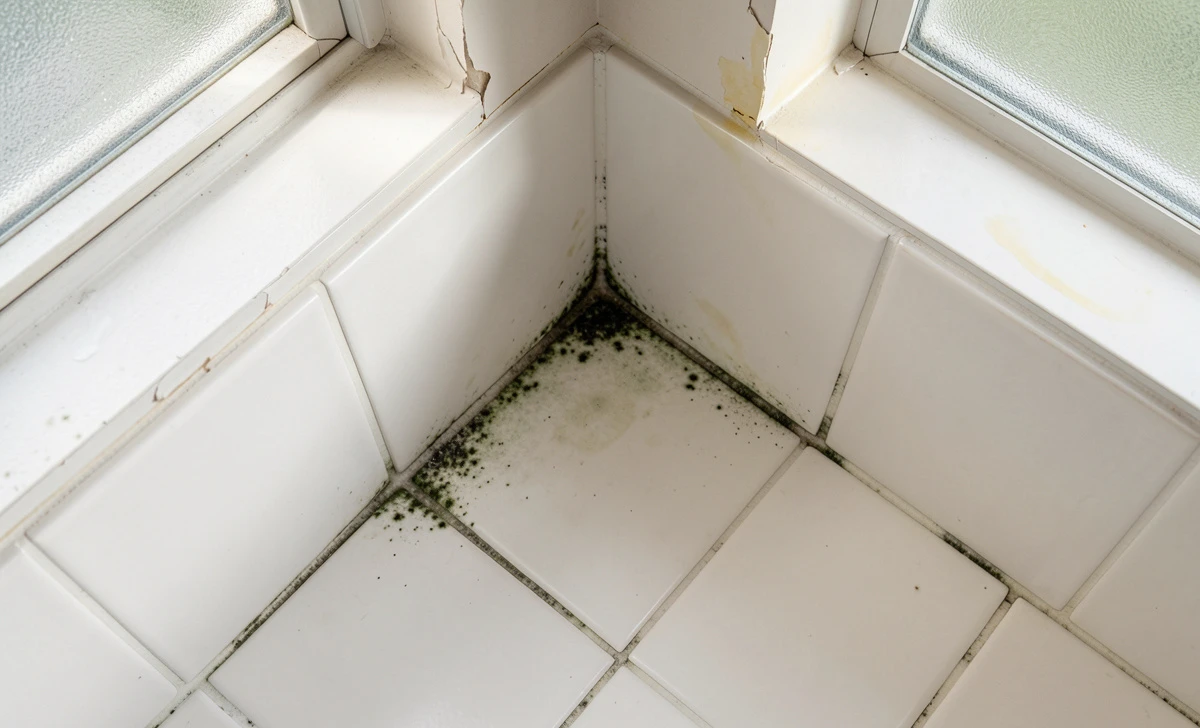
You walk into your basement, and there it is—that unmistakable, earthy, musty smell. Or maybe you’ve noticed a suspicious dark patch spreading across your bathroom ceiling. Perhaps you or a family member has been dealing with a persistent cough that just won’t go away.
If any of this sounds familiar, you might be dealing with mold contamination.
Mold is more than just an eyesore. It’s a fungus that can affect your health, your home’s structure, and your peace of mind. The good news? Once you know what to look for, you can catch mold early and take action before it becomes a major problem.
In this guide, we’ll walk through seven obvious signs of mold contamination, answer common questions homeowners ask, and explain exactly what to do if you discover mold in your living space.
What Is Mold and Why Should You Care?
Let’s start with the basics. Mold is a type of fungus that exists virtually everywhere—both indoors and outdoors. It plays an important role in nature by breaking down dead organic matter. But when mold takes up residence inside your home, that’s a different story.
Mold thrives in moist environments. It spreads through tiny particles called mold spores, which float through the air invisible to the naked eye. These spores are harmless in small amounts, but when they land on a damp surface inside your home, they can start growing and reproducing within 24 to 48 hours.
Here’s what many homeowners don’t realize: even the most immaculate, squeaky-clean houses can hide mold in surprising nooks and crannies. Behind your washing machine, inside your HVAC system, under the kitchen sink—mold doesn’t care about your cleaning routine. It only cares about moisture.
Why Does Mold Grow in Homes?
Homeowners often ask: “I keep my house clean. How did mold show up?”
The answer almost always comes back to moisture. Mold problems are typically the result of:
- Water leaks from pipes, roofs, or windows
- Flooding that wasn’t properly dried
- High humidity levels (above 60%)
- Poor ventilation in bathrooms, kitchens, or laundry rooms
- Condensation on cold surfaces like windows or concrete walls
One concern that comes up frequently in online discussions is whether mold can grow in dry climates. The answer is yes. While high humidity encourages mold growth, mold spores are always present in the air. All they need is a surface to attach to and even a small amount of moisture to start growing. A tiny, hidden leak behind a wall is plenty.
The Health Risks Associated With Mold Exposure
Before we dive into the signs, let’s address a question many readers have: “Is mold really that dangerous?”
The answer depends on the person and the level of exposure. Mold can cause a variety of health problems, including:
- Coughing and wheezing
- Sneezing and a runny nose
- Itchy, watery eyes
- Skin irritation or rashes
- Throat irritation
For most healthy people, these symptoms are temporary and go away once the mold is removed. However, prolonged exposure to mold spores can lead to more serious issues, especially in individuals with weakened immune systems or pre-existing respiratory conditions. In these cases, respiratory infections can develop, manifesting as persistent coughing, chest tightness, and difficulty breathing.
Some online sources claim mold exposure can lead to cancer. While severe reactions are rare, it’s true that certain types of toxic mold (like black mold) produce mycotoxins that can cause serious health problems over long periods. That’s why it’s imperative to call mold remediation services immediately if you suspect a significant problem.
Now, let’s look at the seven signs you need to watch for.
Sign #1: A Persistent Musty Odor
This is often the first clue homeowners notice. You walk into a room—maybe the basement, maybe a guest bathroom—and you’re hit with a stale, earthy smell. It’s the kind of odor that reminds you of wet cardboard or old laundry left too long in the machine.
That musty odor is caused by mold spores released into the air. Even if you can’t see anything growing, the smell is a strong indicator that mold is present somewhere.
One common reader question: “I smell mold but can’t find it anywhere. What now?”
This often means the mold is growing in hidden areas—behind walls, under flooring, inside ductwork, or in your crawl space. Speaking of which, homeowners with crawl spaces frequently deal with this issue. Solutions like crawl space encapsulation (a service where the crawl space is sealed off from moisture) can help prevent mold growth and eliminate that persistent smell.
If the odor is isolated to one area but you can’t find the source, it’s time to call a professional who can use moisture meters and other tools to locate the hidden problem.
Sign #2: Visible Mold Growth
This one seems obvious, but you’d be surprised how many people ignore it or assume it’s just dirt.
Visible mold growth can appear in many colors: black, green, white, brown, or even orange. It might look fuzzy, slimy, or powdery. Common spots include:
- Walls and ceilings (especially in bathrooms)
- Around windows where condensation collects
- On floor joists in basements or crawl spaces
- Inside HVAC systems and ductwork
- On insulation materials
A question we see often: “Can I just wipe away small patches of mold myself?”
For very small patches (less than 10 square feet), you can clean the area with soap and water or a diluted bleach solution—but only if you wear protective gloves, goggles, and an N95 mask. Why the caution? Because scrubbing mold can release mold spores into the air, making the problem worse and putting your health at risk.
For larger areas or mold inside your HVAC system, don’t try to remove it yourself. Call professionals who have the right equipment and training.
Sign #3: Water Stains on Walls or Ceilings
Water stains on walls or ceilings are often dismissed as purely cosmetic issues. But here’s the reality: where there’s a water stain, there’s or was moisture. And where there’s moisture, mold can grow.
These stains typically appear as yellowish-brown rings or patches. They’re often the result of a slow water leak from a pipe, roof, or window frame. Even if the area feels dry now, the stain tells you that water was present at some point—and mold may have already taken hold.
You can purchase a moisture meter at your local hardware store to check for hidden dampness. If the meter reads above 16%, that indicates excessive moisture in the material, which is a prime environment for mold.
Sign #4: Peeling or Bubbling Paint
You notice the paint in your bathroom or basement is starting to peel, bubble, or blister. Your first thought might be poor paint quality or humidity. And you’re partly right—humidity is involved. But peeling paint is often a sign that moisture is pushing through the wall from behind.
Here’s what’s happening: mold grows behind the paint where the surface is damp. As the mold colony expands, it pushes against the paint layer, causing it to lose adhesion. The result is bubbling, cracking, or peeling.
If you see this, don’t just scrape and repaint. That’s like putting a bandage on an infected wound without cleaning it first. You need to find the moisture source, address it, and remove any moldy material before repainting.
Sign #5: Cracks in Walls
Cracks in walls can be caused by many things—settling foundations, temperature changes, or poor construction. But when those cracks appear alongside other signs like musty odors or water stains, mold could be the underlying issue.
Mold growing behind drywall can cause the material to weaken and crack over time. The mold itself doesn’t crack the wall directly, but the moisture that feeds the mold can degrade the drywall’s integrity.
One important note: if you notice cracks in walls in a basement or crawl space area, don’t attempt to repair them yourself without investigating first. You could end up releasing mold spores into the air or sealing moisture inside the wall, making the problem worse.
Sign #6: Swelling in Walls or Floors
This is a sign that many homeowners miss because it’s subtle. You might notice that a section of your wall feels soft or looks slightly bulging. Or perhaps your hardwood floor has started to warp or buckle.
Swelling drywall is almost always caused by water absorption. When water leaks into a wall, the drywall soaks it up like a sponge and expands. This swelling is often the very first sign of a hidden water problem—and where there’s water, mold follows.
The same goes for floors. If you notice a spongy feeling underfoot or visible swelling near baseboards, you likely have moisture underneath. Mold will begin growing within 24 to 48 hours of the water damage occurring.
Sign #7: Unexplained Respiratory Issues
Sometimes the first sign of mold isn’t in your home at all—it’s in your body.
Have you or your family members been experiencing persistent coughing, sneezing fits, or itchy eyes that seem worse when you’re at home but improve when you leave? That pattern is a major red flag.
Prolonged exposure to mold spores can trigger allergic reactions and, in some cases, lead to respiratory infections. These infections might feel like a cold that never goes away, with symptoms like chest tightness, difficulty breathing, and a deep, persistent cough.
People with asthma, allergies, or weakened immune systems are especially vulnerable. If multiple household members are experiencing similar symptoms and you’ve ruled out other causes like seasonal allergies, it’s worth investigating for hidden mold.
What to Do If You Find Signs of Mold
So you’ve spotted one or more of these signs. What now?
Step 1: Don’t panic. Most mold problems are solvable, and you’ve caught it early by being observant.
Step 2: Identify and fix the moisture source. Mold won’t go away permanently unless you stop the water or humidity feeding it. Check for leaks, improve ventilation, or invest in a dehumidifier.
Step 3: Remove wet materials quickly. Any porous materials that got wet (carpet, drywall, insulation) should be removed and dried within 24-48 hours to prevent mold growth.
Step 4: Decide between DIY and professional help. For small, isolated patches (less than 10 sq ft), you can clean with detergent and water while wearing protective gear. For larger areas, mold inside HVAC systems, or signs of toxic mold, call mold remediation services.
Step 5: Test if needed. If you’re unsure whether you have a mold problem, you can buy a DIY test kit or hire a professional to perform air quality testing.
Final Thoughts
Mold contamination doesn’t announce itself with flashing lights. It hides in basements, creeps behind walls, and grows quietly in crawl spaces. But once you know the seven signs—musty odors, visible growth, water stains, peeling paint, wall cracks, swelling surfaces, and unexplained health symptoms—you can catch it early.
Remember: mold is a manageable problem. The key is acting quickly, fixing moisture issues at the source, and knowing when to call the pros. Your home and your lungs will thank you.
Disclaimer: This article is for informational purposes only and does not constitute professional medical advice, home inspection guidance, or mold remediation services. If you suspect significant mold contamination in your home or experience severe health symptoms, consult a qualified mold inspection professional and a licensed medical provider. Individual situations vary, and the information provided here should not replace professional assessment.