Rental unit maintenance might feel like an endless task list, but it’s one of the most valuable investments you can make as a landlord. Regular upkeep protects your property, saves money, and keeps tenants satisfied.
Here are six reasons why maintenance should be a top priority.
Preventative Maintenance Reduces Long-Term Costs
Regular maintenance catches small problems before they become expensive disasters.
A leaking faucet costs $50 to fix today. Ignore it, and you could face $3,000 in water damage and mold remediation next year. The same applies to HVAC systems, roofs, and plumbing.
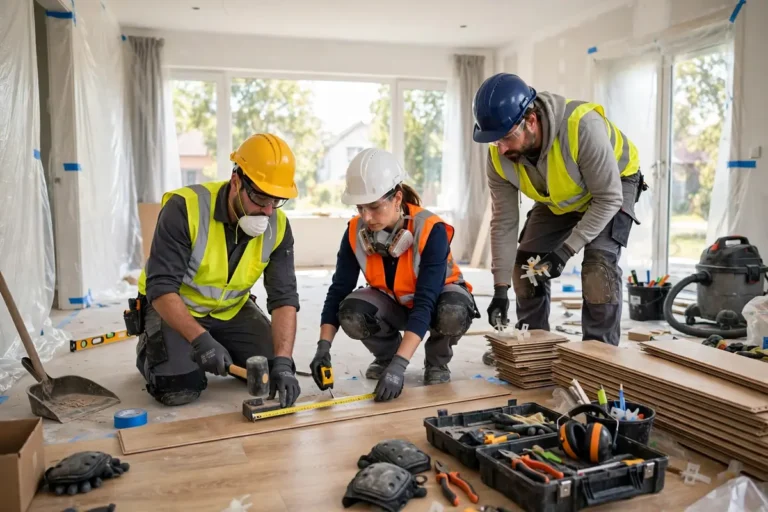
Create a maintenance schedule that includes quarterly inspections and annual servicing of major systems. Check smoke detectors, test GVCI outlets, inspect gutters, and replace HVAC filters every three months.
Yes, routine maintenance has a cost. But it’s far less than emergency repairs or system replacements caused by neglect.
Well-Maintained Properties Attract Better Tenants
Your property’s appearance determines who applies to rent it.
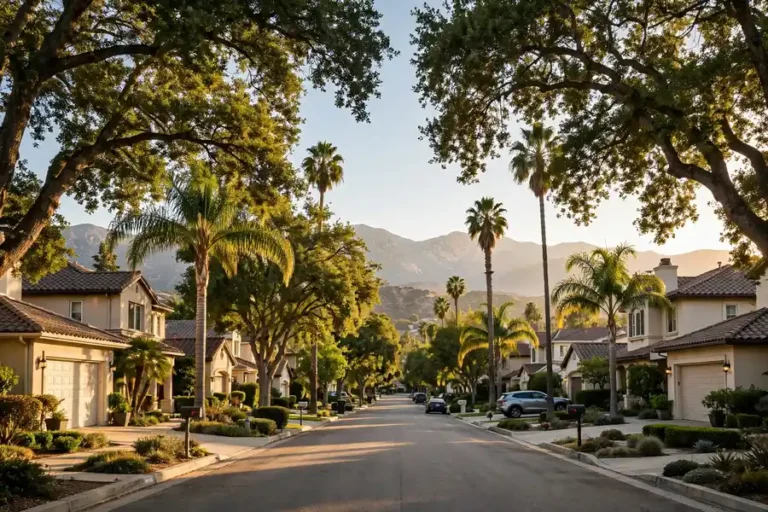
Prospective tenants judge your property within seconds of arrival. Overgrown landscaping, peeling paint, and dirty exteriors signal neglect. Quality tenants will pass.
Boost your property’s appeal by:
- Mowing lawns and trimming hedges weekly during the growing season
- Pressure-washing siding, walkways, and driveways annually
- Repainting or touching up exterior trim every 3-5 years
- Ensuring front doors, mailboxes, and house numbers look clean and updated
First impressions directly affect vacancy rates and the quality of applicants you receive.
Regular Maintenance Keeps Units Rented
Tenants stay longer when their rental home is properly maintained.
If your units show signs of neglect, current tenants won’t renew their leases. Potential renters will choose better-maintained properties. High turnover costs you thousands in lost rent, marketing expenses, and unit preparation.
Address maintenance requests within 24-48 hours whenever possible. Fix issues completely the first time rather than applying temporary patches. Schedule preventative work during lease renewals to minimize disruption.
Happy tenants who feel their concerns are taken seriously become long-term residents. Long-term residents mean stable income and lower turnover costs.
Poor Maintenance Creates Legal Liability
Neglected maintenance doesn’t just frustrate tenants—it exposes you to lawsuits.
Landlords are legally required to maintain habitable living conditions. This includes working plumbing, heating, electrical systems, and structural integrity. Failure to address health and safety issues can result in:
- Tenant lawsuits for damages
- Local code violations and fines
- Rent withholding or lease termination
- Personal injury claims if someone gets hurt
Protect yourself by conducting documented inspections every six months. Keep detailed records of all maintenance requests, repairs completed, and dates of service. Respond to tenant complaints promptly and in writing.
Good documentation proves you acted responsibly if disputes arise.
Maintenance Protects Your Property Value
Rental unit maintenance directly affects your property’s market value and resale potential.
Deferred maintenance compounds. A small roof leak becomes rotted decking. Ignored foundation cracks worsen into structural problems. These issues reduce property value and scare off buyers when you’re ready to sell.
Set aside 1-2% of your property’s value annually for maintenance and repairs. This fund covers both routine upkeep and unexpected issues without disrupting your cash flow.
Properties with maintenance records and visible upkeep command higher sale prices and attract more buyers.
Satisfied Tenants Pay Rent on Time
Tenant satisfaction and payment reliability are directly connected.
Tenants who feel respected and well-cared-for treat your property better and prioritize rent payments. Those frustrated by ignored repair requests may withhold rent, leave negative reviews, or move out.
Build tenant satisfaction by:
- Responding to maintenance requests within 24 hours
- Hiring qualified, professional contractors for repairs
- Following up after work is completed to ensure satisfaction
- Being proactive about seasonal maintenance (gutter cleaning, HVAC servicing)
Treat maintenance as tenant relationship management, not just property upkeep. The return on investment shows up in on-time payments, lease renewals, and positive referrals.
Conclusion
Rental unit maintenance isn’t optional—it’s the foundation of successful property management. Regular upkeep prevents costly emergencies, protects your investment, attracts quality tenants, and keeps your properties legally compliant. The money and time you spend on maintenance today will save you exponentially more in repairs, legal fees, and lost income tomorrow.
FAQs
How often should landlords inspect rental properties? Conduct formal inspections every six months, with additional checks during tenant move-ins, move-outs, and after any reported maintenance issues.
What percentage of rental income should go toward maintenance? Budget 1-2% of your property’s value annually for maintenance and repairs. Older properties may require 2-3%.
Can tenants legally withhold rent for maintenance issues? Yes, in most jurisdictions, tenants can withhold rent if landlords fail to address health, safety, or habitability issues after proper notice. Laws vary by location.