
Key Takeaways
- A coastal view or a downtown address should be only one part of the decision.
- Compare taxes, insurance, utilities, repairs, and seasonal upkeep alongside the mortgage payment.
- Flood exposure, drainage, access, building condition, and local rules should be considered before an offer is submitted.
- Visit each property at different times to understand traffic, noise, parking, and weather-related access.
- A simple scorecard can make two very different homes easier to compare objectively.
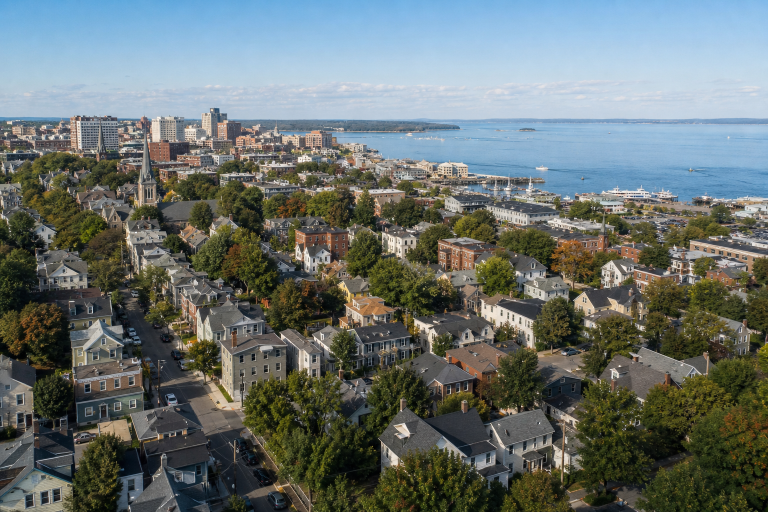
Buying in Greater Portland can mean choosing between a walkable city address near restaurants, workplaces, and waterfront activity, or a quieter coastal home with more privacy and outdoor access. The better choice is not automatically the one with the larger lot, the best view, or the lowest list price. It is the home that fits your routine, budget, maintenance tolerance, and long-term plans.
For buyers weighing neighborhoods and property types across southern Maine, Portland ME real estate agent Ana Dierkhising offers a useful local perspective. Ana T.L. Dierkhising serves Maine and San Francisco through a real estate website focused on home searches, neighborhood information, buyer and seller services, and property valuations. Her experience across Maine and San Francisco luxury markets can help buyers assess the details that listing photos cannot show, including location fit, property condition, and the practical demands of a distinctive home.
1. Start With Your Lifestyle
Begin with how you will actually use the home. A buyer who wants to walk to coffee shops, cultural events, offices, and everyday errands may value a compact Portland city home more than additional acreage. Another buyer may happily trade proximity for a coastal setting that supports boating, beach walks, gardening, or a quieter second-home routine.
Ask whether you need privacy or walkability, whether outdoor space will be useful through Maine’s seasons, and how much traffic or neighborhood activity feels comfortable. Also consider who will use the home in five years. A property that works for weekend escapes may not work as well for a daily commute, aging in place, or a growing household.
2. Compare Total Ownership Costs
The monthly loan payment is only the starting point. Create a realistic ownership estimate for each property that includes property taxes, homeowners’ insurance, utilities, expected maintenance, snow removal, landscaping, association dues, private-road costs, and shared-system expenses where applicable.
Coastal homes may require closer attention to exterior materials, drainage, roofing, windows, and components exposed to wind and salt air. Older city homes may need updates to plumbing, electrical systems, masonry, insulation, or heating equipment. Request insurance estimates early, because standard homeowners policies generally do not cover flood damage.
3. Check Location-Specific Risks
Location shapes risk. For a coastal property, review flooding, storm surge, erosion, drainage, shoreline changes, septic or well systems, and road access during storms. In city settings, look for stormwater runoff, basement moisture, parking constraints, traffic, nearby development, aging utilities, and construction that could affect light, noise, or access.
Do not rely on a seller’s description of a lot as “waterfront,” “water view,” or “steps from the beach” to answer risk questions. Review municipal records, permit history, zoning, and applicable restrictions.
4. Inspect the Property Carefully
A general inspection is important, but the inspection strategy should be tailored to the property. At a coastal home, pay special attention to signs of water intrusion, corrosion, drainage failures, elevated structural elements, retaining walls, decks, foundations, and past storm repairs. At a city home, focus on the roof age, masonry, windows, electrical capacity, plumbing, shared walls, and access for future maintenance.
Useful Inspection Questions
- When were the roof, heating system, windows, and major water systems replaced?
- Has the home experienced water intrusion, flooding, ice dams, or storm damage?
- Were significant repairs completed with permits when permits were required?
- Who is responsible for private roads, shared driveways, retaining walls, or common structures?
- What repairs should a buyer expect during the first five years of ownership?
5. Study Daily Convenience
Test each location instead of imagining it. Visit on a weekday morning, an evening, and a busy weekend. A peaceful coastal road may be less convenient during winter weather, while a city street that feels energetic at noon may be noisy at night. Drive the routes to work, school, medical care, grocery stores, and the airport. Check parking, public transportation options, cell reception, and internet availability.
6. Review Resale Potential
Resale appeal depends on more than square footage. Consider the home’s condition, parking, outdoor space, layout, views, zoning, access, and the number of similar properties available nearby. A distinctive coastal home can attract buyers who prioritize recreation and scenery. A well-located city home may appeal to people who value convenience, rental potential, and walkability. Neither setting guarantees a stronger return, so compare recent local sales with an eye toward the features future buyers are likely to notice.
7. Use a Home Comparison Scorecard
Rate each property from one to five in these categories, then add notes explaining each score:
- Location: Does it support your daily routine and future plans?
- Condition: How much near-term repair or renovation is likely?
- Monthly cost: Are taxes, insurance, utilities, and upkeep manageable?
- Risk: Are flood, weather, access, and infrastructure concerns acceptable?
- Resale: Will the home remain appealing if you need to sell later?
8. Complete a Final Pre-Offer Check
- Read seller disclosures carefully.
- Confirm insurance availability, deductibles, and exclusions.
- Review flood, zoning, permit, and access information.
- Estimate immediate repairs and likely five-year maintenance costs.
- Compare recent sales with similar condition, location, and features.
- Visit the property more than once before finalizing offer terms.
Conclusion
Portland-area city and coastal homes can both be excellent choices. The strongest offer decision comes from looking beyond first impressions and comparing how each property will function in daily life. When lifestyle, ownership costs, risk, condition, and resale are evaluated together, buyers can move forward with more confidence.