
Navigating Property Upgrades and Safety Standards for Loan Eligibility
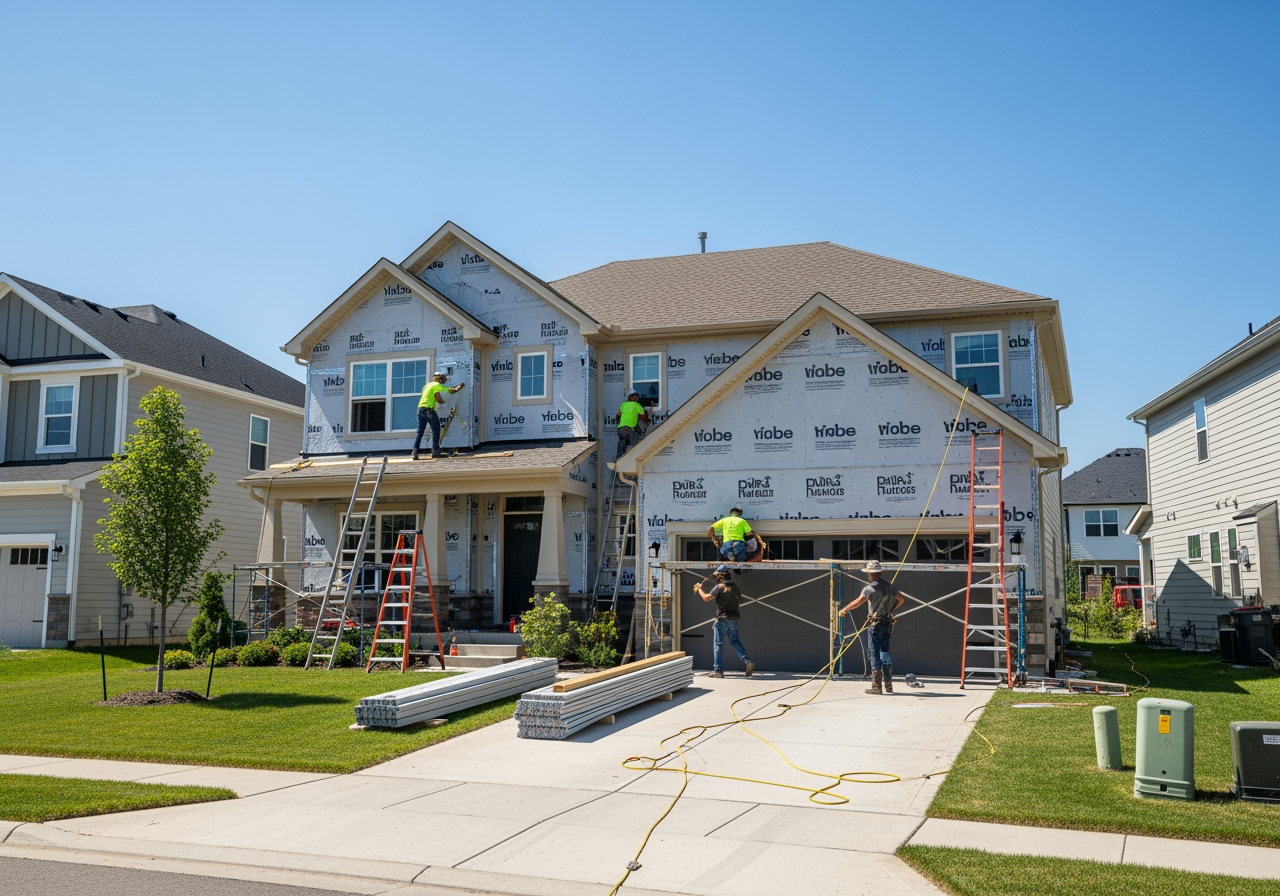 Property ownership comes with significant responsibilities. Among the most critical are ensuring safety and maintaining value. In May 2026, we recognize that these aspects are more connected than ever before. Neglecting essential upgrades or overlooking potential safety risks can lead to serious consequences. These range from health hazards to costly repairs and even financial setbacks.
This comprehensive guide will explore how smart property upgrades not only enhance living spaces but also meet vital safety standards. We will cover everything from understanding detailed property condition ratings for loan eligibility to implementing essential structural improvements. We’ll also look at the role of specialized services, such as Safe commercial demolition services, in preparing properties for safe and successful renovations.
Our goal is to provide you with the knowledge needed to make informed decisions. This ensures your property remains a secure, valuable, and compliant asset for years to come.
For property owners and prospective buyers, understanding how property condition impacts loan eligibility is paramount. Fannie Mae, a leading entity in the mortgage market, sets rigorous standards for property condition and quality of construction. These standards are designed to protect lenders and homeowners by ensuring properties are safe, sound, and structurally integral. Physical deficiencies that compromise these aspects can directly affect a property’s eligibility for a Fannie Mae loan, often requiring repairs before a loan can be sold.

Appraisers play a crucial role in this process, evaluating properties on an absolute basis, rather than merely comparing them to neighborhood averages. This objective assessment helps identify any issues that could pose safety risks or threaten the property’s long-term stability. The presence of significant issues might necessitate an appraisal “subject to” repairs, meaning the loan cannot proceed until the identified problems are resolved. This rigorous approach underscores the importance of proactive property upgrades and diligent maintenance.
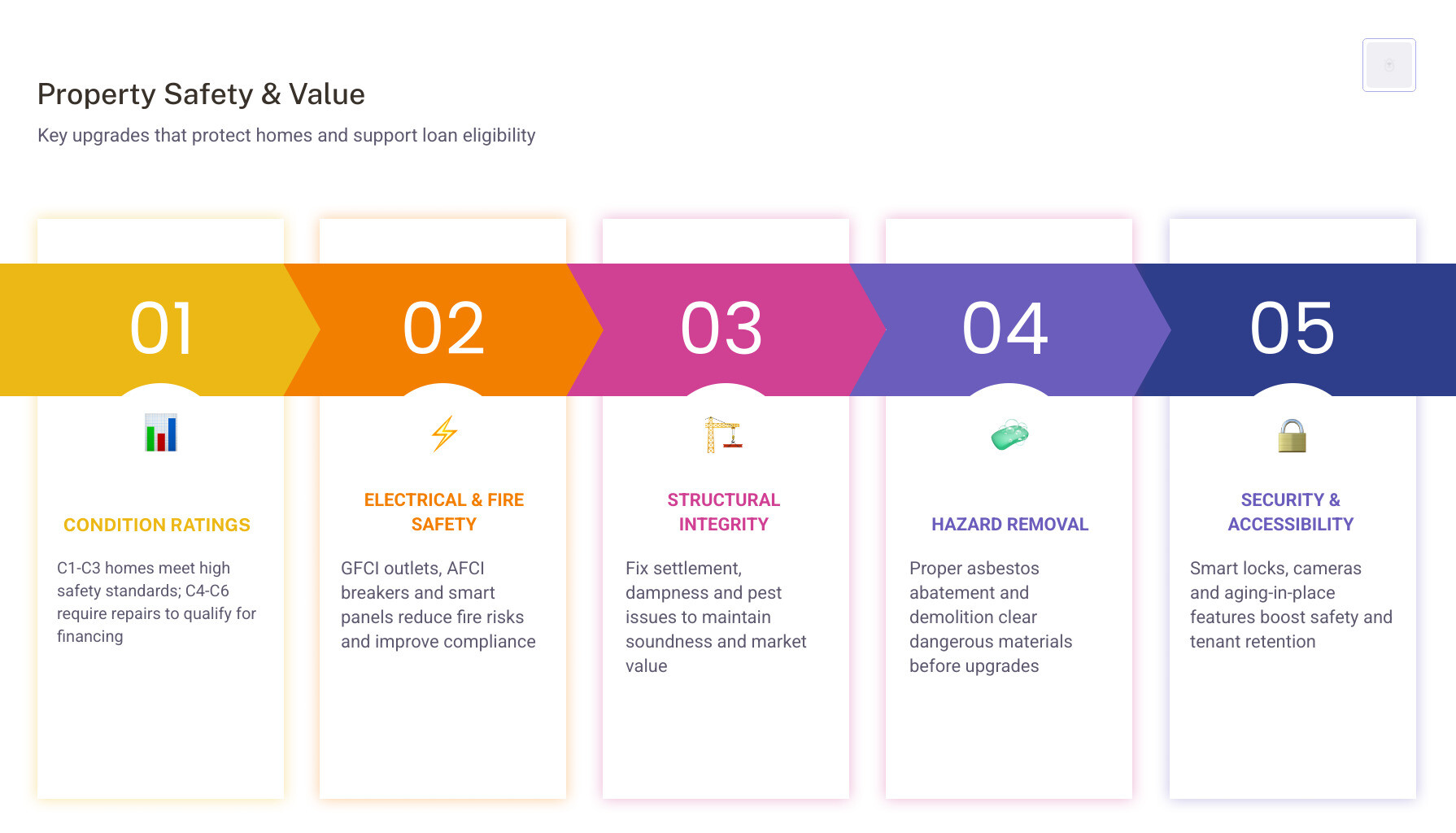
The condition ratings, from C1 to C6, are central to this evaluation. These ratings provide a standardized framework for appraisers to describe a property’s overall state, directly influencing its marketability and eligibility for mortgage financing.
Understanding Condition Ratings C1 through C6 for Property Upgrades and Safety
The Fannie Mae condition ratings (C1 through C6) provide a standardized method for appraisers to assess a property’s physical state. These ratings are assigned on an absolute basis, meaning they reflect the property’s actual condition, not just how it compares to other homes in the immediate area. This ensures consistency and fairness in lending decisions.
- C1 (Excellent Condition): Represents newly constructed properties or those that have been recently renovated to a like-new standard, with no deferred maintenance, little or no physical depreciation, and high-quality materials and workmanship.
- C2 (Very Good Condition): Properties that are well-maintained, with minor wear and tear, and no observable deferred maintenance. They might be older but show pride of ownership and minimal physical depreciation.
- C3 (Good Condition): Properties that are adequately maintained, with some minor deferred maintenance that does not affect safety or structural integrity. They might show some normal physical depreciation consistent with age.
- C4 (Average Condition): Properties with a moderate amount of deferred maintenance and some physical deterioration. These issues are typically manageable and don’t pose immediate threats to safety or structural soundness.
- C5 (Fair Condition): Properties with significant deferred maintenance and obvious physical deterioration. While these issues do not yet compromise safety, soundness, or structural integrity, they indicate a need for substantial repairs and upkeep.
- C6 (Poor Condition): Properties with substantial damage or severe deferred maintenance, where deficiencies are serious enough to affect the safety, soundness, or structural integrity of the improvements.
Properties rated C1 through C5 are generally eligible for appraisal in “as is” condition, meaning the loan can proceed based on the property’s current state. However, if a property receives a C6 rating, it is not eligible for sale to Fannie Mae until the identified deficiencies impacting safety, soundness, or structural integrity are repaired to a minimum C5 rating. This mandate highlights the critical importance of addressing significant structural or safety concerns promptly. Minor issues, such as worn floor finishes or cracked window glass, typically do not trigger a “subject to repair” requirement for ‘as is’ appraisals.
For property owners looking to ensure their homes meet these standards, proactive maintenance and strategic upgrades are essential. Resources like “Upgrades to ensure a home stays safe and secure” (as discussed in the Marietta Times in May 2026) offer valuable insights into maintaining a safe property, which can indirectly help in achieving higher condition ratings. Should concerns about hidden hazards arise, such as asbestos, professional Asbestos Testing is a prudent step to ensure both safety and compliance. The Uniform Appraisal Dataset (UAD) 3.6 policies further emphasize comprehensive reporting of all adverse conditions, even if they are common in the local market, ensuring transparency and accuracy in appraisal reports.
Quality of Construction and Modern Property Upgrades and Safety Requirements
Beyond condition, the quality of construction (Q1 through Q6) is another critical factor appraisers assess. This rating reflects the overall workmanship, materials, and design of a property. Similar to condition ratings, quality ratings are assigned on an absolute scale, providing an objective measure of the property’s foundational integrity and finish.
- Q1 (Highest Quality): Custom-designed, built with exceptional materials, superior workmanship, and often unique architectural features.
- Q2 (Excellent Quality): High-grade materials and finishes, superior workmanship, and generally custom or semi-custom design.
- Q3 (Good Quality): Good quality materials and workmanship, often production-built but with attention to detail and solid construction.
- Q4 (Average Quality): Standard-grade materials and average workmanship, typical of tract housing.
- Q5 (Fair Quality): Modest quality materials and workmanship, often with basic or utilitarian design.
- Q6 (Low Quality): Substandard materials and workmanship, often indicating significant deferred maintenance or poor construction practices.
A key rule is that if any portion of a dwelling is rated Q6, the entire dwelling must be rated Q6. Properties with a Q6 rating are generally ineligible for Fannie Mae loans until any safety-related deficiencies are repaired. This underscores the importance of quality construction from the outset and maintaining that standard over time. Enhancing the durability and safety of your property, even down to the foundation, can be a valuable investment. For instance, considering Garage floor upgrades for safety can improve both the aesthetic and structural integrity of a commonly overlooked area.
The level of updating also impacts a property’s overall rating. Appraisers differentiate between:
- Not Updated: Properties that have experienced no updates or modernization. They retain their original design, materials, and systems.
- Updated: Properties that have undergone partial modernization, typically involving cosmetic changes or functional replacements that bring them up to current trends or standards (e.g., new kitchen appliances, updated bathrooms).
- Remodeled: Properties that have undergone extensive, comprehensive modernization, often involving changes to the floor plan, structural elements, or complete replacement of major systems, resulting in a significantly improved and often higher-quality property.
Deferred maintenance plays a significant role in determining a property’s condition rating and overall marketability. Issues like persistent infestation, dampness, or settlement must be thoroughly addressed in an appraisal report. These are considered physical deficiencies that can severely impact a property’s safety, soundness, or structural integrity. Addressing these issues, potentially through specialized services like Asbestos Removal if hazardous materials are present, is crucial not only for safety but also for securing favorable loan terms. When appraisers encounter comparable sales with different condition or quality ratings, they make appropriate adjustments to ensure a fair valuation, reflecting the impact of these factors on market value. Landlords, in particular, benefit from understanding these distinctions, as strategic electrical upgrades for rental properties can significantly enhance tenant satisfaction and property value.
Strategic Improvements: From Electrical Systems to Professional Demolition
Beyond meeting loan eligibility requirements, strategic property upgrades are essential for enhancing safety, comfort, and long-term value. These improvements range from critical electrical system overhauls to robust fire safety measures and even professional demolition for renovation. Each upgrade, when planned and executed properly, contributes to a safer and more desirable property.
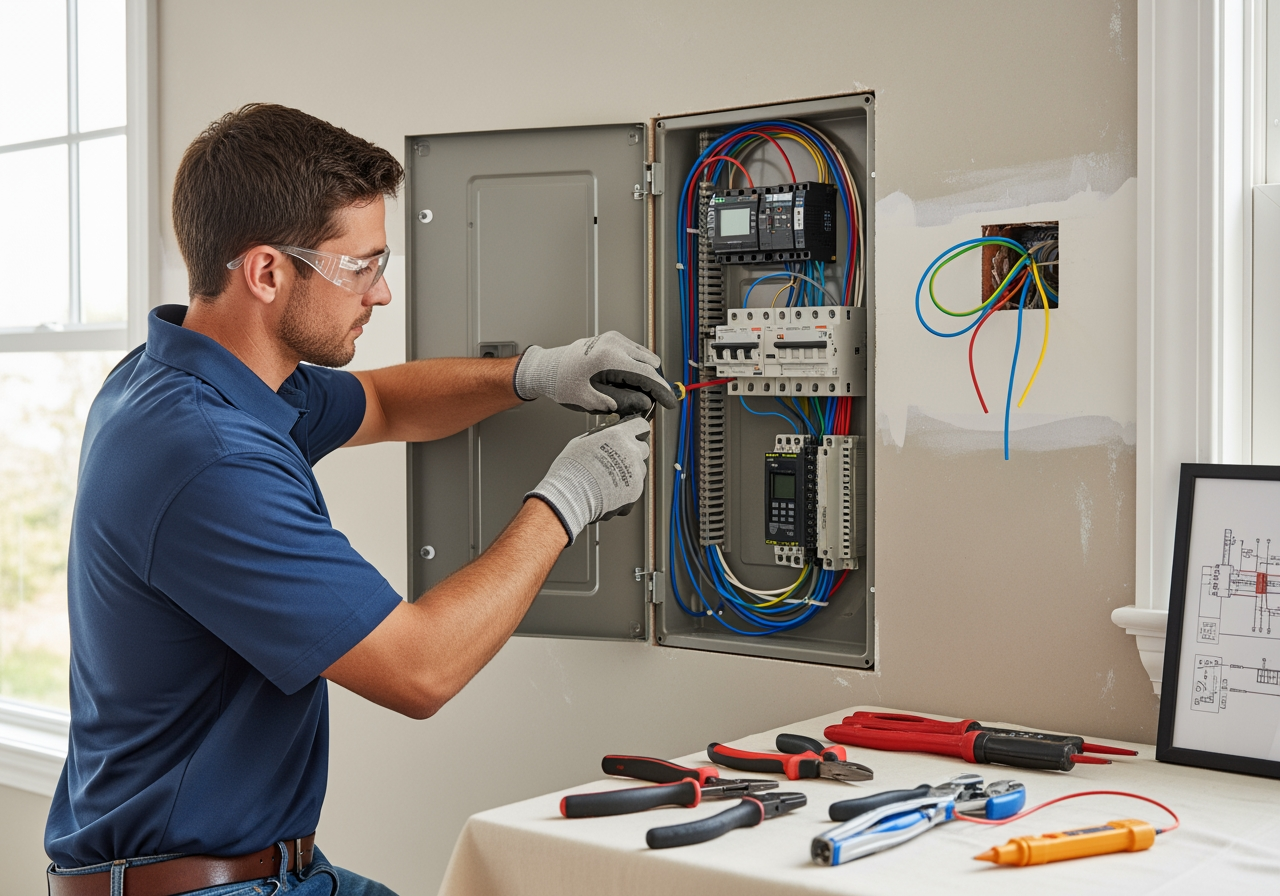
One of the most critical areas for property upgrades is the electrical system. Outdated wiring or panels pose significant fire risks and can struggle to meet the demands of modern households. Upgrading to smart electrical panels offers enhanced safety through real-time monitoring, fault detection, and remote control capabilities. Ensuring adequate GFCI (Ground Fault Circuit Interrupter) and AFCI (Arc Fault Circuit Interrupter) protection in kitchens, bathrooms, and other vulnerable areas is non-negotiable for preventing electrical fires and shocks.
Effective fire safety extends beyond electrical systems. Essential fire safety upgrades include:
- Installing interconnected smoke and carbon monoxide detectors throughout the property, ensuring that if one alarm triggers, all alarms sound.
- Creating a defensible space around the property, particularly in fire-prone areas, by maintaining a 30-foot buffer zone free of combustible materials.
- Utilizing ignition-resistant materials for roofing, siding, and decking, such as metal, fiber cement, or specially treated wood.
- Implementing fire-resistant landscaping with high-moisture plants and gravel mulch near the structure.
- Regularly clearing roofs and gutters of plant debris and sealing gaps around eaves and vents with noncombustible sealants.
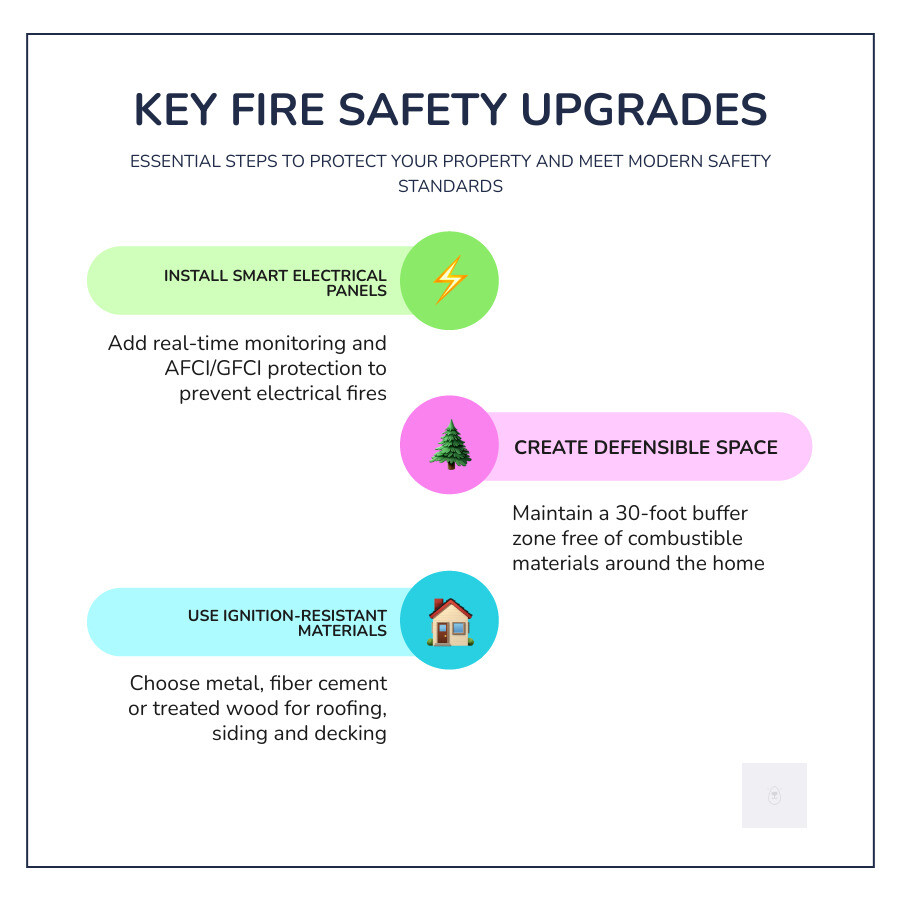
These measures, combined with routine inspections and adherence to local building codes, significantly reduce the risk of fire and provide peace of mind.
Essential Structural and Environmental Safety Upgrades
The structural integrity and environmental safety of a property are foundational to its overall well-being. Addressing issues in these areas often requires specialized expertise, particularly when dealing with hazardous materials or complex demolition projects. For instance, when planning significant renovations, the process of interior demolition or selective demolition must be handled with utmost care. This ensures that only the intended sections are removed without compromising the remaining structure.
Our team understands that every demolition project, whether it’s a full tear-out or a more delicate selective removal, requires meticulous planning and execution. This includes verifying the absence of hazardous materials, which might necessitate a thorough Abatement Process before any demolition can begin. In regions like New Jersey, strict regulations govern the handling and disposal of such materials, making professional expertise indispensable.
Before any demolition commences, critical steps must be taken:
- Identifying and protecting structural walls and elements that are to remain.
- Ensuring all utilities—electricity, gas, and water—are safely disconnected from the work area.
- Obtaining all necessary local permits, as these are mandatory for most demolition work.
- Implementing robust dust control measures to protect adjacent areas and ensure air quality.
Whether it’s a small-scale interior renovation or a larger Demolition project, including Commercial Demolition, adherence to safety protocols and regulatory requirements is paramount. This meticulous approach not only ensures the safety of workers and the property but also sets the stage for successful subsequent upgrades.
Enhancing Rental ROI Through Safety-First Upgrades
For landlords and property managers, investing in safety-first upgrades is a smart strategy that goes beyond compliance; it significantly enhances tenant retention and return on investment (ROI). Modern renters prioritize safety and convenience, making features like smart locks and security cameras highly desirable. These technologies not only deter crime but also offer tenants a sense of control and peace of mind. Insights from “Rent-Ready Upgrades for Landlord ROI” emphasize how such non-invasive improvements can boost tenant appeal and reduce operational friction.
Thoughtful lighting upgrades, both interior and exterior, play a dual role in safety and aesthetics. Well-lit pathways and common areas reduce the risk of falls and deter potential intruders. Motion-sensor lighting further conserves energy while providing security. Beyond basic lighting, comprehensive “Upgrades That Improve the Safety of Your Home” often include measures for aging in place, such as installing grab bars in bathrooms and applying nonslip strips to potentially slick surfaces. These considerations make a property more accessible and safer for a wider range of tenants, including seniors.
The “Essential Home Upgrades for Safety, Comfort & Curb Appeal” guide highlights a holistic approach to property improvement, integrating safety with other value-adding enhancements. By focusing on upgrades that address immediate safety concerns while also improving comfort and curb appeal, property owners can create spaces that are both secure and attractive. This proactive approach to maintenance and upgrades not only protects the property but also fosters a positive living environment, leading to longer tenant stays and reduced turnover costs. For personalized advice on how to implement these crucial upgrades and ensure your property meets the highest safety standards, we encourage you to Contact Us.