Starting a healthy diet can feel overwhelming, especially if you’ve spent years eating whatever is convenient. You’re not alone if you’ve tried a few diets, felt confused by conflicting advice, or wondered whether healthy eating is even sustainable. The truth is, building a healthy diet isn’t about perfection—it’s about progress.
This guide will walk you through realistic, science-backed steps to transition to a nutrient-rich way of eating. You’ll learn what to add to your meals, what to limit, and how to make changes that actually stick.
Why Starting a Healthy Diet Feels Hard (And Why That’s Normal)
Many people struggle to begin a healthy diet because they try to change everything overnight. You might have asked yourself: Do I need to cut out all carbs? What if I slip up and eat fast food? Is it really possible to enjoy healthy food?
These concerns are common. Research shows that drastic restrictions often lead to burnout and binge-eating. Instead, sustainable change comes from adding nutritious foods first and letting your habits shift gradually.
A 2021 study published in Nutrients found that individuals who focused on incorporating whole foods rather than strictly eliminating “bad” foods were more likely to maintain their dietary changes long-term. This approach aligns with how real people succeed—by building positive habits rather than fighting cravings alone.
Focus on Adding, Not Just Restricting
One of the most common mistakes when trying to start healthy eating is focusing entirely on what you can’t have. That mindset often backfires. Instead, shift your focus to what you can add to your daily meals.
When you crowd your plate with nutrient-dense foods, there’s naturally less room for processed options—without the feeling of deprivation.
Add Superfoods for Maximum Nutrition
The term “superfood” gets thrown around a lot, but it simply refers to foods that are exceptionally high in nutrients and antioxidants. Adding even a few of these to your routine can make a noticeable difference in your energy and overall well-being.
Some superfoods you can easily incorporate include:
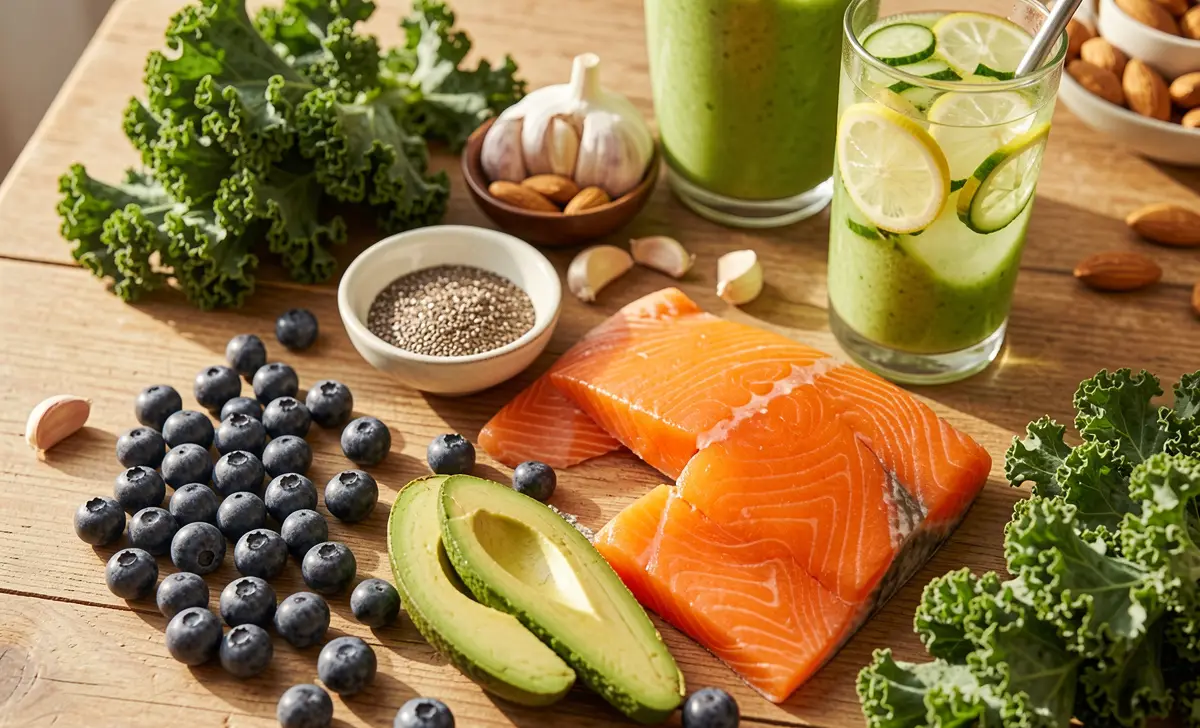
- Sacha inchi – A plant-based seed packed with protein, fiber, and omega-3 fatty acids. It works well sprinkled over salads or blended into smoothies.
- Goji berries – Rich in vitamins A and C, plus iron. They add natural sweetness to oatmeal or trail mixes.
- Chia seeds – High in fiber and calcium. When mixed with liquid, they form a gel that can be used for puddings or as an egg substitute in baking.
- Avocados – Loaded with healthy fats, fiber, and antioxidants. They make smoothies creamier and add richness to toast or salads.
- Blueberries – One of the highest antioxidant fruits. They’re easy to toss into yogurt, cereal, or smoothies.
- Salmon – A top source of omega-3 fatty acids and high-quality protein. It also provides B vitamins essential for energy production.
- Kale – Extremely high in vitamins A, C, and K, with anti-inflammatory benefits. It works well in salads, smoothies, or baked into crispy chips.
- Garlic – Known for its immune support and ability to help reduce blood pressure and improve cholesterol levels.
- Broccoli – Contains sulforaphane, a compound studied for its anticancer and anti-diabetic properties. It’s also high in fiber and vitamin C.
- Turmeric – The curcumin in turmeric offers powerful anti-inflammatory and antioxidant benefits. Pair it with black pepper to improve absorption.
- Beans and lentils – Excellent plant-based protein sources. They’re also high in fiber, iron, potassium, and antioxidants that help lower cholesterol.
- Eggs – A complete protein containing iron, vitamins, and antioxidants like lutein and zeaxanthin, which support eye health.
You don’t need to buy all of these at once. Start with one or two that appeal to you and experiment with ways to include them in meals you already enjoy.
Make Breakfast Work for You
Skipping breakfast or grabbing a pastry on the way out the door is a common pattern. But starting your day with a nutritious breakfast helps stabilize blood sugar and sets a healthier tone for the rest of the day.
Smoothies are a game-changer for busy mornings. You can pack a surprising amount of nutrition into one glass.
A balanced smoothie might include:
- A handful of leafy greens (spinach or kale)
- A source of protein (Greek yogurt, protein powder, or hemp seeds)
- Healthy fats (avocado or nut butter)
- Fiber-rich fruits (berries, bananas, or mangoes)
- Liquid base (unsweetened almond milk, coconut water, or green tea)
Prepping smoothie ingredients in freezer bags the night before means you can blend, pour, and go in under five minutes.
The Role of Nuts and Seeds in a Healthy Diet
Nuts often get overlooked because of their calorie density, but they’re one of the most nutrient-rich foods you can eat. A handful of nuts daily provides protein, fiber, and healthy fats that help control hunger and support heart health.
Regular nut consumption has been linked to lower cholesterol levels, better blood sugar control, and reduced inflammation.
However, portion size matters. Stick to about one ounce—roughly a small handful—per day. Almonds, walnuts, pistachios, and pecans are all excellent choices. If you’re active or working out regularly, nuts also provide sustained energy without the crash that comes from sugary snacks.
Why Fast Food Holds You Back
If you’re trying to eat healthily, fast food is one of the biggest obstacles. It’s designed to be hyper-palatable, high in unhealthy fats, sodium, and added sugars, while being low in the nutrients your body actually needs.
Regular fast food consumption is linked to weight gain, type II diabetes, high blood pressure, and other chronic health conditions. Many fast food meals contain a full day’s worth of sodium in a single serving, which can strain the cardiovascular system over time.
Instead of relying on drive-thrus, try simple alternatives:
- Keep pre-washed vegetables and hummus in the fridge for quick snacks
- Cook extra grilled chicken or fish at dinner to use for lunch the next day
- Stock your pantry with whole grains like quinoa or brown rice that cook quickly
When you do eat out, look for restaurants that offer whole-food options—grilled instead of fried, salads with protein, or bowls built around vegetables and lean meats.
Rethink What You Drink
Beverages are a hidden source of sugar and calories. Sodas, sweetened teas, and even some fruit drinks can undermine your efforts before you’ve had your first meal.
Replacing sodas with natural juices is a step in the right direction, but it’s worth noting that even 100% fruit juice contains concentrated sugar without the fiber found in whole fruit. A better approach is to enjoy fresh-pressed juices occasionally and focus on whole fruits and vegetables most of the time.
Water should be your primary beverage. Proper hydration supports digestion, energy levels, and the body’s natural detoxification processes.
Aim for at least eight glasses of water daily, and more if you’re active or live in a hot climate. If plain water feels boring, try:
- Infusing water with cucumber, lemon, or fresh mint
- Drinking herbal teas (hot or iced)
- Eating water-rich foods like watermelon, cucumbers, oranges, and strawberries
Build Habits That Last
One of the most common questions people ask is: How do I stick with healthy eating when life gets busy?
The answer lies in making substitutions rather than restrictions. Instead of telling yourself “I can never have pizza again,” consider swapping a frozen pizza for a homemade version with a whole-wheat crust, fresh vegetables, and lean protein. Instead of cutting out all sweets, enjoy a small piece of dark chocolate with almonds.
This approach respects the reality that food is also about enjoyment, culture, and connection. Healthy eating shouldn’t feel like a punishment—it should feel like a sustainable way of living that supports your goals.
Real-World Tips for Consistency
From talking with nutritionists and people who’ve successfully transformed their eating habits, a few patterns emerge:
- Plan – Spend 20 minutes on the weekend washing produce, cooking grains, and portioning snacks. Future you will thank you.
- Don’t go to the grocery store hungry – Shopping on an empty stomach leads to impulse buys you wouldn’t normally choose.
- Keep healthy options visible – Place a bowl of fruit on the counter, keep cut vegetables at eye level in the fridge, and store nuts or trail mix where you’ll see them first.
- Allow for flexibility – If you eat something less nutritious, acknowledge it without guilt and return to your healthy habits at the next meal. One choice doesn’t define your journey.
- Celebrate small wins – Did you drink water instead of soda today? Did you add spinach to your pasta? These small choices add up over time.
The Mindset for Long-Term Success
Sustainable change takes patience and self-compassion. Your taste buds adapt over time. Foods that once seemed bland—like roasted vegetables or plain yogurt—can become genuinely enjoyable after a few weeks of consistent exposure.
A balanced, nutrient-rich diet does more than support weight management. It increases energy levels, reduces the risk of chronic illnesses, improves mental clarity, and often leads to better sleep and mood stability.
If you stumble on a difficult day, remind yourself that progress isn’t linear. Surround yourself with supportive people, follow reliable resources, and focus on what’s within your control: the next meal, the next choice, the next small improvement.
Conclusion: Your Journey Starts With One Step
Starting a healthy diet doesn’t require a complete life overhaul overnight. By incorporating superfoods, making smoothies a regular part of your morning, eating nuts and seeds, reducing fast food and soda, and prioritizing water and natural juices, you’re already moving in the right direction.
These small steps build momentum. Over time, they become habits that feel automatic rather than effortful. You’ll likely notice increased energy, better digestion, and a greater sense of control over your health.
Remember, the goal isn’t perfection—it’s consistency. Be kind to yourself, celebrate the progress you make, and keep moving forward. Your health journey is uniquely yours, and every healthy choice is a step toward feeling your best.