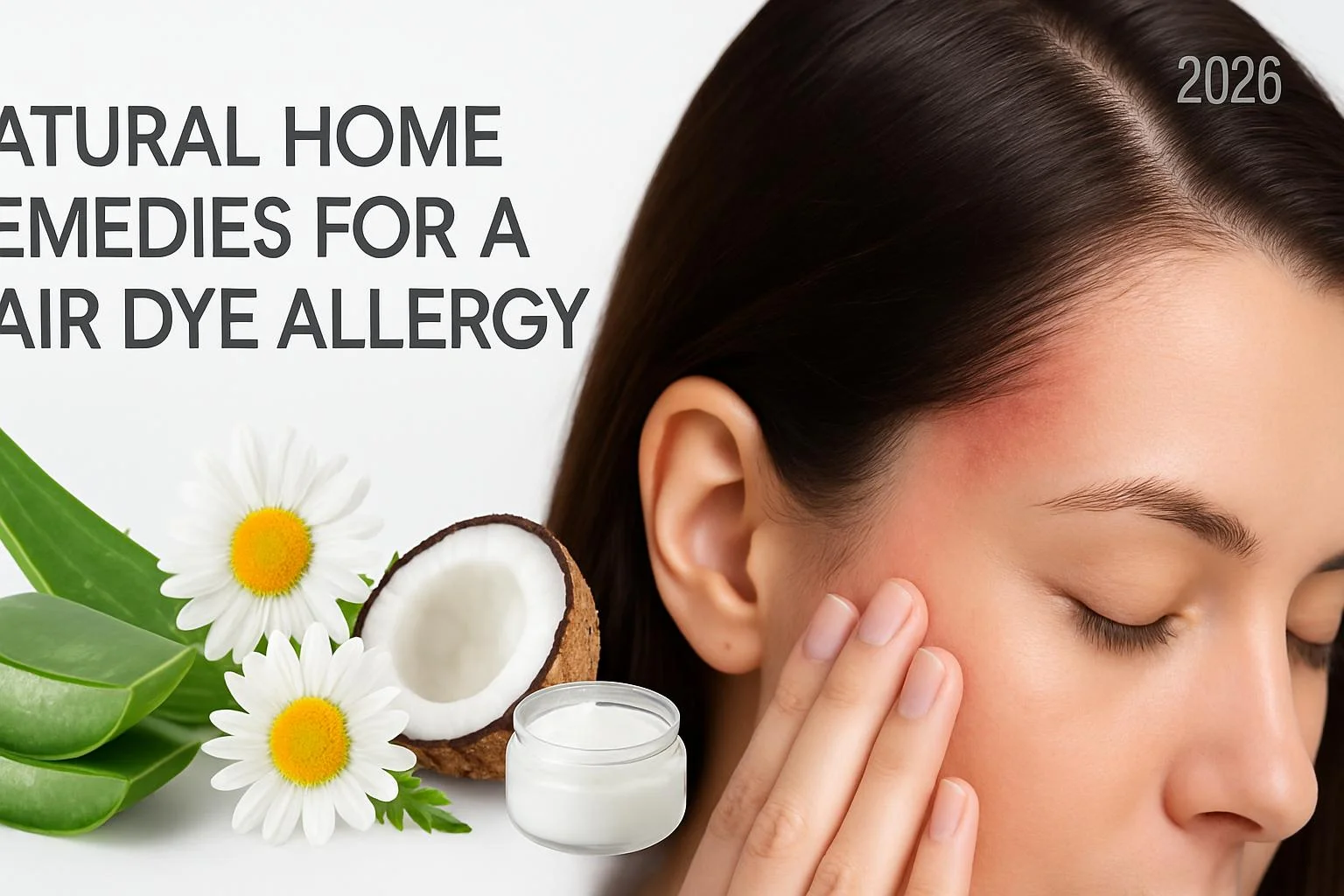
If you’ve ever experienced the stinging, itching, or redness that comes with a hair dye allergy, you know how uncomfortable it can be. With more people coloring their hair at home than ever before, understanding how to safely manage and treat these reactions has become increasingly important. This guide will walk you through effective home remedies that can provide relief, while also explaining when it’s crucial to seek professional medical help.
An allergic reaction to hair dye can be frightening, but most cases can be managed effectively with prompt and proper care. The key is knowing what to do immediately, which remedies actually work, and when to consult a doctor. We’ve compiled the most up-to-date information for 2025 to help you navigate this uncomfortable situation safely.
What Causes Hair Dye Allergies and How to Identify Them
Most hair dye allergies are triggered by a chemical called para-phenylenediamine (PPD), which is found in many permanent hair dyes. PPD helps create long-lasting color but can also trigger immune responses in some people. Other common culprits include ammonia, persulfates, and other chemical compounds that make up modern hair coloring products.
When you develop an allergic reaction to hair dye, your body is essentially overreacting to what it perceives as a threat. This creates inflammation in the skin, leading to those uncomfortable symptoms you experience. Interestingly, you might use the same hair dye product multiple times without issues before suddenly developing a reaction—allergies can appear at any time, even to products you’ve used safely before.
Common Symptoms of Hair Dye Allergy
Recognizing the signs of a hair dye allergy early can help you take action quickly. Symptoms typically appear within 24-48 hours after application but can sometimes develop immediately. The most common signs include:
- Scalp itching, burning, or stinging that persists
- Redness or rash on the scalp, hairline, ears, or neck
- Swelling of the face, eyelids, lips, or hands
- Blisters or welts that may ooze or crust over
- Dry, flaky, or scaly patches on affected areas
In severe cases, people may experience difficulty breathing or widespread swelling, which requires immediate medical attention.
What to Do Immediately After Noticing a Reaction
Stop the process immediately if you notice any unusual sensations while the dye is still on your hair. Don’t wait to see if it gets worse—the longer the allergen remains in contact with your skin, the more severe the reaction may become.
Rinse thoroughly with cool water for at least 10-15 minutes. Use a gentle, sulfate-free shampoo to help remove any remaining dye chemicals. Avoid hot water, which can increase inflammation and potentially worsen symptoms.
Don’t scratch no matter how intense the itching becomes. Scratching can damage the skin further, introduce bacteria, and lead to infection. If you need relief, try gently pressing a cool cloth against the area instead.
8 Effective Home Remedies for Hair Dye Allergy Relief
1. Cool Compress for Immediate Relief
A simple cool compress is one of the fastest ways to reduce inflammation and soothe itching. The cool temperature helps constrict blood vessels, reducing swelling and numbing the nerve endings that cause itching.
How to use: Soak a clean cloth in cold water, wring out excess water, and apply directly to affected areas for 10-15 minutes. Repeat as needed throughout the day. For enhanced relief, try using chilled chamomile tea instead of plain water—chamomile contains anti-inflammatory compounds that can further calm irritated skin.
2. Colloidal Oatmeal Bath or Paste
Colloidal oatmeal has been used for centuries to soothe irritated skin, and modern science confirms its effectiveness. It contains antioxidants and anti-inflammatory compounds that can relieve itching and reduce redness.
How to use: Grind plain, unflavored oatmeal into a fine powder using a blender or food processor. Mix with cool water to create a paste, then apply directly to affected areas. Alternatively, add one cup of colloidal oatmeal to a cool bath and soak for 15-20 minutes. The American Academy of Dermatology recommends this approach for various types of allergic skin reactions.
3. Aloe Vera Gel Application
Fresh aloe vera gel provides a cooling sensation while actively reducing inflammation and promoting healing. Aloe contains compounds like gibberellins and polysaccharides that help reduce redness and support skin repair.
How to use: Extract gel directly from an aloe plant leaf or use a high-quality, pure aloe product. Apply a thin layer to affected areas three to four times daily. For enhanced cooling benefits, refrigerate the gel before application. Avoid products containing alcohol, fragrance, or other additives that might further irritate sensitive skin.
4. Coconut Oil Moisturization
Coconut oil serves as both a moisturizer and anti-inflammatory agent. Its medium-chain fatty acids, particularly lauric acid, can help reduce inflammation while creating a protective barrier over damaged skin.
How to use: Gently massage a small amount of virgin coconut oil onto affected areas once or twice daily. Since coconut oil can be comedogenic (pore-clogging) for some people, start with a patch test on a small area first. For added relief, consider combining with a drop of lavender essential oil, which has its own anti-inflammatory properties.
5. Baking Soda Paste for Itch Relief
Baking soda (sodium bicarbonate) can help balance skin pH and relieve itching through its mild anti-inflammatory properties. It’s particularly effective for drawing out irritation and creating a soothing sensation on inflamed skin.
How to use: Mix one part baking soda with three parts cool water to create a thin paste. Apply gently to affected areas and leave on for 10-15 minutes before rinsing with cool water. Use no more than twice daily, as overuse could potentially dry out the skin. Always do a patch test first, as baking soda can sometimes cause reactions in very sensitive individuals.
6. Apple Cider Vinegar Rinse
Apple cider vinegar contains acetic acid, which can help restore the skin’s natural pH balance and reduce inflammation. Its antimicrobial properties may also help prevent infection in scratched areas.
How to use: Dilute raw, unfiltered apple cider vinegar with an equal amount of cool water. Apply to affected areas with a cotton ball, leave on for 5-10 minutes, then rinse thoroughly. Never apply undiluted vinegar to irritated skin, as it can cause further irritation and stinging.
7. Witch Hazel Compress
Witch hazel is a natural astringent with anti-inflammatory properties that can help reduce swelling and soothe irritated skin. It contains tannins that can help relieve itching and tighten inflamed tissue.
How to use: Apply witch hazel directly to a cool compress or cotton pad and gently dab onto affected areas. Leave on without rinsing. Reapply two to three times daily as needed. Choose alcohol-free witch hazel to avoid unnecessary drying of the skin.
8. Calendula Cream or Oil
Calendula (marigold) has been used traditionally to treat various skin inflammations and irritations. Research suggests it can stimulate skin repair while reducing inflammation and discomfort.
How to use: Apply calendula cream or oil to affected areas two to three times daily. You can find prepared calendula products at most health food stores or prepare an infusion by steeping dried calendula flowers in carrier oil for several weeks.
When to Seek Medical Attention
While most mild hair dye reactions can be managed at home, certain symptoms require professional medical evaluation. Contact a healthcare provider immediately if you experience:
- Difficulty breathing or swallowing
- Swelling that affects your eyes, lips, or tongue
- Severe blistering or oozing over a large area
- Fever accompanying the skin reaction
- Symptoms that continue worsening despite home treatment
- Signs of infection, such as increased pain, warmth, pus, or red streaks
A dermatologist can prescribe stronger treatments like corticosteroid creams or oral antihistamines for moderate to severe reactions. In extreme cases, they may recommend prescription-strength interventions to quickly control the immune response.
How to Prevent Future Hair Dye Allergies
Always Perform a Patch Test
The American Academy of Dermatology strongly recommends patch testing before every hair coloring session, even if you’ve used the same product before. To properly test:
- Mix a small amount of the hair dye as you would for full application
- Apply a dime-sized amount to the inside of your elbow or behind your ear
- Leave on for 48 hours without washing
- Watch for any signs of redness, swelling, or itching
If no reaction occurs, the product is likely safe for you to use. If you notice any irritation, choose a different product or consult a dermatologist for alternative hair coloring options.
Consider Safer Hair Coloring Alternatives
If you’re prone to reactions or have sensitive skin, consider these PPD-free alternatives:
- Vegetable-based dyes like henna, which coat the hair shaft rather than penetrating it
- Ammonia-free color products that are generally gentler on skin
- High-lift color options that don’t require pre-lightening
- Professional salon applications where technicians can use techniques to minimize skin contact
Practical Application Tips
- Apply petroleum jelly around your hairline, ears, and neck before coloring to create a protective barrier
- Wear gloves during application to prevent skin contact
- Never leave dye on longer than recommended
- Rinse thoroughly with cool water until it runs clear
- Follow package instructions precisely—don’t improvise with application times or techniques
Moving Forward With Confidence
Dealing with a hair dye allergy can be uncomfortable, but with these evidence-based home remedies and preventive strategies, you can manage symptoms effectively and make safer choices for future hair coloring. Remember that while home remedies work well for mild reactions, more severe symptoms always warrant professional medical care.
By understanding what causes these reactions, how to treat them, and—most importantly—how to prevent them, you can continue to enjoy coloring your hair while minimizing risks to your health.
Have you experienced hair dye reactions before? Share your experiences and what worked for you in the comments below. If you found this article helpful, explore our other guides to hair care and allergen-free beauty products for more practical tips.
People Also Ask
How long does hair dye allergy last?
Most reactions resolve within 1-2 weeks with proper treatment, though severe cases may take longer.
Can you suddenly become allergic to hair dye?
Yes, allergies can develop suddenly even after years of using the same product without issues.
What can I use instead of hair dye if I’m allergic?
Consider vegetable-based dyes, henna, or professional alternatives that avoid PPD and other common allergens.
How do I know if I’m allergic to hair dye?
A patch test 48 hours before full application is the most reliable method to identify potential reactions.