Planning a surprise proposal takes more effort than it might seem. When you’re about to ask someone to spend their life with you, careful preparation makes the moment memorable for all the right reasons.
Here are the key considerations that will help you create that perfect moment.
Choose the Right Ring
Most people value the engagement ring as a meaningful symbol, though some care more about the gesture than the specific piece of jewelry. Either way, you should choose something thoughtfully.
You’ll find quality rings at various price points. When shopping, look beyond cost alone. Consider the band’s craftsmanship, the stone quality, and whether the style matches your partner’s taste.
If you’re unsure about preferences, discreetly ask close friends or family members who know your partner well. Visit multiple jewelers before deciding. This gives you a better sense of what’s available and helps you make a confident choice.
Plan With Adequate Time
Start your proposal planning early enough to execute your vision properly. Last-minute scrambling often leads to compromises you’ll regret.
If you’re handling arrangements yourself, you won’t need to hire help in advance. Choose your proposal location first—whether that’s outdoors, at home, or somewhere personally meaningful. Consider timing carefully, especially if you want specific people present.
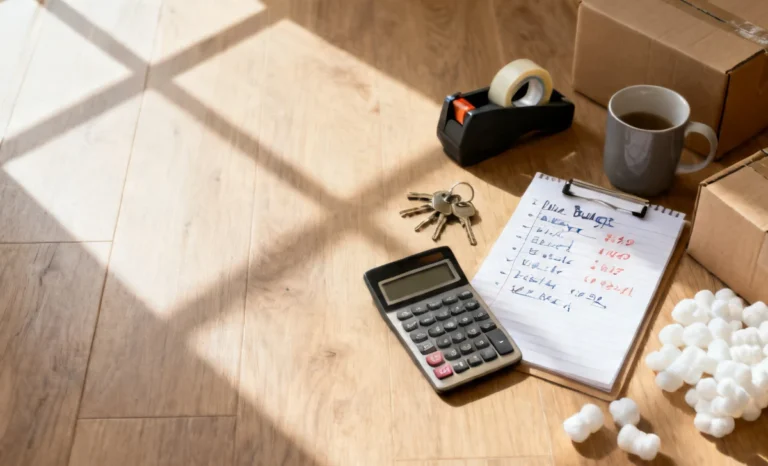
Keep in mind: the more people you want to include, the harder it becomes to find a time that works for everyone. Set a realistic budget that covers your ring, any venue costs, and extras like flowers or photography.
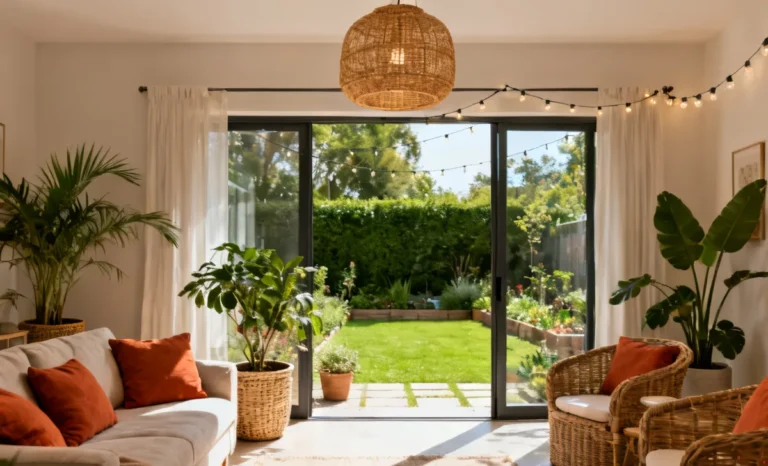
For an intimate proposal at home, you might prepare your partner’s favorite meal, set up candles, and create a simple romantic atmosphere. This approach requires less advance planning but still deserves thoughtful preparation.
Prepare What You’ll Say
Your proposal speech should reflect your unique relationship. It needs to feel genuine and remind your partner of the experiences you’ve shared together.
You can take the traditional approach by getting down on one knee, or you can find a more personal way to ask. The more your approach reflects who you are as a couple, the more meaningful it will feel.
Think about what you want to say beforehand, but don’t over-script it. Your partner will appreciate sincerity more than perfectly rehearsed words. Focus on expressing why you want to build a life together.
Keep It Actually Secret
Keeping a proposal secret is harder than it used to be. We often accidentally reveal plans through casual comments or digital traces.
The safest approach is to limit who knows. Handle arrangements yourself when possible, and only involve people you completely trust to stay quiet. If you have doubts about someone, leave them out of the planning.
Pay attention to how your preparations might give things away. Use cash instead of credit cards for purchases you don’t want showing up in shared accounts or email notifications. If you’re having items delivered, arrange pickup somewhere your partner won’t see them.
Try to handle preparations when your partner is occupied elsewhere. This reduces the chance of accidental discovery and keeps you from having to explain suspicious behavior.
Conclusion
Planning a surprise proposal doesn’t require perfection—it requires thoughtfulness. When you take time to choose a meaningful ring, prepare adequately, speak from the heart, and maintain secrecy, you create the foundation for a memorable moment.
The best proposals aren’t necessarily the most elaborate. They’re the ones that feel authentic to your relationship and show your partner that you’ve paid attention to what matters to them. Focus on these core elements, stay organized, and trust that your genuine intention will come through.
Your partner will remember how the proposal made them feel, not whether every detail went exactly as planned.
FAQs
How far in advance should I start planning a proposal?
Start planning at least 2-3 months before you want to propose. This gives you time to shop for a ring, scout locations, and handle logistics without rushing. If your proposal involves coordinating with other people or booking a specific venue, you may need even more lead time. For simpler at-home proposals, 3-4 weeks can be sufficient.
What if I don’t know my partner’s ring size or style preference?
Discreetly ask close friends or family members who might know. You can also borrow a ring your partner already wears (from the correct finger) and have it sized at a jeweler. Many jewelers offer free resizing after purchase if you get it slightly wrong. If you’re genuinely unsure about style, choose a classic design that can be exchanged or upgraded later—many couples shop together for the final ring after the proposal.
How do I keep the proposal secret if we share finances?
Use cash for proposal-related purchases to avoid transaction alerts in shared accounts. If you need to use a card, consider opening a separate account temporarily or using a personal card that your partner doesn’t monitor. Save receipts and emails to a private folder. When making arrangements by phone or email, do so when your partner isn’t nearby. If questioned about unusual activity, have a plausible cover story ready that doesn’t raise suspicion.