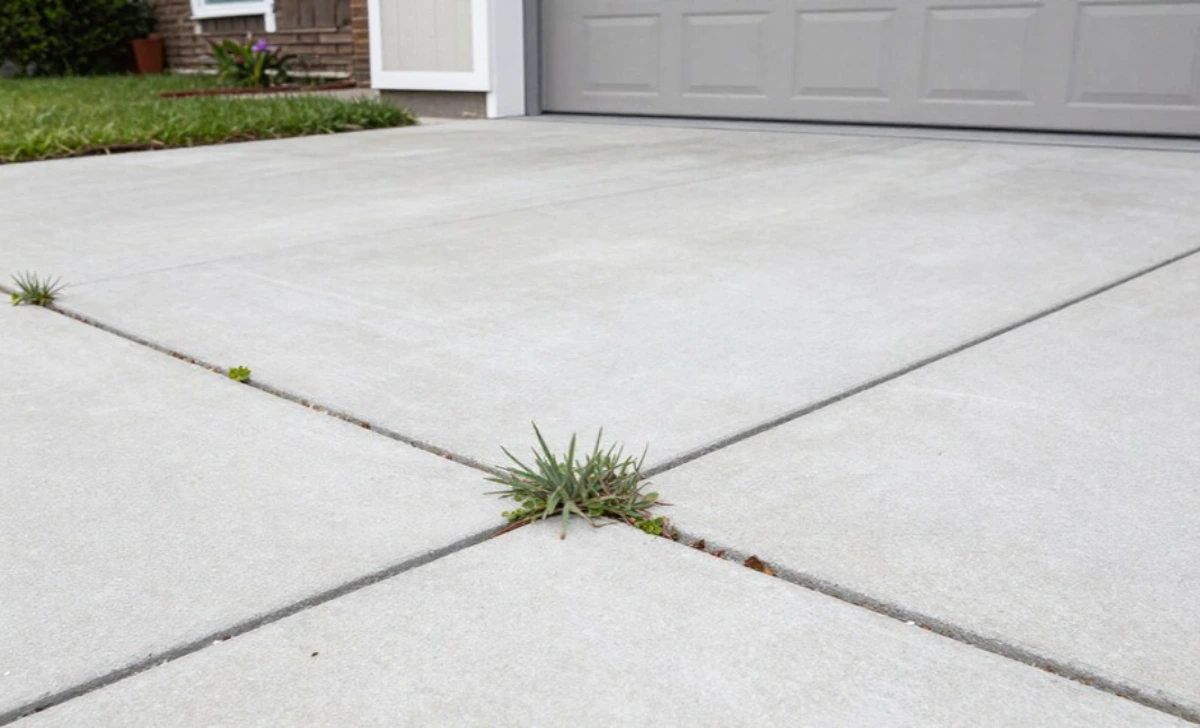
Weeds growing in your driveway create an unkempt appearance and can damage pavement over time. The good news: multiple removal methods exist, ranging from manual techniques to chemical treatments.
This guide covers six approaches to remove driveway weeds and practical prevention strategies to reduce future growth.
Why Weeds Grow in Driveways
Driveways provide conditions that support weed growth:
- Cracks and crevices trap seeds and soil particles
- Heat absorption creates warm growing conditions
- Moisture collection in gaps and low spots
- Reduced competition from other plants
Understanding these factors helps you choose appropriate removal and prevention methods.
6 Methods to Remove Driveway Weeds
1. Hand-Pulling
Manual removal works best for small areas and individual weeds.
Steps:
- Water the area or pull after rain when the soil is moist
- Grasp weeds close to ground level
- Pull slowly to extract the entire root system
- Fill remaining holes to discourage regrowth
Expect to repeat this process multiple times. New weeds will continue sprouting from dormant seeds in cracks.
2. Boiling Water
Boiling water kills weeds through thermal shock without chemicals.
Application:
- Boil water in a large pot
- Pour directly onto target weeds
- Repeat every few days for persistent weeds
This method works best for weeds in cracks or isolated areas. Avoid contact with desirable plants, as boiling water kills all vegetation.
3. Vinegar Solution
A homemade vinegar mixture provides a natural herbicide option.
Recipe:
- 8 liters of white vinegar
- 228 grams of salt
- 1 cup lemon juice
- 2 tablespoons dish soap
Spray directly on weeds. The acetic acid damages plant tissues while the salt dehydrates roots. Works best on young weeds in sunny conditions.
Repeated applications may be needed for established weeds with deep roots.
4. Propane Torch
A weed torch uses intense heat to rupture plant cells.
Process:
- Use a long-handled propane weed torch
- Pass flame over weeds for 2-3 seconds
- Plant cells burst from the heat, killing the weed
Follow the manufacturer’s safety instructions. Keep the torch away from flammable materials and use it on calm days. Multiple treatments may be needed for perennial weeds.
5. Horticultural Vinegar
Horticultural vinegar contains 20% acetic acid (versus 5% in household vinegar).
Mix with:
- Orange oil
- Phosphate-free dish soap
This concentration damages plant cells more effectively than household vinegar. Wear gloves and eye protection during application, as concentrated acetic acid can irritate skin and eyes.
Apply on dry, sunny days for best results. May harm desirable plants if overspray occurs.
6. Glyphosate-Based Herbicides
Non-selective herbicides containing glyphosate kill most plants on contact.
Application guidelines:
- Apply on calm, dry days
- Spray directly on target weeds
- Keep children and pets away until the spray dries
- Follow product label instructions
These products kill any vegetation they contact. Use carefully near lawns, gardens, or landscape beds. Some weeds may require multiple applications.
Preventing Weed Growth
Reducing weed establishment requires less effort than repeated removal.
Seal Cracks and Gaps
Crack filling eliminates spaces where seeds lodge and germinate.
Use concrete crack filler or asphalt sealer to close gaps. Inspect and reseal annually, as temperature changes create new cracks over time.
Install Weed Barrier
For new driveways or major renovations, landscape fabric blocks weed growth.
Installation:
- Remove existing vegetation
- Level and compact soil
- Lay weed barrier fabric
- Cover with gravel or paving material
Fabric degrades over time. Effectiveness typically lasts 5-10 years, depending on material quality and installation.
Resin-Bound Surfaces
Resin-bound driveways create a solid, permeable surface that resists weed penetration. This option requires professional installation and represents a significant investment compared to other prevention methods.
Consider this option during major driveway replacement projects rather than as a standalone weed control measure.
Maintenance Schedule
Maintain a weed-free driveway through regular attention:
- Weekly inspection for new weed growth
- Immediate removal of small weeds before root systems establish
- Debris cleanup to eliminate seed sources
- Quarterly treatment with the chosen control method
Consistent maintenance reduces overall time spent on weed control.
When to Hire Professionals
Consider professional services if:
- Weed growth covers large driveway areas
- Multiple DIY methods produce minimal results
- Physical limitations prevent manual removal
- You prefer commercial-grade treatments
Professional applicators have access to stronger herbicides and specialized equipment not available to homeowners.
Environmental Considerations
Some removal methods affect surrounding areas:
- Chemical herbicides can run off into storm drains
- Salt-based solutions may damage soil and nearby plants
- Vinegar solutions affect soil pH temporarily
Manual removal and boiling water create minimal environmental impact. If using chemicals, choose products labeled as biodegradable and apply according to package directions to minimize runoff.
Choosing the Right Method
Match your approach to your situation:
- For light weed growth: Hand-pulling or boiling water
- For moderate infestations: Vinegar solutions or propane torch
- For severe problems: Horticultural vinegar or glyphosate herbicides
- For long-term prevention: Crack sealing and barriers
Most homeowners find success combining immediate removal with prevention strategies. Start with less aggressive methods and escalate only if needed.
Regular maintenance prevents weeds from establishing deep root systems, making control easier over time.
Conclusion
Removing weeds from your driveway requires choosing the right method for your specific situation and committing to regular maintenance. Start with manual removal or natural solutions like boiling water for light infestations. Graduate to stronger options only when simpler methods prove insufficient.
The real solution lies in prevention. Seal cracks promptly, install barriers during driveway construction, and inspect weekly for new growth. These proactive steps reduce the time and effort you spend fighting weeds year after year.
Your choice of removal method depends on weed severity, environmental concerns, and physical capability. Combine immediate treatment with long-term prevention for lasting results. A clean driveway enhances your property’s appearance and protects your pavement investment from root damage.