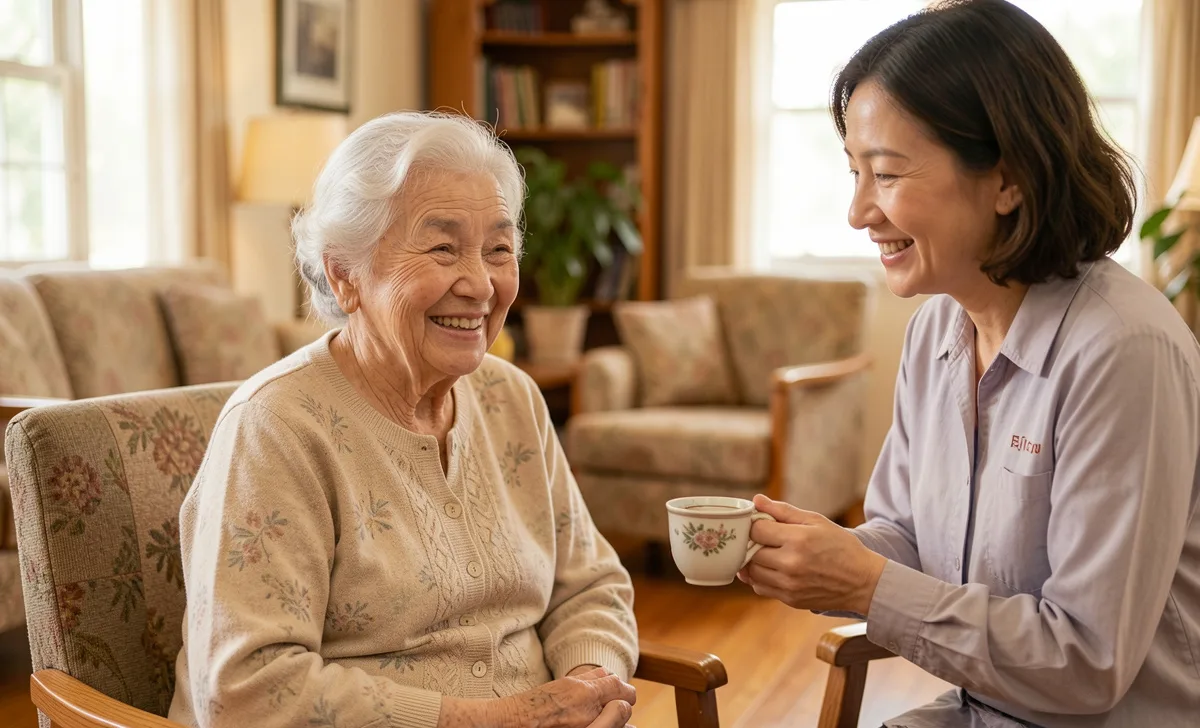
When a parent, spouse, or loved one receives a dementia diagnosis, families often face an overwhelming question: Can we continue to provide safe, compassionate care at home, or is it time to consider dementia assisted living?
If you’ve been losing sleep over this decision, you’re not alone. Many families struggle with guilt, fear, and uncertainty. The good news is that dementia assisted living has evolved significantly. Today’s memory care environments are designed not just for safety, but for dignity, engagement, and genuine quality of life.
This guide walks you through the real-world advantages of dementia assisted living – so you can make a confident, informed choice for someone you love.
Understanding the Challenge: Why Home Care May Not Be Enough
Dementia is more than simple forgetfulness. It is a progressive health condition that changes how a person thinks, feels, and behaves. Symptoms can range from mild memory lapses to severe disorientation, personality shifts, and physical decline.
Caring for a senior with dementia at home often starts with good intentions. A family member may take on the role of primary caregiver. But as the disease advances, one person—no matter how devoted—cannot safely provide 24-hour monitoring, medication management, behavioral support, and social engagement alone.
Common questions families ask include:
- “Mom wanders at night. How can we keep her safe while we sleep?”
- “Dad has become agitated and sometimes aggressive. Is this normal, and how do we manage it?”
- “We feel isolated. Are there places where Mom can socialize with others who understand her condition?”
- “How do we know when it’s time to move from home care to a dementia assisted living facility?”
These are valid concerns. And they point to one truth: sometimes, the most loving decision is to seek professional support.
1. A More Relaxed Environment Reduces Anxiety and Agitation
One of the most distressing aspects of dementia is the emotional turbulence it brings. Many seniors become easily overwhelmed by loud noises, unfamiliar faces, or changes in routine. At home, even simple activities like cooking, cleaning, or answering the phone can trigger confusion and fear.
Dementia assisted living communities are intentionally designed to be calm, predictable, and soothing. Hallways are often color-coded to help with wayfinding. Lighting is soft. Noise levels are controlled. Staff members are trained to speak gently and redirect agitation rather than confront it.
Families frequently report that within weeks of moving into a memory care or assisted living community, their loved one’s anxiety noticeably decreases. The structured daily routine—meals at the same time, familiar caregivers, consistent activities—provides a sense of security that is difficult to replicate in a private home.
Real-world example: One daughter shared that her father, who had become aggressive during evening hours at home, began sitting peacefully in a common area after dinner at his dementia assisted living community. Without the pressure of “what to do next,” he finally relaxed.
2. Increased Safety Through Professional Oversight
Safety is usually the tipping point for families. Seniors with dementia face risks that able-bodied adults never think about: leaving the stove on, forgetting to lock doors, wandering outside in cold weather, or taking medication twice because they forgot the first dose.
Dementia assisted living communities address these dangers with layered safety measures:
- 24-hour monitoring – Staff are always present, both awake and overnight.
- Wander prevention systems – Alarmed doors and secure outdoor courtyards allow freedom without risk.
- Reminder presentations – Caregivers gently prompt residents to eat, take medications, and use the restroom.
- Regular staff training – Team members learn de-escalation techniques, fall prevention, and emergency response.
One family caregiver put it this way: “I used to call my mom every two hours just to make sure she hadn’t left the house. After she moved into dementia assisted living, I finally slept through the night for the first time in two years.”
Additionally, senior housing facilities conduct regular safety audits. They check for trip hazards, test emergency systems, and ensure that all common areas remain accessible and secure. This level of oversight is nearly impossible for a single family member to replicate at home.
3. Socialization Opportunities That Combat Withdrawal and Depression
Dementia often leads to social withdrawal. A person may stop answering the phone, refuse visits from friends, or lose interest in hobbies they once loved. This isolation frequently deepens into depression, which, in turn, accelerates cognitive decline.
Dementia assisted living changes that dynamic. These communities are built around group activities, shared dining, and spontaneous conversation. A resident who would never initiate a conversation at home may, in a supportive setting, join a music therapy session or sit with others during afternoon bingo.
Socialization opportunities include:
- Group exercise classes designed for varying mobility levels
- Art and craft sessions that focus on process, not product
- Pet therapy visits
- Sing-alongs and live musical performances
- Memory cafes where residents and families can gather without judgment
One assisted living director noted: “We see people come in who haven’t spoken more than a few words in months. After a few weeks of gentle encouragement and peer interaction, they start laughing again. That’s not just nice—it’s therapeutic.”
For seniors who feel confused, angry, or lost with their illness, a comprehensive support network makes all the difference. Instead of relying on impromptu visits from friends or family members they may no longer recognize, residents build new, meaningful connections with people who understand their daily reality.
4. Tailored Dementia Care That Adapts to Individual Needs
No two people experience dementia the same way. Some remain physically active but lose language skills. Others become frail but retain a cheerful personality. Dementia assisted living recognizes this variability through personalized care plans.
Upon admission, staff members assess the resident’s:
- Cognitive abilities
- Physical health and mobility
- Medication needs
- Personal preferences (food, bedtime, activities)
- Behavioral patterns (wandering, agitation, sundowning)
From there, a care team develops a living plan that evolves with the person. As dementia progresses, additional support is added—such as help with bathing, dressing, or eating—without requiring a move to a different facility.
This flexibility offers peace of mind to families. You don’t have to constantly search for the next level of care. The community grows with your loved one.
Common concern addressed: “What if my husband needs more help later?” Most dementia assisted living communities offer a continuum of support, from minimal assistance to full-time nursing oversight.
5. Relief for Family Caregivers and Improved Family Relationships
One often-overlooked advantage of dementia assisted living is the positive impact on family members. Family caregivers are at high risk for burnout, depression, and even physical illness. Trying to do everything alone can lead to resentment, exhaustion, and strained relationships.
When a senior moves into a dementia assisted living community, the family role shifts from primary caregiver back to loving relative. Visits become about sharing a meal, looking at photo albums, or sitting together in a garden—not managing medications or cleaning up accidents.
Many families report that their relationship with their loved one actually improves after the move. There’s less frustration, fewer arguments, and more quality time.
As one son explained: “I was so focused on keeping Dad safe that I stopped just being his son. Now when I visit, we listen to old jazz records. I’m not checking his pillbox every five minutes.”
6. Professional Expertise in Managing Challenging Behaviors
Dementia can trigger behaviors that feel personal or intentional, but they are symptoms of brain changes. These may include:
- Repeated questioning
- Accusations (“You stole my money”)
- Shadowing (following a caregiver everywhere)
- Resistance to bathing or dressing
- Rummaging through drawers
Family members often react emotionally—arguing, correcting, or becoming hurt. Dementia assisted living staff are trained to respond differently. They use redirection, validation therapy, and environmental adjustments to manage behaviors without distress.
This expertise reduces the need for antipsychotic medications and lowers the risk of caregiver injury. It also preserves the senior’s dignity.
7. Nutritious Meals Without the Stress of Cooking
Many seniors living alone with dementia stop eating properly. They may forget to grocery shop, leave food out until it spoils, or lose the ability to use appliances safely.
Dementia assisted living communities provide three balanced meals daily in a communal dining setting. Staff can accommodate texture-modified diets, allergies, and personal preferences. For those who need help, caregivers offer gentle feeding assistance.
Proper nutrition stabilizes mood, maintains physical strength, and slows cognitive decline. Families no longer have to worry about whether their loved one is eating enough—or eating safely.
When Is the Right Time to Consider Dementia Assisted Living?
There is no single perfect moment. However, experts suggest considering dementia assisted living when:
- Wandering becomes a safety risk
- The senior has lost significant weight or refuses to eat
- Falls or injuries occur more than once
- The family caregiver’s health is declining
- Personal hygiene is being neglected
- The senior expresses loneliness or fear when alone
If any of these sound familiar, it’s worth touring a few memory care or dementia assisted living communities. Ask about staff training, resident-to-caregiver ratios, and how they handle late-night anxiety or aggressive episodes.
Final Thoughts: A Decision Made from Love
Choosing dementia assisted living for a loved one is never easy. It can feel like giving up or failing. But in reality, it is an act of courage and love. You are choosing safety over guilt. Dignity over exhaustion. Connection over isolation.
The advantages—reduced anxiety, 24-hour monitoring, meaningful socialization, tailored care, family relief, expert behavioral support, and proper nutrition—are not just checkboxes on a brochure. They are lifelines for both the senior and the people who love them.
If you are exploring senior housing facilities, take your time. Ask hard questions. Visit more than once. Trust your gut. And remember: the goal is not to find a perfect place, but to find the right place for your unique person.
Because at the end of the day, everyone deserves to age with compassion, safety, and joy—no matter what dementia takes away.