Academic Pathways and Professional Certifications in Sports and Recreation
For those passionate about sports and recreation, a fulfilling career often begins with a strong academic foundation. The field offers diverse educational pathways, leading to professions that range from managing large-scale athletic facilities to providing therapeutic interventions. These programs are designed to equip students with the knowledge and skills necessary to lead, manage, and innovate within this dynamic sector.
Accreditation plays a crucial role in ensuring the quality and relevance of these academic programs. Since 1984, the National Council on Accreditation of Parks, Recreation, Tourism, and Related Professions (COAPRT) has been recognizing nationally accredited recreation programs. This accreditation signifies adherence to rigorous professional standards, ensuring graduates are well-prepared for the demands of the industry.

The academic landscape typically features two prominent degree pathways: Sport and Recreation Management and Recreational Therapy. While both contribute to the broader field, they cater to distinct career aspirations and require different specializations.
Pathway Primary Focus Key Skills Developed Typical Career Settings Sport & Recreation Management Business, operations, leadership, event planning Administration, marketing, finance, facility management University recreation, community centers, professional sports, event management, fitness clubs Recreational Therapy Clinical application, therapeutic interventions Assessment, treatment planning, client advocacy, program adaptation Hospitals, rehabilitation centers, mental health facilities, schools, long-term care 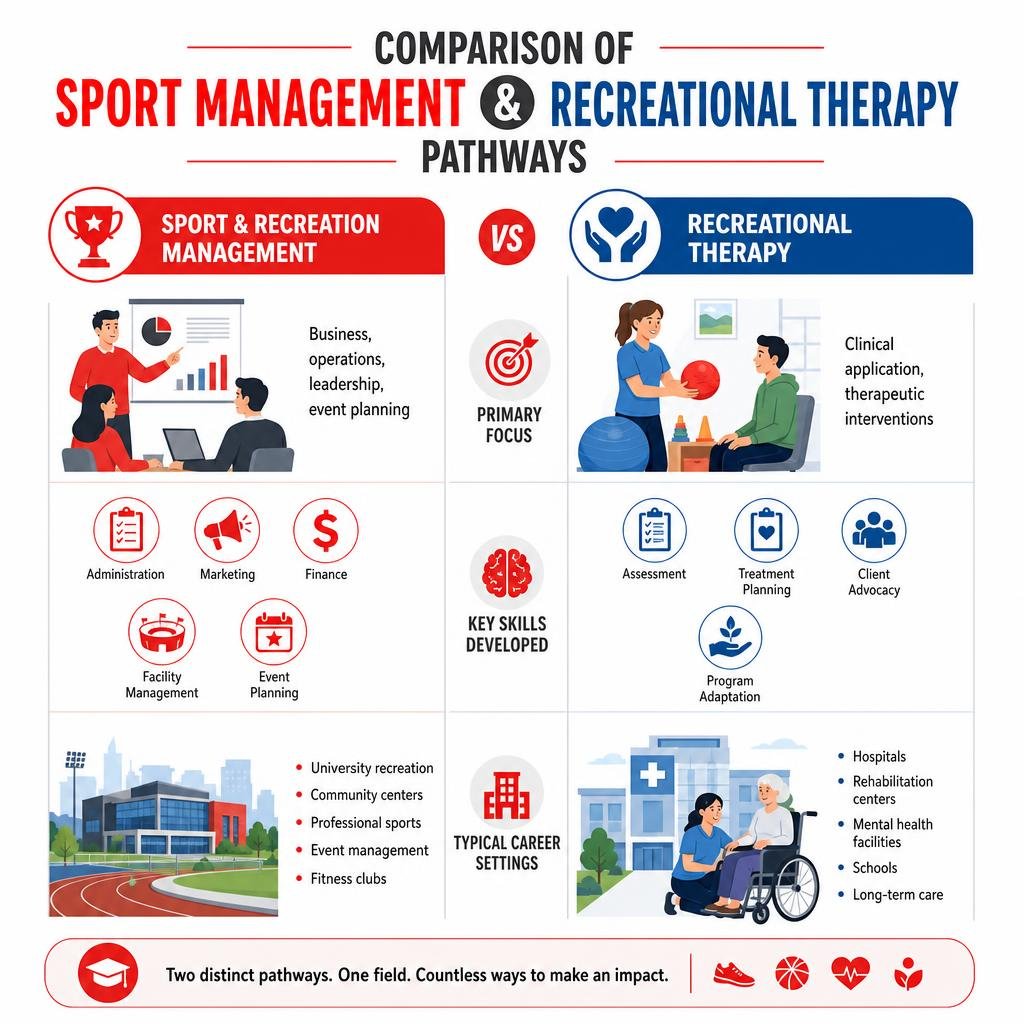
Sport and Recreation Management Degrees
A degree in Sport and Recreation Management provides a comprehensive understanding of the business and administrative aspects of the industry. Students delve into subjects such as organizational leadership, financial management, marketing strategies, and event planning. The curriculum often includes courses on legal issues in sport, facility operations, and human resource management, preparing graduates to oversee diverse recreational offerings.
The goal of these programs is to develop leaders who can effectively manage and operate sports facilities, community recreation centers, and large-scale events. Graduates learn to create engaging programs, optimize resource allocation, and ensure participant safety and satisfaction. This pathway is ideal for individuals who envision themselves in roles that involve strategic planning, team supervision, and the day-to-day operations of recreational enterprises. For instance, understanding the intricacies of scheduling and logistics is vital for coordinating major athletic events, much like those that determine Sports and recreation World Baseball Classic dates.
Recreational Therapy and CTRS Credentials
Recreational Therapy, on the other hand, is a clinically oriented profession focused on using recreation and other activity-based interventions to improve the health and well-being of individuals with illnesses or disabling conditions. This pathway emphasizes therapeutic recreation, where activities are purposefully chosen and adapted to address specific physical, cognitive, emotional, and social needs.
Students in Recreational Therapy programs learn about human anatomy and physiology, psychology, and various therapeutic modalities. They gain expertise in client assessment, treatment planning, and program evaluation. The ultimate goal is to help individuals restore function, reduce depression, build confidence, and integrate into the community.
Upon graduation, professionals in this field often pursue specialized certifications. The Certified Therapeutic Recreation Specialist (CTRS) credential is the primary certification for recreational therapists. Eligibility typically requires a bachelor’s or master’s degree in recreational therapy from an accredited program, along with a supervised internship. Another significant certification for recreation professionals is the Certified Park and Recreation Professional (CPRP). All students completing accredited recreation majors are eligible to sit for the CPRP national examination, which validates a broad understanding of park and recreation principles and practices. These certifications are crucial for demonstrating professional competence and enhancing career opportunities in both clinical and community settings.
The Role of Internships and Experiential Learning
Practical experience is an invaluable component of any education in sports and recreation, transforming theoretical knowledge into applicable skills. Internship programs are specifically designed to bridge the gap between academic learning and professional practice, offering students real-world exposure to the industry.
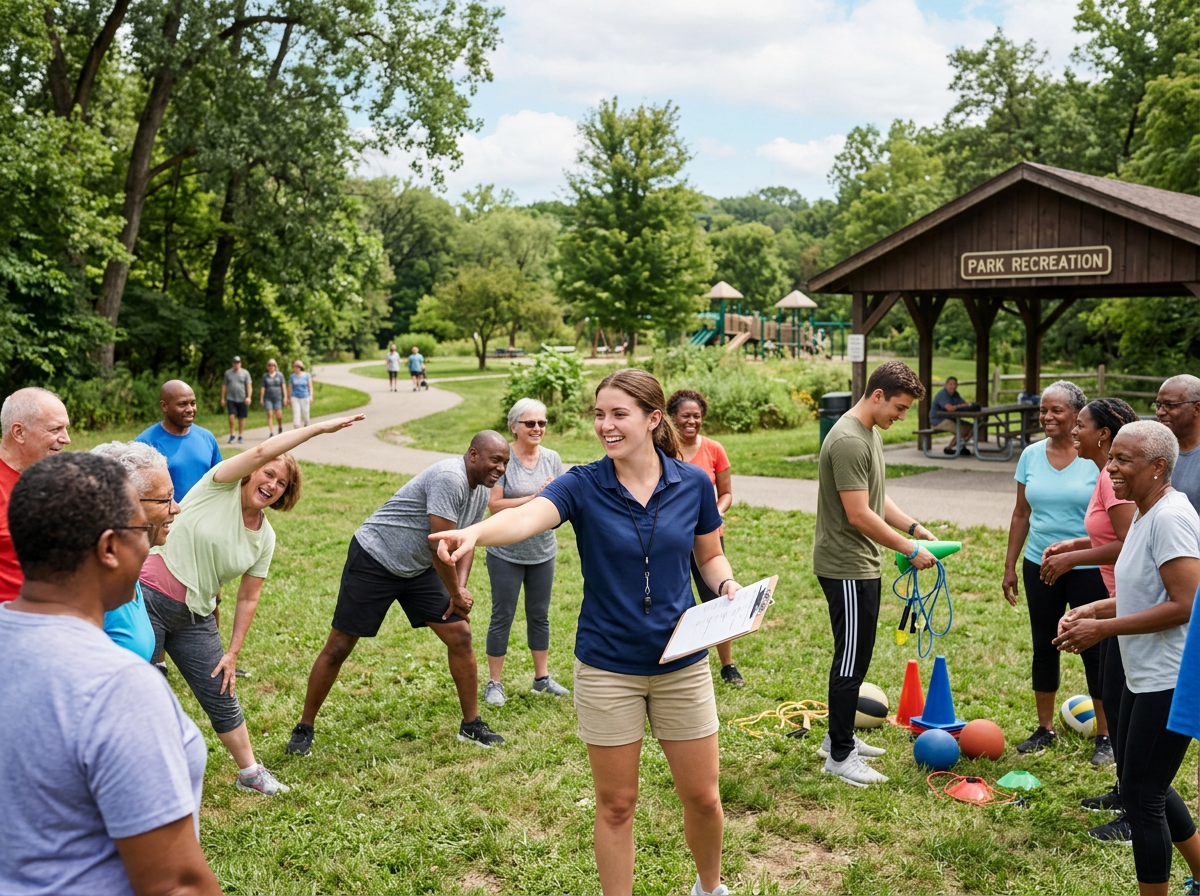
These experiential learning opportunities come in various forms, including junior internships and more extensive final-semester field experiences. Junior internships often allow students to explore different facets of the field, helping them refine their career interests. Final-semester internships, conversely, are typically more immersive, providing students with significant responsibilities and the chance to lead projects under professional supervision.
Through these placements, students gain hands-on experience in program development, facility management, event coordination, and client interaction. They learn to navigate the complexities of organizational structures, apply problem-solving skills in dynamic environments, and develop a professional network that can be critical for future employment. This direct exposure enhances career readiness, making graduates more competitive in the job market.
Recreation graduates have secured employment across a wide spectrum of organizations, highlighting the versatility of their skills. Traditional agencies like the YMCA, state park departments, and university campus recreation facilities are common destinations. However, opportunities also extend to healthcare settings, consulting firms, and even law enforcement agencies, demonstrating the broad applicability of recreation principles in promoting community well-being and engagement.
Modern Facilities and Diverse Programming in Campus and Community Hubs
The landscape of sports and recreation is continuously evolving, marked by innovative facility design and a diverse array of programming tailored to meet contemporary community needs. Modern recreation centers, whether on university campuses or within local communities, are no longer just gymnasiums; they are multi-functional hubs designed for holistic wellness and engagement.
These facilities often feature state-of-the-art multi-purpose courts that can accommodate a variety of sports, from basketball and volleyball to the rapidly growing sport of pickleball. Beyond traditional sports, a comprehensive suite of fitness classes, aquatics programs, and adventure programs are typically available. This includes everything from yoga and spin classes to climbing walls and outdoor leadership trips. The goal is to provide accessible options for individuals of all ages, interests, and abilities, fostering active lifestyles and community connection. The concept of Limitless Recreation truly comes to life in these adaptable and inclusive spaces.
Campus Sports and Recreation Wellness Initiatives
University recreation centers are at the forefront of promoting student wellness and fostering a vibrant campus community. Institutions like Stanford University, the University of Michigan, McGill University, and the University of Texas at Austin exemplify this commitment, offering extensive programs and facilities.
At Stanford’s Recreation and Wellness, students can engage in intramural sports, participate in diverse group fitness classes, or even explore outdoor adventures through programs like Stanford Pre-Orientation Trips (SPOT). Their Gear Hub also provides essential equipment, ensuring accessibility for all. Similarly, the University of Michigan’s Recreational Sports (soon to be Michigan Recreation as of Fall 2025) boasts a rich history of intramural sports, alongside modern esports programs, adventure leadership trips, and a wide array of fitness options, including Group-X classes and personal training across numerous facilities like IMSB and Canham Natatorium.
McGill Recreation offers a well-equipped gym, indoor pool, running tracks, and various courts, complemented by structured sports lessons, aquatics, yoga, spin, Zumba, and martial arts classes, all managed efficiently through their FusionGO app. UT RecSports provides similar comprehensive offerings, from TeXercise classes and F45 Playoffs to adventure trips, climbing walls, and court reservations, catering to both competitive and casual participants. These campus initiatives are vital for student health, stress reduction, and social integration.
Community Sports and Recreation Programs
Beyond university campuses, community recreation departments play an indispensable role in enhancing the quality of life for residents of all ages and abilities. These departments are central to fostering community engagement, promoting youth and adult sports, and spearheading wellness initiatives.
Organizations like the RA Centre in Ottawa and Madison School & Community Recreation (MSCR) in Madison, Wisconsin, offer extensive programming that includes youth sports, adult leagues, and specialized activities. For example, the RA Centre provides everything from swimming lessons and pickleball courts to summer camps for kids and specialty clubs like chess and euchre, alongside CPR certification courses. Community centers often host a wide variety of youth sports, such as Little League Baseball, soccer, flag football, and Youth aquatic sports like swim teams and water polo, ensuring that children have opportunities for physical activity and skill development.
These programs are often designed with inclusivity in mind, adapting to different age groups, abilities, and interests. They provide structured environments for physical activity, social interaction, and skill development, contributing significantly to public health and community cohesion. Whether it’s through adult volleyball leagues, senior fitness classes, or adaptive sports for individuals with disabilities, community recreation departments strive to meet the diverse needs of their populations.
Economic, Social, and Health Impacts of Infrastructure Investment
Investing in sports and recreation infrastructure, such as new community centers or facility expansions, yields profound economic, social, and health benefits for local communities. These investments are not merely expenditures but strategic catalysts for comprehensive community development.
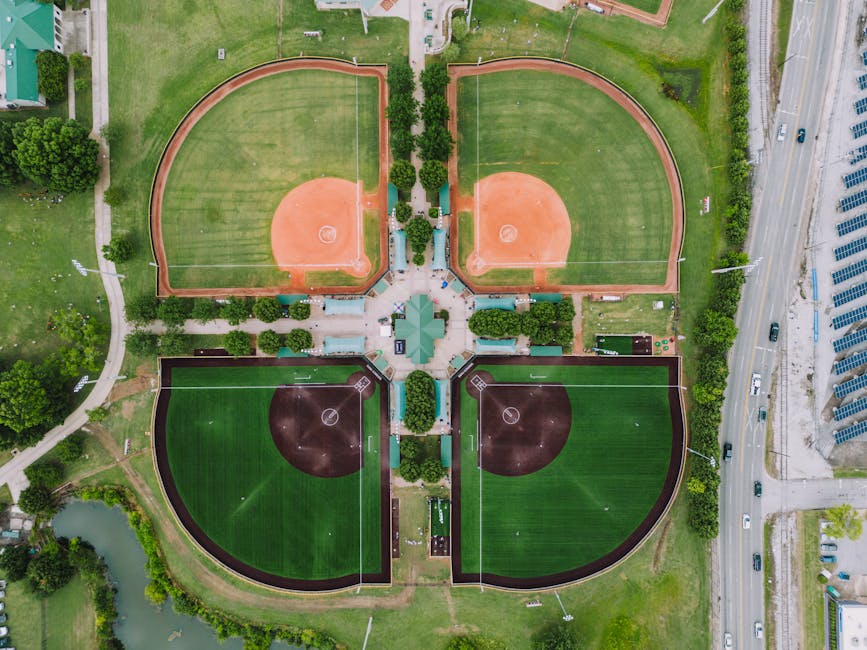
Economically, such projects generate significant direct spending and create jobs. For instance, a proposed $150 million sports and recreation community center in Cary, NC, is expected to generate $15.5 million in direct spending annually and support over 300 jobs. Larger projects, like the envisioned $590 million bond-funded community center in Cary, project an impressive $26.1 million in total economic output, alongside creating 21,300 hotel room nights annually and generating over $700,000 in county tax revenue each year. These figures underscore the substantial financial returns and local economic stimulation that can result from such investments. Furthermore, these facilities often become anchors for sports tourism, attracting visitors and their spending to the region, benefiting local businesses and contributing to the overall vitality of the area, much like how specialized facilities can boost Murray sports and entertainment scenes.
Socially, modern recreation infrastructure acts as a powerful force for community cohesion. Multi-generational hubs, designed to serve people of all ages and backgrounds, become central gathering places. They provide safe and accessible spaces for social interaction, fostering a sense of belonging and reducing social isolation. These centers often include senior-specific amenities alongside youth facilities, creating opportunities for intergenerational engagement and learning.
From a health perspective, increased access to high-quality sports and recreation facilities directly translates to improved public health outcomes. Regular physical activity helps combat chronic diseases, improves mental well-being, and reduces healthcare costs. By providing diverse programming and accessible spaces, these investments encourage active lifestyles, leading to healthier, happier communities. The integration of fitness facilities, walking trails, and organized sports programs offers residents ample opportunities to engage in physical activity, regardless of their age or fitness level.
Adapting to Seasonal Demands, Maintenance, and Emerging Trends
The world of recreation is dynamic, constantly adapting to seasonal changes, the ongoing need for facility maintenance, and evolving community interests. Recreation programs must be flexible and forward-thinking to remain relevant and effective.
Seasonal changes significantly influence programming. Summer, for example, typically sees a surge in outdoor activities, summer camps, and aquatics programs like those offered by the RA Centre. As seasons shift, programs pivot to indoor sports, winter activities, or educational workshops. This continuous adaptation ensures that recreational opportunities are available year-round, catering to the specific demands and weather conditions of each period. Communities like The Village at Winona, with the support of the Winona Lake Parks Department, often showcase how local initiatives can effectively manage seasonal transitions.
Facility maintenance is another critical, ongoing consideration. Regular upkeep, repairs, and modernization are essential to ensure safety, functionality, and participant satisfaction. This can range from routine cleaning and equipment checks to major infrastructure projects, such as the air handler unit replacements undertaken by UT RecSports. Proactive maintenance not only extends the lifespan of facilities but also ensures they meet contemporary standards and user expectations.
Perhaps most exciting is the adaptation to evolving community needs and emerging trends. The rapid rise of sports like pickleball has led many centers to expand their court offerings or convert existing spaces. The Cary Tennis Park, for instance, is planning an expansion that includes 25-30 new pickleball courts. Similarly, the growing popularity of esports has prompted recreation centers to integrate dedicated gaming facilities, recognizing the importance of providing spaces for this burgeoning form of competitive recreation. This integration, as seen in the multi-generational design of new community centers, reflects a commitment to serving a broader demographic and embracing new forms of engagement. Accessibility for individuals with diverse abilities is also a continually evolving area, with facilities and programs striving for greater inclusivity.
Frequently Asked Questions
What are the primary certifications for sports and recreation professionals?
The two primary certifications for professionals in the sports and recreation field are the Certified Park and Recreation Professional (CPRP) and the Certified Therapeutic Recreation Specialist (CTRS). The CPRP is a nationally recognized certification for individuals working in various park and recreation settings, validating a broad understanding of the field. Eligibility typically requires a bachelor’s degree in recreation or a related field from an accredited institution, or a combination of education and experience, followed by passing a national examination. The CTRS is specifically for recreational therapists, requiring a bachelor’s or master’s degree in therapeutic recreation from an accredited program and a supervised internship, culminating in a national certification exam.
How do community recreation centers impact local economies?
Community recreation centers significantly impact local economies through several channels. They generate direct spending from facility usage, program fees, and retail sales. They also create numerous jobs, both full-time and part-time, across various roles from management and instructors to maintenance staff. Furthermore, these centers can attract tourism, especially if they host regional or national sports events, leading to increased hotel stays, restaurant patronage, and shopping. This influx of visitors and their spending contributes to local tax revenues, which can then be reinvested into community services and infrastructure.
What new trends are shaping modern recreational programming?
Modern recreational programming is being shaped by several key trends. The explosion of pickleball’s popularity has led to widespread expansion of courts and dedicated programming for this accessible sport. Esports, or competitive video gaming, is another rapidly growing area, with many recreation centers now integrating esports lounges and tournaments to engage a new demographic. There’s also a strong emphasis on multi-generational facilities and programming, designed to cater to all age groups simultaneously, fostering intergenerational interaction. Additionally, a focus on holistic wellness, including mindfulness, outdoor adventure, and adaptive sports, continues to evolve, reflecting a broader understanding of health beyond just physical fitness.
Conclusion
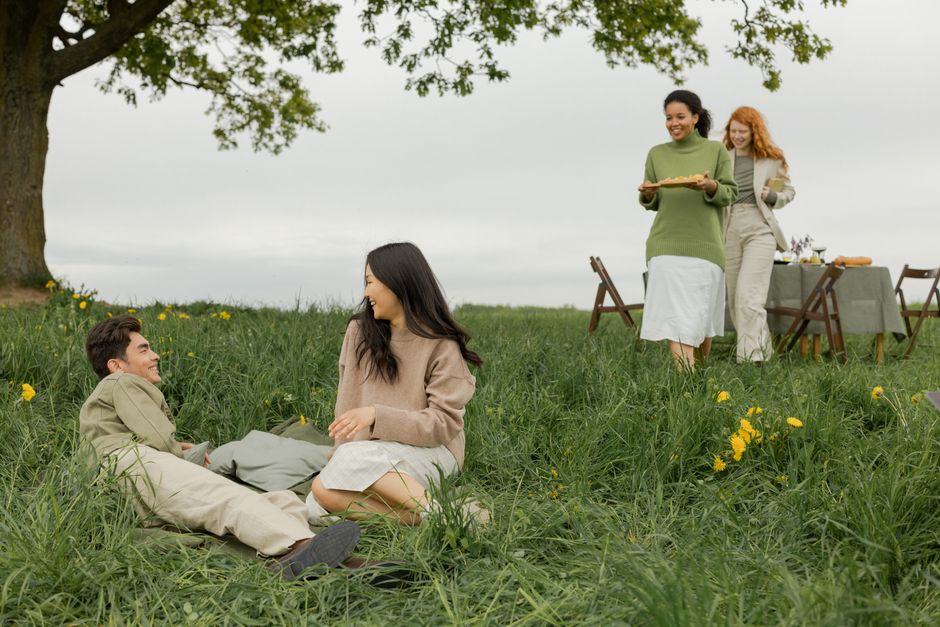
The world of community athletics, recreation, and sports entertainment stands as a testament to the power of human connection, physical activity, and lifelong learning. From the academic pathways that prepare future leaders and therapists to the innovative facilities and diverse programs that engage communities, this sector is a vital engine for well-being and economic growth. We have seen how strategic investments in infrastructure yield substantial economic returns, foster social cohesion, and promote public health across all age groups and abilities.
As recreation departments continue to adapt to seasonal demands, embrace new trends like pickleball and esports, and prioritize accessibility, the future of sports and recreation promises even greater opportunities for engagement and enrichment. The commitment to providing welcoming, inclusive, and inspiring spaces ensures that everyone, regardless of background or ability, can experience the profound benefits of an active and connected life. This dynamic field is not just about playing games; it’s about building stronger communities, fostering individual growth, and promoting a culture of lifelong wellness for all.