Have you ever walked into your bathroom and felt something was missing? Maybe the tiles are fine, the lighting works, but the faucet just feels… boring. You’re not alone. Many homeowners struggle with a bathroom that feels neutral to the point of being bland. While colorful tiles and bold wallpapers aren’t for everyone, there’s a simpler way to breathe new life into your space: upgrading your bathroom faucet.
The faucet is often the first thing you notice when you enter a bathroom. It’s also one of the most frequently used fixtures in your home. Yet, it’s surprisingly easy to overlook. If you’ve been living with a basic, builder-grade faucet that leaks, splashes, or simply looks outdated, 2026 offers more exciting options than ever before.
In this guide, we’ll walk through nine of the most creative bathroom faucet trends this year. We’ll also answer common questions like: Are touchless faucets worth the money? Do LED faucets really save energy? And which style works best for a small bathroom versus a spacious master suite?
Let’s dive in.
Why Your Bathroom Faucet Matters More Than You Think
Before we explore the trends, let’s talk about why this small fixture deserves your attention. A bathroom faucet isn’t just about turning water on and off. It affects your daily routine, your water bill, and even your home’s resale value.
A poorly designed faucet can splash water everywhere, waste gallons over time, or feel awkward to use. On the other hand, a well-chosen modern bathroom faucet can make washing hands, brushing teeth, or filling a bathtub smoother and more enjoyable.
According to interior designers and plumbing experts, faucet trends change every few years. But unlike a sofa or a rug, swapping out a faucet requires a bit more effort. That’s why it pays to choose a style that balances beauty, functionality, and long-term durability.
1. LED Faucet Lights: Form Meets Function
One of the most talked-about faucet trends this year is LED faucet lights. These aren’t just flashy gimmicks. They serve a real purpose.
How they work: Built-in LEDs change color based on water temperature. Cool water might glow blue or green, while warm water turns red or purple.
Why people love them: First, they’re highly energy-efficient. The LEDs last for years without needing replacement. Second, the color-changing feature helps prevent scalding, especially in homes with young children or elderly family members. You can see the temperature before you touch the water.
Common concern: “Will this look too futuristic?” Not necessarily. Many LED faucets come in sleek, minimalist designs that blend with traditional or contemporary bathrooms. The light is subtle, not overwhelming.
Best for: Families with kids, anyone concerned about burn risks, and those who enjoy a small, fun design element in their bathroom.
2. Hands-Free Faucets: Cleaner and More Convenient
The pandemic changed how we think about touching shared surfaces. That’s partly why hands-free faucets, also known as touchless or no-touch smart faucets, have surged in popularity.
How they work: Motion sensors detect your hands and turn the water on automatically. When you step away, the water stops.
Real-world benefits: This feature prevents water wastage significantly. How many times have you seen a child (or an adult) forget to turn off the tap? With a touchless faucet, that problem disappears. It’s also more hygienic because you’re not spreading germs from dirty hands onto the faucet handle.
Common concern: “What if the sensor fails?” Quality models from reputable brands include manual overrides. Also, batteries typically last 6–12 months, and some models run on AC power.
Best for: Households with children, people focused on water conservation, and anyone who wants a cleaner, more modern bathroom experience.
3. Colorful Faucets: Ditch the Neutral
Say goodbye to plain chrome and brushed nickel. Colorful faucets are having a major moment in 2026. Designers are moving away from safe, neutral finishes and embracing bold hues.
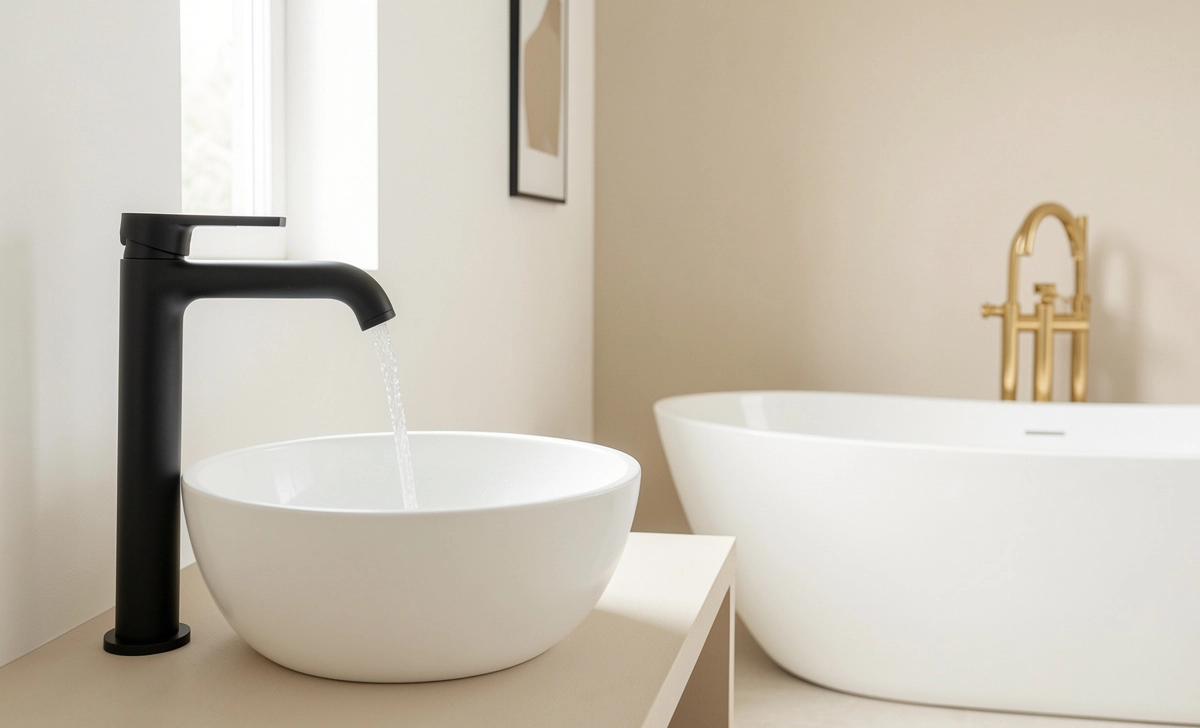
Popular colors: Matte black (more on that later), gold, brass, rose gold, and even deep blues or greens.
How to style them: The key is contrast. A gold bathroom faucet pops beautifully against a dark vanity or a white marble sink. A deep green faucet can become the focal point of an otherwise neutral bathroom.
Common concern: “Will a colorful faucet go out of style quickly?” It’s possible, but timeless colors like brushed gold or oil-rubbed bronze have stayed popular for decades. If you’re worried, choose a color that complements your existing tiles and cabinets rather than clashing with them.
Best for: Homeowners who want personality and warmth in their bathroom without renovating the entire space.
4. Freestanding Faucets: Luxury for Bathtubs
If you have a freestanding bathtub, a freestanding faucet is almost a necessity. These floor-mounted fixtures stand next to the tub rather than attaching to the wall or the tub itself.
Why they’re trending: They offer complete freedom. You can soak without a tap or spigot poking your back. They also look incredibly elegant and high-end.
Cost consideration: Freestanding faucets are pricier than regular bathroom faucets. Installation is more complex because water lines need to run through the floor. However, many homeowners say they’re worth every penny for the spa-like experience.
Common concern: “Do they wobble?” A properly installed freestanding faucet should feel rock-solid. Always hire a licensed plumber for this type of installation.
Best for: Spacious bathrooms with freestanding tubs, luxury master suites, and anyone who enjoys long, uninterrupted baths.
5. 360° Swivel Bathroom Faucets: Practical and Water-Saving
Sometimes the simplest innovations make the biggest difference. The 360° swivel faucet spout is a perfect example.
What it does: The spout rotates a full 360 degrees, allowing you to direct water anywhere in the sink or bathtub. Many models are also slightly extendable.
Why it’s useful: Ever tried to rinse a large shampoo bottle or clean the far corner of a vessel sink? A swivel faucet makes those tasks effortless. It’s also anti-splash, so you waste less water and clean up less mess.
Common concern: “Does the swivel mechanism wear out over time?” Quality ceramic disc valves last for decades. Look for faucets with solid brass construction and a warranty.
Best for: Deep farmhouse sinks, vessel sinks, and anyone tired of splashing water onto their countertops.
6. Wall-Mounted Faucets: Clean and Space-Saving
Wall-mounted bathroom faucets have been around for a while, but they continue to gain traction in 2026. Instead of sitting on the countertop, the faucet emerges directly from the wall above the sink.
Aesthetic appeal: This creates a very clean, uncluttered look. It also makes countertops easier to wipe down because there’s no base or hardware in the way.
Material options: You can find wall-mount faucets in stainless steel, brass, ceramic, and even glass. Many use valves instead of traditional taps, which adds to the modern aesthetic.
Common concern: “Can I install a wall-mounted faucet in an existing bathroom?” Yes, but it requires opening the wall to install the rough-in valve. This is a bigger job than swapping a deck-mounted faucet. Plan for a higher installation cost.
Best for: Modern and contemporary bathrooms, powder rooms, and anyone who values easy-to-clean surfaces.
7. Matte Black Faucets: The Timeless Trend
Matte black bathroom faucets have been popular for several years, and they’re still going strong. There’s a good reason for that.
Why black works: Black goes with everything. Whether your bathroom has white marble, gray tile, wood accents, or colorful walls, a matte black faucet blends seamlessly. It also hides water spots and fingerprints better than chrome or polished nickel.
Hidden features: Many matte black faucets come with hidden swivel aerators. These control water direction and reduce splash, helping you conserve water without thinking about it.
Common concern: “Does matte black scratch easily?” High-quality finishes are extremely durable. Avoid abrasive cleaners, and your faucet will look new for years.
Best for: Almost any bathroom style, from industrial to farmhouse to modern. It’s one of the safest yet stylish choices you can make.
8. Widespread Faucets: Not Just for Kitchens Anymore
Widespread faucets, also known as farmhouse faucets, have traditionally been associated with kitchens. But in 2026, they’re migrating to bathrooms.
What makes them different: These faucets feature separate handles and a spout, typically mounted 6–12 inches apart. The look is substantial and impressive.
Why they work in bathrooms: A widespread faucet adds a softer, more charming appeal to a bathroom vanity. They come in various heights, shapes, and sizes, so you can find one that fits both small powder rooms and large master baths.
Common concern: “Do I need a special sink?” Widespread faucets require three holes in the sink or countertop, spaced correctly. Many vessel sinks and vanity tops are pre-drilled for this configuration.
Best for: Traditional, farmhouse, and transitional bathroom designs. Also great for anyone who wants a more substantial, high-end look.
9. Waterfall Faucets: A Peaceful Oasis at Home
Last but not least, waterfall faucets continue to captivate homeowners who want a spa-like experience.
How they differ from standard faucets: Instead of a stream of water, a waterfall faucet produces a wide, gentle sheet of water that cascades down like a miniature waterfall.
Sensory benefits: The sound of the water is noticeably different — softer and more relaxing. Many people find it helps create a peaceful atmosphere in the bathroom. Additionally, these faucets don’t splash, reduce water use, and are surprisingly easy to clean.
Common concern: “Does the water pressure suffer?” Not necessarily. Waterfall faucets work best with standard residential water pressure. However, extremely low pressure might produce a weak flow. Check your home’s pressure before buying.
Best for: Master bathrooms, spa-inspired designs, and anyone who values relaxation and visual beauty.
How to Choose the Right Bathroom Faucet for Your Home
With so many options, how do you decide? Here’s a simple decision framework:
Step 1: Consider your sink or tub. Do you have a freestanding tub? Then a freestanding faucet makes sense. A vessel sink? A wall-mounted or 360° swivel faucet might work better.
Step 2: Think about who uses the bathroom. Young children or elderly family members? A touchless faucet or LED faucet with temperature indication adds safety and convenience.
Step 3: Match your style. Love a clean, modern look? Matte black or wall-mounted faucets are great. Prefer something warmer? Gold or brass finishes add elegance.
Step 4: Set a realistic budget. Basic faucets start around $50. High-end designer models can exceed $1,000. Remember to factor in installation costs, especially for freestanding or wall-mounted styles.
Step 5: Don’t forget water efficiency. Look for faucets with the WaterSense label. They use at least 20% less water without sacrificing performance.
Final Thoughts
Your bathroom faucet is a small detail that makes a big difference. Whether you choose a high-tech touchless faucet, a statement-making gold bathroom faucet, or a relaxing waterfall design, the right choice will improve your daily routine and add value to your home.
The trends for 2026 show that homeowners want more than just basic functionality. They want energy efficiency, water conservation, smart features, and personal style. Fortunately, today’s market offers something for every taste and budget.
Take your time, compare options, and don’t be afraid to invest in quality. After all, you use your bathroom every single day. You deserve a faucet that works beautifully and looks great doing it.