Have you ever felt overwhelmed by daily stress or wished for a clearer mind? If so, exploring the reasons to try meditation could be a game-changer. Meditation is a simple practice that involves focusing your attention to achieve mental clarity and calm. In 2025, new research highlights its benefits for everyone, from beginners to experts. Whether you’re dealing with anxiety, poor sleep, or just want better focus, meditation offers science-backed ways to improve your life. Let’s dive into eight powerful reasons why you should give it a try.
1. Reduces Stress and Anxiety
Stress is part of modern life, but meditation can help you handle it better. Recent studies show that regular meditation lowers stress hormones and calms the mind. For example, a 2025 review in the American Psychologist found that using meditation apps for just 10-21 minutes a few times a week can ease repetitive negative thinking and reduce anxiety levels by up to 60%, according to research from the Journal of Clinical Psychology.
Imagine starting your day with a short session—many people report feeling more relaxed right away. If you’re new, try guided sessions on apps like Headspace, which make it easy to start. This reason alone makes meditation worth trying for anyone feeling overwhelmed.
2. Improves Focus and Attention
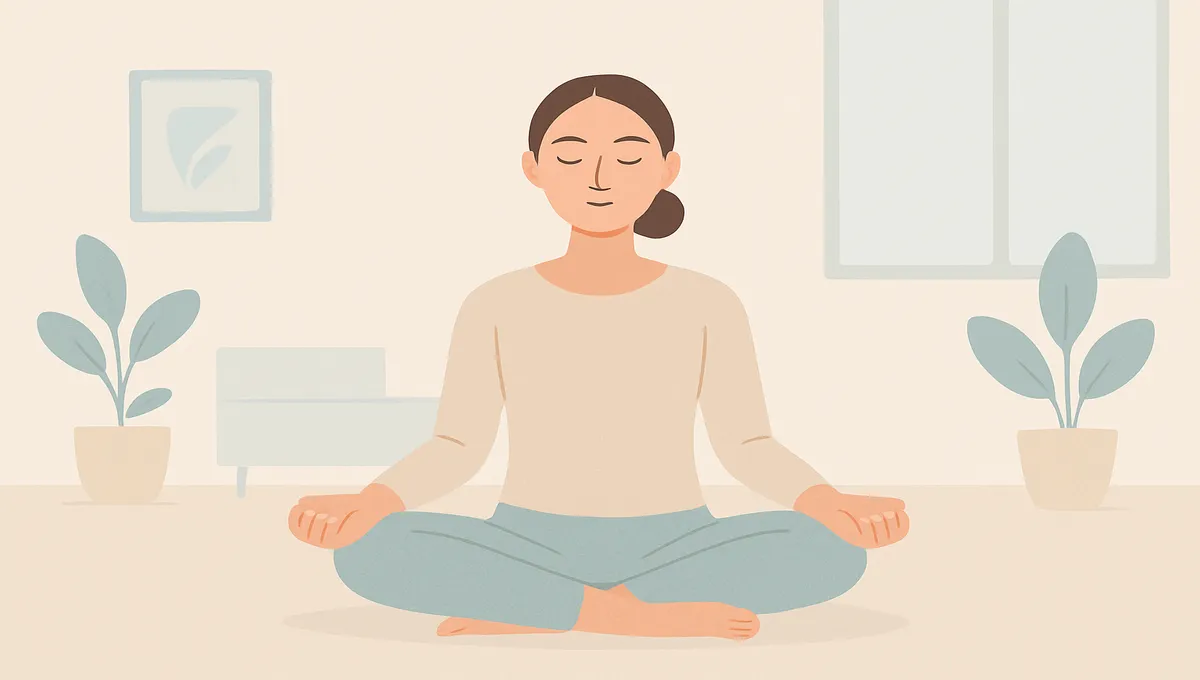
In a world full of distractions, staying focused can be tough. But mindfulness meditation boosts your attention span quickly. A July 2025 study from the USC Leonard Davis School of Gerontology revealed that 30 days of daily 10-15 minute sessions improved reaction times and goal-directed focus across all ages, from young adults to those over 65. Participants used eye-tracking tests to show real changes in how they ignored distractions.
This benefit is great for work or school. Think about how better concentration could help you finish tasks faster. Start with simple breathing exercises, and you’ll likely notice sharper thinking in weeks.
3. Enhances Emotional Regulation
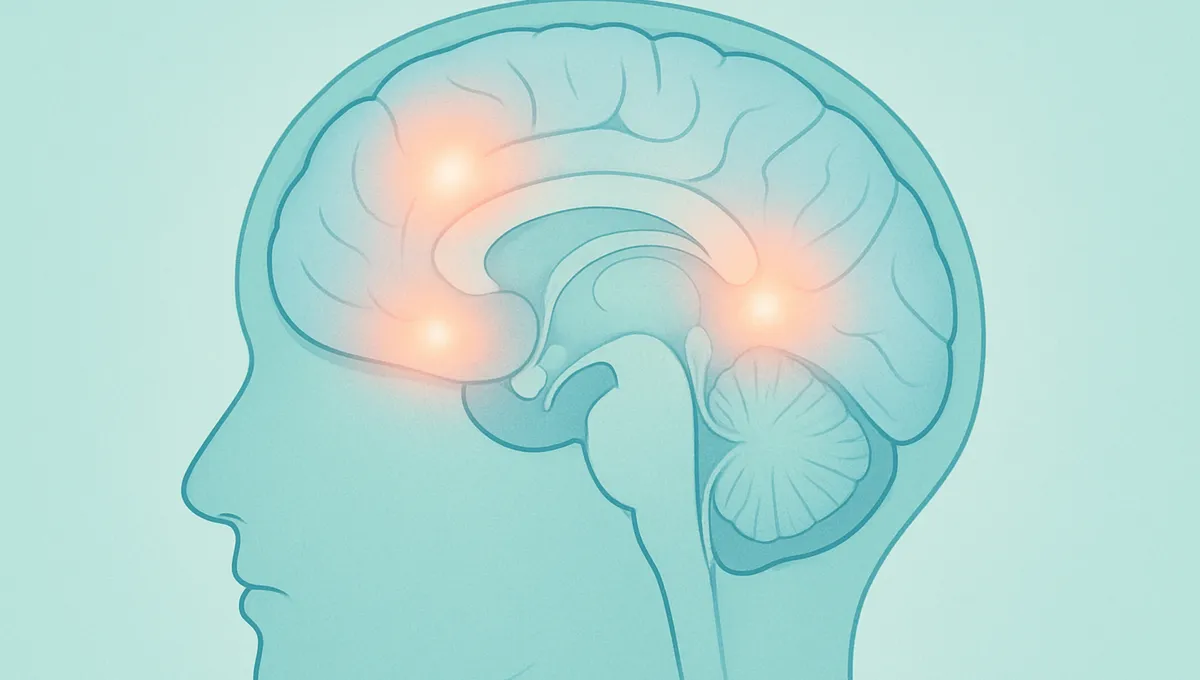
Ever react in ways you regret later? Meditation helps you manage emotions by changing brain activity. New research from Mount Sinai in February 2025 used brain scans on novice meditators and found shifts in the amygdala and hippocampus—areas tied to emotions and memory. These changes can reduce mood swings and help with conditions like depression.
Loving-kindness meditation, where you send positive thoughts to yourself and others, is especially effective. A Harvard Gazette article from July 2025 notes it improves emotional control, leading to calmer responses in tough situations.
4. Boosts Mood and Positivity Toward Others
Meditation doesn’t just help you—it can make you kinder too. A June 2025 Scientific American piece explains how it increases altruism and reduces bias. After eight weeks of practice, people were more likely to help strangers, like offering a seat to someone in pain.
This ripple effect spreads positivity in relationships. Studies show meditators feel more compassion, improving interactions at home or work. If you want to feel happier and connect better with people, this is a strong reason to start.
5. Promotes Better Sleep
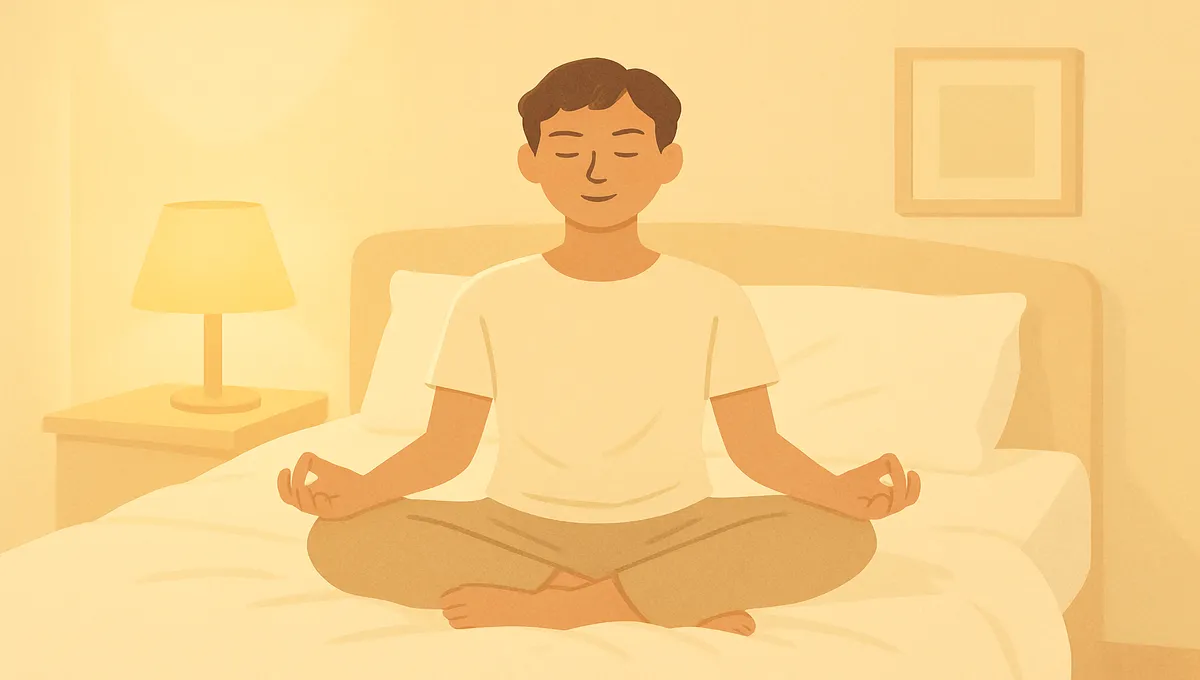
Tossing and turning at night? Meditation can lead to restful sleep. September 2025 research from ScienceDaily reports that apps help with insomnia by reducing stress and inflammation-related genes. Another study in PsyPost that month found older meditators had longer, deeper sleep with less light-stage interruptions.
Try a body scan before bed to relax muscles and quiet thoughts. Many find it boosts melatonin production, helping you fall asleep faster. For better energy during the day, add this to your routine.
6. Helps Manage Pain
Living with chronic pain? Mindfulness meditation changes how you perceive it. A 2025 post from Port City Pain Institute cites evidence that it lowers pain intensity and anxiety around it. The Mayo Clinic echoes this, saying daily practice helps shift focus from worry to acceptance.
Research from the International Association for the Study of Pain shows improved pain control in meta-analyses. It’s not a cure, but combined with other treatments, it offers relief without side effects.
7. Builds Resilience
Life throws curveballs, but meditation strengthens your ability to bounce back. An August 2025 Nature study on paramedics found Transcendental Meditation boosted resilience and mental health. Dr. Eva Selhub’s July 2025 insights explain it rewires the brain for better emotional flexibility.
A November 2025 Frontiers in Psychology paper on students showed mindfulness directly enhances academic resilience. This means handling setbacks with more ease, making it ideal for busy lives.
8. Supports Physical Health
Beyond the mind, meditation aids the body. Carnegie Mellon University’s August 2025 research shows apps lower blood pressure and influence anti-inflammatory genes. It also reduces stress biomarkers, linked to better heart health.
Washington Post advice from September 2025 suggests morning sessions for sustained benefits. Overall, it promotes wellness, from immune support to energy levels. Pair it with exercise for even greater results.
| Benefit | Key Research Finding (2025) | How to Apply |
|---|---|---|
| Stress Reduction | Up to 60% anxiety drop (Journal of Clinical Psychology) | Daily app sessions |
| Focus Improvement | Better attention in 30 days (USC Study) | Breathing exercises |
| Emotional Regulation | Brain changes in amygdala (Mount Sinai) | Loving-kindness practice |
| Mood Boost | Increased altruism (Scientific American) | Group or solo meditation |
| Better Sleep | Deeper sleep in older adults (PsyPost) | Bedtime body scans |
| Pain Management | Lower intensity perception (Port City Pain) | Mindfulness during flares |
| Resilience Building | Enhanced mental health (Nature) | Transcendental techniques |
| Physical Health | Reduced blood pressure (CMU) | Morning routines |
This table summarizes why meditation fits into a healthy lifestyle.
Frequently Asked Questions
What are the benefits of meditation?
Meditation offers stress relief, better focus, emotional balance, and more, backed by 2025 studies showing brain and body changes.
How does meditation help with stress?
It lowers hormones like cortisol and promotes calm, with apps providing quick results in weeks.
Is meditation good for beginners?
Yes! Start with 5-10 minutes daily using free guides or apps.
Can meditation improve sleep?
Absolutely—it relaxes the mind and body, leading to deeper rest.
What if meditation doesn’t work for me?
It’s okay; some experience challenges, but trying different types like walking meditation can help.
Meditation is more than a trend—it’s a tool for a happier, healthier you. With easy access via apps and online resources, there’s no better time than 2025 to start. Give it a try today, and see how it transforms your day-to-day life. Ready for more tips? Check out our guides on daily wellness habits or mindfulness for busy schedules.