
High-Impact Exterior Building Upgrades for Modern Commercial Properties

In the competitive landscape of Columbia, MD, a commercial property’s exterior is far more than just a facade; it’s a critical asset that influences everything from curb appeal and tenant attraction to operational costs and long-term structural integrity. Investing in strategic exterior upgrades can yield significant returns, enhancing both the aesthetic appeal and functional performance of your building. From modern architectural designs that reflect your brand identity to advanced materials that bolster energy efficiency and weather resistance, every upgrade contributes to a more resilient and valuable property. We focus on solutions that improve the building envelope, ensuring it stands strong against the elements while maintaining an inviting appearance for clients and employees alike.
Integrating Sectional Doors into Your Exterior Building Upgrades
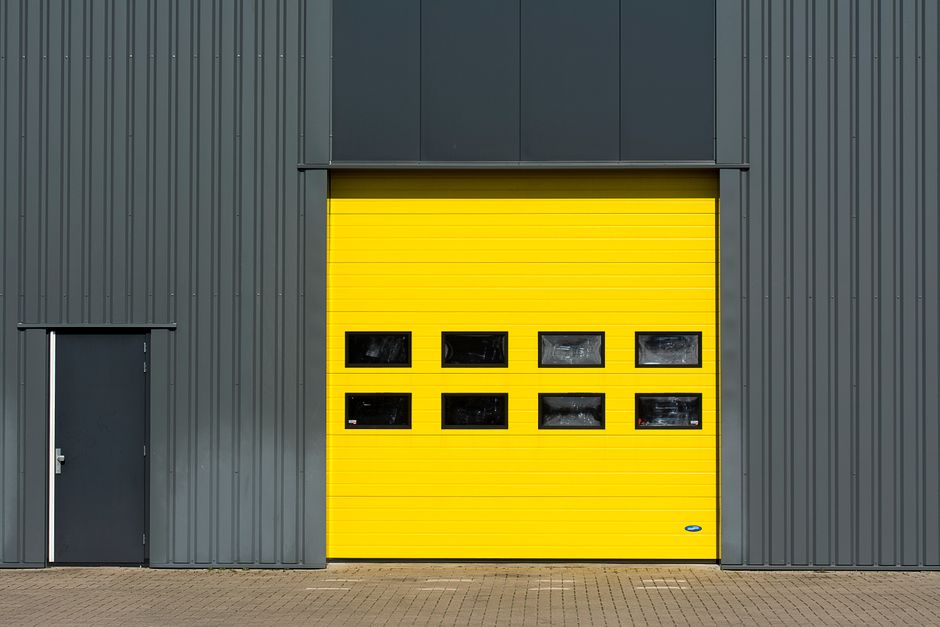
When considering high-impact exterior improvements, the choice of commercial garage doors plays a pivotal role. Sectional doors, available in a variety of materials including robust sectional steel and sleek aluminum, offer an excellent balance of durability, security, and aesthetic versatility. For businesses in Columbia, MD, these doors are not just entry points; they are integral components of the building’s operational efficiency and visual presentation. For additional guidance on evaluating providers and upgrade options, review Expert commercial door upgrades Columbia.
Sectional Steel Doors: These are renowned for their exceptional strength and security. Constructed from heavy-gauge steel, they provide a formidable barrier against unauthorized access and impact damage, making them ideal for warehouses, manufacturing facilities, and service centers where security is paramount. Their robust construction ensures a long lifespan, even under heavy daily use, contributing to long-term cost-effectiveness by reducing the frequency of repairs and replacements. Furthermore, modern steel sectional doors can be insulated, offering a significant advantage in maintaining interior climate control and reducing energy consumption, which is a crucial consideration for businesses looking to manage utility expenses in the fluctuating Maryland weather. The ability to customize finishes and colors also allows them to blend seamlessly with or enhance the building’s architectural style, projecting a professional and well-maintained image.
Aluminum Doors: For commercial properties prioritizing natural light, contemporary aesthetics, and resistance to corrosion, aluminum sectional doors, often featuring large glass panels, are an outstanding choice. These doors are particularly popular for showrooms, auto dealerships, and modern office buildings, where transparency and a sophisticated look are desired. While offering excellent security, their primary appeal lies in their ability to transform a space, allowing natural light to flood interiors and creating an open, inviting atmosphere. The lightweight nature of aluminum also contributes to smoother operation and reduced wear on openers, potentially leading to lower maintenance costs over time. In terms of durability, aluminum is naturally resistant to rust and corrosion, making it a suitable option for various commercial environments, including those with higher humidity or exposure to certain chemicals. When paired with heavy-duty hardware, both steel and aluminum sectional doors provide reliable performance, making them a smart investment for businesses seeking to balance affordability with superior functionality and curb appeal.
How High-Speed Doors Complement Exterior Building Upgrades
For commercial properties with high traffic volumes or stringent climate control requirements, high-speed doors represent an indispensable exterior upgrade. These advanced door systems are engineered for rapid opening and closing cycles, dramatically improving operational efficiency and contributing to significant energy savings.
In environments such as manufacturing plants, food processing facilities, and distribution centers, where goods and personnel move frequently, traditional doors can be a bottleneck. High-speed doors minimize the time openings are exposed, which is critical for maintaining consistent indoor temperatures. This rapid action directly translates to reduced energy consumption for heating and cooling, offering a tangible return on investment over the years. Imagine a busy loading dock in Columbia, MD, during a hot summer or cold winter; a high-speed door can prevent substantial energy loss, keeping utility bills in check.
Beyond energy efficiency, these doors enhance warehouse efficiency by facilitating smoother traffic flow. Forklifts and other vehicles can pass through quickly, reducing waiting times and preventing bottlenecks that can disrupt operations. This improved flow not only boosts productivity but also contributes to a safer working environment by minimizing collision risks. Many high-speed doors also incorporate advanced safety features, such as photo-eyes and pressure sensors, to prevent accidents. Their robust construction, often featuring flexible PVC or durable fabric, allows them to withstand frequent impacts and harsh conditions, ensuring long-term reliability with minimal maintenance. Integrating high-speed doors into your exterior upgrade strategy is a forward-thinking approach that prioritizes efficiency, energy conservation, and safety for your commercial operations.
Rooftop Innovations and Green Infrastructure
The roof of a commercial building, often overlooked beyond its primary function of shelter, presents a significant opportunity for innovation and sustainable development. Embracing rooftop innovations and green infrastructure is a strategic move for businesses in Columbia, MD, looking to enhance environmental performance, reduce operational costs, and contribute positively to the community. These initiatives go beyond traditional roofing by integrating advanced technologies and ecological principles to create multi-functional spaces that benefit both the building and the surrounding environment. From generating renewable energy to managing stormwater and improving insulation, these upgrades position your property as a leader in sustainability and forward-thinking design.
Solar Energy Integration
The integration of photovoltaic (PV) systems, commonly known as solar panels, onto commercial rooftops is one of the most impactful rooftop innovations available today. As energy costs continue to fluctuate and environmental consciousness grows, harnessing solar power offers a compelling solution for businesses aiming for greater energy independence and reduced carbon footprints.
By converting sunlight directly into electricity, PV systems provide a clean, renewable energy source that can significantly offset a building’s reliance on grid power. For commercial properties in Columbia, MD, this means a tangible reduction in monthly utility bills, offering a predictable energy cost component that can stabilize operational budgets. The long-term savings generated by solar energy can be substantial, making the initial investment increasingly attractive, especially with various governmental incentives and tax credits often available to support renewable energy projects.
Beyond the financial benefits, integrating solar panels aligns a business with sustainability goals, enhancing its public image and appeal to environmentally conscious consumers and partners. It demonstrates a commitment to responsible resource management and a proactive approach to mitigating climate change. Modern PV systems are durable, requiring minimal maintenance, and their efficiency continues to improve with technological advancements, ensuring reliable power generation for decades. As we move further into the 2020s, solar energy integration is becoming a hallmark of modern, responsible commercial property management, offering both economic advantages and invaluable environmental contributions.
Green Roofs and Stormwater Management
Another transformative rooftop innovation gaining traction in urban and suburban areas like Columbia, MD, is the implementation of green roofs. These vegetated roof systems involve covering a roof with a layer of living vegetation, creating an eco-friendly and aesthetically pleasing landscape atop your commercial building. The benefits extend far beyond visual appeal, offering practical solutions for several environmental and structural challenges.
One of the most significant advantages of green roofs is their exceptional capability in stormwater management. In developed areas, impervious surfaces like traditional roofs contribute to increased stormwater runoff, which can overwhelm drainage systems and carry pollutants into local waterways. Green roofs act as natural sponges, absorbing a substantial portion of rainwater and slowly releasing the remainder, reducing the volume and velocity of runoff. This helps mitigate localized flooding, reduces the burden on municipal stormwater infrastructure, and improves water quality.
Furthermore, green roofs dramatically enhance the thermal performance of a building. The layers of vegetation and soil provide excellent insulation, keeping buildings cooler in the summer by reducing the urban heat island effect and warmer in the winter by minimizing heat loss. This improved insulation translates directly into lower energy consumption for heating and cooling, offering long-term operational savings. The environmental impact is also considerable: green roofs improve air quality by filtering pollutants, support biodiversity by providing habitat for insects and birds, and contribute to a healthier urban ecosystem. Investing in a green roof is not just an architectural statement; it’s a commitment to sustainability, offering a multitude of benefits for your property and the broader community.
Enhancing Security and Accessibility at the Ground Level
The ground level of any commercial property is a hub of activity, serving as the primary interface for deliveries, shipments, and pedestrian traffic. Ensuring robust security and seamless accessibility in these areas is paramount for operational efficiency, asset protection, and the safety of employees and visitors. Strategic enhancements to loading docks and the installation of industrial railings are critical components of a comprehensive ground-level improvement plan. These upgrades not only safeguard valuable inventory and personnel but also streamline logistics, making your Columbia, MD, business more functional and secure.
Loading Dock Optimization
A well-optimized loading dock is the lifeblood of many commercial operations, facilitating the efficient movement of goods while minimizing risks. Enhancing this critical area involves a combination of specialized equipment designed to improve safety, speed, and security.
Dock Levelers: These mechanical or hydraulic platforms bridge the gap between the loading dock and the trailer bed, accommodating varying truck heights. By creating a smooth, level surface, dock levelers prevent dangerous drops and bumps, protecting both personnel and products during loading and unloading. This seamless transition significantly speeds up operations, reducing turnaround times for deliveries and shipments.
Dock Seals and Shelters: These components create an airtight seal between the building and the truck, preventing outside air, moisture, and pests from entering the facility. For businesses dealing with temperature-sensitive goods or those aiming for energy efficiency, dock seals and shelters are invaluable. They maintain consistent indoor temperatures, reduce energy loss, and protect inventory from environmental damage, contributing to a more controlled and cost-effective operation.
Safety Barriers and Wheel Chocks: Beyond efficiency, safety is paramount at the loading dock. Safety barriers, such as guardrails and bollards, protect building walls, equipment, and pedestrian walkways from accidental collisions with forklifts and trucks. Wheel chocks, which prevent trailers from moving unexpectedly during loading and unloading, are simple yet crucial devices that significantly reduce the risk of serious accidents.
By integrating these elements, businesses can achieve a loading dock that is not only highly efficient but also exceptionally safe and secure. This optimization contributes directly to smoother operational flow, reduced damage to goods, and a safer working environment, all of which are essential for sustained commercial success.
Industrial Railings and Pedestrian Safety
In bustling commercial environments, ensuring the safety of pedestrians, particularly around areas with vehicle traffic, elevated platforms, and stairways, is a non-negotiable priority. Industrial railings play a crucial role in demarcating safe zones, preventing falls, and guiding foot traffic, enhancing overall safety and accessibility.
For properties in Columbia, MD, that feature loading docks, mezzanines, elevated storage areas, or even multi-level office spaces, the installation of robust industrial railings is essential for compliance with Occupational Safety and Health Administration (OSHA) regulations. OSHA standards mandate specific railing heights, load capacities, and spacing to protect workers from falls from elevated surfaces. Adhering to these guidelines is not only a legal requirement but also a fundamental aspect of creating a responsible and safe workplace.
These railings are typically constructed from durable materials such as steel or aluminum, designed to withstand heavy use, impacts, and environmental exposure. Their sturdy construction ensures long-term reliability and minimal maintenance. Beyond preventing falls, railings also serve to:
- Guide Pedestrian Traffic: They can direct people along designated safe pathways, away from hazardous areas like active loading zones or machinery.
- Provide Support: For stairways and ramps, railings offer crucial support, especially for individuals with mobility challenges, enhancing accessibility for all.
- Act as a Barrier: In areas where equipment or vehicles operate, railings create a physical barrier, separating personnel from potential hazards.
Investing in high-quality industrial railings is a proactive measure that safeguards your employees and visitors, reduces the risk of accidents, and ensures your commercial property meets essential safety standards. It reflects a commitment to well-being and operational excellence at the ground level.
Frequently Asked Questions about Exterior Building Upgrades
As businesses in Columbia, MD, consider enhancing their commercial properties, several common questions arise regarding the practicalities, benefits, and long-term implications of exterior upgrades. Addressing these concerns helps in making informed decisions that align with both operational needs and budgetary considerations.
What are the most durable materials for commercial garage doors?
When selecting commercial garage doors, durability is a paramount concern, as these doors often face heavy usage and exposure to the elements. The most durable materials typically include steel and aluminum, each offering distinct advantages depending on the specific application and environmental conditions in Columbia, MD.
Steel: Steel commercial garage doors are widely recognized for their exceptional strength and resistance to impact. They are often constructed from heavy-gauge steel, providing superior security and a long operational life. For industrial settings, warehouses, and facilities where robustness is key, steel is an excellent choice. Modern steel doors often come with various coating options to enhance corrosion resistance, ensuring they maintain their structural integrity and appearance for many years. The combination of strong panels and heavy-duty hardware—including tracks, rollers, and springs designed for commercial use—ensures reliable performance even under high-cycle operations.
Aluminum: While generally lighter than steel, aluminum commercial garage doors offer impressive durability, particularly against corrosion. This makes them an ideal solution for properties in humid environments or those exposed to certain chemicals. Aluminum doors are also popular for their aesthetic flexibility, often incorporating glass panels to allow natural light, which is durable in its own right, especially with impact-resistant options. When paired with heavy-duty framing and hardware, aluminum doors can withstand significant wear and tear.
Regardless of the primary material, the longevity of a commercial garage door is also heavily dependent on the quality of its components. Heavy-duty hardware, robust tracks, and weatherproofing features (like seals and gaskets) are crucial for ensuring the door can endure daily operations and the diverse weather patterns experienced in Maryland, from humid summers to freezing winters. Investing in doors with high-quality materials and components from reputable manufacturers ensures a durable and long-lasting solution for your commercial property.
How do insulated exterior doors improve energy efficiency?
Insulated exterior doors, particularly commercial garage doors, play a critical role in enhancing a building’s energy efficiency by creating a robust thermal barrier. This barrier is essential for maintaining consistent indoor temperatures and significantly reducing the energy required for heating and cooling, which translates directly into lower utility bills for businesses in Columbia, MD.
The core principle behind an insulated door’s effectiveness lies in its ability to resist heat transfer. Unlike uninsulated doors, which allow heat to easily pass through, insulated doors incorporate layers of insulating material—such as polystyrene or polyurethane foam—sandwiched between the door panels. This material greatly reduces the conduction of heat.
Here’s how they improve energy efficiency:
- Thermal Barrier: The insulation acts as a barrier, preventing heat from escaping the building in colder months and blocking heat from entering during warmer months. This helps to stabilize the interior climate, reducing the workload on HVAC systems.
- Climate Control: For businesses that require precise climate control, such as food storage facilities, laboratories, or manufacturing plants with temperature-sensitive processes, insulated doors are indispensable. They help maintain specific temperature and humidity levels, protecting products and equipment.
- Energy Savings: By minimizing heat transfer, insulated doors reduce the amount of energy consumed by heating and cooling systems. This reduction in energy use directly translates into substantial cost savings over the operational life of the door. The R-value, a measure of thermal resistance, is a key indicator of an insulated door’s effectiveness; a higher R-value signifies better insulating properties.
- Reduced Drafts: Well-designed insulated doors also feature superior sealing around their perimeter, further preventing drafts and air leakage, which are common sources of energy loss in commercial buildings.
In an era where energy costs are a significant operational expense, investing in insulated commercial garage doors is a smart, cost-effective strategy for improving energy efficiency and contributing to a more sustainable and financially sound business operation.
Why is regular maintenance crucial for commercial entry systems?
Regular maintenance is not merely a recommendation; it’s a critical operational imperative for commercial entry systems, including garage doors, loading dock equipment, and industrial gates. For businesses in Columbia, MD, neglecting routine preventative care can lead to a cascade of problems, from costly emergency repairs and operational downtime to significant safety hazards.
Here’s why consistent maintenance is crucial:
- Preventative Care: Regular inspections and tune-ups allow technicians to identify and address minor issues before they escalate into major, expensive breakdowns. This includes lubricating moving parts, tightening loose hardware, and checking for signs of wear on springs, cables, and rollers. Proactive maintenance extends the lifespan of the entire system, maximizing your investment.
- Safety Inspections: Commercial entry systems, especially garage doors, involve heavy components and powerful operating mechanisms. A malfunction can pose serious safety risks to employees, visitors, and property. Routine safety inspections ensure all safety features, such as photo-eyes, auto-reverse mechanisms, and emergency stops, are functioning correctly, minimizing the risk of accidents and ensuring compliance with safety regulations.
- Operational Longevity: Commercial doors and loading dock equipment are designed for high-cycle use. Without regular maintenance, components can wear out prematurely due to friction, misalignment, or fatigue. Consistent servicing ensures that these systems operate smoothly and efficiently for their intended lifespan, preventing unexpected failures that can halt operations and disrupt business flow.
- Understanding Wear Patterns: Experienced technicians can observe specific wear patterns unique to your facility’s usage and environment. This insight allows for targeted adjustments and timely replacement of parts that are nearing the end of their service life, preventing unforeseen downtime. For example, in high-traffic areas, certain components may experience accelerated wear, necessitating more frequent checks or specific types of lubrication.
Regular maintenance for commercial entry systems is an investment in reliability, safety, and long-term cost savings. It safeguards your operations, protects your personnel, and preserves the value of your commercial property, ensuring that your entry systems remain a functional asset rather than a liability.
Conclusion
Elevating the value and functionality of your commercial property in Columbia, MD, is a strategic endeavor that encompasses thoughtful exterior upgrades and forward-thinking rooftop innovations. From selecting affordable commercial garage doors that offer both durability and aesthetic appeal to integrating sustainable rooftop solutions, every improvement contributes to a more efficient, secure, and attractive business environment.
We’ve explored how high-impact exterior enhancements, such as robust sectional doors and efficient high-speed doors, can optimize operational flow and energy conservation. We’ve also highlighted the transformative potential of rooftop innovations like solar energy integration and green roofs, which not only reduce environmental impact but also yield significant long-term cost savings. Furthermore, optimizing ground-level security and accessibility through advanced loading dock equipment and industrial railings ensures the safety of personnel and the smooth flow of goods.
By prioritizing these upgrades, businesses can achieve long-term value and property appreciation, presenting a modern aesthetic that resonates with clients and employees. Embracing sustainable design principles not only benefits the environment but also enhances your brand’s reputation and financial bottom line. In today’s dynamic market, a well-maintained and innovatively upgraded commercial property is not just an asset; it’s a powerful statement of your commitment to excellence and sustainability.