
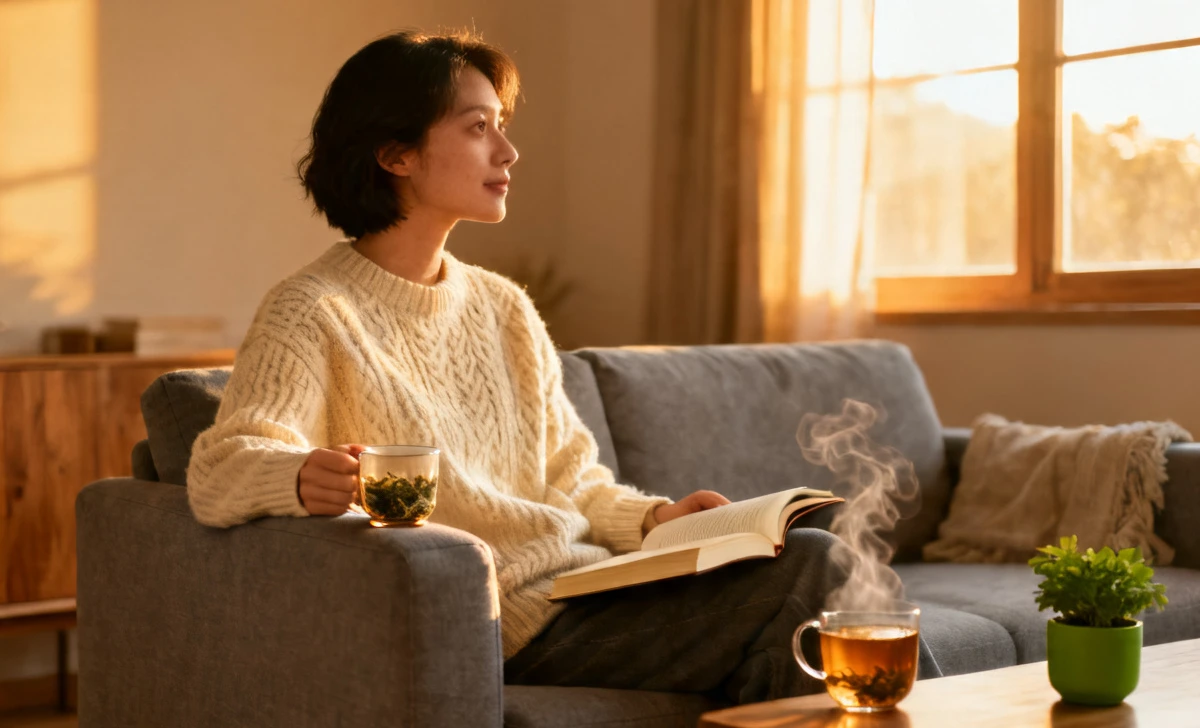
After a long, stressful day at work, your body and mind crave relief. You might feel tense in your shoulders, mentally foggy, or simply exhausted. The good news? There are many effective ways to relax after work, ranging from free five-minute techniques to more luxurious options.
This guide walks you through proven relaxation methods, answers common questions, and helps you find what works best for your lifestyle and budget.
Why Relaxation After Work Matters
When you carry stress home without releasing it, several things happen. Your sleep quality suffers, your relationships feel the strain, and over time, chronic tension can lead to headaches, muscle pain, and even weakened immunity.


Learning to de-stress intentionally isn’t selfish—it’s essential. Let’s explore practical ways to relax after work that real people use to transition from work mode to rest mode.
1. Use Cannabis Mindfully for Relaxation
Many adults have discovered that cannabis can help with relaxation after a hard day. But there’s a right way and a wrong way to approach it.
How it works: Cannabis interacts with your body’s endocannabinoid system, which helps regulate mood, pain perception, and appetite. A small amount of THC can help you chill out without overwhelming your system.
Real user concerns:
- “Will I feel too groggy the next morning?” – Start with low doses, especially if you’re new to cannabis or returning after a break.
- “Is it safe to use every day?” – Moderation matters. Daily use can build tolerance. Many people reserve it for particularly stressful days or weekends.
Practical tip: Choose strains labeled as calming or indica-dominant if you want to relax without racing thoughts. Avoid high-THC products if you’re prone to anxiety.
Important note: Always follow local laws and consult a healthcare provider if you have underlying conditions or take other medications.
2. Take a Hot Bath or Shower
There’s a reason hot baths have been a go-to relaxation method for centuries. The heat does more than feel good—it creates physiological changes that ease stress.
What happens in your body: Warm water soothes sore muscles, eases tension headaches, and encourages blood flow. Your body temperature rises, then slowly cools afterward, which naturally signals your brain that it’s time to rest.
Real user questions:
- “How long should I stay in the bath?” – 15 to 30 minutes is ideal. Longer than that can dry out your skin.
- “What if I don’t have a tub?” – A hot shower works nearly as well. Let the water hit your neck and shoulders for several minutes. Some people also enjoy sitting in a sauna for 10–15 minutes.
Enhance the experience: Add Epsom salts (magnesium absorbs through the skin and promotes muscle relaxation). Try lavender or eucalyptus essential oils. Dim the lights and leave your phone in another room.
3. Get a Massage
Massage therapy isn’t just a luxury—it’s a scientifically supported way to reduce cortisol (the stress hormone) and boost feel-good hormones like serotonin and dopamine.
Options for every budget:
- Professional massage: Search for “massage spa near me” and look for places offering 30-minute neck and shoulder sessions, which cost less than full-hour massages.
- At-home self-massage: Use a foam roller or massage ball against a wall. Focus on your upper back, glutes, and calves.
- Partner or friend: Even 10 minutes of rubbing your head, neck, and shoulders can make a real difference. Be specific about pressure—too hard can create more tension.
Real user concern: “I’m uncomfortable with strangers touching me.” – That’s completely valid. Try self-massage tools or ask a trusted partner. Many massage therapists also offer chair massages where you remain fully clothed.
4. Stretch to Release Physical Tension
When you’re stressed, your muscles unconsciously tighten—especially in your neck, shoulders, and lower back. Stretching interrupts that cycle.
Simple routine (5 minutes):
- Neck rolls: Slowly drop your chin to your chest, then roll your ear toward each shoulder.
- Shoulder shrugs: Lift your shoulders toward your ears, hold for 3 seconds, then drop them completely.
- Standing forward fold: Hinge at your hips and let your upper body hang. Bend your knees slightly.
- Torso twist: While seated, place one hand on the opposite knee and gently turn.
Real user question: “I’m not flexible at all. Can I still stretch?” – Absolutely. Stretching isn’t about touching your toes. It’s about moving to your personal edge—where you feel a gentle pull, never pain. Yoga poses like Child’s Pose and Cat-Cow are beginner-friendly.
Pro tip: Stretch after a warm shower or bath when your muscles are more pliable.
5. Take a Nature Break
Spending time outdoors is one of the most underrated ways to relax after work. Nature has a measurable effect on stress levels, mood, and even blood pressure.
What counts as a nature break?
- Walking around your neighborhood for 10 minutes
- Sitting in your backyard or on a balcony with plants
- A weekend hike in the woods
- Swimming in a lake or walking barefoot on grass
Real user concern: “I live in a city with no parks nearby.” – Look for a small garden, a tree-lined street, or even indoor plants. Research shows that viewing images of nature or having houseplants can lower stress, though real outdoor time works best.
Why it works: Natural environments lower cortisol, reduce rumination (repetitive negative thinking), and gently engage your attention without demanding focus—unlike screens and traffic.
6. Listen to Music
Music directly affects your nervous system. The right songs can slow your heart rate, lower stress hormones, and shift your emotional state.
What to try based on your preference:
- Classical or ambient: Slow-tempo instrumental music (60–80 BPM) can synchronize with your resting heart rate.
- Jazz or lo-fi: Unpredictable but gentle—great for distracting an overthinking mind.
- Metal or punk: Surprisingly, if this is what you genuinely enjoy, it can relax you. Familiar, liked music—regardless of genre—reduces stress more than unfamiliar “calm” music.
Real user question: “Does silence work better than music?” – For some people, yes. If you find music distracting or emotionally stirring, try white noise, brown noise (lower frequency, like rain), or simply sitting in quiet.
Practical tip: Create a 20-minute “wind-down” playlist. Start with medium-energy songs you love, then transition to slower tracks. Use headphones for deeper immersion.
7. Practice Deep Breathing
When you’re stressed, your breathing becomes shallow and quick. This signals your brain that something is wrong, creating a feedback loop of anxiety. Deep breathing breaks that loop.
A simple method (2 minutes):
- Inhale slowly through your nose for 4 seconds.
- Hold for 4 seconds (if comfortable).
- Exhale fully through your mouth for 6 seconds.
- Pause for 2 seconds, then repeat.
Why exhaling longer matters: A longer exhale activates the parasympathetic nervous system—your “rest and digest” mode. It physically slows your heart rate.
Real user concern: “Deep breathing makes me feel dizzy or anxious.” – That’s common if you’re new to it. Try a shorter exhale (4 seconds in, 4 seconds out) or simply focus on breathing into your belly rather than your chest. Never force breaths.
Advanced option: Try box breathing (4-4-4-4) or the 4-7-8 method (inhale 4, hold 7, exhale 8). Many people find these helpful for falling asleep.
8. Read a Book
Reading offers something unique among relaxation methods: complete mental absorption. When you’re lost in a good story, your brain temporarily stops replaying work problems or worrying about tomorrow.
Print vs. screen: Physical books or e-ink readers (like Kindle without a backlight) are best. Reading on a phone or tablet exposes you to blue light, which can suppress melatonin and make it harder to fall asleep afterward.
Real user question: “I’m too tired to focus on reading.” – Try rereading a favorite childhood book, a collection of short essays, or a graphic novel. Poetry or a magazine works too. The goal isn’t productivity—it’s a gentle escape.
How long: Even 10 minutes helps. Set a timer if you tend to lose track of time and stay up too late.
9. Take a Nap (The Right Way)
A short nap can rejuvenate your mind and body, but timing matters enormously. The wrong nap leaves you feeling worse than before.
The science of sleep inertia: Sleep experts recommend limiting naps to no more than 30 minutes. Anything longer allows you to enter slow-wave sleep (stages 3 or 4). Waking abruptly from deep sleep causes sleep inertia—that groggy, disoriented, almost hungover feeling.
Optimal nap lengths:
- 10–20 minutes: Boosts alertness and energy without grogginess (power nap)
- 30 minutes: May cause mild sleep inertia for some people
- 60–90 minutes: Includes a full sleep cycle (light to deep to REM). This can improve creativity and memory, but requires timing your wake-up carefully.
Real user questions:
- “What if I need longer than 30 minutes to feel rested?” – That may indicate you’re not getting enough quality sleep at night. Address your nighttime sleep habits first.
- “When should I nap?” – Before 3 p.m. is ideal. Napping later can make it hard to fall asleep at bedtime.
Avoid feeling groggy after waking up: Set an alarm for 25 minutes (giving yourself 5 minutes to fall asleep). Get up immediately when the alarm rings—don’t hit snooze. Splash cold water on your face or step outside for natural light.
Not everyone benefits from napping. If you wake up from naps feeling sluggish every time, your body is telling you that napping isn’t right for you. That’s fine—focus on other methods.
10. Combine Methods for Best Results
Most people find that no single method works perfectly every day. A flexible approach is more sustainable.
Examples of combinations:
- After a physically demanding job: Hot bath (10 min) → gentle stretching (5 min) → music while lying down
- After a mentally draining office day: 15-minute nature walk → deep breathing (2 min) → reading for 20 minutes
- When you’re exhausted but wired: Cannabis (low dose) → dim lights → ambient music → reading
Real user concern: “I’ve tried everything and still feel stressed.” – If relaxation techniques consistently fail, consider talking to a therapist or your doctor. Chronic stress can sometimes be a symptom of anxiety disorders, depression, or burnout, which require professional support, not just self-care tips.
Final Thoughts: Build Your Personal Relaxation Routine
Relaxation after a hard day’s work isn’t about following a rigid checklist. It’s about learning what your body and mind need in different situations. Among all the ways to relax after work, start with one or two methods from this list that feel most doable to you.
Try them for a full week. Notice how you feel before and after. Then add or remove techniques based on real results—not what worked for someone else.
The goal isn’t perfection. Some days, a 2-minute breathing exercise is all you can manage. That still counts. Other days, you might have time for a massage and a long bath. Both are valid.
What matters most is that you’re making intentional space to de-stress. Your future self—well-rested, clearer-headed, and calmer—will thank you.