
You’ve probably heard the advice countless times: “Drink more water.” But knowing you should and actually doing it are two different things. The reality is that nearly 75% of Americans walk around chronically under-hydrated. And if you’ve ever felt that afternoon brain fog, unexplained fatigue, or dry skin, low water intake might be the culprit.
Health experts recommend drinking between 11.5 and 15.5 cups of water daily (about 2.7 to 3.7 liters). That sounds like a lot, doesn’t it? When you break it down, it’s roughly eight 16-ounce bottles of water per day.
Here’s the problem: reaching for disposable plastic bottles every time you’re thirsty isn’t just expensive—it’s also problematic for your health and the planet. That’s where a simple reusable water bottle changes everything.


In this guide, we’ll explore four surprising benefits of switching to a refillable bottle, answer common questions readers often ask, and share practical strategies to help you stay hydrated without even thinking about it.
The Hidden Cost of Disposable Plastic Bottles
Before diving into the benefits, let’s address something many people don’t realize. A standard plastic water bottle holds 16 ounces—just 2 cups. To meet your daily water intake goals, you’d need to go through roughly 8 plastic bottles every single day.
Consider this: a typical case of water contains 24 bottles. At 8 bottles per day, you’d finish one case every three days. That’s over 10 cases per month, and more than 120 cases per year.
Now multiply that by millions of people. The plastic waste becomes staggering. Most of those bottles end up in landfills or oceans, where they take over 400 years to break down. And even then, they don’t truly disappear—they turn into microplastics that contaminate our soil and water.
But enough about the problem. Let’s talk about why a reusable water bottle is one of the simplest, most effective changes you can make.
1. A Reusable Water Bottle Is Significantly Better for the Environment
When you carry a refillable bottle, you’re not just saving one plastic bottle at a time—you’re preventing hundreds, even thousands, from ever being manufactured in the first place.
What the numbers look like:
- One person switching to a reusable bottle saves an average of 156 plastic bottles per year (at a minimum).
- A family of four can keep over 600 bottles out of circulation annually.
- If just 10% of Americans made the switch, that would eliminate nearly 5 billion plastic bottles each year.
A common reader question: “Doesn’t producing reusable bottles also have an environmental impact?”
Yes, manufacturing any product has a footprint. But research shows that a stainless steel or glass reusable bottle offsets its production emissions within 10 to 20 uses. Since you’ll use it hundreds or thousands of times, the environmental savings are enormous.
Real-world perspective: Think about every public trash can you’ve seen overflowing with plastic water bottles. Now imagine those simply not existing. That’s the cumulative effect of switching to a refillable bottle.
2. You’ll Save Hundreds of Dollars Every Year
Let’s talk money—because this is where the decision becomes a no-brainer.
A single disposable water bottle typically costs between $1 and $2 at a convenience store. Even buying in bulk, a 24-pack case runs $4 to $6. At 8 bottles per day, you’re spending roughly $500 to $800 per year on bottled water.
Compare that to a reusable bottle:
- A high-quality BPA-free reusable bottle costs $15 to $35 once.
- Tap water costs less than one cent per gallon in most U.S. cities.
- Even with a home filtration system ($30–$100 initial investment), you’ll break even within a few months.
What about people who say their tap water doesn’t taste good or isn’t safe?
That’s a fair concern. If your tap water isn’t potable or has an unpleasant taste, a simple filtration pitcher or faucet attachment solves the problem. These systems remove chlorine, lead, and other contaminants for pennies per gallon. The upfront cost pays for itself in pure savings within two months compared to buying cases of plastic bottles.
Reader story worth sharing: One user on a popular hydration forum tracked their spending for a year. They were buying two cases of water weekly at $5 each—$520 annually. After switching to a $25 reusable bottle and a $40 filter system, their annual water cost dropped to under $15. That’s over $500 back in their pocket.
3. It’s Actually Better for Your Health (Here’s Why)
This is where many people get surprised. You might assume bottled water is the “cleaner” option. But the truth is more complicated.
The problem with plastic: bisphenol A (BPA) and microplastics
Many disposable plastic bottles contain bisphenol A (BPA), a chemical used to harden plastic. Research has linked high BPA exposure to several concerning health issues, including:
- Type 2 diabetes
- High blood pressure
- Cardiovascular disease
- Reproductive system disruptions
- Neurological effects
Even “BPA-free” plastic bottles often use substitute chemicals like BPS or BPF, which preliminary studies suggest may carry similar risks.
And then there are microplastics. A 2019 study found that the average bottled water contains about 240,000 plastic particles per liter—90% of which are nanoplastics small enough to enter your bloodstream.
The reusable solution: High-quality reusable bottles—especially those made from stainless steel or glass—contain no BPA, no microplastics, and no chemical leachates. Brands like Polar Camel, Hydro Flask, and Klean Kanteen produce bottles that keep your water pure.
A real concern readers raise: “I’ve been drinking from plastic bottles for years. Should I be worried?”
Rather than panicking, focus on what you can control going forward. Your body is remarkably resilient. Switching to a BPA-free reusable bottle now reduces future exposure significantly. Every small change adds up.
4. Your Water Stays Refreshingly Cold (or Hot) for Hours
Have you ever taken a sip from a disposable bottle that’s been sitting in a hot car? Lukewarm water is not only unappealing—it actively discourages you from drinking enough.
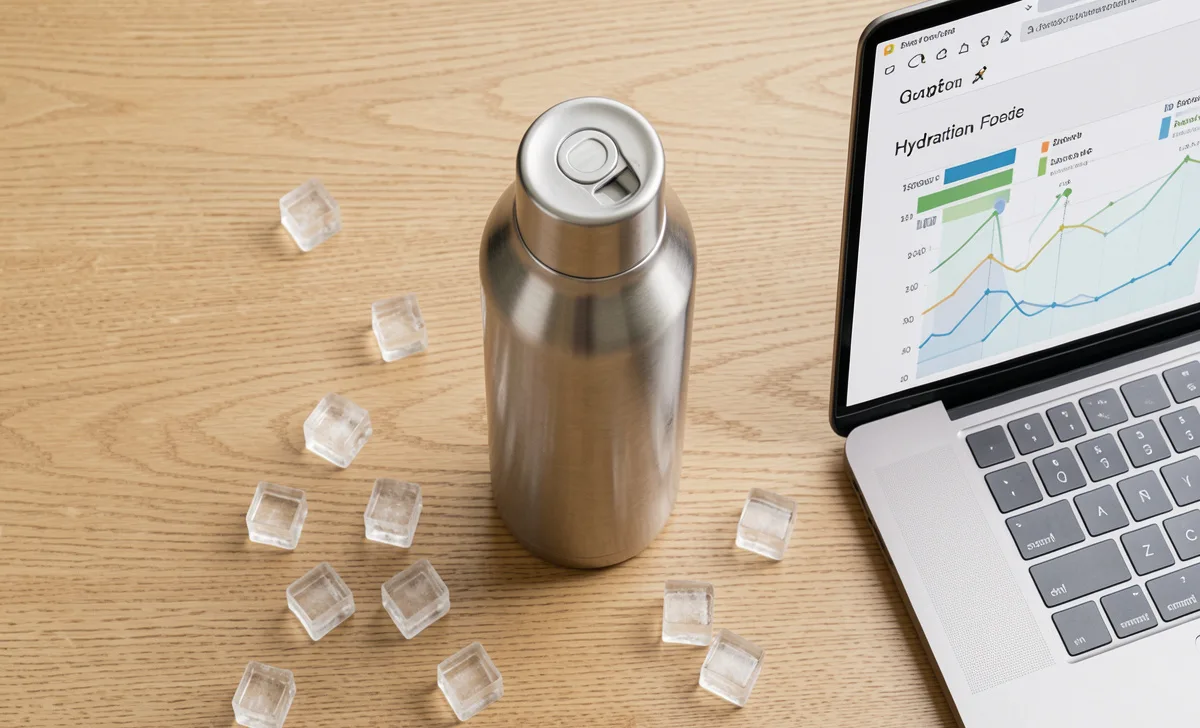
The insulation advantage: Quality reusable bottles are designed with double-wall vacuum insulation. Pour cold water from the tap, add a few ice cubes, and it stays icy cold for 12 to 24 hours. On a sweltering summer day, at the gym, or during a long road trip, that makes a huge difference.
Compare that to disposable plastic: A sealed plastic bottle stays cold for about 30 minutes outside the fridge. After that, you’re drinking room-temperature (or worse, warm) water. Many people end up tossing half the bottle, which wastes both water and money.
Hot drinks, too: The same insulation keeps coffee or tea hot for hours. That means no more lukewarm disappointment from your morning brew.
Reader question: “Does the material affect taste?”
Yes. Plastic bottles—both disposable and reusable—can impart a slight chemical taste, especially when warm or after repeated use. Glass and stainless steel are taste-neutral. Once you switch, you’ll notice the difference immediately.
Practical Strategies to Meet Your Daily Hydration Goal
Knowing the benefits is one thing. Actually, drinking enough water is another. Here are real-world strategies that work.
Diet Upgrades That Boost Hydration
You don’t have to rely on water alone. Many foods have high water content and contribute significantly to your daily intake.
Water-rich fruits and vegetables:
- Cucumbers (96% water)
- Celery (95% water)
- Radishes (95% water)
- Zucchini (94% water)
- Strawberries (91% water)
- Oranges (86% water)
- Tomatoes (94% water)
Soups and broths: A bowl of vegetable or bone broth delivers hydration along with electrolytes and nutrients. During colder months, this is an easy way to increase fluid intake without forcing yourself to drink cold water.
What to limit: Caffeine and alcohol act as mild diuretics, meaning they increase water loss through urination. That doesn’t mean you need to eliminate them—just balance each caffeinated or alcoholic drink with an extra glass of water.
Routine Reminders That Actually Stick
Carry your refillable bottle everywhere. This sounds simple, but it’s the single most effective habit. When water is always within arm’s reach, you sip automatically without relying on thirst. (Thirst is actually a late sign of dehydration—by the time you feel it, you’re already behind.)
Set hourly drink reminders. Use your phone, smartwatch, or a hydration app. One small sip every 20 to 30 minutes keeps you steadily hydrated without feeling like a chore.
Drink a glass of water with every meal. This trains your brain to associate eating with hydrating. It’s an easy anchor habit that requires zero extra willpower.
Hydrate first thing in the morning. After 7 to 8 hours of sleep, your body wakes up mildly dehydrated. A tall glass of water (16 to 20 ounces) within 10 minutes of waking replenishes your water reserves, boosts energy, and jump-starts your metabolism.
Use visual cues. Place your reusable bottle on your desk, nightstand, or kitchen counter where you can’t miss it. Out of sight too often means out of mind.
FAQs
How do I clean my reusable bottle properly?
Wash it daily with warm, soapy water. For deeper cleaning, use a bottle brush to reach the bottom, and soak with a mixture of vinegar and baking soda weekly to remove odors.
Is it safe to reuse disposable plastic bottles?
No. Disposable bottles are not designed for repeated use. The plastic degrades, scratches, and harbors bacteria. More importantly, repeated use increases chemical leaching. Always use a purpose-built reusable bottle.
What’s the best reusable bottle material?
Stainless steel is the most durable and best for insulation. Glass is taste-neutral but breakable. Avoid plastic reusable bottles if possible—even BPA-free plastics may have other concerning chemicals.
How do I remember to drink water when I’m busy?
Use the “two-bottle rule.” Fill two reusable bottles each morning (about 64 ounces total). Your goal is to finish both by evening. Visual progress tracking works better than abstract goals.
Final Thoughts: One Small Change That Delivers Big Results
Staying hydrated is not complicated, but it does require intentionality. A reusable water bottle is the single most effective tool you can own for reaching your daily water intake goals.
By ditching disposable plastic bottles and opting for an eco-friendly, insulated, reusable bottle, you’ll:
- Save $500 or more every year
- Reduce your plastic waste by hundreds of bottles annually
- Protect your health from BPA and microplastics
- Always have refreshingly cold water ready when you need it
Pair this simple tool with small lifestyle changes—eating water-rich foods, choosing hydrating soups and broths, limiting dehydrating beverages like caffeine and alcohol, and building morning and mealtime hydration habits—and you’ll soon find that reaching your hydration target becomes second nature.
The best time to switch was years ago. The second-best time is today. Get yourself a quality reusable water bottle, fill it up, and take that first sip. Your body—and the planet—will thank you.