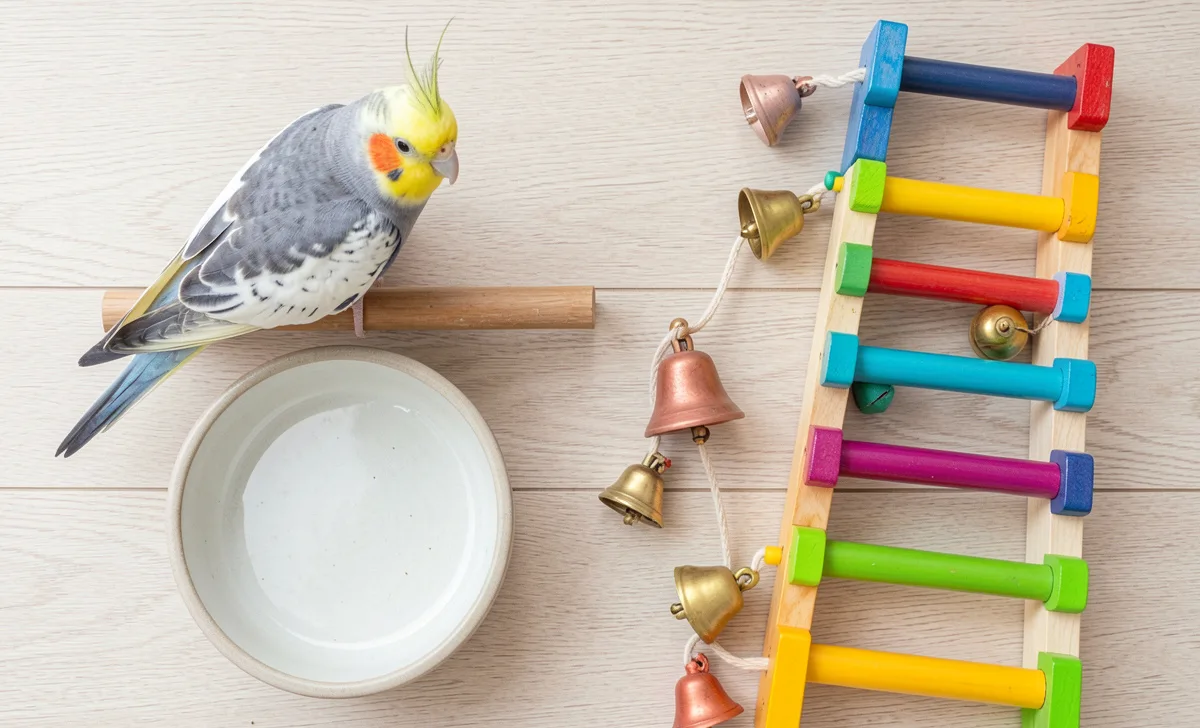
Bringing a bird into your home is an exciting and rewarding experience. Whether you’re a first-time bird owner or have shared your life with feathered companions for years, one question always comes up: “What pet bird supplies do I actually need?”
If you’ve ever walked into a pet store feeling confident, only to leave overwhelmed by rows of cages, toys, feeders, and grooming tools—you’re not alone. The sheer number of options can be confusing. Some products are essential. Others are nice to have. And a few are outright unnecessary or even harmful.
This guide walks you through exactly what pet bird supplies you truly need, what you can skip, and how to create a safe, enriching environment for your feathered family member. Let’s clear up the confusion once and for all.
Understanding What Your Bird Really Needs
Before diving into shopping lists, it helps to understand one key thing: bird health starts with the right environment. The right pet bird supplies make the difference between a bird that just survives and one that truly thrives.
In the wild, birds fly miles each day, forage for varied foods, bathe in fresh water, and naturally wear down their nails and beaks on rough surfaces. In your home, they rely entirely on you to provide those opportunities. That’s why choosing quality pet bird supplies directly affects how long and how happily your bird lives.
Depending on the species, pet birds can live anywhere from four years (small parakeets and finches) to over 80 years (large macaws and cockatoos). Their lifespan depends heavily on diet, habitat quality, grooming consistency, and access to medical attention.
So, let’s break down exactly what you need across four main categories: cage and accessories, feeding and clean-up supplies, food and treats, and health and grooming tools.
1. Birdcage, Accessories, and Toys: Creating a Safe Home
Choosing the Right Cage Size
One of the most common mistakes new bird owners make is buying a cage that’s too small. A cage that looks big enough in the store can feel terribly cramped once you add perches, toys, food bowls, and your bird.
The golden rule: Get the largest cage you can reasonably fit in your home and afford. Your bird needs room to walk around, fully spread its wings without hitting anything, and move between different perches and toys.
Here are the minimum recommended cage dimensions:
- For small birds (budgies, finches, lovebirds, canaries): At least 18 inches wide × 18 inches long × 18 inches tall
- For medium birds (cockatiels, conures, quaker parrots, Senegal parrots): At least 24 inches wide × 34 inches long × 24 inches tall
- For large birds (African greys, Amazon parrots, macaws, cockatoos): Custom or very large cages, often 36 inches wide × 48 inches long or larger
One important note many owners overlook: Choose a cage that is wider than it is tall. Tall, narrow cages tip over easily and don’t give birds enough horizontal space to move naturally. Birds fly horizontally, not vertically. Also, if your bird has a long tail (like a parakeet or macaw), make sure the cage height accommodates it without the tail rubbing against the bottom bars.
Must-Have Cage Accessories
Once you have the cage, you’ll need to outfit it properly. Here’s what experienced bird owners and avian vets recommend:
- Perches of varying diameters – This exercises your bird’s feet and prevents pressure sores and arthritis. Avoid completely smooth wooden dowels; natural wood branches with varying thickness work best. Aim for at least two to three perches at different heights.
- Ladders and swings – These provide excellent exercise and mental stimulation. Most birds enjoy climbing and swinging.
- Chew toys – Birds need to chew. It keeps their beaks healthy, prevents boredom, and mimics natural foraging behavior. Rotate toys weekly to keep things interesting.
- Birdcage covers – Birds need 10 to 12 hours of darkness for proper sleep. A breathable, lightweight cover helps create a calm, consistent bedtime environment and blocks drafts.
- Activity walls – These attach to the cage interior and give birds climbing surfaces, adding another dimension to their habitat.
- Bedding and litters – Avoid cedar or aromatic wood shavings (they can cause serious respiratory issues). Paper-based litters, recycled newspaper pellets, or simple cage liners are safer and easier to clean.
Common user concern: “My bird ignores all its toys. What’s wrong?”
Nothing is wrong. Some birds take days or even weeks to approach new objects. Try placing toys near favorite perches, or introduce one toy at a time instead of changing everything at once. Foraging toys (where birds have to work to find a hidden treat) often get more interest than bright plastic ones.
2. Feeding and Clean-Up Supplies: Daily Essentials
Feeders and Waterers
Your bird needs constant access to fresh, clean food and water. But not all feeders work for all birds. Choosing the right type is an important part of your pet bird’s supplies checklist.
- For small birds (finches, canaries, budgies): Tube-style feeders work very well. They prevent birds from sitting inside the food bowl and soiling their meal with droppings.
- For medium and large birds (cockatiels, conures, parrots, emus): You’ll need sturdier options—ceramic bowls, stainless steel cups, or heavy wooden or metal troughs for very large birds. These should attach securely to the cage to prevent tipping and spilling.
Waterers are just as important. Birds don’t just drink water—they bathe in it. A shallow birdbath or a wide, heavy ceramic dish gives them both. Change water daily (or twice daily if it gets soiled with food or droppings). For large birds like emus, you’ll need a watering trough large enough for them to drink from and wade in.
Clean-Up Supplies: The Overlooked Essential
Here’s something many first-time owners don’t consider until it becomes a real problem: Dried bird droppings become airborne powder when you clean them.
That fine white dust you see? It can carry bacteria into the air you and your family breathe. To clean safely and effectively:
- Lightly spray-dried droppings with a bactericide before wiping. This prevents dust from becoming airborne and kills harmful bacteria.
- Use a scoop or scraper for stuck-on messes.
- Dispose of waste in sealed bags to contain odors and bacteria.
- Wash cage surfaces with detergent and rinse thoroughly.
Other helpful clean-up tools include brushes for scrubbing cage bars and extra cage liners for quick changes between deep cleans. A good set of pet bird supplies always includes proper cleaning tools.
Real-world tip from experienced owners: Set up a cleaning kit (spray bottle with bird-safe cleaner, scoops, gloves, bags, and brushes) right next to the cage. You’ll clean more often when everything is within arm’s reach.
3. Food and Treats: Building a Healthy Diet
This is where many birds suffer silently. A diet of only seeds is like a human eating only French fries—it fills the stomach but lacks essential nutrients, leading to obesity, liver disease, and a shortened lifespan.
What a Healthy Bird Diet Looks Like
In the wild, birds eat a variety of nuts, leaves, fruits, insects, and seeds. At home, aim for a natural blend of bird feed that includes:
- Mixed seeds (but not as the sole food source)
- Chopped vegetables (dark leafy greens like kale and spinach, carrots, bell peppers, broccoli)
- Small amounts of fruit (berries, mango, papaya, apples without seeds)
- Unsalted nuts as occasional treats
For nectar-feeding birds like hummingbirds and lorikeets, use electronectar or a homemade nectar substitute (always consult your vet for safe recipes).
Signs Your Bird’s Diet Is Working
- Bright, smooth, full feathers
- Clear, bright eyes
- Active, curious, playful behavior
- Healthy weight (not too thin or obese)
- Regular droppings that are formed, not runny or discolored
Common question: “Can I feed my bird table scraps?”
Mostly, no. Avocados, chocolate, caffeine, alcohol, salty foods, sugary treats, and onions are toxic to many birds. Stick to bird-safe fruits, vegetables, and high-quality formulated pellets from reputable brands. When in doubt about any food, don’t feed it. A quick call to your avian vet can save your bird’s life.
4. Health and Grooming: Keeping Your Bird in Top Shape
Wild birds wear down their nails naturally on rough surfaces and use their flight feathers constantly. Your domestic bird doesn’t have those opportunities. Regular grooming isn’t optional—it’s essential for your bird’s comfort and health.
Grooming Supplies Checklist
Add these items to your pet bird supplies list:
- Bird-specific nail clippers and files (human nail clippers can crush their delicate nails, causing pain and infection)
- Blood-stopping powder (styptic powder) – essential in case you accidentally cut a nail too short
- Small, sharp scissors for trimming flight feathers (only if advised by your avian vet)
- Tweezers to remove broken blood feathers safely
- Bird shampoo (never human shampoo—it strips natural oils from feathers and skin)
- Sizable bath dish for supervised bathing
- Sterile cotton swabs for cleaning minor wounds
- Cuttlebones – these provide calcium and help wear down the beak naturally
- Chew toys – also essential for ongoing beak health
First Aid Kit for Birds
Accidents happen. Birds may injure themselves on cage parts, during free-flight time around your home, or from household hazards. A bird first aid kit is a non-negotiable part of responsible ownership and should include:
- Catheter syringes (for feeding or administering liquid medication)
- Disposable gloves
- Digital thermometer (avian-safe)
- Small, soft towel for gently restraining an injured bird
- Bird-safe antiseptic solution (consult your vet for the right one)
- Your avian vet’s emergency contact number is printed and taped inside the kit
Important: Never give human medications to a bird. A single tablet split incorrectly can be fatal. If you need tablet cutters or medication needles for prescribed treatments, your vet will provide specific guidance.
When to Groom at Home vs. When to See a Vet
You can handle nail trims and bathing at home with proper training and the right tools. But if your bird shows any signs of illness—fluffed feathers for long periods, sitting at the bottom of the cage, loss of appetite, wheezing, sneezing, discharge from eyes or nose, or sudden behavior changes—see an avian vet immediately. Birds instinctively hide illness until they are very sick, so don’t wait.
FAQs
How often should I fully clean the cage?
Deep clean once a week. Remove everything, wash with bird-safe cleaner or mild soap and hot water, rinse thoroughly, and dry completely before putting your bird back. Spot-clean droppings and soiled food daily.
My bird screams constantly. Is it bored?
Probably. Birds are highly social, intelligent animals. Lack of toys, social interaction, or out-of-cage time often leads to screaming. Try rotating toys weekly, spending at least one hour of focused, positive interaction daily, and allowing supervised time outside the cage in a bird-safe room.
Do I really need a cage cover at night?
Not absolutely required, but highly recommended. Covers block drafts, reduces nighttime disturbances from lights or household activity, and signals “bedtime” so your bird gets proper, uninterrupted rest.
Can two birds share the same cage?
Sometimes. Same-species birds often bond well, but you need a much larger cage (at least double the minimum size for one bird). Introduce them slowly in neutral territory and watch carefully for aggression. Some birds are naturally solitary and prefer living alone.
Final Thoughts: Your Bird Depends on You
When your bird is healthy, active, and well cared for, it brings genuine joy to your entire home. The quiet morning chirps, the playful head bobs, the curious tilts of the head—these small moments make bird ownership special.
But an unhealthy bird isn’t just sad for the bird. Poorly maintained cages with dried droppings can affect your family’s indoor air quality. Sick birds can spread certain infections (though rare, it’s possible). And a bored, lonely bird may develop destructive habits like feather plucking or constant screaming.
The good news? You now have the knowledge. You know which pet bird supplies are actually essential, how to set up the cage properly, what to feed, and how to groom safely.
Start with the basics: a properly sized cage, quality food, fresh water daily, a few rotating toys, and a consistent cleaning routine. Add grooming tools and a small first aid kit over time. And always keep your avian vet’s number handy.
Your feathered friend is counting on you. With the right supplies and a little daily attention, you’ll both enjoy many happy, healthy years together.
Disclaimer: This article is for informational purposes only and does not constitute professional veterinary advice. Every bird species and individual bird has unique health requirements. Always consult a licensed avian veterinarian for medical concerns, diagnosis, or treatment plans specific to your pet bird.