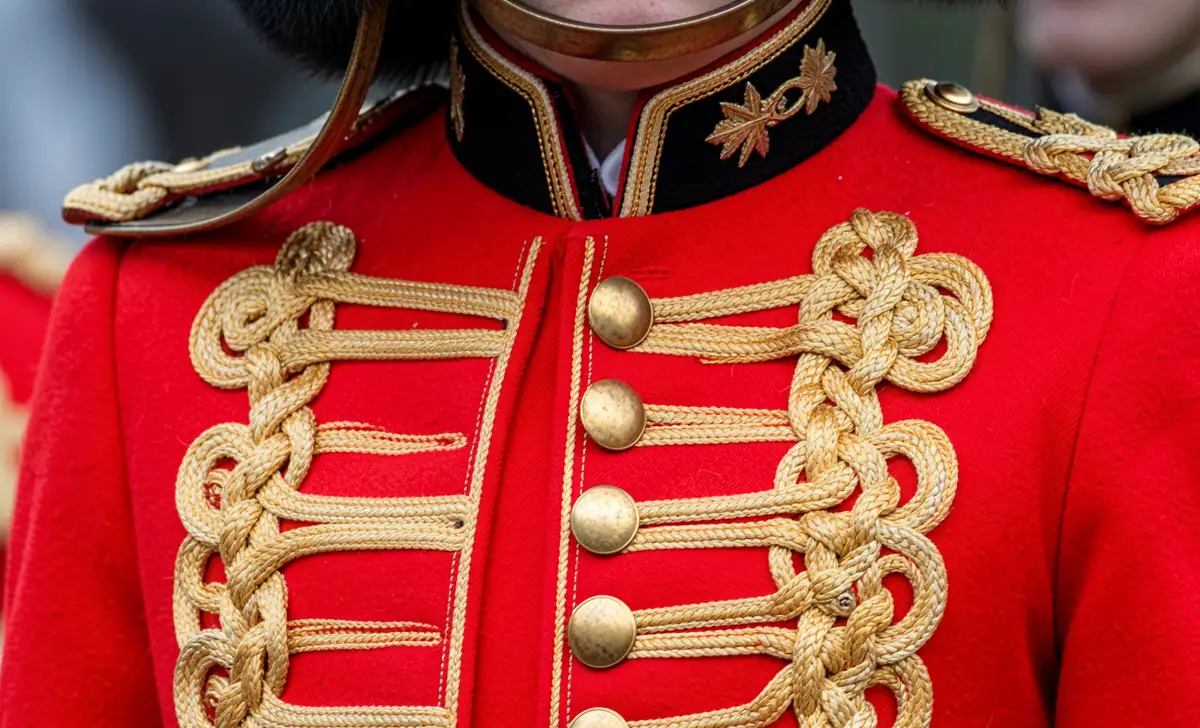
When you picture a British soldier, what’s the first image that comes to mind? For most people, it’s a proud, disciplined figure in a striking red coat—often called the scarlet tunic. Understanding british red coat history helps explain why this uniform has been synonymous with the British Army for centuries.
Why red? When did soldiers stop wearing it into battle? And why does it still appear at ceremonies like Trooping the Colour?
In this guide, we’ll answer those common questions and explore the fascinating journey of the red coat—from Tudor bodyguards to modern-day parades. Whether you’re a history enthusiast, a writer, or just curious about British redcoat history, this article will give you the complete story.
Why Did the British Army Wear Red Coats?
A question many people ask is: Why red? Was it to hide blood stains? To intimidate enemies? Or just because red dye was cheap?
The truth is more practical. During the 16th and 17th centuries, red was one of the most affordable and durable dye colors available. The dye came from the madder plant, which produced a deep, rich madder red fabric that didn’t fade quickly. This made it cost-effective for outfitting large armies.
But there was another advantage: on a smoky, chaotic battlefield, a British soldier in a bright red uniform was easy to spot. That helped prevent friendly fire and allowed officers to see their troops clearly. Over time, the British Army uniform became a symbol of discipline and unity. Any serious study of british red coat history must start with this practical reasoning.
The Origins: Tudor Bodyguards to the New Model Army
The story begins in the 16th century during the Tudor dynasty. The Yeomen of the Guard and the Yeomen Warders—elite units responsible for protecting the monarch—were the first to wear red and gold uniforms. These early red coats were handcrafted and signaled loyalty and prestige.
Fast forward to the English Civil War (1642–1651). The New Model Army, fighting on the side of Parliament, adopted the red coat as its standard uniform. This was a turning point. Unlike the patchwork uniforms of royalist forces, the New Model Army’s consistent appearance projected military professionalism and unwavering resolve.
From that moment, the red coat was no longer just clothing—it was a statement. This period remains one of the most important chapters in british red coat history.
Evolution and Standardization (1650–1900)
As the British Empire expanded, so did the reach of the red coat. British soldiers fought in madder red coats or shorter coats in major conflicts like the American Revolution and the Crimean War. The uniform helped distinguish friend from foe, but it also did something deeper: it instilled pride.
In 1873, a major change arrived. The army introduced a brighter, more vivid shade called scarlet. Initially reserved for officers, sergeants, and certain cavalry regiments, scarlet soon became standard for all ranks. The scarlet tunic with its clean lines became an instantly recognizable symbol of British military prowess.
However, not all red coats looked the same. Different military regiments and units added unique touches—intricate braiding for cavalry, distinctive facings (collar and cuff colors) for infantry. These variations allowed soldiers to show unit pride while maintaining overall uniformity.
Reader question answered: Did all British soldiers wear the same red coat?
No. While the base color was red or scarlet, details like facings, braiding, and buttons varied by regiment.
Why Did the British Army Stop Wearing Red in Combat?
This is one of the most common questions about british red coat history. The answer comes down to one word: camouflage.
During the Second Boer War (1899–1902) in South Africa, British soldiers in bright red scarlet tunics were easy targets for Boer sharpshooters using smokeless gunpowder and modern rifles. The harsh, dusty landscape made the red uniform a deadly liability.
As a result, the army began adopting khaki uniforms, which blended into the environment. By the outbreak of World War I in 1914, the red coat had been phased out of active service.
But that wasn’t the end.
The Red Coat Today: Ceremonial Use Only
While you won’t see a British soldier wearing a scarlet tunic on a modern battlefield, the uniform lives on in ceremony. Today, the red coat is reserved for:
- Trooping the Colour (the King’s official birthday parade)
- Remembrance Sunday services
- Guard duties at royal palaces
- Other formal military events
The current British Army Dress Regulations still include detailed provisions for the scarlet tunic, specifying exactly which units may wear it and on what occasions. Regiments across the Commonwealth—including Canada and Australia—also retain red coats for ceremonial purposes.
Reader question answered: Do any soldiers still wear red coats today?
Yes, but only for ceremonial and formal events, not combat.
Cultural Importance: More Than Just a Uniform
The red coat became a powerful symbol of the British Empire at its height. During the 18th and 19th centuries, the sight of a British soldier in red represented military might, colonial ambition, and national pride.
Artists painted heroic scenes of soldiers in scarlet uniforms. Writers coined the phrase “thin red line” —referring to British infantry standing firm against overwhelming odds. That phrase still symbolizes courage and resolve today.
Even as the empire faded, the red coat remained a national identity touchstone. It reminds people of bravery, sacrifice, and the values that shaped modern Britain. No exploration of british red coat history would be complete without acknowledging this cultural impact.
Other Armies That Wore Red Coats
While the red coat is most associated with the British Army, other armed forces also used red uniforms. These examples show how military fashion spread across cultures:
- Denmark–Norway army – Wore red uniforms from the 17th century until 1814.
- Paraguayan Army – Used red coats during the War of the Triple Alliance (1864–1870).
- Royal Burmese Armed Forces – Adopted Western-style red uniforms in the 18th and 19th centuries.
- Royal Polish Guards – Wore red coats with white lapels and blue or turquoise vests.
- Army of the Papal States – Outfitted line infantry in red coats and breeches in the 1730s.
- Prussian Army – Officers of the Guard Cuirassier Regiment wore scarlet tunics for court functions before World War I.
These examples prove that the allure of the red coat extended far beyond the British Isles.
FAQs
1. Was the red coat really that red?
Early versions were a deeper, earthier madder red. The brighter scarlet came later in 1873.
2. Did the red color help hide blood?
No. That’s a common myth. The real reasons were cost, durability, and battlefield visibility.
3. Can you see red coats in museums today?
Yes. Many military museums in the UK, including the National Army Museum in London, display original red coats and scarlet tunics.
4. Are red coats still made by hand?
Some ceremonial uniforms are still tailored by specialist military outfitters, following strict Dress Regulations.
Conclusion: A Legacy Woven in Scarlet
From Tudor bodyguards to Trooping the Colour, the red coat has been a constant presence in British military history. It evolved from a practical battlefield garment into a cherished symbol of national identity and military tradition.
Today, when you see a British soldier in a scarlet tunic, you’re not just looking at a uniform. You’re looking at centuries of discipline, sacrifice, and pride. The red coat is a living testament to the courage of countless men and women who have worn it with honor.
So the next time you watch a ceremonial parade or visit a military museum, take a moment to appreciate the rich british red coat history woven into every thread. The red coat is more than fabric—it’s the story of a nation.
Disclaimer: This article is for informational and historical purposes only. While every effort has been made to ensure accuracy, military uniforms and regulations may vary by regiment and time period. Readers seeking official or detailed guidance on British Army dress codes should refer to the current British Army Dress Regulations or consult official sources.