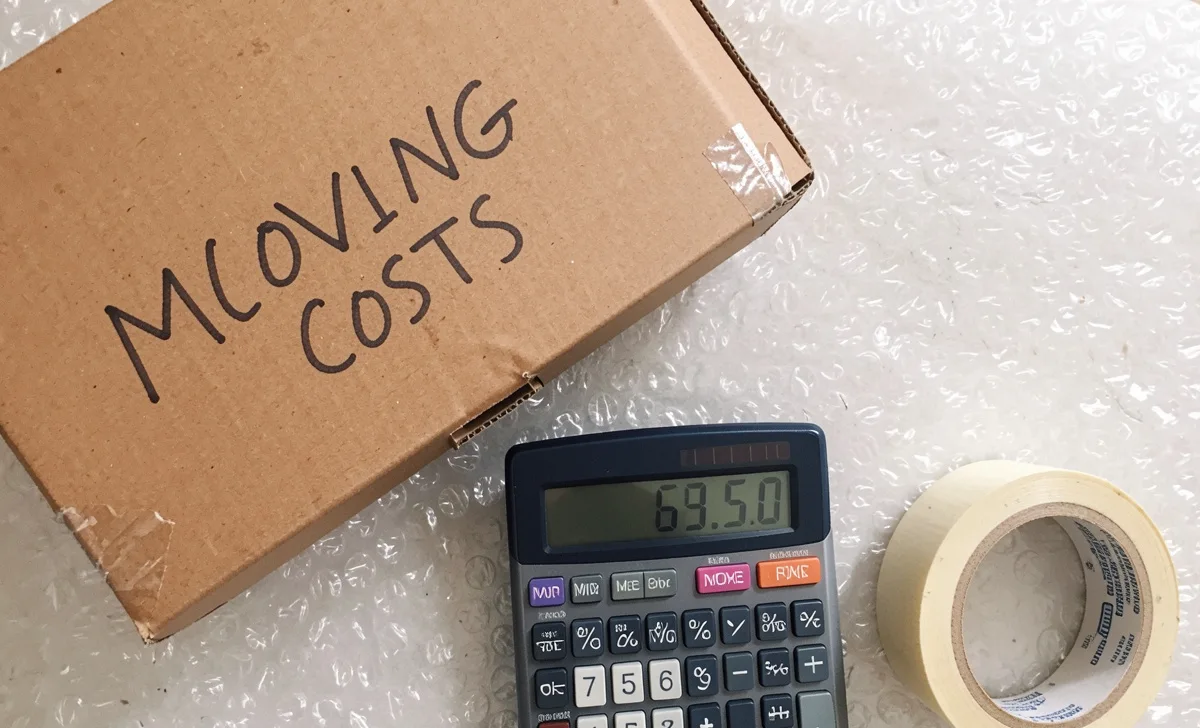
Moving to a new home is exciting, but let’s be honest—the cost of moving can also be a major source of stress. Between hiring professional movers, buying packing supplies, and coordinating logistics, expenses add up fast. If you’ve been asking yourself, “How much should I expect to pay for movers?” or “Is it cheaper to rent a truck and do it myself?”—you’re in the right place.
This guide breaks down real moving costs based on home size, distance, and services. We’ll also cover practical ways to reduce moving costs, compare DIY moving vs. full-service movers, and answer common questions people ask when planning a relocation.
Average Cost of Moving: What Most People Pay
The average cost for you to move depends on several factors: the size of your home (studio vs. 4-bedroom), the distance of your move (local vs. long-distance), and how many movers you need. Across the industry, most local moves fall between $700 and $800 for a small to medium-sized home.
However, that number changes dramatically if you’re moving cross-country or have a lot of furniture. A better way to estimate your moving expenses is to break them down by move type.
Local Moving Costs (Under 50 Miles)
If you’re moving locally—say, across town or to a nearby neighborhood—the cost of professional movers is significantly lower than long-distance hauls. Local movers typically charge by the hour rather than by weight or mileage.
Here’s what you can expect for a full-service local move (company provides the truck and crew):
| Home Size | Average Cost Range |
|---|---|
| Studio / small apartment | $300 – $600 |
| 1 bedroom | $400 – $650 |
| 2 bedrooms | $550 – $850 |
| 3 bedrooms | $600 – $1,150 |
| 4+ bedrooms | $850 – $1,350 |
Average Cost of Movers Per Hour
For local moves, most companies charge between $25 and $50 per hour per mover. A typical crew of two to three movers for a three-bedroom home might run around $350 total for a few hours of work.
Real user question: “Why do movers charge hourly instead of a flat rate?”
Local moves have variables like traffic, stairs, elevators, and how far the truck can park from your door. Hourly rates ensure you only pay for the actual time spent—but it also means you can save money by having everything packed and ready before they arrive.
Long-Distance Moving Costs (Over 100 Miles)
Long-distance moving costs are higher for professional moving companies because they factor in fuel, tolls, overnight travel for crews, and the weight of your belongings. Depending on the size of your home and the distance traveled, you might pay anywhere from $1,000 to $10,000 or more.
Here are real-world cost ranges for interstate and cross-country moves:
| Distance | 1 Bedroom | 2-3 Bedrooms | 4-5 Bedrooms |
|---|---|---|---|
| 250 – 1,000 miles | $850 – $2,300 | $1,300 – $4,000 | $2,100 – $5,700 |
| 1,000 – 2,500 miles | $1,400 – $3,000 | $2,100 – $7,800 | $4,900 – $8,100 |
| 2,500+ miles | $1,900 – $3,800 | $3,200 – $9,700 | $9,400+ |
Why the wide range? Long-distance moving companies charge based on the weight of your belongings (often $0.50 to $0.70 per pound for interstate moves) plus distance traveled. A fully loaded four-bedroom home weighs significantly more than a studio apartment.
Additional Moving Expenses You Should Budget For
The price of hiring movers isn’t the only cost. Here are common moving expenses people forget—and regret overlooking.
Packing Supplies
Boxes, tape, bubble wrap, and other packing materials typically cost $50 to $100 for a small home and $200 to $500 for a large home. You can save by asking local grocery or liquor stores for free boxes, but you’ll still need packing tape and protective wrap for fragile items.
Moving Insurance
Most moving companies include basic “released value” coverage (about $0.60 per pound per item). That means if your $1,000 TV gets damaged, you might only get $60. For valuable items, consider full-value protection or third-party moving insurance. Expect to pay $100–$300, depending on the value of your possessions.
Storage Costs
If your new home isn’t ready on moving day or you need to declutter before showing your old house, storage unit fees add $100–$400 per month.
Additional Services
Packing/unpacking, furniture disassembly/reassembly, and piano or pool table moving all come with extra charges. These additional services typically add $300–$800 to your total bill.
Sample Estimate for a 1,000-Mile Move (3-Bedroom Home)
| Expense | Estimated Cost |
|---|---|
| Moving Company Fees | $2,000 – $5,000 |
| Distance Traveled | $1,000 – $2,000 |
| Packing Materials | $200 – $500 |
| Insurance | $100 – $300 |
| Storage Costs (if needed) | $100 – $400 |
| Additional Services | $300 – $800 |
How to Reduce Moving Costs Without Cutting Corners
You don’t have to empty your savings to relocate. Here’s how real people keep moving expenses under control.
1. Move During the Low Season
Summer is the busiest (and most expensive) time for movers. Demand spikes from Memorial Day through Labor Day. If you can move in the spring or fall—especially mid-month or mid-week—you’ll often get lower rates.
2. Declutter Before You Pack
The fewer items you have, the less work for the movers and the lower your bill. Go room by room. Donate, sell, or toss anything you haven’t used in a year. This is especially important for long-distance moving, where weight directly affects cost.
3. Get Multiple Quotes
Don’t book the first company you call. Get at least three in-home or video estimates from different moving companies. Be wary of quotes that seem too low—they often lead to last-minute price hikes.
4. Pack Yourself, Leave the Heavy Lifting to Pros
You can reduce moving costs by packing your own boxes (saving on packing services) but letting movers handle loading, driving, and unloading. This hybrid approach gives you control and savings.
5. Ask About Discounts
Many moving companies offer discounts for military, seniors, students, or cash payments. It never hurts to ask.
Professional Movers vs. DIY Moving: Which Is Right for You?
One of the most common questions people ask is whether to hire professional movers or move by yourself. There’s no one-size-fits-all answer, but here’s an honest comparison.
Professional Movers: Pros and Cons
Pros:
- Efficiency – experienced crews pack, load, and transport quickly
- Time-saving – you focus on other parts of your move
- Expertise – fragile items and heavy furniture are handled safely
- Insurance – reputable moving companies protect your belongings
Cons:
- Higher upfront cost
- Less hands-on control
- You’re on their schedule
DIY Moving (Renting a Truck or Trailer)
Pros:
- Cost savings (especially for local moves)
- Full control over timing and packing
- Flexibility to change plans
- Personal sense of accomplishment
Cons:
- Time-consuming (packing, loading, driving, unloading)
- Requires physical effort and often help from friends
- Higher risk of damage to belongings or injury
- No insurance coverage unless you buy separate moving insurance
Quick Comparison Table
| Criteria | Professional Movers | DIY Moving |
|---|---|---|
| Cost | Higher | Lower |
| Time | Faster | Time-consuming |
| Effort | Minimal | Requires significant effort |
| Control | Limited | Full control |
| Risk of damage | Lower | Higher |
Bottom line: If you’re moving a studio or one-bedroom apartment locally, DIY can save you hundreds. If you have a three-bedroom home, heavy furniture, or are moving long-distance, professional movers are often worth the cost for your peace of mind and back.
Real Questions People Ask About Moving Costs
Do movers charge for travel time?
Yes, for local moves. Most companies start the clock when they leave their shop and stop when they return. For long-distance moves, travel time is built into the mileage rate.
Can I tip movers? How much?
Tipping is standard but not required. $20–$40 per mover for a half-day move or $40–$60 for a full day is common. For long-distance moves, $5–$10 per hour per mover is appreciated.
What’s the cheapest way to move long-distance?
Rent a moving container (like PODS or U-Pack). You pack and load, they drive. It’s often cheaper than full-service movers but easier than driving a rental truck yourself.
Do moving quotes include packing supplies?
Usually not. Unless you specifically request packing services, quotes cover labor, truck, and fuel only. Always ask what’s included before signing.
Final Thoughts: Plan to Avoid Moving Surprises
Moving from one home to another can be expensive—but with a little planning and research, you can keep the cost of moving under control. Start by measuring your home size, deciding between professional movers and DIY, and getting multiple quotes. Set aside a budget for packing supplies, insurance, and potential storage costs.
Remember: the cheapest option isn’t always the best value. Sometimes paying a bit more for experienced, insured movers saves you from broken furniture, injuries, or days of exhaustion.
By being prepared and knowing what to expect, you can make your next move a smooth, stress-free experience—without blowing your budget.