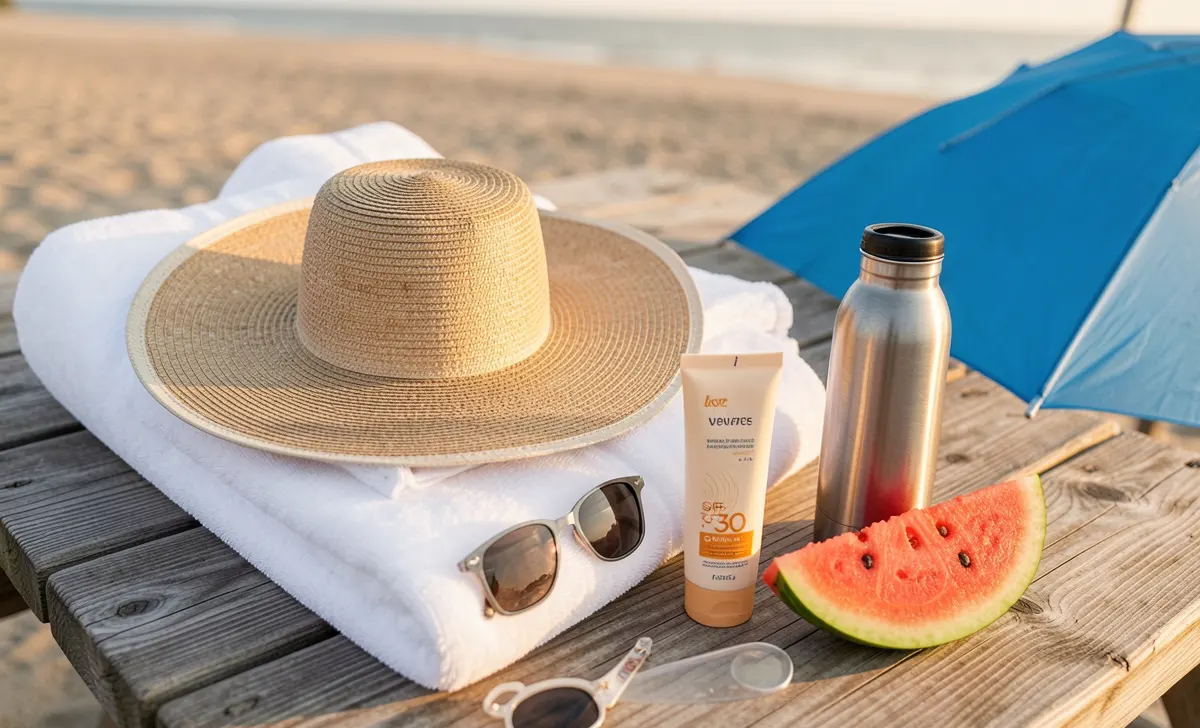
Summer is finally here, and for millions of people, that means one thing: beach days. There’s something almost magical about the combination of warm sun, cool ocean water, and soft sand beneath your feet. Whether you’re planning a solo escape with a good book, a family outing with energetic kids, or a social gathering with friends, a well-prepared beach trip can turn into a cherished memory. And that’s exactly why summer beach day preparation matters more than most people realize.
But let’s be honest—anyone who’s ever forgotten sunscreen, run out of water, or lugged heavy gear across hot sand knows that a beach day can go sideways fast. The difference between a stressful experience and a relaxing one comes down to preparation. This guide covers everything you need to know for proper summer beach day preparation: from sun protection and hydration to choosing the right activities for all ages. No fluff, just practical advice you can actually use.
Why Preparation Makes or Breaks Your Beach Day
You’ve probably heard someone say, “I just show up and figure it out.” And sure, spontaneity has its charm. But when it comes to the beach, a little planning goes a long way. The California coastline—and beaches everywhere—can be unforgiving under the summer sun. Dehydration, sunburns, and fatigue are real risks. On the flip side, arriving with the right gear and a loose plan means you spend less time stressed and more time actually enjoying yourself.
Think of preparation as freedom, not restriction. When you have what you need, you’re free to swim, nap, read, play, or simply stare at the horizon without interruption. Smart summer beach day preparation turns a chaotic outing into a peaceful escape.
Sun Protection: Non-Negotiable Beach Essentials
The most common question people ask before a beach day is: “How much sunscreen do I really need?” The honest answer is more than you think.
Choosing the Right Sunscreen
A broad-spectrum, water-resistant sunscreen with a minimum SPF 30 rating is the gold standard. “Broad-spectrum” means it protects against both UVA (aging) and UVB (burning) rays. Water-resistant doesn’t mean waterproof—no sunscreen is—so you absolutely need to reapply at least every two hours, and immediately after swimming or towel-drying.
For your face, use a separate formula designed for that sensitive area. Many people overlook their ears, the tops of their feet, and the back of their neck. Don’t be one of them.
Covering Up Without Overheating
Sunscreen alone isn’t enough. Physical barriers like wide-brimmed hats, UV-blocking sunglasses, and rash guard swim tops provide excellent protection. Beach cover-ups are great for walking to the snack bar or taking a break from direct sun.
Pop-up beach tents have become increasingly popular, and for good reason. They offer a shaded oasis when you need a break. If you have infants or elderly family members, a tent isn’t a luxury—it’s a necessity.
Real Concern: Skin Cancer Prevention
Here’s something people don’t talk about enough: one bad sunburn in childhood doubles the risk of melanoma later in life. Protecting your skin isn’t about vanity. It’s about long-term health. The California sun, like strong sun anywhere, demands respect.
Staying Hydrated and Energized Under the Sun
Another frequent complaint after a beach day: “I felt terrible by 3 PM.” That’s almost always dehydration or low blood sugar.
How Much Water Should You Pack?
A good rule of thumb is one liter of water per person every two hours. For a family of four spending six hours at the beach, that’s 12 liters. Yes, it’s heavy. Yes, it’s worth it.
Electrolyte-replenishing sports drinks like Gatorade or Powerade help replace what you lose through sweat. But if you want a natural option, coconut water is nature’s sports drink. It’s packed with potassium and magnesium—exactly what your muscles need to avoid cramping.
Smart Snacking for Energy
Sugary snacks give a quick spike followed by a crash. Instead, pack:
- Trail mixes with nuts and dried fruit
- Fresh fruits like watermelon and oranges (hydrating, too)
- Vegetable sticks with hummus
- Sandwiches on whole-grain bread
- Protein bars or granola bars
Avoid bringing anything that melts quickly unless you have a good cooler. Chocolate is usually a bad idea.
Must-Have Beach Gear: What to Actually Bring
Walk onto any crowded beach, and you’ll see the difference between prepared visitors and those struggling. Here’s your practical checklist.
Towels and Seating
Oversized beach towels serve two purposes: lounging and drying off. Cotton towels are absorbent and comfortable. Microfiber travel towels dry faster and shake sand off easily—great if you’re short on space.
Portable foldable beach chairs are a game-changer, especially for adults. Look for chairs with adjustable positions, cup holders, and carry straps. Sitting directly on sand sounds romantic until your back starts aching an hour in.
Shade and Storage
A sturdy beach umbrella with UV protective coating makes all the difference. The best ones have tilt features and sand anchor systems that prevent them from flying away in a light breeze.
For carrying everything, a roomy beach bag is essential. Waterproof bags keep electronics and dry clothes safe. Backpack-style bags free up your hands—incredibly useful when you’re also carrying chairs and a cooler.
| Essential Item | Why You Need It |
|---|---|
| Sunscreen (SPF 30+) | Prevents burns and reduces skin cancer risk |
| Wide-brimmed hat | Protects face, ears, and neck |
| UV-blocking sunglasses | Shields eyes from glare and UV damage |
| Water & sports drinks | Prevents dehydration and heat exhaustion |
| Healthy snacks | Maintains energy levels |
| Oversized towels | For lounging and drying off |
| Beach chair | Saves your back from sand sitting |
| Beach umbrella | Provides essential shade |
| Beach bag (waterproof) | Keeps gear organized and sand-free |
Choosing the Right Beach Activities for Your Group
Not everyone wants the same thing from a beach day. A teenager might want nonstop action. A grandparent might want peace. The key is offering options.
Fun Beach Activities for Kids
Children have endless energy and short attention spans. Plan.
Sandcastle-building competitions never get old. Bring small shovels, buckets, and let them decorate with shells, sea glass, and driftwood. You can judge the most creative design and award silly prizes like “best moat” or “tallest tower.”
Beach balls, frisbees, and pool noodles provide hours of water entertainment. Stick to shallow areas near shore for young kids. Even a few inches of water can be enough for splashing and catching.
Tidal pool exploration is like a free aquarium. Small tidal pools teem with tiny sea creatures—sea anemones, tiny fish, and hermit crabs. Supervise closely and teach kids to observe gently without harming the animals.
Relaxing Beach Activities for Adults
Not everyone wants to run around. Sometimes the best beach day is the quietest one.
Find a scenic spot, set up your chair or towel, and dive into a novel or e-reader. The sound of crashing waves makes reading feel almost meditative. If you prefer audio, pop in earbuds and listen to soothing playlists, ocean wave soundscapes, or mindfulness meditations during a midday nap in the shade.
Don’t underestimate the simple joy of conversation. Strike up friendly chats with nearby beachgoers. Discuss shared interests, swap travel stories, or just admire the view together. Some of the most memorable beach moments come from unexpected connections.
Beach Sports and Water Activities for Everyone
For the energetic crowd, beach sports are a fantastic workout and social experience.
Beach volleyball develops teamwork and communication. You can join pickup games or play with your own group. Focus on play during mornings and evenings when temperatures are cooler, and the sand isn’t scorching.
Soccer on sand is harder than it looks. Kick or throw a ball back and forth at low tide when the beach opens up. Kids can join easily, and adults build endurance through longer passing sessions.
Paddleboarding and bodyboarding build core strength, balance, and stability. Small inflatable paddleboards are beginner-friendly and easy to carry. Bodyboarding requires less skill—just catch a wave and ride. Beginners should stay where lifeguards are present and waves are small.
FAQs
Can I get sunburned on a cloudy day?
Yes. Up to 80% of UV rays penetrate clouds. Always wear sunscreen.
How do I keep sand out of everything?
You can’t completely, but a mesh bag or shaking off before leaving the beach helps. Baby powder also works wonders for removing sand from skin.
What if someone in my group doesn’t swim?
Stay in shallow water, use life jackets, or simply enjoy beach games and reading. No one has to swim to have a good time.
How do I handle bathroom breaks?
Know the beach’s facility locations before you go. Pack hand sanitizer and toilet paper just in case.
What about jellyfish or stingrays?
Shuffle your feet when walking in shallow water to alert stingrays. For jellyfish, ask lifeguards about current conditions. Vinegar can help with certain stings, but check local recommendations.
A Sample Beach Day Timeline
If you’re unsure how to structure your day, try this:
- 9:00 AM – Arrive early to claim a good spot before crowds.
- 9:30 AM – Apply sunscreen (first layer). Set up chairs, an umbrella, and towels.
- 10:00 AM – Active time: volleyball, swimming, or paddleboarding.
- 12:00 PM – Snack and hydration break. Reapply sunscreen.
- 1:00 PM – Quiet time: reading, napping, or tidal pool exploration.
- 3:00 PM – Lunch and more water. Reapply sunscreen again.
- 4:00 PM – Final swim or sandcastle building.
- 5:00 PM – Pack up, shake off sand, and head out before traffic.
Final Thoughts: Build Lifelong Memories
Summertime beach days are about more than just checking a box. They’re about family bonding, refreshing ocean dips, and simple pleasures like napping under an umbrella. With the right preparation—beach gear essentials, proper sun protection, hydrating snacks, and activities suited to your group—you set the stage for a truly memorable day. And as you’ve learned throughout this guide, effective summer beach day preparation is the single biggest factor between a stressful outing and a magical one.
Before you leave home, check the weather and surf forecasts. Make a master packing checklist and gather items over time so you’re not scrambling at the last minute. And remember: the goal isn’t perfection. The goal is presence. Put away your phone, feel the sand between your toes, and enjoy the people you’re with.
Disclaimer: This article is for general informational purposes only and does not constitute professional medical, safety, or legal advice. Sun protection, hydration needs, and physical activities vary by individual health conditions, age, and location. Always consult a healthcare provider for personalized recommendations, check local beach regulations, and follow official lifeguard guidance. The author and publisher disclaim any liability for adverse effects arising from the use or application of information in this guide.