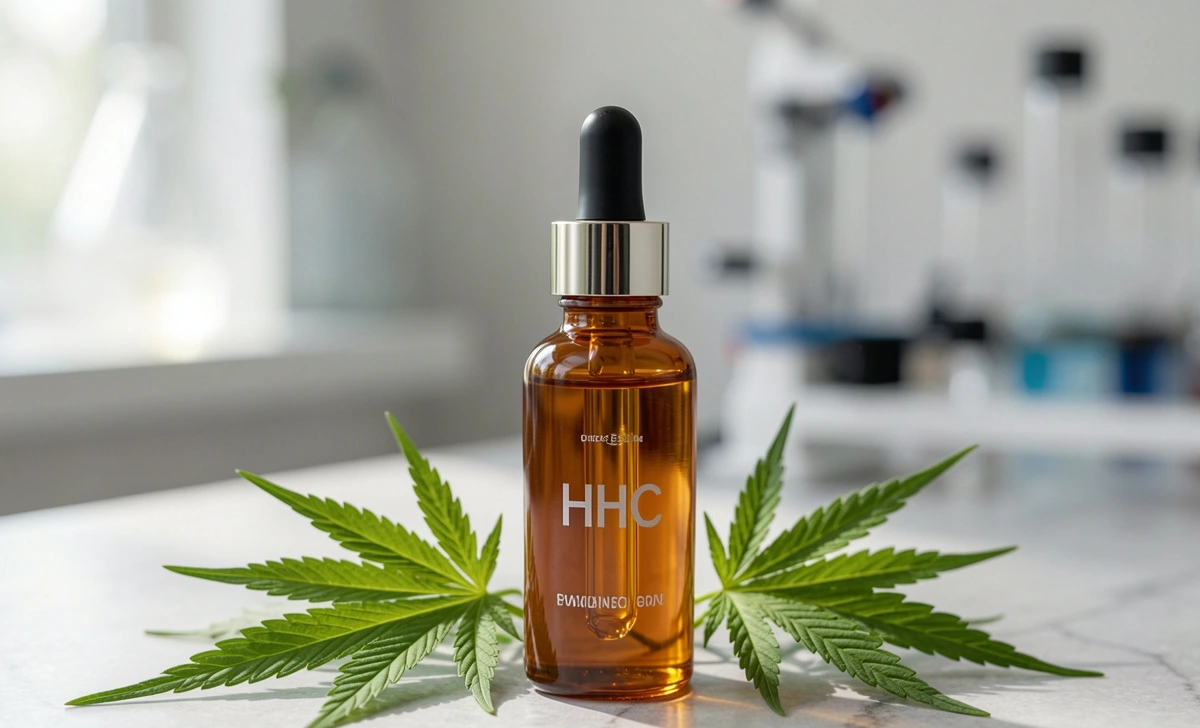
If you’ve been following the cannabis world lately, you’ve probably noticed a new name popping up: HHC. Short for hexahydrocannabinol, it’s quickly becoming one of the most talked-about cannabinoids alongside delta 8 THC and delta 10 THC. Some call it a game-changer. Others are curious whether it delivers the same experience as traditional THC, or if it might even be a way around standard drug tests.
But with so much hype, it’s easy to feel overwhelmed. Is HHC natural or synthetic? Is it legal? Will it show up on a drug screening? And most importantly, is it safe to use? This HHC guide effects overview breaks down everything you need to know in a clear, practical way—whether you’re a curious newcomer or an experienced cannabis user exploring alternatives.
What Is HHC? A Quick Overview
HHC stands for hexahydrocannabinol. In simple terms, it’s a hydrogenated form of THC. The process—called hydrogenation—involves adding hydrogen molecules to THC, which changes its structure and makes it more stable. You might think of it like the difference between vegetable oil and margarine: they start similar, but hydrogenation creates something with a longer shelf life and different properties.
Chemically, HHC has multiple isomers, meaning different molecular arrangements that can produce slightly different effects. In nature, HHC appears in cannabis sativa plants, but only in trace amounts. To produce it in quantities that are usable for consumers, manufacturers create it in a lab through controlled chemical reactions.
This distinction—natural vs. synthesized—is one of the biggest points of confusion. While HHC does occur naturally in hemp and marijuana, the products you buy are typically lab-made. That doesn’t automatically make them unsafe, but it does mean quality control and transparency from brands matter more than ever.
HHC vs. THC: How Do the Effects Compare?
One of the first questions people ask is, “Does HHC get you high?” The short answer is yes—but the experience is distinct from delta 9 THC, the primary psychoactive compound in traditional cannabis. A complete HHC guide effects analysis starts with understanding what users actually feel.
Based on anecdotal reports and emerging user experiences, HHC produces effects that many describe as leaning more toward relaxation than euphoria. It’s often compared to delta 8 THC: a milder, more body-focused experience with less of the mental intensity that delta 9 can sometimes trigger.
Users commonly report:
- A sense of calm and physical comfort
- Mild euphoria without overwhelming anxiety
- Altered sensory perception (sounds may feel richer, colors brighter)
- Increased appetite
- Relaxation that can help with winding down at night
However, because HHC is relatively new, there are currently no large-scale human studies on its effects. Most of what we know comes from user experiences and a small number of animal studies. For instance, a 2010 study on rats found that beta-HHC had significant analgesic (pain-relieving) properties, with effects lasting longer than those of traditional THC. While promising, it’s important to remember that animal results don’t always translate directly to humans.
Stability and Shelf Life: A Real Advantage
One area where HHC genuinely stands out is stability. If you’ve ever had a vape cartridge or edible lose potency over time, you know how frustrating it can be. Traditional THC is vulnerable to oxidation, heat, and UV radiation, all of which can degrade its quality and effectiveness.
HHC is far more resistant to these factors. Because of its hydrogenated molecular structure, it holds up better over time. That means your products are less likely to lose potency if stored for months, making HHC a practical option for people who prefer to keep a stash on hand without constantly worrying about freshness.
Is HHC Legal? Navigating a Gray Area
Legal questions are among the most common concerns people have—and for good reason. The legal status of HHC isn’t black and white.
Under the 2018 Farm Bill, hemp-derived products containing no more than 0.3 percent delta 9 THC by dry weight are federally legal in the United States. Many HHC manufacturers argue that because HHC is derived from industrial hemp and occurs naturally in the plant, it falls within this legal framework.
However, there’s a catch. HHC doesn’t occur in large enough amounts to be extracted directly from hemp; it must be synthesized in a lab from other cannabinoids. That manufacturing process leads some regulators and legal experts to view it differently from naturally occurring compounds like CBD or delta 8 THC.
Several states have already moved to restrict or ban HHC. Before purchasing, it’s essential to check your local laws. What’s legal in one state may not be in another, and regulations are changing quickly as lawmakers catch up with new cannabinoids.
Will HHC Show Up on a Drug Test?
This is one of the most frequently asked questions in online forums and discussions—and for many people, it’s a deciding factor. Any trustworthy HHC guide or resource must address this concern honestly.
The short answer: there is no guarantee you’ll pass a drug test after using HHC.
Standard drug screening tests—like the common 12-panel urine test—are designed to detect metabolites of THC. When your body processes HHC, it may break down into 11-hydroxy-THC, the same metabolite produced from traditional THC. That means even if HHC itself isn’t directly targeted, its byproducts can trigger a positive result.
Some users have reported passing tests after using HHC, but these are anecdotal and should not be relied upon. If you’re subject to regular drug testing, treating HHC with the same caution as delta 9 THC is the safest approach.
Potential Benefits: What Users Are Saying
Because formal research is limited, much of what we know about HHC’s benefits comes from user experiences. The most commonly cited benefits include:
- Pain relief: Many users turn to HHC for chronic discomfort, and early animal research supports its potential as an analgesic.
- Anxiety relief: Several people report feeling calmer and more centered after using HHC, often with less paranoia than delta 9 THC can sometimes bring.
- Better sleep: Users frequently mention improved sleep quality, especially when taking HHC in the evening.
- Nausea reduction: Some find relief from nausea and digestive discomfort.
It’s worth noting that these benefits are largely based on personal reports rather than clinical studies. The lack of peer-reviewed research doesn’t mean the benefits aren’t real—it just means we don’t yet have the scientific confirmation needed to make definitive claims.
Safety, Side Effects, and What to Watch For
No discussion of a new cannabinoid is complete without addressing safety. HHC products are sold with claims of being harmless because they’re hemp-derived, but the reality is more nuanced.
Because HHC is new to the market, there is limited data on short-term side effects—and none on long-term use. However, based on its similarity to THC, possible side effects may include:
- Dizziness
- Dry mouth and red eyes
- Increased heart rate
- Heightened stress or paranoia (especially with high doses)
- Increased appetite
Another concern is quality control. Many HHC products—particularly vape cartridges—come from brands with limited transparency. Unlike regulated cannabis markets, the hemp-derived cannabinoid space lacks consistent oversight. That means potency, purity, and the presence of residual solvents or reagents can vary widely.
To use HHC more safely:
- Choose brands that provide third-party lab testing (certificates of analysis)
- Start with a low dose to see how your body responds
- Avoid combining with alcohol or other substances until you understand the effects
Natural or Synthetic? Why the Distinction Matters
One of the most common discussions in cannabis communities is whether HHC should be considered a natural or synthetic compound. Both sides have valid points.
On one hand, HHC has been found in cannabis sativa plants. Its presence in nature supports the argument that it’s a naturally occurring cannabinoid. On the other hand, the amounts found are so small that commercial production requires chemical conversion in a lab using reagents and specialized equipment.
For consumers, the more practical question is whether this matters for safety and legality. A lab-made compound isn’t inherently dangerous, but it does place more responsibility on manufacturers to ensure clean, contaminant-free products. Until regulations catch up, that responsibility largely falls on the consumer to research brands and verify testing.
Who Is HHC For?
HHC may appeal to several different groups of people:
- Those looking for a milder alternative: If you find delta 9 THC too intense, HHC’s more relaxed profile might be a better fit.
- People seeking longer-lasting stability: The extended shelf life is a practical advantage for anyone who prefers to stock up.
- Curious cannabinoid enthusiasts: If you’ve already explored delta 8 and delta 10, HHC offers something new to compare.
- Individuals in hemp-friendly states: Where delta 9 THC remains restricted, HHC may be legally accessible.
That said, HHC is not for everyone. If you have a history of anxiety, are subject to routine drug tests, or prefer products with extensive clinical research behind them, you may want to proceed with caution or wait until more studies are available.
The Bottom Line
HHC is an intriguing addition to the growing list of hemp-derived cannabinoids. It offers a unique balance: the psychoactive effects of THC, but often with greater stability and a smoother, more relaxing experience. This HHC guide effects overview shows that its potential for pain relief, anxiety management, and sleep support makes it appealing, though it’s important to remember that most of these claims are based on user experiences rather than robust scientific studies.
The legal landscape is still taking shape, and safety depends heavily on choosing reputable brands that provide transparent lab testing. For now, HHC remains a largely unregulated market—one where informed, cautious use is the smartest approach.
If you’re curious, start low, go slow, and always prioritize quality over novelty. And if you’re subject to drug testing, it’s best to assume HHC could lead to a positive result.
As with any new cannabinoid, staying informed is your best tool. Whether HHC becomes a staple in your routine or just an occasional alternative, understanding what it is—and what it isn’t—helps you make the choice that’s right for you.
Disclaimer: This article is for informational purposes only and does not constitute medical or legal advice. HHC products are not approved by the FDA for diagnosis, treatment, or prevention of any medical condition. Laws regarding hemp-derived cannabinoids vary by state and country, and regulations change frequently. Always consult with a qualified healthcare professional before using any cannabinoid product, especially if you have underlying health conditions, take prescription medications, or are subject to drug testing.