
Key Takeaways
- Increased energy bills may indicate failing insulation.
- Uneven indoor temperatures suggest insulation gaps.
- Moisture and mold are signs of compromised insulation.
- Pest infestations can damage insulation materials.
- Visible deterioration of insulation warrants replacement.
Table of Contents
- Rising Energy Bills
- Uneven Indoor Temperatures
- Moisture and Mold
- Pest Infestations
- Visible Insulation Deterioration
- Drafts and Air Leaks
- Age of Insulation
- Noise Infiltration
Homeowners often overlook the importance of insulation, yet it plays a significant role in energy efficiency, overall comfort, and monthly utility costs. Over time, insulation can break down, lose its effectiveness, and lead to a range of issues that affect both your living conditions and your wallet. Recognizing when to consider insulation replacement can help prevent problems from worsening and improve the longevity of your house.
Insulation degradation is not always obvious at first. Small signs can develop into bigger concerns if ignored, so knowing what to look for is essential. Addressing these problems early by seeking professional help ensures optimal comfort and efficiency within your home for years to come.
If these warning signals are left unaddressed, inadequate insulation can lead to higher energy bills, drafts, moisture issues, and even mold or pest infestations. Timely intervention can also forestall costly repairs and help maintain structural integrity.
Whether you have just moved into an older home or you are noticing changes in your house’s thermal comfort, keeping an eye out for indicators of insulation failure is a practical step toward healthy homeownership. Collaborating with knowledgeable insulation contractors ensures your replacement project is completed safely and efficiently for the best long-term results.
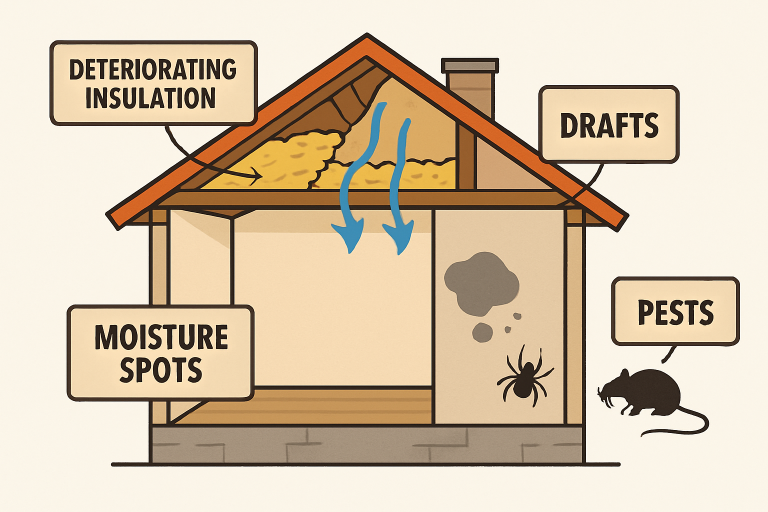
Rising Energy Bills
Rising utility bills are often the first indicator that something is wrong with your home’s insulation. When walls, attics, or crawl spaces lose their insulating capacity, your HVAC system must run longer to maintain a comfortable indoor climate. Poor insulation lets conditioned air escape or allows outdoor air in, undermining energy efficiency. Reviewing your energy consumption trends over time can help reveal insulation-related issues before they cause significant budgetary strain. For more information about typical energy usage patterns, review resources from the U.S. Department of Energy.
Uneven Indoor Temperatures
If you consistently find some rooms in your home warmer or cooler than others, or if your upstairs feels significantly different from your downstairs, your insulation may be uneven or no longer functioning as intended. Insulation works to regulate indoor temperatures by reducing heat transfer. Gaps, thinning, or settling in insulation layers often lead to temperature fluctuations, making it difficult to keep your living spaces uniformly comfortable.
Moisture and Mold
Moisture intrusion is a serious threat to the effectiveness of building insulation. Wet insulation not only loses its ability to control temperatures but also encourages mold and mildew growth. Telltale signs include musty odors, visible mold patches, or water stains in your attic, basement, or around wall cavities. Mold exposure can negatively impact indoor air quality and health, especially for individuals with allergies or respiratory conditions. For more on safe mold remediation and the risks posed by hidden mold, consult the Centers for Disease Control and Prevention (CDC) guide.
Pest Infestations
Pests, such as rodents and insects, frequently invade and nest within insulation, causing physical damage and contamination. Chewed or shredded insulation, unpleasant odors, signs of droppings, or scratching noises within walls all point to pest activity. These compromises reduce insulation effectiveness and introduce hygiene concerns. Quick detection and remediation can prevent further degradation of your home’s insulation and minimize costly damage repair.
Visible Insulation Deterioration
A regular visual inspection of your insulation materials, especially in accessible areas such as attics or crawl spaces, can be revealing. Look for insulation that appears compressed, discolored, sagging, or crumbly. These conditions are clear signs that the insulation’s R-value (its thermal resistance) has likely diminished. Aging insulation typically cannot be recovered once it becomes physically worn, and replacing compromised areas can restore both energy efficiency and comfort.
Drafts and Air Leaks
Drafts near windows, doors, electrical outlets, or baseboards indicate unwanted air movement. Insufficient insulation often allows air leaks, letting conditioned air escape and making your HVAC system work harder. Addressing and sealing these gaps with updated insulation can enhance indoor comfort, reduce your utility bills, and improve the overall efficiency of your heating and cooling systems.
Age of Insulation
Many insulation materials have a lifespan of 15 to 20 years, depending on the type and the quality of installation. If your home hasn’t had an insulation update in decades, chances are your insulation isn’t performing optimally. Even if you do not observe visible signs of wear, an assessment by professionals is advisable to determine whether an upgrade will benefit your home.
Noise Infiltration
Insulation also serves as a barrier against outdoor noise. If you notice more traffic noise, neighbor activity, or general disturbances coming in, deteriorating insulation may be to blame. Replacing old insulation with more effective materials can help restore quiet and provide a more peaceful indoor environment.
By identifying these signs early on, you can take steps to improve your home’s insulation before serious problems occur. Regular inspections and prompt replacements protect your home’s integrity, lower your energy bills, and enhance your family’s and guests’ comfort.