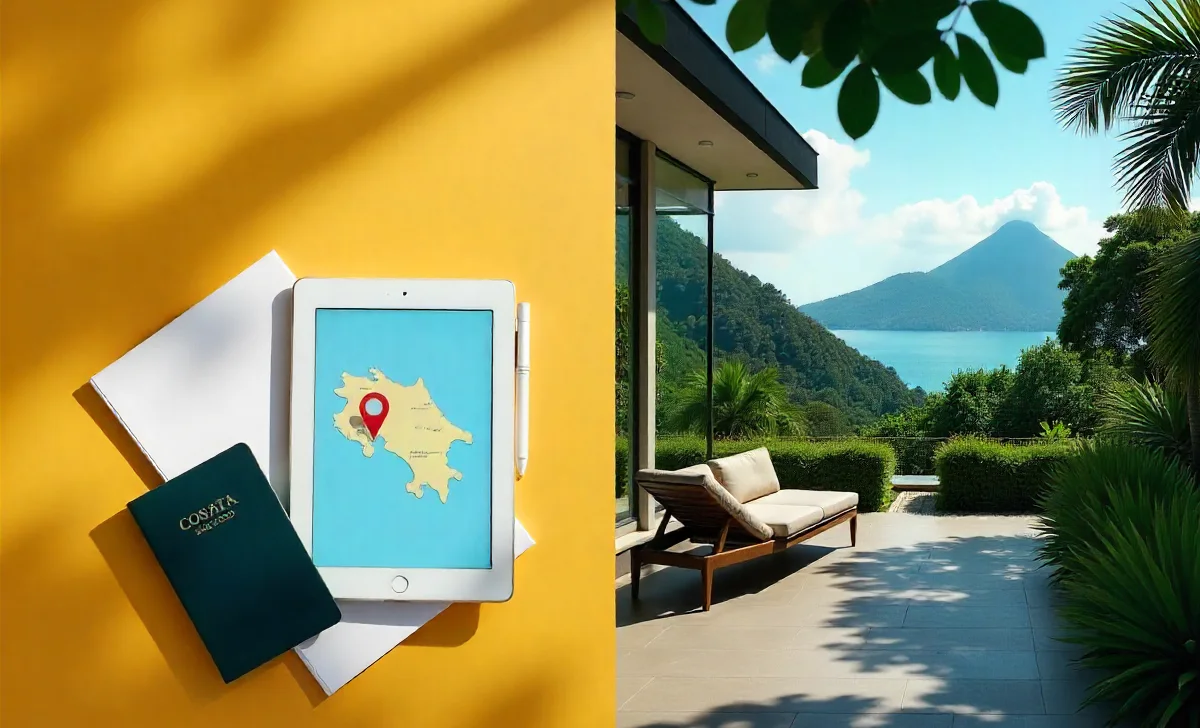
Dreaming of owning a slice of paradise? You’re not alone. Costa Rica, with its “pura vida” lifestyle, stunning biodiversity, and political stability, has become a top destination for expats, retirees, and international investors. But the burning question for many is: Can a foreigner really buy property in Costa Rica as a foreigner?
The short, and incredibly encouraging, answer is yes. Costa Rica, as a foreigner, not only allows but also welcomes foreign property ownership. There are no restrictions based on citizenship, and foreigners enjoy the same ownership rights as locals—a policy that makes this Central American gem exceptionally open for investment.
However, navigating a foreign real estate market comes with its own set of questions and considerations. Is it safe? What are the hidden steps? Do I need to live there? This guide cuts through the uncertainty, offering a clear, step-by-step roadmap based on real-world experience and local expertise. Let’s walk through everything you need to know, from legalities to finding your perfect community.
Understanding the Legal Landscape: Your Rights as a Foreign Buyer
First things first: let’s solidify the legal foundation. This is where most prospective buyers find their greatest relief.
- Equal Ownership Rights: There is no separate category for foreign buyers. Whether you’re from the United States, Canada, or Europe, you can own property outright—known as titled property or derecho de propiedad—just like a Costa Rican citizen. This includes beachfront, jungle, and city properties.
- No Residency Required: This is a crucial point. You do not need to be a resident or citizen to buy property in Costa Rica as a foreigner. You can purchase and hold property using just your passport and a tourist visa. Many people buy first, then later decide to apply for residency based on that investment.
- The Residency & Visa Distinction: While buying doesn’t require residency, living in Costa Rica full-time does. If your goal is to relocate, you’ll need to apply for a residency permit (residencia). Common categories include the Pensionado (Retiree) or Rentista (Person of Independent Means) programs. It’s wise to inform your residency attorney about your property purchase, as it can sometimes support your application, but it is not a mandatory prerequisite for the purchase itself.
A Real-World Concern Addressed: Many ask, “Is this too good to be true? Could the government take my property?” Costa Rica has a strict, democratic rule of law and a history of protecting private property rights. The key is ensuring your purchase is clean and legal from the start, which is where your local team becomes indispensable.
The Non-Negotiable First Step: Assembling Your Local Professional Team
Trying to navigate Costa Rican real estate alone is the biggest mistake you can make. The systems, while reliable, are different. Your absolute first investment should be in local expertise.
- A Bilingual Real Estate Lawyer (Abogado): This is your most important hire. In Costa Rica, only a licensed attorney can act as the notary public (notario) for the transaction. They conduct the critical title search (catastro), ensure there are no liens or encumbrances, handle the transfer at the National Registry (Registro Nacional), and guarantee the legal soundness of the deal. Do not use the seller’s lawyer. Hire your own independently.
- A Trusted Real Estate Agent: While not mandatory, a good agent who specializes in working with foreign buyers is invaluable. They understand your needs, can pre-vet properties and sellers, provide crucial local market insight, and help with negotiations. Look for an agent with strong, verifiable references from other international clients.
- A Surveyor (Topógrafo): For any land purchase, a current survey by a licensed surveyor is essential to verify the exact boundaries and avoid future disputes with neighbors.
Common Discussion Point: “Do I really need all these professionals? It adds cost.” Think of these fees not as an expense, but as inexpensive insurance for a life-changing asset. They prevent costly, stressful mistakes related to unclear titles, incorrect boundaries, or misunderstood contracts.
A Practical Step-by-Step Guide to the Buying Process
Once your team is in place, the process unfolds in a logical sequence.
Step 1: Define Your “Why” and Find Your Area. Costa Rica is incredibly diverse. Your lifestyle goals should dictate your location.
- For Vibrant Expat Communities & Amenities: The Central Valley (areas like Escazú, Santa Ana, Grecia) and the capital, San José, offer modern infrastructure, hospitals, international dining, and large social networks.
- For Beach Life and Tourism Investment: The Pacific Coast in Guanacaste (Tamarindo, Playas del Coco) and the Nicoya Peninsula are hugely popular, with strong rental markets. The Central Pacific (Jacó, Manuel Antonio) and the Southern Zone (Dominical, Uvita) offer lush landscapes.
- For Off-the-Grid Serenity: The Caribbean Coast (e.g., Puerto Viejo, Cahuita) and more rural inland areas provide a slower, more integrated pace. Remember, “rural” can mean different levels of infrastructure.
Step 2: Due Diligence is King. This is where you move from looking to seriously evaluating.
- Visit, Then Visit Again: Photos can distort size and condition. The humid climate can cause hidden wear. Plan at least one, preferably two, extended visits at different times of the year (dry vs. rainy season) to get a true feel.
- Verify Everything: Your lawyer will check the title, but personally check water source reliability, internet connectivity (if needed), road access, and any homeowner association (HOA) rules. Ask for measurements (square meters of construction and land) and verify them.
- Understand Total Costs: Beyond the purchase price, budget for: legal/notary fees (∼1.25% of sale price), transfer tax (∼1.5%), property registration, and your agent’s commission (if used, typically paid by seller). Annual property taxes are low (0.25% of the declared value).
Step 3: Negotiation and Closing
- Making an Offer: Your agent can guide you on market value. It is common and expected to negotiate or make a counteroffer (contraoferta). Your lawyer should draft the initial purchase-sale agreement (contrato de promesa de compraventa), which outlines all conditions, deposits, and the closing timeline.
- The Closing (Escritura): Once due diligence is satisfied, you’ll sign the final deed (escritura) before your lawyer/notary. Funds are transferred, and your lawyer files the deed with the National Registry. You are now the official owner.
Essential Considerations: Beyond the Purchase Price
Infrastructure and Lifestyle: Research beyond the property line. Is the road paved and maintained year-round? What’s the proximity to a supermarket, clinic, or airport? In popular expat cities like Alajuela or Puerto Limón, infrastructure is robust. In more secluded areas, self-sufficiency is key.
Banking and Financing: While getting a mortgage from a Costa Rican bank as a non-resident is challenging, it’s not impossible. It often requires a substantial down payment (40-50%). Many international buyers use cash or secure financing from their home country. Opening a local bank account is straightforward once you have residency, but it can be more complex as a non-resident property owner—your lawyer can assist.
The “Pura Vida” Mindset: Things often move at a different pace in Costa Rica. Patience, respect, and building genuine relationships with your neighbors and professionals go a long way. Getting to know locals isn’t just polite; it builds a community that can watch out for your property and enrich your experience immensely.
FAQs
What about health and safety for my visit?
Costa Rica is the safest country in Central America. For health, ensure routine travel vaccinations are up-to-date (Hepatitis A, Typhoid). Consult your doctor about others like Rabies if you’ll be in very remote areas. As of this writing, check the current COVID-19 vaccination and health insurance requirements for entry, as policies can evolve.
Can I rent out my property for income?
Absolutely. The vacation rental market is strong in tourist areas. You’ll need to comply with local tourism registry rules and manage taxes. Hiring a local property management company is highly recommended if you’re absent.
Is this a good investment?
While Costa Rica’s market has shown steady appreciation, the greatest return for many is a lifestyle investment—a home for retirement, a family getaway, or a plan for a future life change. Buy first for the life you want, and view potential financial gain as a welcome bonus.
In Conclusion: Your Dream is Achievable
Buying property in Costa Rica as a foreigner is a transparent, secure, and well-trodden path. The process is designed to protect you, provided you engage the right local experts and conduct thorough due diligence. By focusing on your goals, respecting the local processes, and making informed decisions, you can confidently turn your vision of owning a home in this beautiful, peaceful country into a reality. ¡Pura vida awaits!
Disclaimer: This article is intended for general informational purposes only and does not constitute legal, financial, tax, or real estate advice. Laws, regulations, market conditions, and entry requirements (including health and immigration policies) in Costa Rica are subject to change. Readers are strongly advised to conduct their own independent research and consult with qualified, licensed professionals in Costa Rica—including a real estate attorney, tax advisor, and financial consultant—before making any property investment or relocation decisions. The author and publisher assume no liability for actions taken based on the content of this article.