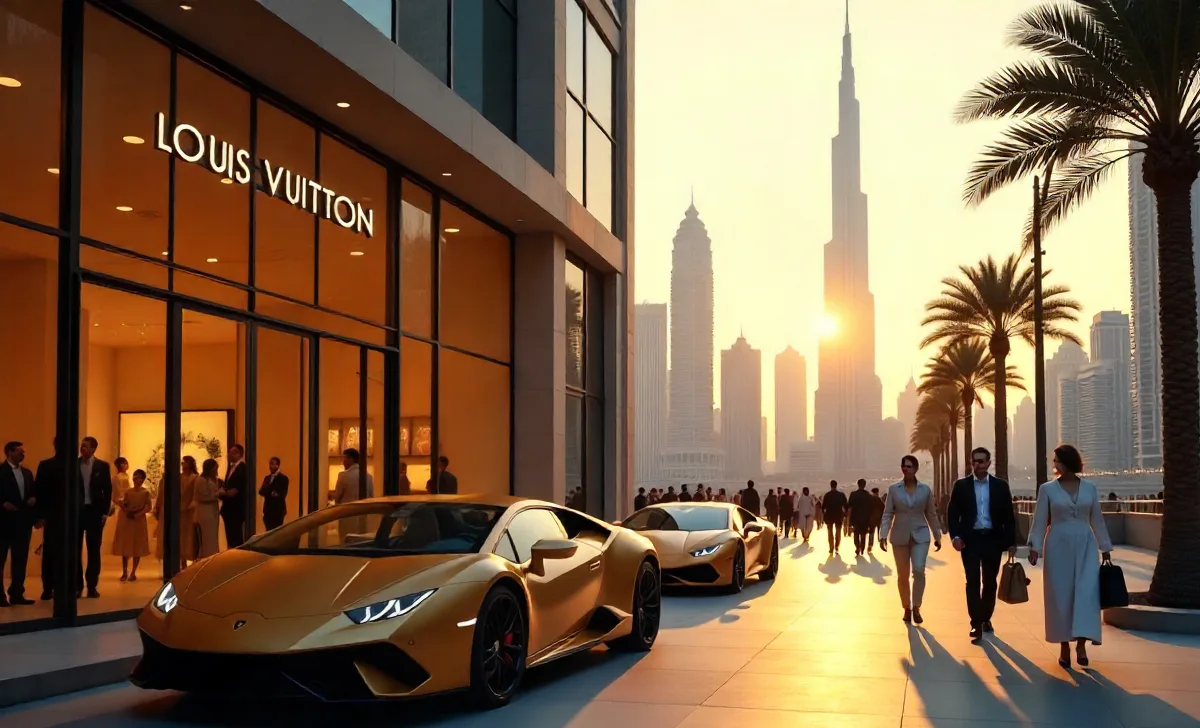
Dubai has transformed from a quiet fishing village into one of the world’s most talked-about destinations for opulent living. But what exactly makes this Middle Eastern city synonymous with luxury? Is the lifestyle really as extravagant as social media suggests, or is there more substance beneath the surface?
Having evolved dramatically over the past few decades, Dubai now stands as a testament to human ambition and architectural marvel. The city takes pride in hosting the Burj Khalifa, the world’s tallest building, alongside record-breaking attractions like the Dubai Fountain and some of the planet’s most prestigious hotels. Let’s explore what actually defines a luxury lifestyle Dubai, living in this remarkable city.
Understanding Dubai’s Appeal to the Affluent
Dubai’s reputation for luxury isn’t accidental. The emirate has strategically positioned itself as a global hub for wealthy expats, tourists, and business professionals seeking a premium quality of life. Several factors contribute to this appeal:
The tax-free salary structure means residents keep more of their earnings, allowing for greater discretionary spending on upscale amenities and experiences. Combined with political stability, world-class infrastructure, and a strategic location connecting East and West, Dubai offers a compelling package for those seeking an affluent living.
Many people wonder if Dubai’s luxury is accessible only to the ultra-wealthy. While the city certainly caters to billionaires, there’s actually a spectrum of premium experiences available at various price points, making aspects of luxury living attainable for upper-middle-class professionals as well.
The Hotel Experience: Where Luxury Begins
Dubai’s hospitality sector sets global standards for opulence. The Burj Al Arab Jumeirah, often called the world’s only seven-star hotel, exemplifies this commitment to excellence. With its distinctive sail-shaped silhouette and gold-accented interiors, it offers butler service for every suite, Hermès bath amenities, and a pillow menu featuring nine different options.
Beyond the Burj Al Arab, the city boasts an impressive collection of five-star accommodations. Atlantis The Royal, which opened recently, features underwater suites with floor-to-ceiling aquarium views. The Armani Hotel Dubai, located within the Burj Khalifa itself, brings Giorgio Armani’s design philosophy to hospitality with minimalist elegance and personalized service.
What makes these hotels genuinely luxurious isn’t just their price tags or famous names. It’s the attention to detail—from the thread count of Egyptian cotton sheets to the training staff receive in anticipating guest needs before they’re voiced. Many hotels offer experiences like private beach access, Michelin-starred dining, and spa treatments using rare ingredients sourced globally.
For visitors planning their first luxury stay in Dubai, expect room rates at premium properties to start around $500 per night and climb well into the thousands for suites and penthouses. However, the experience often includes amenities that would cost extra elsewhere, making the value proposition more reasonable than it initially appears.
Automotive Culture: More Than Just Transportation
Walking through any upscale neighborhood in Dubai, you’ll immediately notice the concentration of luxury vehicles. This isn’t exaggeration—the city genuinely has one of the highest per capita rates of premium cars globally. Ferrari, Lamborghini, Rolls-Royce, and Bentley dealerships do brisk business here.
Several practical factors explain this phenomenon. Petrol prices remain relatively low compared to Western countries, road infrastructure is exceptional with smooth, wide highways, and the climate means vehicles suffer less weather-related wear. Additionally, the absence of vehicle taxation makes owning a high-end car significantly more affordable than in Europe or North America.
Interestingly, even the Dubai Police operates a fleet of luxury vehicles, including Lamborghini Aventadors and Bugatti Veyrons. While primarily used for public relations and tourist areas, these vehicles symbolize how deeply automotive excellence is woven into the city’s identity.
For residents, a luxury car often serves dual purposes: practical transportation and a status symbol reflecting professional success. The car you drive can influence business relationships and social standing, making it more than just a personal choice—it’s a strategic decision.
Shopping: A Paradise for Fashion Enthusiasts
Dubai has earned its reputation as a premier shopping destination, and for good reason. The Dubai Mall alone covers 5.4 million square feet, making it one of the largest shopping centers globally. Inside, you’ll find virtually every prestigious brand imaginable, from Louis Vuitton and Chanel to Gucci and Prada.
What distinguishes shopping in Dubai from other luxury markets? First, the sheer concentration of high-end brands in climate-controlled comfort makes browsing effortless. Second, the city hosts annual shopping festivals offering genuine discounts on designer goods—typically 25% to 75% off—making luxury more accessible during these periods.
The Mall of the Emirates houses Ski Dubai, allowing you to shop for Burberry one moment and ski down real snow slopes the next. This blend of shopping and entertainment reflects Dubai’s philosophy of creating comprehensive experiences rather than single-purpose destinations.
Beyond malls, traditional souks offer different luxury experiences. The Gold Souk features hundreds of shops selling gold jewelry by weight at competitive prices, while the Spice Souk and Perfume Souk offer sensory experiences you won’t find in air-conditioned malls.
A common question from first-time visitors: “Are prices really better in Dubai?” For most luxury brands, retail prices are similar to those in other major cities, but the tax-free environment and festival discounts can create genuine savings, particularly on gold, watches, and electronics.
Entertainment and Recreation: Experiences Money Can Buy
Dubai’s entertainment options extend far beyond shopping and hotels. The city has invested heavily in creating unique experiences that justify its luxury reputation.
Desert safaris offer a surprising contrast to urban opulence. Companies provide premium desert experiences with private camps, gourmet Bedouin-inspired dinners, and activities like falconry and camel riding. These excursions typically cost $200-500 per person but provide authentic cultural immersion alongside comfort.
For water enthusiasts, yacht charters are popular among residents and visitors. Rental options range from smaller vessels for intimate gatherings to mega-yachts with multiple decks, jet skis, and professional crews. A day charter typically starts around $1,000 and can exceed $10,000 for top-tier vessels.
The city also excels at importing experiences. Ski Dubai brings winter sports to the desert. Indoor skydiving at iFly Dubai offers the thrill of free-fall without jumping from a plane. These controlled, comfortable alternatives to extreme activities reflect Dubai’s approach: luxury often means accessing adventurous experiences with maximum safety and convenience.
Fine dining represents another pillar of Dubai’s entertainment scene. The city hosts numerous Michelin-starred restaurants and celebrity chef establishments. Dining at these venues typically costs $150-400 per person, but the culinary artistry and service standards rival any global food capital.
Aviation Excellence: Luxury Takes Flight
Dubai’s airlines, particularly Emirates, have set new standards for air travel luxury. Emirates’ A380 first-class suites feature sliding doors, fully flat beds, shower spas at 40,000 feet, and an onboard lounge with a bar. The airline uses Bvlgari amenities and offers menus developed by Michelin-starred chefs.
This commitment to aviation excellence isn’t purely for show. Dubai’s geographic position makes it an ideal connecting point between Europe, Asia, Africa, and Australia. By making long-haul flights genuinely comfortable, Emirates and Etihad Airways have built competitive advantages that keep passengers choosing Dubai as their connection point.
Even economy class on these carriers often exceeds business class standards on other airlines, with larger seats, better entertainment systems, and superior meal service. This democratization of certain luxury elements makes premium travel more accessible to middle-class travelers.
The Reality Behind the Glamour
It’s important to address a question many people have: Is everything in Dubai actually luxurious, or is there normal life too?
The truth lies somewhere in the middle. While Dubai showcases extraordinary opulence, most residents—even successful professionals—live more balanced lifestyles than Instagram might suggest. The city offers luxury options across price ranges, meaning you can enjoy premium experiences without millionaire-level spending.
Well-off Emiratis certainly enjoy enviable lifestyles with government-subsidized housing, healthcare, and education. However, the expatriate majority, which comprises over 80% of Dubai’s population, experiences varying degrees of luxury depending on their professional level and financial means.
What makes Dubai unique isn’t that everyone lives lavishly—it’s that luxury experiences are more accessible and concentrated than in most other cities. A middle-class professional might own a nice (but not exotic) car, dine at upscale restaurants occasionally, and enjoy the city’s amenities without living a billionaire lifestyle.
Practical Considerations for Aspiring Residents
For those considering relocating to Dubai seeking this luxurious lifestyle, several practical factors deserve attention.
The cost of living is high, particularly for housing in desirable areas like Downtown Dubai, Dubai Marina, or Palm Jumeirah. A quality two-bedroom apartment in these neighborhoods typically rents for $2,500-5,000 monthly. However, this often includes amenities like pools, gyms, and security that might cost extra elsewhere.
Education expenses can be substantial. International schools, which most expatriates use, charge $10,000-30,000 annually per child. Healthcare is excellent but requires comprehensive insurance, typically provided by employers.
The climate presents another consideration. Summer temperatures regularly exceed 110°F (43°C), keeping most activities indoors from June through September. This drives the indoor, air-conditioned lifestyle that characterizes much of Dubai’s luxury culture.
Looking Forward: Dubai’s Evolving Definition of Luxury
Dubai continues evolving its luxury offerings beyond material opulence. Recent developments emphasize sustainability, wellness, and cultural authenticity alongside traditional markers of affluence.
New projects incorporate eco-friendly design, renewable energy, and green spaces, recognizing that modern luxury increasingly means environmental responsibility. Wellness-focused developments offer holistic health services, organic dining options, and stress-reduction amenities, reflecting changing priorities among wealthy residents.
The city is also investing in cultural institutions like the Dubai Opera and various museums, acknowledging that true luxury includes intellectual and artistic enrichment, not just material consumption.
The Verdict: Is Dubai’s Luxury Lifestyle Worth It?
Dubai undeniably offers one of the world’s most concentrated luxury experiences. From the moment you land at the stunning Dubai International Airport to your hotel, dining, shopping, and entertainment choices, the city provides access to premium options at every turn.
Whether this lifestyle is “worth it” depends entirely on personal values and financial circumstances. For those who prioritize convenience, safety, modern infrastructure, and access to global brands and experiences, Dubai delivers exceptionally well. The tax advantages and high salaries in many sectors make the lifestyle more attainable than similar luxury in other global cities.
However, the city’s focus on consumption and material displays isn’t for everyone. Those seeking deeper cultural roots, varied seasons, or community-oriented lifestyles might find Dubai’s approach to luxury superficial.
The statistics speak volumes: surveys consistently show that a significant portion of Dubai residents—around 25% according to one study—purchase luxury items whenever they desire them, not just on special occasions. This casual relationship with high-end consumption defines Dubai’s unique position in the global luxury landscape.
Ultimately, Dubai has successfully created an ecosystem where luxury isn’t just available—it’s the default setting. Whether that represents the future of urban living or a unique moment in time remains to be seen, but for now, the city stands unrivaled in its commitment to opulent living.