
Bed bugs are nocturnal pests that feed on human blood, hide within 8 feet of sleeping areas, and reproduce rapidly—females lay 200-500 eggs in their lifetime. Effective extermination requires thorough inspection, heat treatment or pesticides, mattress encasements, and addressing hiding spots in cracks, furniture seams, and clutter. Professional pest control increases success rates.
Bed bugs are persistent pests that have plagued humans for centuries. Their ability to hide, reproduce quickly, and survive without food for months makes them difficult to eliminate. Understanding how they behave gives you a clear advantage in controlling and removing infestations.
The Biology and Lifecycle of Bed Bugs
Bed bugs (Cimex lectularius) are small, wingless insects that feed exclusively on blood from warm-blooded animals, primarily humans. They’re nocturnal and most active between midnight and 5 a.m. Their lifecycle includes three stages:
1. Eggs
Females lay 200 to 500 eggs during their lifetime, depositing them in batches of 10 to 50. Eggs are tiny (about 1 mm), white, and sticky—females cement them into cracks, crevices, mattress seams, and furniture joints. Eggs hatch in 6 to 10 days under favorable conditions.
2. Nymphs
Newly hatched nymphs are translucent and roughly the size of a pinhead. They must feed on blood before each of their five molts. This process takes 5 to 8 weeks, depending on temperature and food availability. Nymphs become darker and more visible as they mature.
3. Adults
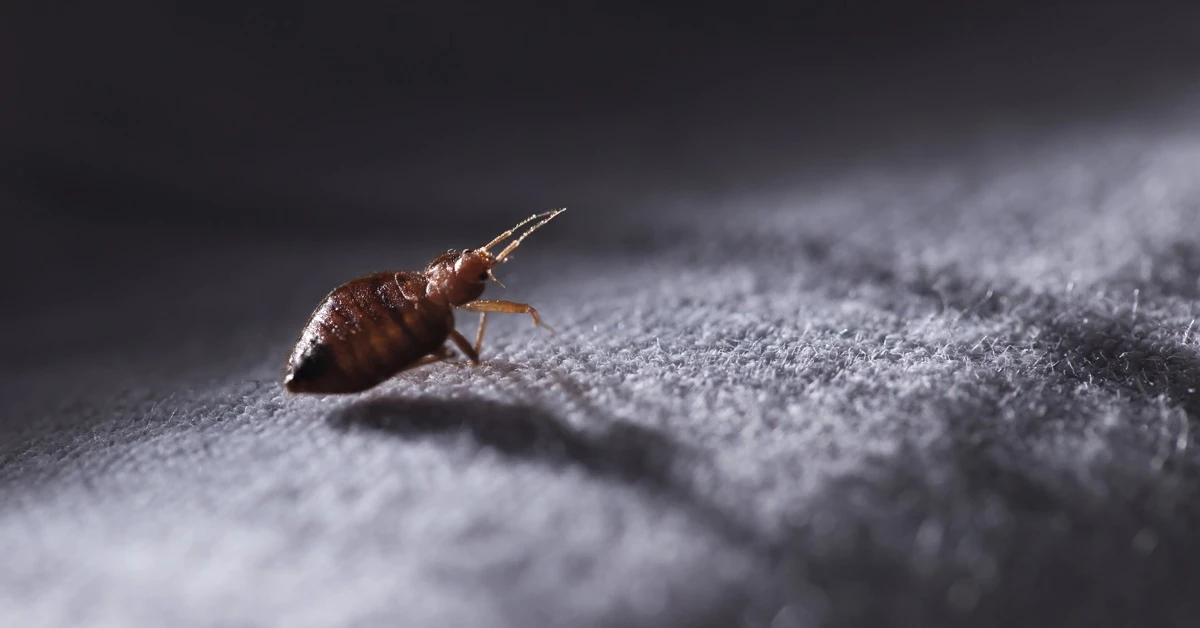
Adults are reddish-brown, flat, oval-shaped, and 5 to 7 mm long (about the size of an apple seed). They can live 4 to 6 months—sometimes up to a year in cool conditions, and survive several months without feeding, which makes starvation an ineffective control method.
Bed bugs thrive in temperatures between 70°F and 80°F. Cold slows their development, while heat above 113°F kills them within minutes.
Behavioral Patterns and Habitats
Bed bugs are skilled at hiding. They’re flat enough to squeeze into spaces as thin as a credit card. Most infestations concentrate within 8 feet of where people sleep—mattresses, box springs, bed frames, and headboards are the most common sites.
Other hiding spots include:
- Baseboards and wall voids
- Electrical outlets and switch plates
- Picture frames and wall hangings
- Furniture seams, cushions, and upholstery
- Behind peeling wallpaper
- Inside books, clocks, and clutter
Feeding Habits
Bed bugs locate hosts by detecting carbon dioxide, body heat, and chemical signals from human skin. They pierce skin with needle-like mouthparts and inject saliva containing anticoagulants. A feeding session lasts 3 to 10 minutes. After feeding, they return to hiding spots to digest and mate. Most people don’t feel the bites—reactions appear hours or days later as red, itchy welts.
Bed bugs don’t live on their hosts like lice or ticks. They only emerge to feed, then retreat.
Travel Patterns
Bed bugs spread through passive transport—they don’t fly or jump. They hitchhike on luggage, clothing, backpacks, used furniture, and personal belongings. Infestations commonly start in bedrooms but can spread to couches, recliners, and other resting areas. Hotels, apartments, dorms, and public transportation are frequent transmission points.
Strategies for Effective Extermination
Eliminating bed bugs requires a multi-step approach. Single treatments rarely work—combine inspection, treatment, and prevention.
1. Inspection and Detection
Start with a detailed inspection. Look for live bugs, shed skins, dark fecal spots (digested blood), and eggs in seams, cracks, and crevices. Use a flashlight and a magnifying glass. Check mattress piping, box spring corners, bed frame joints, and nearby furniture. Bed bug interceptor traps placed under bed legs can confirm activity.
2. Heat Treatment
Bed bugs die when exposed to temperatures above 113°F for 90 minutes or more. Professional heat treatments raise room temperatures to 120°F–140°F, penetrating furniture and walls. Wash bedding, clothing, and fabric items in hot water (at least 120°F) and dry on high heat for 30 minutes. For items that can’t be washed, seal them in black plastic bags and leave them in direct sunlight or a hot car for several hours.
3. Chemical Treatments
Pesticides labeled for bed bugs include pyrethroids, desiccants (like diatomaceous earth and silica gel), neonicotinoids, and insect growth regulators. Apply treatments directly to hiding spots—spraying surfaces randomly is ineffective. Bed bugs have developed resistance to some pyrethroids, so rotating product types increases effectiveness. Always follow label instructions.
4. Vacuuming and Steam
Vacuum mattresses, furniture, baseboards, and cracks daily during treatment. Dispose of vacuum bags immediately in sealed plastic bags outside your home. Steam cleaners (reaching at least 130°F) kill bugs and eggs on contact. Focus on seams, folds, and crevices.
Seal mattresses and box springs in bed bug-proof encasements. These trap any remaining bugs inside, preventing them from feeding. Encasements also eliminate hiding spots and make future inspections easier. Keep encasements on for at least 12 months.
5. Professional Pest Control Services
Severe infestations require professional help. Trained technicians have access to commercial-grade treatments and know where bed bugs hide. For residents in Huntsville, Alabama, Pest control Huntsville Alabama provides targeted treatments using integrated methods that address both active bugs and eggs.
Clutter provides hiding spots and makes inspection and treatment harder. Remove unnecessary items from bedrooms—store essentials in sealed plastic containers. Repair cracks in walls, baseboards, and furniture to eliminate harborage sites.
Preventive Measures
After extermination, prevention stops reinfestation:
- Inspect secondhand furniture, clothing, and luggage before bringing them inside
- Use protective covers on mattresses and pillows
- Vacuum regularly and check for signs of bed bugs monthly
- Seal cracks and crevices around baseboards, outlets, and pipes
- When traveling, inspect hotel rooms before unpacking—check mattress seams, headboards, and furniture. Keep luggage on racks away from beds and walls
- Wash and heat-dry travel clothing immediately after returning home
Conclusion
Bed bug extermination succeeds when you understand their behavior. These pests hide in tight spaces, reproduce quickly, and survive long periods without food. Effective control combines thorough inspection, heat or chemical treatments, vacuuming, mattress encasements, and clutter reduction. Professional pest control services increase success rates—especially for large or recurring infestations. Prevention through vigilance and regular inspections keeps your home bed bug-free long-term.