

Core Pillars of Successful Property Management

Property ownership can be a highly rewarding venture, yet truly successful property management is the cornerstone of maximizing its potential. It’s far more than just collecting rent; it’s a strategic approach designed to optimize your investment, minimize stress, and safeguard your assets over the long term.
In today’s ever-evolving real estate market, effective property management demands a comprehensive and proactive mindset. It requires a precise balance of operational efficiency, strong tenant relations, and meticulous financial oversight. For property owners and investors aiming for peak performance and peace of mind, grasping these essential principles is vital. Finding reliable property management services is often the first step toward achieving these goals.
This extensive guide will explore the critical elements that define success in property management as of June 2026. We will delve into key areas, including strategies for maximizing rental income, minimizing vacancy rates, implementing robust tenant screening, proactive maintenance, and navigating complex regulatory compliance. Join us as we uncover the best practices and innovative solutions that drive the most successful properties today.
At the heart of every thriving real estate portfolio lies a robust property management strategy built upon several core pillars: efficient operations, positive tenant relations, vigilant asset protection, and unwavering compliance. These elements are not isolated but interconnected, forming the foundation that supports sustained profitability and growth. Effective property management orchestrates these components seamlessly, ensuring that the property functions optimally, tenants are satisfied, and the investment is secure and appreciating. Without a strong command of these areas, property owners risk diminished returns, increased liabilities, and unnecessary stress.
Comprehensive Tenant Screening and Retention
One of the most critical responsibilities of a successful property management company is to ensure the right tenants occupy a property. This begins with a rigorous and comprehensive tenant screening process. Our approach involves meticulous background checks, evaluating an applicant’s credit history to gauge financial responsibility, and verifying employment to confirm stable income. This thorough vetting significantly reduces the risk of late payments, property damage, and potential evictions. Adhering to strict compliance standards, including those set by the Fair Credit Reporting Act (FCRA), is paramount to conducting ethical and legal screenings. For more detailed information on compliant screening practices, understanding FCRA tenant screening is essential.
Beyond screening, successful property managers prioritize tenant retention. A high retention rate translates directly to reduced vacancy costs and consistent rental income. Companies like Mendes Company demonstrate this commitment, achieving an impressive 99% tenant retention rate through proactive decision-making and owner-level service. Strategies include fostering open communication, responding promptly to maintenance requests, and creating a positive living environment. Furthermore, understanding market trends is key; Marea Property Management reports that over 50% of renters have pets, making pet-friendly policies a significant factor in reducing vacancy and attracting a wider pool of responsible tenants. By focusing on both stringent screening and thoughtful retention, property managers build stable, profitable communities.
Proactive Maintenance and Emergency Response
Maintaining a property’s value and ensuring tenant satisfaction hinges on a well-executed maintenance strategy. Successful property managers champion proactive maintenance, addressing minor issues before they escalate into costly repairs. This not only preserves the asset but also demonstrates responsiveness to tenants, contributing to higher retention. Regular inspections, seasonal checks, and scheduled upkeep are integral to this approach.
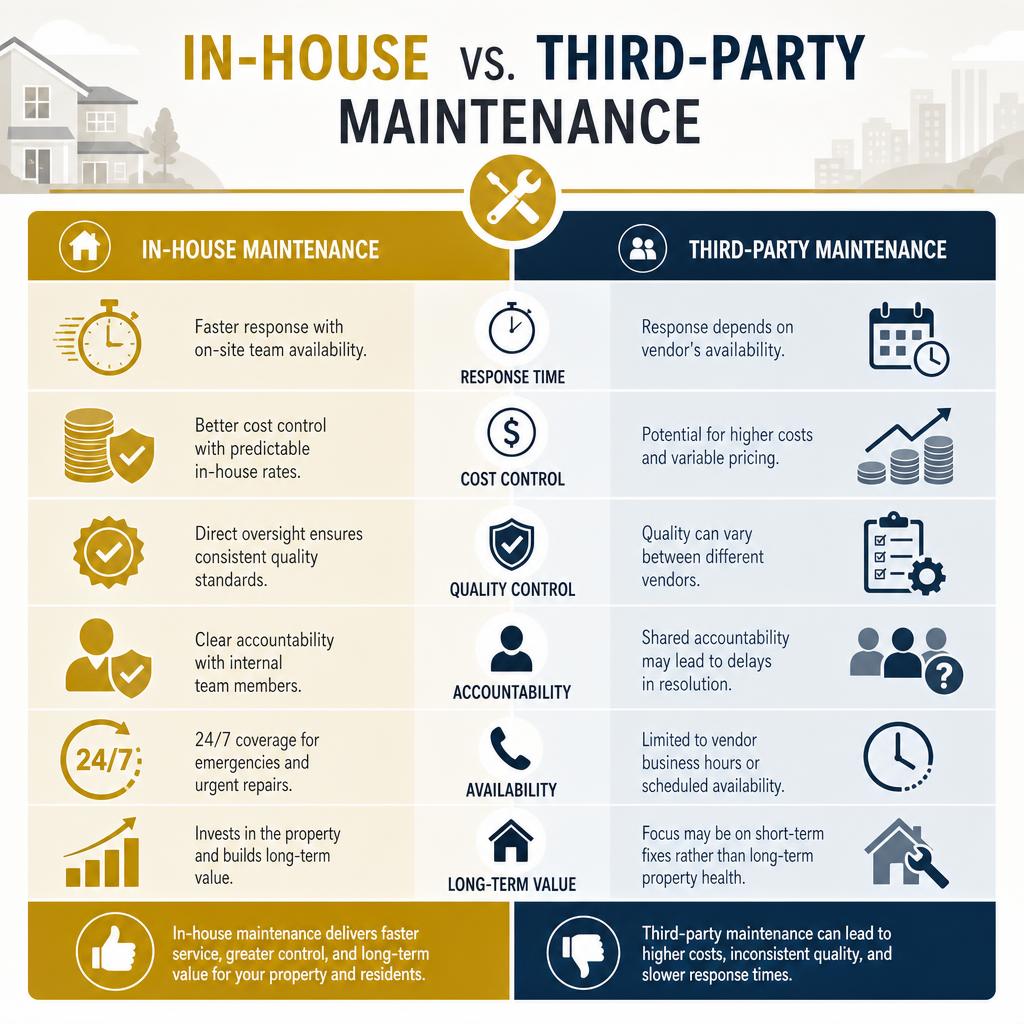
However, emergencies are an inevitable part of property ownership. A robust system for 24/7 emergency response is non-negotiable. Tenants need to know that help is available around the clock, and owners need assurance that their assets are protected. This often involves establishing strong relationships with a network of reliable, vetted vendors. Some property management companies, like Mendes Company and LongStreet Property Management, even utilize in-house maintenance teams. This allows for faster response times, greater quality control, and often, significant cost savings. For instance, LongStreet Property Management’s in-house maintenance team operates at a controlled hourly rate, preventing inflated third-party vendor costs and ensuring efficient resolution of issues. This blend of preventative care and rapid emergency action is crucial for asset protection and tenant peace of mind.

Financial Optimization and Technology Integration
The ultimate goal of property investment is financial return, and successful property management acts as the primary engine for optimizing these returns. This involves a delicate balance of maximizing rental income, aggressively minimizing vacancy rates, and strategically boosting Net Operating Income (NOI), which directly impacts the property’s overall valuation. In today’s competitive landscape, achieving these financial objectives is increasingly intertwined with the smart application of cutting-edge technology and data-driven decision-making.
Maximizing Revenue Through Successful Property Management
Maximizing rental income and minimizing vacancy are twin objectives for any property manager focused on revenue growth. This starts with a sophisticated understanding of the local market. Successful managers conduct regular market rent analysis to ensure properties are priced competitively, attracting quality tenants while securing optimal returns. LongStreet Property Management, for example, achieved a 43.8% increase in NOI, partly by bringing below-market units up to current market rates during renewals.
Minimizing vacancy rates involves a multi-pronged approach. Efficient marketing, utilizing professional photography, 3D virtual tours, and syndication across major listing platforms (as seen with Marea Property Management), ensures properties reach a wide audience quickly. Rapid turnover times are also critical; Marea Property Management boasts an average of just 7 days to make a property rent-ready. Proactive lease renewals, often with market-adjusted increases, further reduce periods of vacancy. Mangold Property Management exemplifies this efficiency, maintaining an average vacancy rate of less than 2% across all properties managed.
Beyond rent, savvy property managers identify additional revenue streams. Utility cost recovery programs, where tenants reimburse for water, sewer, or trash, can significantly boost NOI. LongStreet Property Management successfully implemented such a program, generating an additional $21,674 in 25 months that previously cut into the owner’s profits. Finally, strategic lease management, including staggering lease expirations, mitigates the risk of multiple units turning over simultaneously, ensuring a more consistent cash flow.
Leveraging Modern Technology for Successful Property Management
In the modern era, technology is not just an advantage; it’s a necessity for successful property management. Property management software platforms like AppFolio, Yardi, Buildium, Entrata, and ResMan have become indispensable tools. These systems serve as integrated command centers, streamlining everything from leasing workflows to financial reporting.
Online portals for both tenants and owners have revolutionized communication and accessibility. Tenants can pay rent, submit maintenance requests, and access lease documents 24/7, fostering convenience and satisfaction. Owners benefit from real-time access to financial statements, property performance metrics, and communication logs, ensuring complete transparency. Success Property Management, for instance, highlights its online tenant and owner portals as key components of its service.
Automated rent collection processes reduce administrative burden and improve cash flow consistency. Financial transparency is further enhanced through detailed reporting capabilities, providing owners with clear income and expense statements, tenant activity reports, and comprehensive tax documentation. This technological integration not only improves efficiency but also empowers property managers to make data-driven decisions, optimizing asset performance and building trust with property owners.
Legal Compliance and Risk Management
Navigating the complex labyrinth of local, state, and federal regulations is a defining characteristic of successful property management. Compliance is not merely a legal obligation; it is a critical component of risk management, protecting both the property owner and the management company from costly legal disputes, fines, and reputational damage. This includes strict adherence to fair housing laws, which prohibit discrimination based on protected characteristics, as well as understanding and implementing local ordinances that govern everything from rental caps to specific notice requirements.
Lease agreements must be meticulously drafted and regularly updated to reflect current laws and protect the interests of all parties. Property managers are responsible for ensuring all clauses are legally sound and enforceable. When disputes arise, or tenants fail to meet their obligations, the eviction process must be handled with precision and strict adherence to legal protocols. This requires a deep understanding of landlord-tenant law to avoid procedural errors that could invalidate an eviction or lead to legal repercussions. For landlords in specific regions, understanding local nuances, such as those governing Successful Pawtucket no-cost evictions, can be invaluable. Risk mitigation also extends to ensuring proper insurance coverage, conducting regular property inspections to identify and address hazards, and maintaining thorough documentation of all communications and transactions. A proactive approach to legal compliance is the best defense against potential liabilities.

Frequently Asked Questions About Property Management
Property owners often have many questions when considering professional management. Here, we address some of the most common inquiries, shedding light on industry standards and best practices.
What are the typical fees for professional property management?
Property management fees and service structures can vary, but they generally follow common patterns. The most prevalent fee is a monthly management fee, typically calculated as a percentage of the gross monthly rent collected. Bedwell Property Group, for instance, charges 10% of the rent collected for their monthly management services.
Beyond the recurring monthly fee, other common charges include:
- Tenant Placement (Leasing) Fees: This covers the costs associated with marketing the property, conducting showings, screening applicants, and drafting the lease agreement. It’s often a percentage of one month’s rent (e.g., 50% of one month’s rent, as seen with Bedwell Property Group) or a flat fee.
- Lease Renewal Fees: A smaller fee charged when an existing tenant renews their lease (e.g., $199 at Bedwell Property Group).
- Owner Onboarding/Setup Fees: A one-time fee for setting up a new property in the management system.
- Maintenance Markup: Some companies add a small percentage to the cost of repairs coordinated through their vendors (e.g., 10% maintenance markup).
- Eviction Coordination Fees: Charged for managing the eviction process, often in addition to court and attorney costs.
Successful property management companies, such as Bedwell Property Group, emphasize transparent pricing with no hidden fees, providing a clear breakdown of all potential costs upfront.
How do property managers balance owner interests with tenant satisfaction?
Balancing owner interests with tenant satisfaction is a core art of successful property management, demanding diplomacy and strategic foresight. Property owners primarily seek maximized rental income, minimized expenses, and long-term asset appreciation. Tenants, on the other hand, desire a safe, well-maintained, and comfortable living environment, coupled with responsive service and fair treatment.
A skilled property manager understands that these interests are not mutually exclusive but often interdependent. Satisfied tenants are more likely to renew leases, leading to higher retention rates and reduced vacancy costs, which directly benefits the owner’s bottom line. They are also more likely to care for the property, minimizing wear and tear.
Property managers achieve this balance through:
- Proactive Communication: Keeping both owners and tenants informed, managing expectations, and addressing concerns promptly.
- Responsive Maintenance: Ensuring repairs are handled efficiently and effectively, maintaining property standards.
- Fair Lease Enforcement: Consistently applying lease terms while also being open to reasonable requests.
- Creating Value: Offering amenities or services that enhance the tenant experience without excessive cost to the owner.
- Conflict Resolution: Mediating disputes calmly and professionally to maintain harmony.
A property manager acts as a bridge, ensuring the property remains a desirable place to live while simultaneously safeguarding and enhancing the owner’s investment.
What are the most common challenges in property management and how are they solved?
Property management is rarely without its hurdles. Several common challenges frequently arise, each requiring a strategic solution:
- Late Payments and Rent Collection: This is a persistent issue that can severely impact cash flow.
- Solution: Implement clear, strict rent collection policies from the outset, offer convenient online payment options, and enforce late fees consistently. Automated reminders and proactive communication with tenants before rent is due can also help.
- Maintenance Emergencies and Costly Repairs: Unexpected breakdowns can be expensive and disruptive.
- Solution: Prioritize preventative maintenance to catch issues early. Establish a 24/7 emergency response system with a network of reliable, cost-effective vendors or an in-house team. Require owner approval for non-emergency work above a certain threshold to manage costs.
- Vacancy and Tenant Turnover: Empty units mean lost income, and turnover costs (cleaning, repairs, marketing) can be substantial.
- Solution: Focus on tenant retention through excellent service. Implement aggressive, multi-channel marketing strategies for vacant units, utilize professional photography, and ensure rapid turnover times to minimize downtime. Competitive pricing based on market analysis is also crucial.
- Tenant Disputes and Difficult Tenants: Conflicts between tenants or issues with a tenant’s behavior can be challenging.
- Solution: Clear lease agreements outlining rules and responsibilities are essential. Property managers should act as impartial mediators, addressing issues promptly and fairly. If necessary, follow legal protocols for lease violations or evictions.
- Navigating Regulatory Changes: Landlord-tenant laws are constantly evolving, especially at local and state levels.
- Solution: Successful property managers stay continuously updated on all relevant local, state, and federal housing laws and regulations. They adapt lease agreements and operational procedures accordingly to ensure ongoing compliance and avoid legal pitfalls.
By anticipating these challenges and implementing proactive, well-defined strategies, property managers can mitigate risks and ensure smoother operations for their properties.
Conclusion
The journey to successful property management is a dynamic and multifaceted one, requiring a blend of operational excellence, financial acumen, and a deep understanding of human relations. As we’ve explored, it encompasses everything from meticulous tenant screening and proactive maintenance to sophisticated financial optimization and unwavering legal compliance.
In June 2026, the landscape of property management continues to evolve, with technology playing an increasingly pivotal role in driving efficiency and transparency. The ability to maximize rental income, minimize vacancy rates, and strategically enhance Net Operating Income (NOI) directly translates to significant property value creation, as demonstrated by companies achieving impressive NOI increases and maintaining sub-2% vacancy rates.
Successful property management is about creating a harmonious environment where tenant satisfaction leads to long-term residency, and well-maintained assets consistently generate optimal returns for owners. It’s a strategic partnership that safeguards investments, reduces stress, and unlocks the full potential of real estate assets. For those seeking to elevate their property’s performance, embracing these core strategies and partnering with experienced professionals is the clearest path to enduring success.