
If you’ve ever tried to return an online purchase, you already know the frustration: printing labels, contacting support, waiting on hold, or driving to a shipping store. That’s exactly why self-service returns have become a hot topic in e-commerce.
But here’s the real question: Are self-service returns actually better for customers and businesses? Or do they just shift the work onto shoppers?
Let’s break it down—no fluff, no hype. Just a practical, reader-first look at how self-service return portals work, when they help, when they hurt, and what you should watch out for as a customer or a business owner.
What Exactly Is a Self-Service Return Portal?
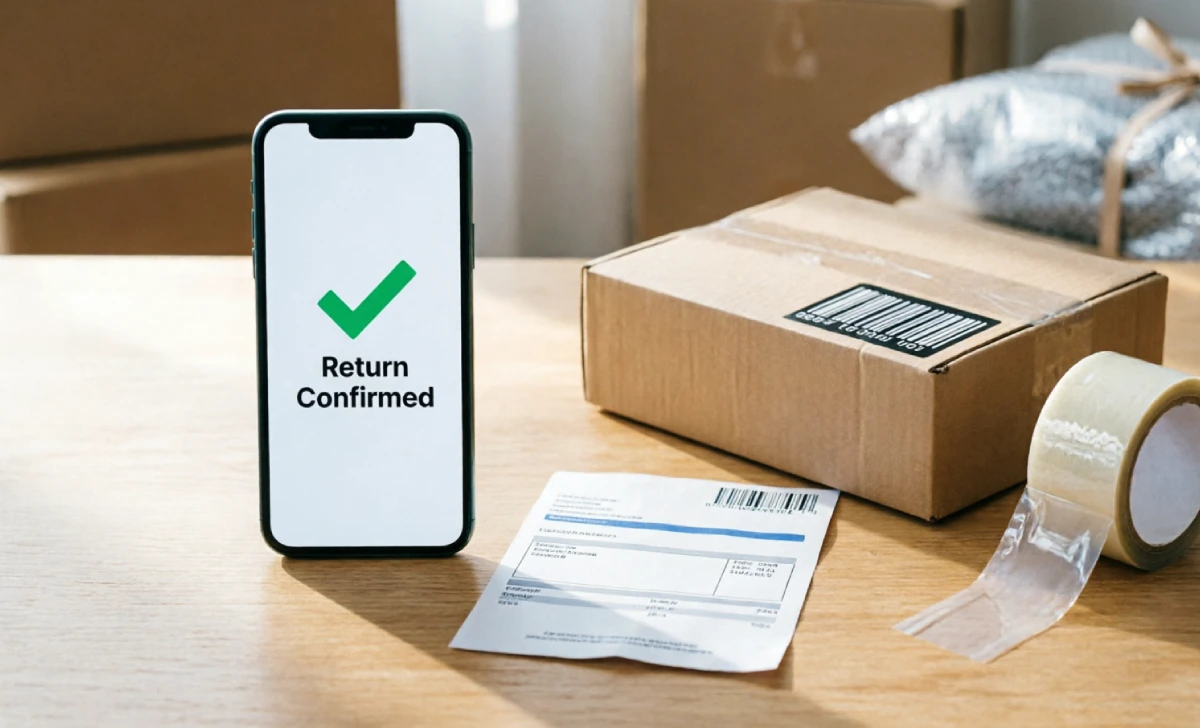
A self-service return portal is an online tool—usually on a retailer’s website—that lets customers handle the entire return process on their own. You log in, select the item you’re returning, choose a reason, and often print a return shipping label instantly. Some portals even let you schedule a pickup or drop off at a nearby location.
No phone calls. No waiting for a customer service representative to email you back. Just a few clicks, and you’re done.
For businesses, these portals are part of reverse logistics—the process of managing returned merchandise efficiently. For shoppers, they promise speed and convenience. But as with most things, the reality has both upsides and downsides.
Why Self-Service Returns Are Growing Fast
E-commerce keeps expanding, and so do return rates. According to a study by ShipStation, 72% of consumers said a store’s return policy directly affected their purchase decision. Even more telling: 95% of customers said they were less likely to shop with a business again after a poor return experience.
That’s massive. A bad return experience doesn’t just lose one sale—it loses future sales.
This is where self-service returns shine. They remove friction. Customers can start a return at 10 PM on a Sunday. They can track the status of their order and get a receipt immediately. No back-and-forth emails. No “we’ll get back to you in 48 hours.”
The Real Benefits of Self-Service Returns (From Someone Who’s Used Them)
Let’s start with what actually works well—from both a customer and business perspective.
1. Convenience on Your Own Schedule
The most obvious benefit: you’re in control. You don’t have to call during business hours. You don’t have to explain your situation to a stranger. You simply log in, follow the steps, and move on. For busy people—parents, full-time workers, anyone with limited time—that’s a game-changer.
2. No More Paying for Return Labels
Many online stores now cover return shipping through their self-service portals. Instead of you footing the bill, the retailer provides a prepaid label. That saves money, especially on heavier items like electronics or home goods.
3. Better Insight for Businesses
Here’s something most customers don’t see: every time someone selects a return reason—”wrong size,” “defective,” “not as described”—the business learns something. Over time, that data helps catch product malfunctions, packing mistakes, or misleading product descriptions. That leads to better products and fewer returns overall.
4. Builds Trust and Loyalty
When returns are easy, customers feel safer buying from you. That matters. A clear, hassle-free return policy encourages repeat purchases. And when customers can share feedback or post reviews right from the return portal, brands gain social proof and valuable voices that advocate for them online.
5. Saves Time and Money for Businesses
Fewer employee hours are spent processing returns. Less waste from mishandled items. Automated workflows instead of manual data entry. For growing e-commerce brands, a self-service return portal can cut operational costs significantly while improving customer retention.
The Downsides Nobody Talks About Enough
Okay, let’s be fair. Self-service returns aren’t perfect. Here are the real problems customers and businesses face.
1. Limited Assistance When Things Go Wrong
If the portal glitches or if your return doesn’t fit neatly into a dropdown menu, you’re stuck. There’s no customer service representative to talk to in real time. Complex issues—like a damaged item that needs a photo review or a missing package—often require human judgment. Self-service can’t handle that well.
2. Technical Challenges and Frustration
Not all return portals are built equally. Some have confusing menus. Some crash. Others make you click through six pages just to print a label. If you’re not tech-savvy or if you’re using a phone with a slow connection, the experience can go from convenient to infuriating very quickly.
3. You Usually Pay for Shipping
While some retailers cover return shipping, many don’t. And if you’re returning bulky or heavy items—furniture, treadmills, large TV mounts—shipping costs can eat up a big chunk of your refund. That’s a real financial hit that in-store returns avoid.
4. Restocking Fees Are Still a Thing
Even with self-service returns, some retailers charge restocking fees. You might return a perfectly fine item and still get 15–20% less than what you paid. The portal won’t always warn you clearly. That’s why you should always check the return terms and conditions before buying.
5. Processing Takes Longer
With in-store returns, you walk out with a refund. With self-service, you print the label, ship the item, wait for delivery, then wait for inspection, then wait for approval. That can take one to two weeks or more. For customers who need their money back quickly, that’s a real downside.
6. Security Concerns
Every return portal asks for personal information: your name, address, order number, and sometimes even credit card details for refunds. If the retailer’s platform isn’t secure, or if you’re using public Wi-Fi, there’s a risk. It’s smart to only use secure, reputable return platforms and avoid clicking return links from unknown emails.
7. Poor Communication When Issues Arise
What happens if the retailer says they never received your return? Or if they refund the wrong amount? With self-service, you often have no direct way to resolve it quickly. Emails go unanswered. Chatbots repeat the same script. That’s a real frustration that many online shoppers have experienced.
What Customers Wish Retailers Knew About Returns
Based on common discussions and real user concerns, here’s what shoppers actually want:
- A return policy that’s easy to find – Not buried in fine print. The Loop survey found that 49% of shoppers check the return policy before buying. Make yours visible.
- No hidden fees – Surprise restocking fees or return shipping costs are the fastest way to lose a customer.
- A simple, working portal – It doesn’t need to be fancy. It just needs to work without errors.
- Real customer support as a backup – Give users a way to talk to a human when the portal fails.
- Fast refunds – Process returns quickly. Waiting weeks damages trust.
How to Set Up a Self-Service Return Portal That Actually Works (For Businesses)
If you’re a business owner considering a self-service return portal, here’s practical advice:
- Clearly state your return policy on your website – Include it on product pages, checkout, and in order confirmation emails.
- Link to your return portal everywhere it matters – Email footers, account dashboards, and FAQ pages.
- Allow customers to print a return shipping label directly – Don’t make them request one and wait.
- Give return reasons that actually help you improve – Offer specific options like “too small,” “damaged,” “wrong item,” “not as pictured.”
- Set realistic expectations – Tell customers upfront about processing time, restocking fees, and who pays for shipping.
- Keep a human support option – Chat, email, or phone for edge cases.
- Test your portal regularly – Navigate it as a customer would. Fix broken steps immediately.
The Bottom Line: Are Self-Service Returns Worth It?
For most online shoppers, yes—when done right. The convenience of handling returns on your own time, without waiting for customer service, is a real benefit. But the downsides matter too: shipping costs, restocking fees, slow processing, and lack of support when things go wrong.
As a customer, always check the return policy before you buy. Look for free returns, clear timelines, and no hidden restocking fees.
As a business, a well-built self-service return portal builds loyalty, cuts costs, and gives you valuable data. But don’t abandon customer support entirely. The best approach combines self-service convenience with human backup for when things get complicated.
Because in the end, a return isn’t just a transaction. It’s a moment of trust. Handle it well, and customers come back. Handle it poorly, and they never will.
Disclaimer: This article is for general informational purposes only and does not constitute professional legal, financial, or business advice. Return policies, shipping costs, restocking fees, and consumer rights vary by retailer, jurisdiction, and product type. Readers should always review the specific return terms and conditions of the merchant before making a purchase or initiating a return. While we strive for accuracy, we do not guarantee that all information reflects the most current policies or regulations.