
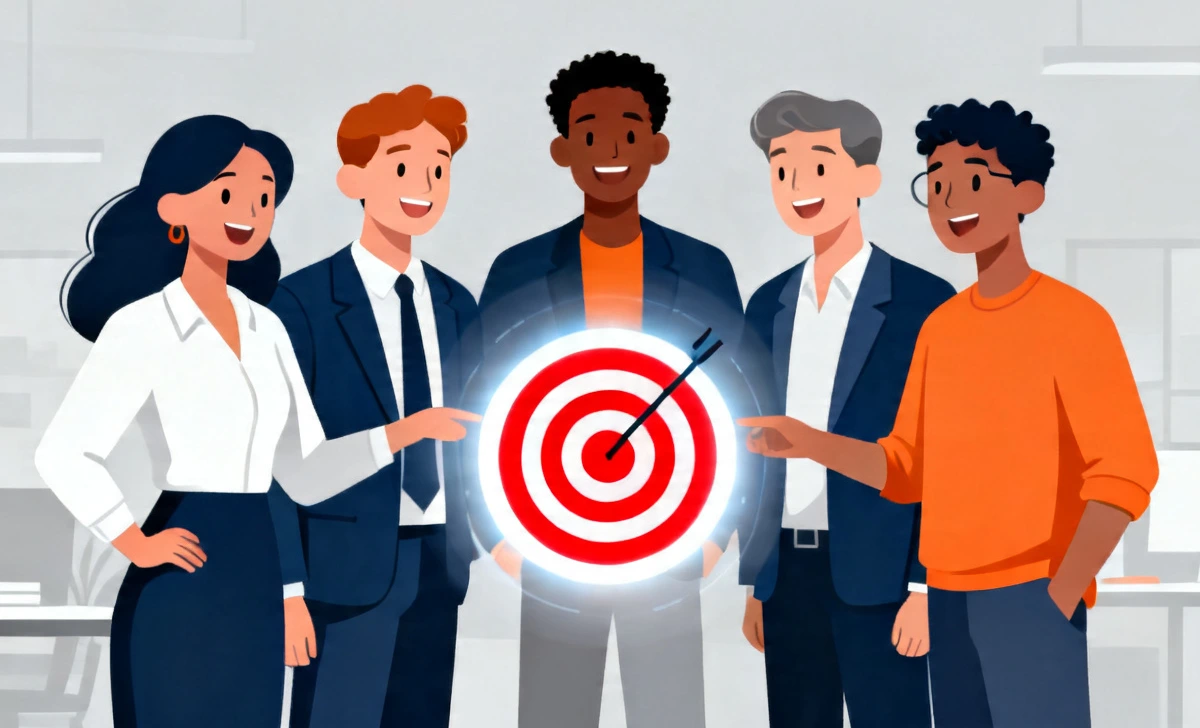
You’ve got a great product, a solid website, and plenty of enthusiasm. But something feels off. You’re putting money into ads, posting on social media, and writing blog posts—but the right people aren’t showing up. If you truly want to reach your target audience without wasting time and money, you need a clear, practical strategy based on how real people behave online and offline.
Sound familiar?
You’re not alone. One of the most common struggles business owners share is exactly this.
The good news? You don’t need a massive budget or a fancy marketing degree.
In this guide, I’ll walk you through exactly what works—from getting inside your customer’s head to using the right SEO strategy, social media platforms, and even traditional advertising methods that still deliver results.
Let’s dive in.
Step 1: Know Your Target Audience Inside Out (Not Just Demographics)
Most businesses make the same mistake. They define their audience by age, location, and income—then wonder why their marketing falls flat.
Here’s the truth: knowing your target audience means understanding their daily struggles.
I’ve worked with dozens of small business owners who swore they knew their customers. But when I asked, “What keeps them up at night?” or “What’s the one thing they’ve tried and failed at three times already?”—they went silent.
That silence is expensive.
Create Buyer Personas That Actually Work
The easiest way to get this right is to create buyer personas. These are semi-fictional representations of your ideal customer, but they must be based on real data and research—not guesses.
Talk to your existing customers. Read reviews (yours and your competitors’). Spend time in online communities where your audience hangs out.
Ask questions like:
- What’s the biggest frustration in your daily work or life?
- What have you already tried to solve this problem?
- What would success look like for you?
When you understand their needs, wants, pain points, and challenges, everything changes. Your marketing messages stop feeling like ads and start sounding like solutions.
Real example: A local bakery thought their audience wanted “cheap pastries.” After interviewing customers, they learned people actually wanted a reliable morning stop with friendly service. They shifted their messaging from “lowest prices” to “your stress-free morning ritual.” Sales increased 40% in three months.
Step 2: Use The Right SEO Strategy (Hint: National SEO Isn’t Always the Answer)
SEO is one of the most effective ways to reach your target audience—but only if you’re optimizing for the right search intent.
Many business owners hear “SEO” and immediately think about ranking for broad, high-volume keywords. That’s often a mistake, especially if you serve a specific region or niche.
When to Use National SEO
If you sell products online nationwide or offer remote services (like consulting or software), then national SEO makes perfect sense. This means optimizing your website and content for national search engines and creating targeted campaigns for different regions of the country.
With national SEO, you help people find you no matter where they are. But it’s competitive. You’re going up against major brands with massive budgets.
When Local SEO Wins
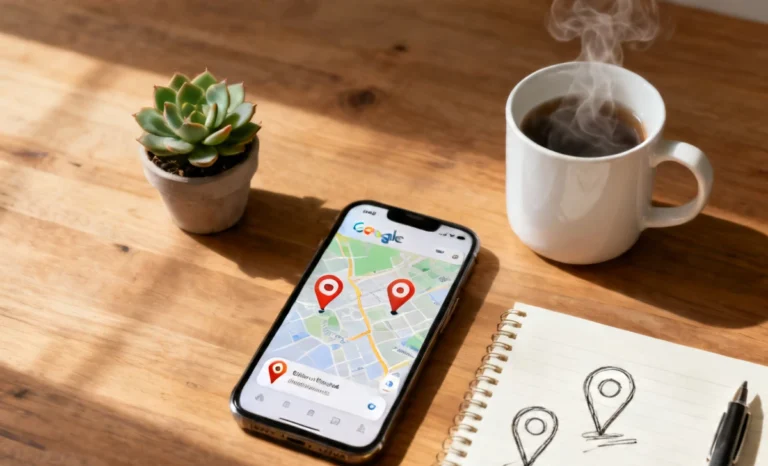
For most small to medium businesses—plumbers, dentists, boutiques, coffee shops—local SEO delivers faster results. Optimizing for “near me” searches, claiming your Google Business Profile, and getting genuine customer reviews will often outperform a broad national push.
Pro tip: Search for your own product or service as if you were a customer. Look at the search results. Are they dominated by national chains or local businesses? That tells you exactly where to focus your SEO efforts.
Step 3: Use Social Media To Connect With Your Target Audience (The Right Way)
Social media is crowded. But it’s still one of the best ways to reach your target audience directly—if you choose the right platform.
A mistake I see constantly: businesses trying to be everywhere at once. They post the same content on Facebook, Instagram, LinkedIn, TikTok, and X, then wonder why engagement is low.
Match the Platform to the Person
- Instagram: Best for visual products, lifestyle brands, and reaching millennial women or Gen Z. Use Stories and Reels to show behind-the-scenes content.
- LinkedIn: Ideal for B2B, business professionals, consultants, and high-ticket services. Share case studies, industry insights, and thoughtful commentary.
- Facebook: Still excellent for local communities, parenting groups, and stay-at-home moms. Focus on Facebook Groups and local events.
- TikTok: Great for personality-driven brands and reaching younger audiences with entertaining, educational short videos.
The key is to experiment and see what works best for your business. Start with one platform. Master it. Then expand.
Don’t Just Broadcast—Connect
Social media isn’t a megaphone. It’s a dinner party.
Reply to comments. Ask questions. Share user-generated content. When someone takes the time to engage with you, acknowledge them. That’s how you build relationships, not just followers.
Step 4: Don’t Ignore Traditional Advertising Methods (They Still Work)
In the rush to go digital, many businesses have abandoned traditional advertising methods entirely. That’s often a missed opportunity.
Yes, TV commercials and radio ads are expensive and harder to track. But print ads, direct mail, and even billboards still reach certain audiences that digital can’t touch.
Where Traditional Shines
- Stay-at-home moms: A mix of social media (Facebook groups, Instagram) + print ads in local parenting magazines or co-op preschool directories.
- Business professionals: LinkedIn ads + targeted TV commercials during local news or financial programs.
- Seniors (65+): Radio ads, direct mail, and local newspaper inserts often outperform Facebook ads for this demographic.
The most effective approach is usually a hybrid. A mix of digital and traditional marketing methods allows you to catch people at different points in their day.
Real example: A home repair service ran Google ads (digital) and also sponsored a weekly segment on a local AM radio station (traditional). They discovered that radio drove fewer leads, but those leads converted at 3x the rate. Without testing both, they would have missed their best channel.
Step 5: Test Everything (Yes, Everything)
Here’s where most businesses quit too early.
They try one ad, one platform, or one message. It doesn’t work immediately. So they assume marketing is broken.
But reaching your target audience effectively requires testing different messages, media, and even offer types.
What to Test
- Messages: Does “Save 20%” outperform “Get peace of mind”?
- Media: Does Instagram drive more engagement than email?
- Offer types: Free consultation vs. discount code vs. downloadable guide?
How to Test Without Going Crazy
You don’t need a massive budget. Start small.
Run two versions of a Facebook ad for $20 each. Send two different email subject lines to 10% of your list. Change one headline on your landing page and watch what happens.
The only way to know what works best is to experiment and see what gets the best results. Over time, you’ll be able to fine-tune your approach and create the most effective strategy.
And yes, some tests will fail. That’s fine. The worst that can happen is that it doesn’t work out. But if you never try, you’ll never know what could have been.
FAQs
How long does it take to reach my target audience effectively?
It depends on your channel. SEO takes 3–6 months. Social media ads can work in days—but require ongoing optimization. Traditional advertising (print, radio) can work immediately but needs repetition. Plan for a 90-day test period before judging any channel.
What if my audience is on multiple platforms?
Start with the one where they’re most engaged, not just where they exist. A business professional might have an Instagram account, but they’re actively looking for solutions on LinkedIn. Go where the intent is strongest.
Do I really need buyer personas? Can’t I just guess?
You can guess. But guessing is why 68% of small businesses struggle to generate leads. Even simple personas based on 5–10 customer interviews will dramatically improve your marketing messages.
Is national SEO worth it for a local business?
Rarely. For most local businesses, ranking for “best coffee shop in [city]” is far more valuable than ranking for “best coffee” nationally. Focus your SEO efforts where your actual customers are searching.
Final Thoughts: Be Patient, Keep Testing, and Listen More Than You Talk
Getting people to pay attention to your marketing is super important—but it’s also tough. You have to work hard to figure out exactly who you want to reach. Then, make ads just for them that grab their interest.
There are good tricks, like using social media sites that your target audience likes most. Also, try fun new things all the time to see what works best. Only some things will hit right. But keep going until you find what sticks.
The more you can learn about who wants your stuff, the better your ads will be. Keep tweaking them to match what those people care about. Over time, you’ll get the hang of making your business easy to find and turning lookers into buyers.
Be patient and keep trying—it’s worth it to boost your sales, build lasting customer relationships, and finally stop wasting money on marketing that doesn’t work.