

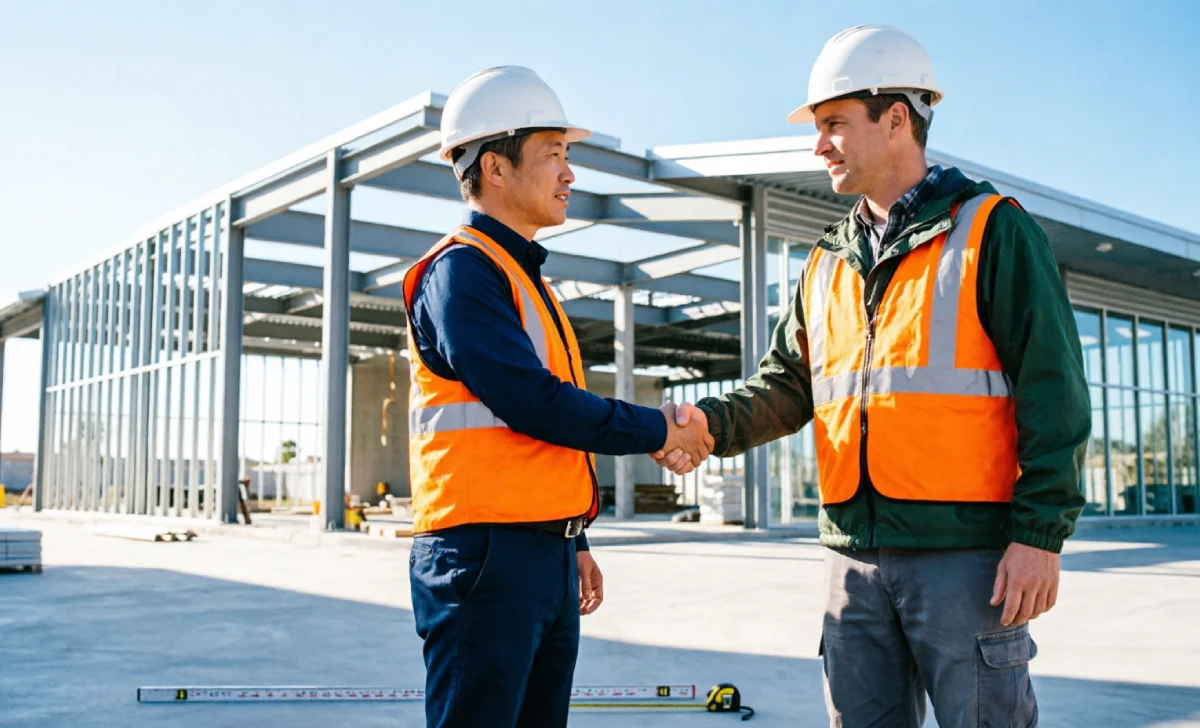
If you’re planning a commercial construction project—whether it’s a new office building, a retail space, a restaurant, or a warehouse—you’ve likely asked yourself: Should I hire a commercial contractor, or can I manage this with a general builder and save some money?
It’s a fair question. And one that comes up often in online forums, business owner groups, and planning meetings.
The truth is, commercial construction is nothing like residential remodeling. The stakes are higher, the regulations are tighter, and the cost of mistakes can run into tens or even hundreds of thousands of dollars. That’s exactly why experienced business owners choose to hire a commercial contractor rather than risk cutting corners.
In this guide, we’ll walk through exactly why deciding to hire commercial contractor is one of the smartest decisions you can make—covering cost, time, legal peace of mind, quality, and real-world concerns business owners frequently share.
What Exactly Does a Professional Commercial Construction Company Do?
Before diving into benefits, let’s clarify the role.
A professional commercial construction company handles the entire lifecycle of a commercial build or renovation. This includes:
- Planning and budgeting
- Obtaining building permits and licenses
- Managing subcontractors (electricians, plumbers, framers, etc.)
- Ensuring compliance with local building codes and laws
- Quality control and risk management
- Project scheduling and onsite coordination
Unlike a solo handyman or a residential-focused contractor, these firms specialize in commercial projects—which means they understand the unique pressures, timelines, and legal requirements of business construction. When you hire a commercial contractor, you gain access to this specialized expertise from day one.
The #1 Concern Business Owners Have: Cost
Let’s be honest. When most business owners think about hiring a professional team, their first worry is money.
“Will this cost more than doing it myself?” “Are they adding unnecessary overhead?” “Can I trust their pricing?”
These are valid questions.
How Professional Builders Actually Save You Money
Here’s what many people don’t realize: An experienced commercial construction company often ends up being more cost-effective than a cheaper, less experienced alternative.
Why?
First, they have long-standing relationships with suppliers and manufacturers. This means they can secure quality materials at lower prices than you or a new contractor could get.
Second, they understand exactly how overhead and desired profit margins impact project prices. They build realistic budgets from day one—no surprises, no hidden fees.
Third, they spot costly issues before they happen. For example, during formal meetings to discuss your requirements, an experienced commercial builder might recommend small design or material changes that save thousands without sacrificing quality.
Real-world example: A small retail owner once tried to save money by hiring a residential contractor for a commercial fit-out. The contractor didn’t understand commercial fire codes. The project failed inspection three times, costing an extra $18,000 in delays and rework. A professional would have avoided this entirely. That’s why you should always hire a commercial contractor for commercial work.
Avoiding the “Cheapest Bid” Trap
Many business owners feel pressured to accept the lowest bid. But in commercial construction, the cheapest option often becomes the most expensive over time. Poor workmanship leads to repairs, legal trouble, and lost revenue while your business space is unusable.
A trustworthy commercial construction company gives you a clear, detailed estimate and stands behind it.
Time-Saving: Why Every Day Really Does Matter
If you’ve ever run a business, you know that time equals money. When a commercial construction project runs late, you’re not just paying extra contractor fees—you’re losing revenue from a delayed opening or disrupted operations.
How Professional Contractors Protect Your Timeline
Professional commercial builders work on multiple projects at a time, but they have systems to manage onsite schedules efficiently. Here’s what that looks like in practice:
- Transparent communication – You’re never left guessing about progress or delays.
- Streamlined schedules – Subcontractors arrive exactly when needed, not randomly.
- Aligned team members – Everyone from the project manager to the electrician knows the daily goals.
They also speed up the permit process. Because they understand local laws and building limits inside and out, they can submit accurate applications quickly—cutting weeks off the waiting time.
Preventing Rework (The Silent Time-Killer)
Rework is one of the biggest causes of construction delays. Something is built wrong, torn out, and rebuilt. A professional commercial construction company prioritizes quality control and risk management to prevent this entirely. They check work as it happens, not at the end.
Common question from business owners: “Can’t I just oversee the project myself to save time?”
Answer: In most cases, no. Running a business is already a full-time job. Adding construction management on top almost always leads to burnout, missed details, and costly mistakes. Let professionals handle the build while you focus on your customers. That’s another strong reason to hire a commercial contractor.
Legal Peace of Mind: Permits, Codes, and Liability
This section alone is why many experienced business owners refuse to work with anyone but a licensed commercial construction company.
The Hidden Danger of Skipping Permits
Some contractors (and owners) try to skip or shortcut the permit process to save time. That’s a dangerous gamble.
If unpermitted work is discovered, you could face:
- Fines and legal penalties
- Forced removal of the work
- Difficulty selling or insuring the property
- Voided warranties
- Liability if someone is injured
Professional Firms Know the Legal Landscape
A reputable commercial construction company ensures every required permit and license is obtained before breaking ground. They understand:
- Local building codes and related laws
- Zoning restrictions
- Environmental regulations
- Accessibility requirements (ADA compliance, etc.)
They also carry proper insurance, which protects you if an accident happens on-site. If you hire an unlicensed or underinsured contractor, you could be held liable for injuries or damage.
Real user concern: “What if the contractor says permits aren’t necessary?”
Red flag. Any reputable professional will never suggest skipping permits. If they do, find another company immediately.
Quality Assurance: Why Reputation Matters
A commercial construction company’s reputation depends entirely on the quality of its completed projects. Unlike a one-off freelancer, these firms live or die by reviews, referrals, and repeat business.
What Quality Assurance Looks Like on Your Project
- Two-way communication – They listen to your needs and also offer expert suggestions.
- Regular progress reviews – Not just a final walkthrough, but ongoing checks.
- Accountability – A single project manager takes responsibility for all decisions and team performance.
- Warranty on work – Many professional firms offer warranties that cover mistakes, giving you peace of mind long after the project ends.
The Long-Term Value of Quality Construction
A well-built commercial space lasts decades with minimal repairs. A poorly built one becomes a constant headache—leaky roofs, cracked foundations, electrical issues, and HVAC failures.
When you hire a professional commercial construction company, you’re not just paying for a building. You’re paying for durability, safety, and reliability.
Peace of Mind: The Overlooked Benefit
Let’s talk about something that doesn’t appear on any invoice: peace of mind.
Construction projects are stressful. There are dozens of moving parts, unexpected weather delays, material shortages, and coordination challenges.
When you work with an experienced commercial builder, you don’t have to carry that stress alone.
- They have experienced employees who have handled hundreds of incidents before.
- They have a wide network of contacts to source materials even during shortages.
- They maintain safety protocols to prevent accidents.
- They handle legal complications swiftly if they arise.
One business owner put it this way in an online review: “Deciding to hire a commercial contractor was the best money I spent. I slept soundly during the entire build because I trusted my contractor. That alone was worth the cost.”
How to Choose the Right Commercial Contractor
Not all firms are equal. Here’s what to look for:
1. Experience and Track Record
Ask for examples of similar projects they’ve completed. A company that has built restaurants may not be the best fit for a medical office.
2. Clear Communication
Do they return calls promptly? Do they explain things in plain English? That’s a sign of how they’ll treat you during the project.
3. Warranty on Work
A confident company offers a warranty. Avoid any that don’t.
4. Transparent Pricing
They should provide a detailed written estimate, not just a ballpark number.
5. Local Knowledge
Laws and building limits vary by city. A local commercial construction company already knows the ropes.
Final Thoughts: Is It Worth It to Hire a Commercial Contractor?
Based on everything we’ve covered—cost-effectiveness, time savings, legal compliance, quality assurance, and peace of mind—the answer is clear.
For any commercial project larger than a minor cosmetic update, you should absolutely hire a commercial contractor. It isn’t just a good idea. It’s essential.
You’ll save money in the long run. You’ll open on time. You’ll avoid legal trouble. And you’ll end up with a safe, durable space that serves your business well for years.
If you’re currently planning a project, take the time to meet with potential contractors. Discuss your requirements in detail. Ask about their experience, warranties, and approach to quality control and risk management.
The right commercial builder isn’t an expense. They’re an investment in your business’s future.
Disclaimer: This article is for informational purposes only and does not constitute legal, financial, or professional construction advice. Laws, building codes, and permit requirements vary by location. Always consult with a licensed commercial construction professional and verify local regulations before starting any project.