If you work in a hospital, preventing pathogen spread protects both patients and staff from serious illness. Pathogens spread primarily through contact with contaminated surfaces, hands, and personal items, making infection control practices essential in healthcare settings.
This guide covers seven practical methods you can implement daily to reduce pathogen transmission in your workplace.
Preventing the Spread of Pathogens in Hospital Settings
Pathogens cause infections that can be particularly dangerous for immunocompromised patients. Most transmission occurs through direct contact with contaminated surfaces, hands, or objects.
The following methods address the most common transmission routes in hospital environments.
1. Wash Your Hands Often
Hand washing is the single most effective way to prevent pathogen spread. You must wash your hands with soap and water:
- Before and after patient contact
- After touching potentially contaminated surfaces
- After restroom use
- When hands are visibly soiled
- After removing gloves
Proper technique matters. Scrub all surfaces of your hands for at least 20 seconds, including between fingers and under nails.
2. Use Hand Sanitizer Between Hand Washes
Alcohol-based hand sanitizers (minimum 60% alcohol) provide additional protection when soap and water aren’t immediately available. Use sanitizer between patient rooms or after touching environmental surfaces.
Hand sanitizer works effectively against many pathogens, particularly viruses. However, it cannot replace hand washing when hands are visibly dirty or after contact with certain pathogens like C. difficile spores, which require physical removal through washing.
3. Clean Your Footwear Daily
Your shoes contact contaminated floors throughout your shift and can track pathogens between patient areas. Clean work shoes daily with disinfectant or antibacterial cleaner.
Consider leaving work shoes at the hospital or removing them before entering your home. Floors in patient care areas harbor significant bacterial contamination that transfers to footwear.
4. Avoid Touching Your Face
Your nose, eyes, and mouth are mucous membranes that provide direct entry points for pathogens into your body. You contaminate your hands regularly by touching surfaces, then transfer those pathogens to your face.
If you must touch your face, wash or sanitize your hands immediately beforehand. This simple habit significantly reduces your infection risk.
5. Minimize Contact with High-Touch Surfaces
Door handles, elevator buttons, computer keyboards, and shared equipment are frequently touched by many people and harbor pathogens. When possible, use your elbow or a barrier to operate doors and buttons.
After touching these surfaces, sanitize your hands before patient contact. Never touch your face after contacting high-touch surfaces without cleaning your hands first.
6. Never Share Personal Items
Sharing towels, water bottles, utensils, or personal care items can transmit pathogens between staff members. These items contact mucous membranes or broken skin and can harbor infectious organisms.
Keep personal items separate and stored in designated areas. If you must share equipment, disinfect it thoroughly between users.
7. Stay Home When Sick
Coming to work while ill puts vulnerable patients at serious risk. Your immune system is compromised when sick, making you both more contagious and more susceptible to additional pathogens.
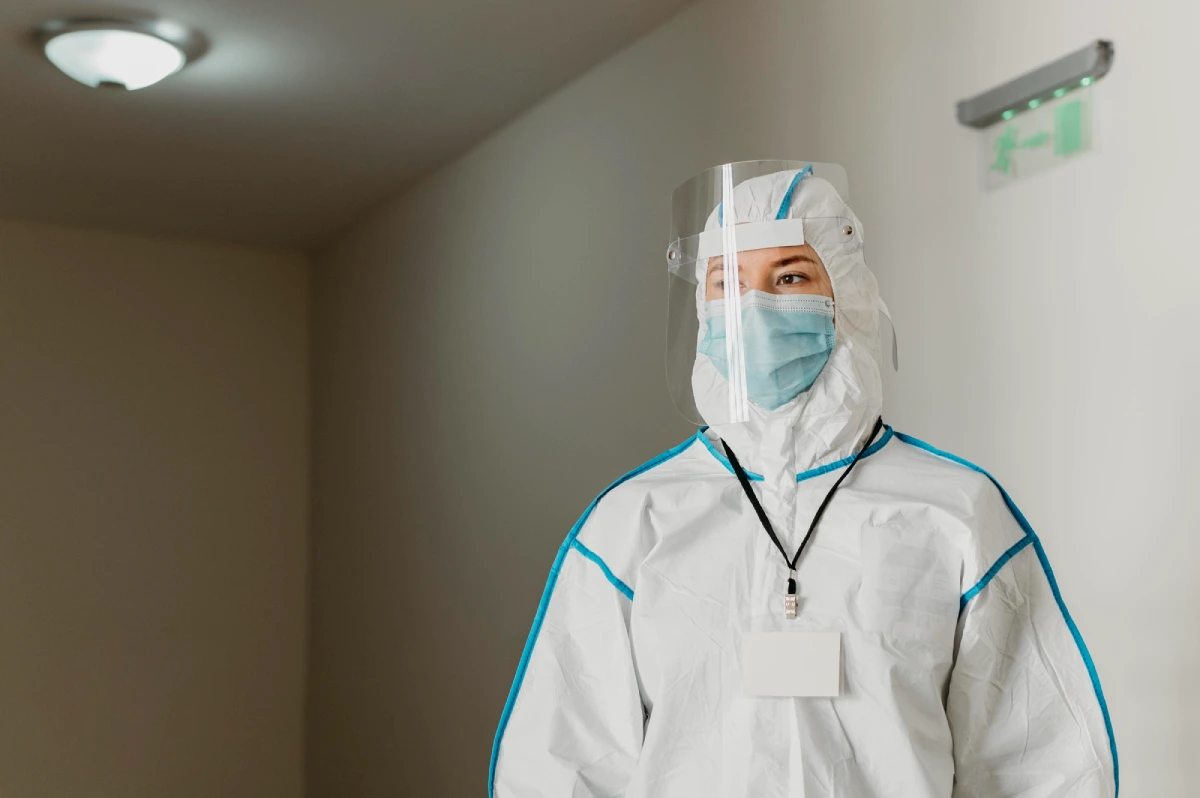
If you develop symptoms, notify your supervisor and stay home until you’ve recovered and are no longer contagious. When you must be present while recovering, wear appropriate masks and maintain strict hand hygiene.
Get Recommended Vaccinations
Vaccinations protect you from specific pathogens and prevent you from becoming a transmission vector to patients. Hospital workers should maintain current vaccinations for influenza, hepatitis B, measles, mumps, rubella, and other diseases based on occupational health recommendations.
Consult your occupational health department about required and recommended vaccines for your role.
These infection control practices work together to create multiple barriers against pathogen transmission. Consistent application of hand hygiene, environmental awareness, and personal health practices protects everyone in your healthcare facility.
Conclusion
Consistent infection control requires daily attention to these practices, not just occasional compliance. Each method addresses a specific transmission route that pathogens use to spread through hospital environments.
Your adherence to these protocols directly impacts patient outcomes and staff safety. Small lapses in hand hygiene or surface contact create opportunities for pathogen transmission to vulnerable patients.
Review your current practices against this checklist. Identify which methods you apply consistently and which need stronger attention in your daily routine.