
Understanding the Main Types of Home Water Systems
When considering upgrading your home’s water quality, understand the fundamental difference between point-of-entry (POE) and point-of-use (POU) systems. Point-of-entry systems, often referred to as whole-house systems, treat all the water entering your home at the main water line. This ensures that every tap, shower, and appliance receives filtered water. Point-of-use systems, conversely, treat water at a specific location, such as a kitchen faucet or showerhead, primarily for drinking, cooking, or bathing. The choice often depends on your specific concerns and budget.

For many homeowners, the journey to better water begins with identifying the right type of system. Local expertise, like that offered by Atlanta’s oldest home water systems, can be invaluable in navigating these choices, providing tailored solutions based on regional water characteristics and household needs.
Here’s a comparison of the most common home water system types:
System Type Installation Point Primary Purpose Contaminant Reduction Focus Typical Flow Rate Maintenance Frequency (Approx.) Whole-House Main Water Line Treat all water in the home Sediment, chlorine, chloramines, heavy metals, VOCs High (5-20 GPM) Annually (filters), 5-10 years (media) Reverse Osmosis Under-sink/Countertop High-purity drinking/cooking water TDS, lead, fluoride, arsenic, PFAS, nitrates, heavy metals Low (0.5-1 GPM) 6-12 months (filters), 2-5 years (membrane) Under-Sink Under-sink Filtered drinking/cooking water Chlorine, sediment, lead, cysts, some chemicals Medium (1-2 GPM) 6-12 months (filters) Countertop On countertop Portable filtered drinking/cooking water Chlorine, sediment, taste, odor Medium (0.5-1 GPM) 3-6 months (filters) Whole-House Filtration and Conditioning
Whole-house filtration systems are comprehensive solutions designed to improve the quality of water throughout your entire home. Installed at the main water line, these systems intercept contaminants before they reach any faucet or appliance. A typical multi-stage whole-house system might include a sediment pre-filter to remove larger particles like rust and dirt, followed by an activated carbon stage to reduce chlorine, chloramines, and volatile organic compounds (VOCs). Some advanced systems incorporate copper-zinc media (KDF) for additional chlorine reduction and to inhibit bacterial growth.
These systems are crucial whether your home relies on municipal water or a private well. For city water users, they effectively tackle disinfectants like chlorine and chloramines, which can cause unpleasant tastes and odors, and also evaporate into shower steam, potentially impacting indoor air quality. For well water users, whole-house systems can be customized to address specific issues such as iron, manganese, sulfur, or even bacteria, often requiring specialized filtration stages or UV purification.
Beyond filtration, many whole-house systems integrate water conditioning, which is vital for homes with hard water. Hard water, rich in calcium and magnesium, can lead to scale buildup in pipes, water heaters, and appliances, reducing their efficiency and lifespan. Whole-house solutions can also include salt-free water conditioners or traditional salt-based softeners to mitigate these issues. Ensuring your entire plumbing system, from the main line to your water heater experts in Atlanta, is protected from hard water and contaminants can save you significant repair costs in the long run.
Reverse Osmosis and Point-of-Use Home Water Systems
Reverse osmosis (RO) systems represent the pinnacle of point-of-use water purification, primarily delivering high-purity drinking and cooking water. The core of an RO system is its semipermeable membrane, which uses water pressure to push water through, effectively filtering out minuscule contaminants. This process can remove up to 99.99% of total dissolved solids (TDS), including lead, fluoride, arsenic, nitrates, PFAS chemicals, and many other impurities that even whole-house filters might miss.
While traditional RO systems often require a storage tank due to their slower filtration rate, advancements in technology have led to tankless RO systems. These compact units offer on-demand purified water with a higher flow rate, eliminating the need for a bulky under-sink tank and reducing water waste. Tankless RO systems are particularly appealing for those with limited space or who prioritize efficiency.
Point-of-use systems, including RO, under-sink, and countertop filters, are ideal for targeting specific contaminants in the water you consume directly. For instance, if your primary concern is lead in drinking water, an NSF-certified under-sink filter or an RO system is highly effective. Many modern RO systems are designed to be Lead-free home water systems, ensuring that the purified water remains untainted by the system itself. These systems provide peace of mind by delivering exceptionally clean water where it matters most – at your drinking faucet.
Choosing the Right System for Your Water Source and Household Needs
Selecting the optimal home water system begins with understanding your water source and the specific challenges it presents. Whether you’re on a municipal supply or a private well, a thorough assessment is crucial. For city water users, reviewing your annual water quality report (Consumer Confidence Report) provides valuable data on common contaminants. However, these reports may not cover all potential issues or localized plumbing concerns. For private well owners, independent water testing is non-negotiable, as well water quality can vary significantly and may contain bacteria, nitrates, heavy metals, or pesticides not found in municipal supplies.

Once you know what’s in your water, you can effectively target contaminants and choose systems with appropriate NSF/ANSI certifications. These certifications verify that a system performs as claimed against specific contaminants. Without this initial testing, you might invest in a system that doesn’t address your actual water quality issues. Our experts can help you interpret test results and recommend the best water filtration system for your unique situation.
Sizing Home Water Systems for Flow Rate and Pressure
The effectiveness of any whole-house water system is heavily dependent on proper sizing, which is determined by your household’s flow rate, water pressure, and overall usage. Flow rate, measured in gallons per minute (GPM), indicates how much water can pass through the system at any given time. A system that’s too small for your home can lead to a noticeable drop in water pressure, especially when multiple fixtures are in use simultaneously. Conversely, an oversized system might be an unnecessary expense.
To determine the right size, consider your household size (number of residents and bathrooms) and peak water usage. Most homes require a system that can handle 5-15 GPM. Water pressure, measured in pounds per square inch (PSI), is also critical. Most systems operate optimally within a specific PSI range (e.g., 20-120 PSI). If your home’s pressure is too low, a booster pump might be necessary. If it’s too high, a pressure regulator can protect your system and plumbing.
Your existing plumbing infrastructure also plays a role. Older homes, for instance, might benefit from a comprehensive assessment of their pipes. If you’re experiencing persistent low pressure or frequent leaks, it might be time to consider home water system repiping to ensure your new filtration system can perform optimally and your entire water delivery system is up to modern standards.
Addressing Specific Contaminants and Water Hardness
Different contaminants require different filtration approaches. For widespread issues like PFAS (per- and polyfluoroalkyl substances), which are increasingly found in water supplies, specialized carbon block filters or reverse osmosis systems are highly effective. Lead, often a concern in older homes with lead service lines or plumbing, is best addressed by certified POU filters or RO systems. Chlorine and chloramines, used as disinfectants in city water, are typically reduced by activated carbon.
Water hardness, caused by high levels of calcium and magnesium, is another common concern. Here, you have two primary options:
- Traditional Salt-Based Softeners: These systems use an ion-exchange process, replacing calcium and magnesium ions with sodium ions. They are highly effective at removing hardness minerals, leading to softer skin and hair, spot-free dishes, and extended appliance lifespan. However, they require salt refills and discharge brine water, which can be a concern for some.
- Salt-Free Water Conditioners: These systems, often called “descalers,” don’t actually remove hardness minerals. Instead, they alter the crystalline structure of calcium and magnesium, preventing them from forming hard scale on surfaces. They are low-maintenance, don’t require salt or electricity, and don’t add sodium to your water. While they prevent scale, they don’t provide the “slippery” feel of softened water.
The choice between these depends on your priorities: complete hardness removal versus scale prevention with lower environmental impact. Consulting with residential plumbing experts can help you weigh these options against your specific water test results and lifestyle.
Installation, Lifespan, and Maintenance Considerations
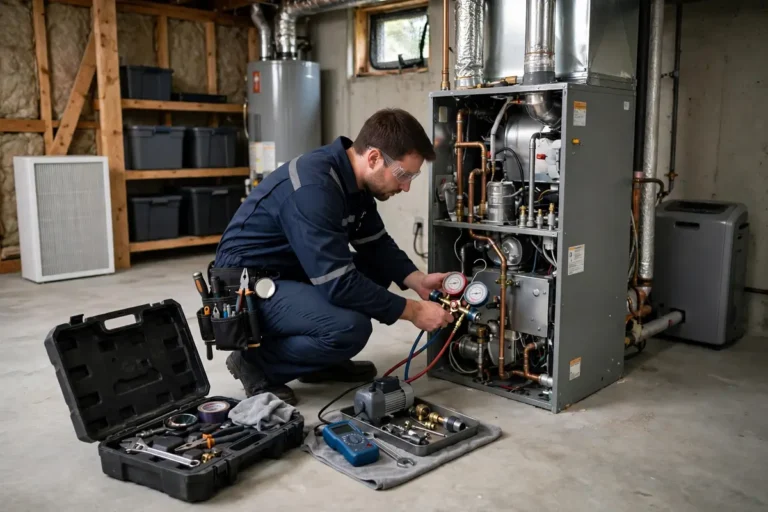
Installing a home water system, particularly a whole-house unit or a complex RO setup, involves several key considerations. Space requirements are paramount; whole-house systems need dedicated space near the main water line, often in a garage, basement, or utility closet. RO systems typically fit under a kitchen sink. You’ll also need to account for plumbing connections, ensuring the system can be integrated seamlessly into your existing lines. Some systems may require electricity for pumps or control panels, and RO systems often need a drain line for wastewater discharge. While some experienced DIYers might attempt installation, professional installation is generally recommended to ensure proper function, prevent leaks, and maintain warranties.
The typical lifespan of home water systems varies significantly. Whole-house filtration tanks, for instance, can last 10 years or even up to 1,000,000 gallons, with the media inside often lasting 5-10 years before needing replacement. RO membranes typically last 2-5 years, while pre- and post-filters need replacement every 6-12 months. High-quality whole-house RO systems, built with commercial-grade components, can last 15-20 years with proper care. Warranties are also an important factor, often ranging from 1 to 10 years on components and tanks. Always check what the warranty covers and its duration.
Ongoing maintenance costs primarily revolve around filter and membrane replacements. These costs can range from tens to hundreds of dollars annually, depending on the system type, water quality, and household usage. Regular preventive plumbing maintenance for your entire home can also ensure your water system operates efficiently and prolongs its life. Ignoring filter replacement can lead to reduced performance, contaminant breakthrough, and potential damage to the system itself. Many modern systems include indicators or smart features to alert you when it’s time for a filter change, simplifying maintenance.
Frequently Asked Questions about Home Water Filtration
Navigating home water systems can raise many questions. Here, we address some of the most common inquiries to help you make informed decisions about your water treatment needs.
What is the difference between water softening and water filtration?
This is a common point of confusion for many homeowners. Water softening specifically targets hard water minerals, primarily calcium and magnesium. Traditional softeners use an ion exchange process where these “hardness” ions are swapped for sodium ions. This reduces mineral buildup (scale) in pipes and appliances, improves soap lathering, and can make skin and hair feel softer. Salt-free conditioners, while not true softeners, also address scale prevention by altering the mineral structure. Water filtration, on the other hand, is a broader term that refers to the removal of various contaminants from water. This can include sediment, chlorine, chloramines, heavy metals (like lead), volatile organic compounds (VOCs), pesticides, bacteria, and more. Different types of filters (e.g., carbon filters, sediment filters, reverse osmosis membranes) are designed to target specific contaminants.
While distinct, these two processes often complement each other. Many homes benefit from both a water softener (or conditioner) to address hard water and a filtration system to remove other impurities, ensuring comprehensive water quality improvement.
How do I verify if a water system is certified to reduce specific contaminants?
Verifying a system’s performance claims is crucial for ensuring it will effectively address your water concerns. The most reliable way to do this is by looking for third-party certifications, particularly those from NSF International (formerly the National Sanitation Foundation) and ANSI (American National Standards Institute).
NSF/ANSI standards are rigorous testing protocols that evaluate water treatment systems for their ability to reduce specific contaminants, structural integrity, and material safety. Key standards to look for include:
- NSF/ANSI 42: Certifies systems for aesthetic contaminant reduction, such as chlorine taste and odor, chloramines, and particulate matter.
- NSF/ANSI 53: Certifies systems for health-related contaminant reduction, including lead, cysts (like Giardia and Cryptosporidium), asbestos, and certain VOCs.
- NSF/ANSI 58: Specifically for reverse osmosis drinking water treatment systems, certifying them for the reduction of TDS, lead, fluoride, arsenic, nitrates, and other contaminants.
- NSF/ANSI 401: Certifies systems for the reduction of emerging contaminants, such as certain pharmaceuticals, pesticides, and herbicides.
- NSF/ANSI P473: Certifies systems for the reduction of PFOA and PFOS chemicals.
Always check the product’s packaging or specifications for the specific NSF/ANSI standard number and the list of contaminants it is certified to reduce. A system certified to NSF/ANSI 53 for lead reduction, for example, has been independently tested and verified to perform as claimed. This level of independent testing provides peace of mind that your investment is genuinely protecting your family.
Are there health benefits to adding a remineralization filter after reverse osmosis?
Reverse osmosis systems are incredibly effective at purifying water, removing up to 99.99% of impurities, including beneficial minerals like calcium and magnesium. While this results in exceptionally clean water, some people find that pure RO water has a “flat” taste due to the absence of minerals. Furthermore, highly demineralized water can be slightly acidic (lower pH).
Adding a remineralization post-filter after an RO system addresses these concerns. These filters typically introduce food-grade calcium carbonate or other mineral compounds back into the purified water. The benefits include:
- Improved Taste: The reintroduction of minerals can give the water a more balanced, palatable taste that many prefer.
- pH Balance: Remineralization raises the pH of the water, making it slightly alkaline. While the health benefits of alkaline water are debated, some individuals prefer it for its perceived wellness advantages. More importantly, it helps prevent the slightly acidic RO water from potentially leaching minerals from plumbing over time.
- Essential Minerals: While RO water is safe to drink, some prefer to consume water that contains naturally occurring minerals like calcium and magnesium, which are important for bodily functions. Remineralization ensures these are present.
The decision to add a remineralization filter is a personal one, driven by taste preference and individual health considerations. It’s an optional but popular upgrade for many RO system users.
Conclusion
Investing in home water systems is a proactive step towards ensuring the health and well-being of your family and the longevity of your plumbing infrastructure. From the comprehensive protection of whole-house filters to the pristine purity of reverse osmosis drinking water, the solutions available today are diverse and effective. Understanding your water source, identifying specific contaminants through testing, and matching these needs with certified systems are the cornerstones of making an informed choice.
Proper installation, regular maintenance, and timely filter replacements are crucial for the long-term performance and efficiency of any water treatment system. For homeowners in the Atlanta area, partnering with experienced professionals for installation, water line repair, and ongoing support ensures that your investment continues to deliver clean, safe water for years to come. By prioritizing water quality, you’re not just upgrading your home; you’re enhancing your entire lifestyle.