
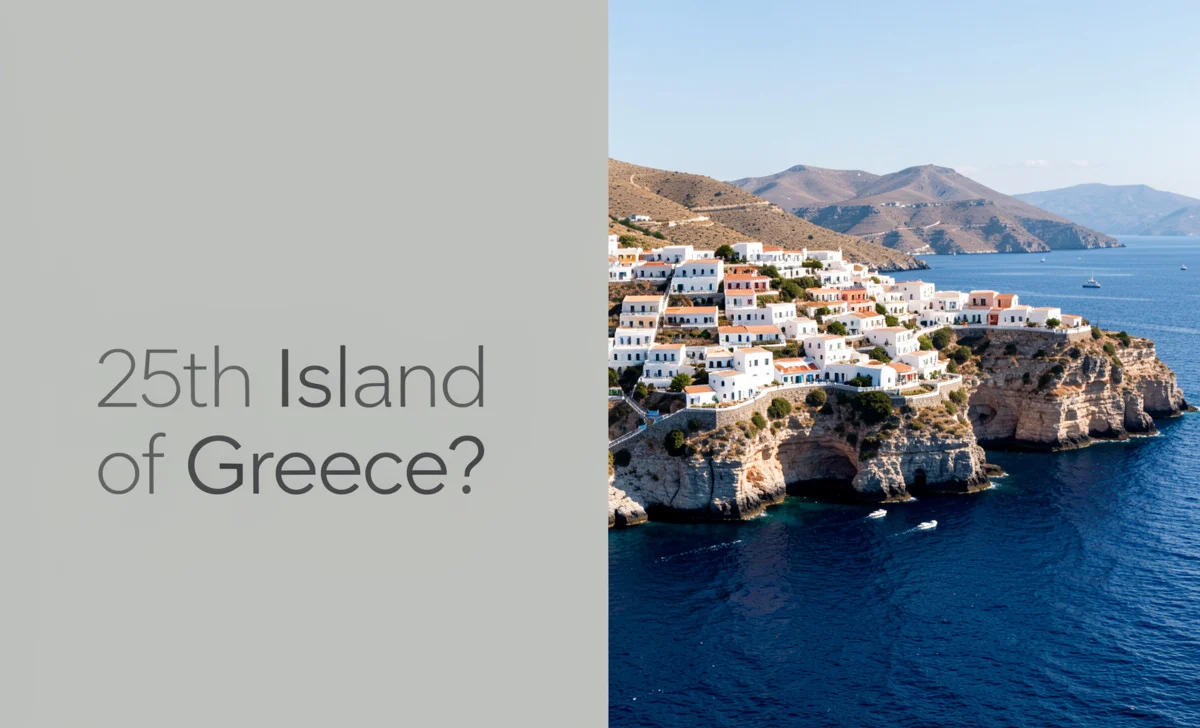
If you’ve recently scrolled through social media, especially Twitter, you might have stumbled upon a baffling, hilarious question: “What is the 25th island of Greece?” For days, this query trended worldwide, leaving many confused, some laughing, and a few genuinely opening Google Maps. The answer, as the digital crowd knows, is Amorgos. But here’s the twist: the “25th Island” title isn’t official—it’s the heart of a brilliant, long-running internet meme that accidentally spotlighted one of Greece’s most stunning hidden gems.
This article isn’t just a meme explainer. We’ll trace the origin of this digital sensation, explore why the internet joke took off, and, most importantly, introduce you to the real Amorgos—a place of raw beauty that deserves your attention beyond the viral trend. Let’s dive in.
What Is the “25th Island of Greece” Meme? Meaning and Origin
At its core, the “25th Island of Greece” is a classic inside joke and a form of social media trend designed to bewilder the uninitiated. The premise plays on a logical trick: Greece has many islands (over 6,000, with 227 inhabited), so people often list or rank them. The meme asks a seemingly straightforward, obscure question: “What is the 25th island of Greece?” Newcomers who search find no official list where Amorgos holds that spot, leading to confusion and amusement for those in the know.
The joke’s meaning is simply to create a shared moment of internet hilarity. It’s a geographic mix-up with no real answer, a playful trap set by eccentric netizens. As one user might tweet, “Just learned about the 25th island of Greece… my mind is blown,” while others revel in the joke.
How Did This Twitter Trend Start?
While the meme’s roots are old, its recent viral surge can be traced to a specific catalyst. On July 15, 2019, a popular account named ‘The Dank Memes’ tweeted: “Amorgos island wants to join the Greek island club as the 25th member, but if it doesn’t, we’ll just make it the 25th Greek island ourselves!”
This tweet reinvigorated the joke, but its explosion in popularity years later is attributed to the power of cumulative sharing. Users like @NinaPaley and “giorgos_k” posted their own versions, and the meme’s absurdity resonated. It became a Twitter trend not because of one event, but because it’s a perfect, low-effort piece of communal humor—everyone can participate by either pretending to be shocked or acting as the prankster.
Why “Amorgos”? The Real Island Behind the Meme
Here’s where the story gets interesting. The meme didn’t pick a random name. It landed on Amorgos, a real, breathtaking island in the Cyclades group in the Aegean Sea. This wasn’t a random choice; the island’s relatively obscure status compared to heavyweights like Santorini or Mykonos made it the perfect, believable candidate for a “secret” 25th spot.
So, let’s move beyond the joke and meet the true star.
Amorgos: Greece’s Off-the-Beaten-Path Paradise
Forget the crowded postcard spots. Amorgos is for the traveler seeking authenticity, dramatic landscapes, and serene tranquility. Its nickname as the “25th island” is, poetically, fitting for its unique character.
Location & Vibe: Located in the eastern Cyclades, Amorgos feels remote and untouched. Its isolated location contributes to a tranquil atmosphere. The main village, Chora (or Hora), is a masterpiece of whitewashed houses clinging to a hillside below a medieval castle. With a population of only around 600, it’s the epitome of a hidden gem.
Natural Beauty: The island’s rugged coastline is slashed by breathtaking cliffs. The legendary Agia Anna beach, nestled below the spectacular Hozoviotissa Monastery (an 11th-century cliffside marvel), is a scene of dramatic beauty. The crystal-clear waters are ideal for swimming and snorkeling.
Why It Fits the “25th” Moniker:
- Distinct Character: Its unspoiled and pristine environment sets it apart from more commercialized islands.
- Peaceful Escape: It’s a destination where you can escape the crowds and enjoy a slower pace of life.
- Authentic Experience: This is a genuine Greek island experience, favored by travelers seeking an authentic and unspoiled getaway.
Answering Your Real Questions About Amorgos and Greece
Beyond the meme, people have genuine curiosities. Let’s address them.
“What are the actual best Greek islands?”
While “best” is subjective, popular lists often include Santorini, Mykonos, Crete, Rhodes, Corfu, and Naxos. However, the beauty of Greece lies in its diversity. Amorgos is consistently ranked for those seeking rugged beauty and peace, often appearing on lists of the top Cyclades islands.
“Is Amorgos good for tourists? What is there to do?”
Absolutely. Here are the best things to do in Amorgos:
- Visit the Hozoviotissa Monastery: Carved into a cliff face, this is an architectural and spiritual wonder.
- Explore Chora: Get lost in its labyrinthine streets, full of cafes, small shops, and stunning views.
- Relax on Secluded Beaches: Agia Anna, Mouros Beach, and Kalotaritissa offer stunning, often quiet, spots.
- Hike the Trails: The island has excellent walking paths connecting villages, ancient sites, and scenic overlooks.
- Enjoy Local Cuisine: Taste fresh fish, local cheese (“xynotyro”), and the island’s honey.
“Is it really the cheapest Greek island to visit?”
It is frequently cited as one of the most affordable Greek islands, especially within the Cyclades. Accommodation and food deals are easier to find than in Mykonos or Santorini, making it a fantastic choice for budget-conscious travelers. You get incredible value—stunning scenery without the steep price tag.
“Wait, does ‘Amorgos’ sound like ‘Among Us’?”
Yes! A significant part of the meme’s recent virality came from this hilarious phonetic coincidence. Fans of the popular online game “Among Us” (by the American studio Innersloth) jumped on the similarity, creating a crossover of internet cultures that fueled the hashtag #25thIslandofGreece. It’s a perfect example of how internet trends snowball.
“Where was Mamma Mia! filmed? Is it here?”
A common question! The iconic movie was filmed primarily on the island of Skopelos and the peninsula of Pelion. Amorgos has a very different, more rugged aesthetic. You won’t find the same singing-and-dancing vibe here, but you will find a deeper, more ancient sense of Greek island life.
The Bigger Picture: Why Memes Like This Matter
This phenomenon sheds light on how modern digital culture works. A social media flub or joke can accidentally guide viewers to gems hidden in plain sight. What started as a playful trick has introduced millions to a destination they might never have discovered. It proves that virality can have a positive side effect: promoting lesser-known cultural and natural treasures.
For content creators and marketers, it’s a lesson in organic engagement. The meme succeeded because it was participatory, simple, and fun—not manufactured.
Planning a Visit to Amorgos: Practical Tips
Convinced by the meme, intrigued by the facts? Here’s a quick, experience-based guide:
- Getting There: Ferry access is from Piraeus (Athens), Naxos, or other Cycladic islands. The journey is part of the adventure.
- When to Go: Late spring (May-June) and early autumn (September-October) offer hot summers and mild winters without peak crowds.
- Stay: Choose traditional guesthouses in Chora or Aegiali for an authentic feel.
- Travel Mindset: Come to unwind, hike, swim, and connect with nature. This isn’t a party island; it’s a place for digital detox and real-world awe.
Conclusion: More Than Just a Joke
The “25th Island of Greece” meme was a laugh-out-loud Twitter trend that served a surprising purpose. It reminded us of the joy of shared internet humor while accidentally promoting Amorgos—a truly spectacular, off-the-beaten-path island getaway.
So, the next time you see the meme, you’ll be in on the joke. And more importantly, you might just find yourself bookmarking the Aegean Sea’s best-kept secret for your next vacation. After all, everyone could use a good laugh and a potential digital vacation plan. Amorgos awaits, whether you call it the 25th island or simply call it paradise.