
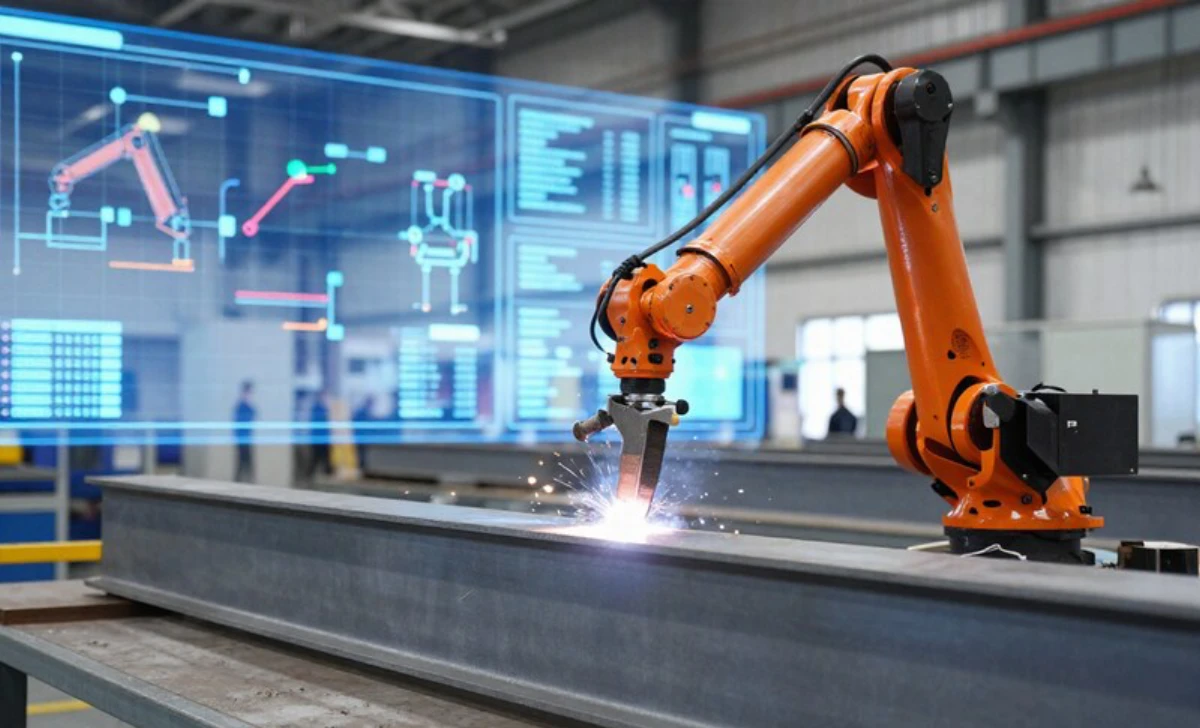
Steel fabrication remains the essential force behind sophisticated architecture and major industrial projects worldwide. As technology rapidly evolves, modern steel fabrication techniques are transforming design possibilities, making structures more innovative and sustainable. Today’s advancements integrate established methods with cutting-edge automation, digital modeling, and new materials, driving creativity and structural longevity across various sectors.
The fusion of skilled human expertise with advanced machinery elevates steel from a mere utility to a cornerstone for engineering more resilient buildings, bridges, and infrastructure. This shift reflects a dynamic reinvention of the industry—one that equally values high performance and environmental responsibility.
Steel fabrication’s future relies on technology and collaboration with trusted steel fabrication experts, whose experience can help clients navigate evolving trends and implement tailored, sustainable solutions that endure for years to come.
AI and Robotics in Steel Fabrication
Artificial intelligence (AI) and robotic automation are transforming core steel production and fabrication tasks. In steel mills, AI-driven software and machine learning algorithms optimize furnace operations and predict equipment failures, which minimizes costly downtime.
Robots are increasingly deployed to handle dangerous tasks such as transporting molten metal and precision cutting, significantly improving worker safety. These systems reduce human error and enhance product quality through consistent, accurate operations. However, adopting this technology involves overcoming high initial costs and requires workforce retraining for new skilled roles in programming and system maintenance.
3D Printing: A New Frontier
Metal 3D printing, known as additive manufacturing, builds intricate components layer by layer from metal powders. Key industrial processes include Selective Laser Melting (SLM) and Direct Metal Laser Sintering (DMLS), which are excellent for creating complex, lightweight geometries that are difficult to achieve with traditional methods.
This technology is particularly valuable for rapid prototyping and producing custom, high-performance parts in sectors like aerospace and medical devices. While it minimizes material waste, it is not a catch-all solution. The process has limitations, including high material costs, restricted build sizes, and the necessity of support structures, making it best suited for specialized applications rather than mass production.
Sustainable Practices in Steel Fabrication
Sustainability is now a core operational requirement in metal fabrication, driven by environmental responsibility and economic efficiency. Modern practices focus on several key areas:
- Material and Energy Efficiency: Using recycled steel dramatically lowers energy consumption compared to virgin ore. Advanced cutting techniques like laser and waterjet cutting improve precision and reduce scrap.
- Process Innovation: Additive manufacturing (3D printing) builds parts with minimal waste. Integrating lean manufacturing principles helps streamline workflows and eliminate unnecessary resource use.
- Emission and Resource Management: Facilities are adopting renewable energy and implementing closed-loop water systems to conserve resources. Using non-toxic finishes, such as powder coating, reduces harmful air emissions.
Digital Modeling and Simulation
Building Information Modeling (BIM) has fundamentally changed how steel structures are planned and built. It creates a detailed, collaborative 3D digital model that serves as a single source of truth for architects, engineers, and fabricators.
For steel fabricators, BIM enhances accuracy through advanced clash detection before fabrication begins, preventing costly on-site errors. It also improves project management by integrating scheduling (4D) and cost estimation (5D), and supports sustainability goals (6D) by optimizing material use and reducing waste.
Prefabrication and Modular Construction
Prefabrication involves assembling steel components in a controlled factory environment before shipping them to the construction site. This approach offers greater quality control, reduces on-site waste, and can significantly accelerate project timelines.
Modular construction takes this further by creating entire rooms or building segments off-site. The benefits are compelling: faster construction, reduced labor costs on-site, less weather-related disruption, and improved safety. As planning cycles tighten, the ability of fabricators to deliver high-quality prefabricated elements quickly is becoming a major competitive advantage.
High-Strength Steel Alloys
New generations of high-strength steel alloys allow for bolder, more efficient designs. These advanced materials provide superior strength and load-bearing capacity while reducing the overall weight of structures.
This weight reduction has a ripple effect: it allows for taller buildings with lighter foundations, lowers transportation and handling costs, and contributes to sustainability by using less material without sacrificing safety or longevity. The development and use of these alloys are central to pushing the boundaries of modern architectural and engineering projects.
Smart Factories and IoT Integration
The rise of the Industrial Internet of Things (IIoT) is turning fabrication shops into interconnected smart factories. Sensors on machines collect real-time data on performance, enabling predictive maintenance to avoid unexpected breakdowns.
This network of connected devices allows for real-time monitoring of production, leading to better resource allocation, optimized energy use, and more agile responses to supply chain issues. The goal is an ecosystem where machines, software, and data analytics work together to maximize efficiency, though achieving this requires significant investment in new technology and systems integration.
Conclusion
The steel fabrication industry is being reshaped by the integration of advanced technologies, rigorous sustainable practices, and innovative materials. While artificial intelligence, 3D printing, digital modeling, and smart factories are redefining possibilities, their adoption involves navigating costs and workforce transitions. The enduring trend is a holistic focus on efficiency, customization, and environmental stewardship. As demand for intelligent and sustainable structures grows, collaboration with skilled professionals who understand these evolving tools will be crucial for building the future.