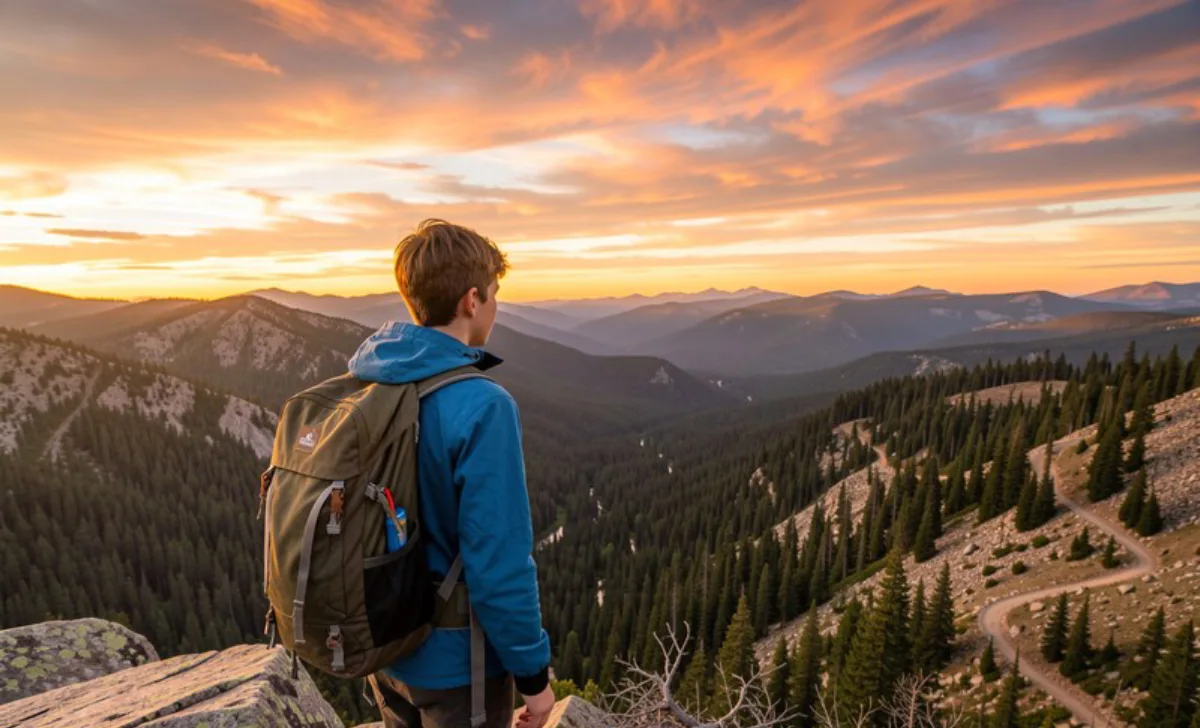
Backpacking across America is a transformative adventure. From mountain peaks to desert vistas, the diversity of landscapes and experiences sets the stage for an unforgettable journey.
Yet despite Hollywood depictions of carefree travelers, the reality of long-term backpacking often differs. Financial limitations, harsh weather, isolation, and physical exhaustion can take their toll. But for those willing to embrace the unpredictability, backpacking in the US offers unmatched opportunities for self-growth, connection with nature, and glimpses into varied ways of life.
This beginner’s guide covers everything you need to plan your own adventure. From choosing optimal routes to real budget breakdowns, unique destination ideas, and practical travel tips, it offers an honest look at the joys and challenges of traversing the nation by land.

This guide targets young adults seeking alternative ways to explore American landscapes and cultures through long-term travel. With useful advice for first-timers and veterans alike, it prepares all those driven by a spirit of adventure.
Dispelling Common Myths
Successfully backpacking across the US requires less upfront capital than you might think. Through wise budgeting, flexibility, and resourcefulness, the path remains open to travelers from many backgrounds. By taking basic safety precautions, the journey can be just as secure as traditional vacations.
What This Guide Covers
From planning optimal routes to real experiences on the ground, this guide guides critical logistics, budget strategies, enriching experiences, and the personal rewards that make backpacking the US worthwhile.
Planning Your Journey
Defining Your Backpacking Style
Backpacking journeys across America come in all shapes and sizes, so first narrow your vision. Do you envision summiting peaks with minimal gear or exploring backroads from a camper van? Outlining priorities helps determine the best adventure style.
Backpacking Styles:
- Ultralight: Minimal gear for maximum miles. Best for long trails like the Appalachian or Pacific Crest.
- Camping/Car: Road trip focused with ample gear. Allows more destinations and flexibility.
- Thru-hiking: Trekking lengthy trails like the Continental Divide Trail end-to-end.
- Section hiking: Backpacking smaller portions of long trails over multiple trips. More achievable for most people.
Choosing Your Route
America’s vast public lands offer endless route options. Deciding where to start comes down to personal interests and practical considerations.
Popular long-distance trails provide abundant resources and community. Connecting national parks lets you hike highlights while crafting thematic road trips like tracing coasts or exploring desert landscapes.
Major Long-Distance Trails:
- Appalachian Trail (AT): East coast thru-hiking route covering 14 states over 2,190 miles.
- Pacific Crest Trail (PCT): Mexico to Canada route along the West Coast’s peaks and forests.
- Continental Divide Trail (CDT): Journey through the American West’s most remote mountain scenery.
- Florida Trail (FT): Nearly 1,300 miles of tropical terrain and wetlands down the Florida peninsula.
- Ice Age Trail: Wisconsin’s 1,200-mile path tracing glacial formations through forests.
Thematic Road Trip Ideas:
- National Parks Journey
- Route 66 Nostalgia Trip
- Deserts and Canyons Tour
- Coastlines and Forests Traverse
Permits and Land Regulations
Navigating public lands access can be complex. Research required permits, allowable lengths of stay, reservation systems, and leave no trace principles.
Long-term trials often require an application process, so plan six months. Check regulations on dispersed camping, hitchhiking, wilderness zones, and fire bans. Be prepared to adapt.
Gear Essentials
Determine the necessary gear by considering climate, terrain, isolation level, and the length of continuous carry needed. Rent expensive items like packs to test preferences before big investments.
Focus first on quality shoes, shelter, sleep system, and backpack. Then fill out with navigation devices, lighting, kitchen kit, repair items, first aid, and protective clothing. Aim for versatility and durability without compromising safety.
Transport Options
Walking under your own power tops the backpacking experience, but sometimes covering big distances requires alternatives. Each mode offers pros and cons.
- Hitchhiking: Free but uncertain wait times. Gets interesting conversations going.
- Buses: Affordable and widespread, but limit flexibility.
- Passenger trains: Let you admire landscapes, but are expensive for long distances.
- Renting vehicles: Great for multi-stop adventures, but burns savings without fuel efficiency.
- Rideshares/Carpools: Share costs and meet friends, but require planning.
Lodging Options
- Established campgrounds offer amenities but cost money, so blend with wild camping.
- Dispersed camping provides free nights under the stars but requires more gear and experience.
- Room shares like CouchSurfing build community and cut costs, but take coordination.
- House sitting offers comfort in exchange for home or pet care.
- Hostels are budget-friendly and social, but beds fill quickly.
Food Planning
Access to regular grocery stores provides the most flexibility for specialized diets. Resupply stops let you stock up. Only forage for wild edibles if experienced.
- Cooking your own meals from quality ingredients saves substantially and allows customization.
- Restaurant splurges should be budgeted to celebrate milestones and sample regional cuisine.
- Farmers’ markets offer deals on fresh local produce.
- Backcountry meals work when you can’t cook during intense hiking stretches.
Safety Essentials
While the media can exaggerate dangers, several factors help secure your trip.
- Travel with others when possible. Research areas thoroughly and avoid unnecessary risks.
- Share detailed itineraries so people can act if you’re out of contact longer than expected. Consider a GPS tracker like SPOT.
- Carry paper maps and a compass. Know terrain hazards and have navigation skills, even if using phone GPS.
- Weather can be unpredictable, so carry quality rain gear and extra layers. Know indicators of impending shifts.
- Prepare first aid skills tailored to remote locations like deserts and mountains.
- Protect against wildlife by following best practices like safe food storage and avoiding surprising animals.
- Travel insurance tailored to adventure trips assists with medical emergencies and replacing stolen gear.
Finances and Budgeting
Budget Expectations
Many envision carefree travelers without financial concerns, but reality looks different. With strategic budgeting, backpacking remains within reach, but expect tradeoffs.
Be prepared for day-to-day spending of around $50 per person, including food, housing, transport, and attractions, plus more initially for gear. You can cut costs significantly, but realistically budget $50 to $100 daily for moderate comfort.
Unexpected hotel stays when weather shifts or replacing damaged equipment quickly burn through reserves. This demonstrates the need for contingency savings. Additional income on the road helps counteract missteps.
Budget Categories to Consider
Research costs in these core areas:
- Transport: Gas, repairs, buses, rideshares
- Food: Markets, restaurants, resupply stops
- Housing: Camp fees, hospitality networks, equipment
- Activities: Park fees, tours, attractions
- Gear: Quality items, replacements
- Insurance: Plans with evacuation coverage
Pad 30% for unpredictable expenses like equipment failures, illness, or changing plans. Apps like Trail Wallet help track spending.
Saving Before You Go
Starting the trip with adequate savings prevents constant stress, balancing expenses with enjoyment.
- Work before embarking: Line up freelancing gigs or take a higher-paying job to stockpile funds.
- Stick to a savings plan: Use auto-transfers and budgeting apps to ensure regular contributions.
- Travel off-season: Avoid summers and school holidays when prices spike.
- Look for travel grants: Applications open yearly for funded backpacking expeditions focused on conservation and research.
- Crowdfund: Campaigns through GoFundMe bring in donations from supporters. Offer small rewards.
Making Money on the Road
Extending travels often comes down to replacing income streams. The road provides its own financial opportunities.
- Freelance online: Teach English, write articles, code, or design graphics remotely with a laptop and WiFi.
- Work for room and board: Help at hostels or farms in exchange for lodging and meals.
- Sell gear or art: Apps let you sell handmade goods or photography from locations you visit.
- Get temporary jobs: Seasonal resort positions align well with a traveler’s lifestyle.
- Busk for tips: Break out your guitar or other talents in town centers or popular parks.
Money-Saving Strategies
With resourcefulness and flexibility, you can substantially lower costs.
- Camp for free by stealth camping or using dispersed sites. Apps like iOverlander and FreeRoam mark community-suggested spots.
- Hitch rides instead of public transport when covering long distances.
- Help out through WWOOF and similar programs, trading labor for room and board at farms.
- Travel off-season for reduced prices and smaller crowds.
- Cook your own food rather than eating out. Stick to simple staples bought in bulk.
- CouchSurf or house-sit for free housing. Give back to hosts through gifts or help.
- Use student discounts by flashing a student ID card. Senior cards also unlock deals.
- Travel hack by strategically signing up for rewards credit cards to score free flights and nights.
Enriching Experiences Beyond Guidebooks
While iconic sites draw crowds for good reason, some of the most profound adventures happen spontaneously or in unlikely places. Choose activities to structure days, but leave openings to wander.
Finding Hidden Gems
Here are ideas to uncover lesser-known spots.
- Chat with locals like café baristas and park employees about must-see areas.
- Use the tourism board suggestions. Offices house information on overlooked attractions and events.
- Check local event listings like small-town newspapers and library bulletin boards.
- Follow hashtags like #smalltownAmerica leading to charming, quieter gems.
Immersive Activities
Get hands-on with these enriching opportunities.
- Volunteer at conservation projects, ecotourism ventures, or community initiatives to build connections and make an impact. Resources like WWOOF facilitate placements.
- Help with wildlife research tracking migrations, counting populations, and monitoring habitats through conservation organizations.
- Join sustainability projects like trail rehabilitation crews or cleanups to restore natural spaces.
- Attend local celebrations like county fairs and niche festivals to glimpse authentic cultural traditions.
- Learn traditional skills from foraging to quilting and blacksmithing from local masters.
- Embrace random invitations, like an impromptu side hike to a waterfall or neighborly backyard cookout. This breeds connection.
Finding Community
Humans crave camaraderie. By stepping out of comfort zones, you’ll meet kindred spirits and local friends.
- Strike up conversations everywhere from lunch counters to scenic lookouts.
- Join group excursions like wildlife watching tours or climbing courses to bond over common interests.
- Stay in shared hostel dorms, choosing beds after reading guestbooks to find your tribe.
- Attend CouchSurfing meetups in cities you travel through, even if not staying with a host.
- Help out homesteaders in exchange for camping rights and meet adventure-driven families.
- Find hiking partners through bulletins at trailheads or Facebook groups.
Personal Rewards and Growth
As days pass under the sun and stars, breaking personal barriers and opening up to people from different walks of life transforms perspective. Rather than merely ticking sites off lists, you learn to move through life more spontaneously. Material belongings hold less meaning, and small moments take on new depth.
Skills You’ll Develop
Backpacking instills abilities you take home.
- Resourcefulness and resilience through improvising gear repairs or keeping spirits up during stormy nights.
- Self-trust and awareness grow by following intuition and relying on your own two feet to carry you through challenging days.
- Interpersonal connections blossom through opening up to share meaningful conversations with strangers on long bus rides.
- Sustainable values stem from living simply, consuming less, and recognizing the limits of resources.
- Comfort with vulnerability develops by reaching out to ask locals to teach you new skills. There’s comfort in being a beginner.
Appreciating America’s Diversity
Escaping interstate highways and megacities to explore parklands and obscure towns shifts awareness of just how diverse the United States is. Regional cultures and close relationships to the land thrive outside mass media stereotypes. Disparate communities share core human bonds.
Lasting Impact
Many rewards stack up, forever influencing how you navigate life.
- Keepsakes to spark memories: Curate little mementos like ticket stubs, trail register signings, handwritten postcards, and photos. Display them in a memory box or scrapbook.
- Expanded worldview: Experiencing places and ways of life different from your own lets you approach differences with empathy rather than fear.
- Problem-solving skills: You gain confidence in finding solutions and a willingness to try new approaches. Resource access matters more than prestige.
- Environmental ethics: Living intertwined with nature fosters respect for the living systems that enable human life.
- Lifelong friendships: Shared vulnerability builds bonds that endure across miles and years. Plan future meetups worldwide.
Awakening Wanderlust
Catching the travel bug on a deep backpacking trip sets the stage for lifelong exploration, whether nearby microadventures or global journeys. By stepping outside your comfort zone today, horizons broaden substantially.
Steps made wandering unfamiliar terrain equip you to wander well beyond your backyard. But carry forward the simplicity, curiosity, and presence you cultivate on the road.
Final Thoughts and Key Takeaways
Backpacking across America bonds you to the land while unraveling preconceived cultural notions. With openness to unexpected inspiration, immersive opportunities, and leaning on communities along the way, the trip stretches far beyond ticking sites off lists. It sparks reflection on sustainable living and what truly matters.
Remember These Principles:
- Commit to continuous learning over comfort for growth.
- Build human connections. Locals hold hidden gems.
- Let nature and solitude nurture your spirit.
This guide shows that crossing the United States under your own power is an attainable, fulfilling possibility despite assumptions about required wealth or youth.
With intention setting, practical preparation, frugality, and flexibility, planes and fancy hotels become optional. Perhaps the stars and open road are calling you.